



Chinese Super League 2026: The Young Generation Goes All Out, Domestic Coaches Lead the Charge



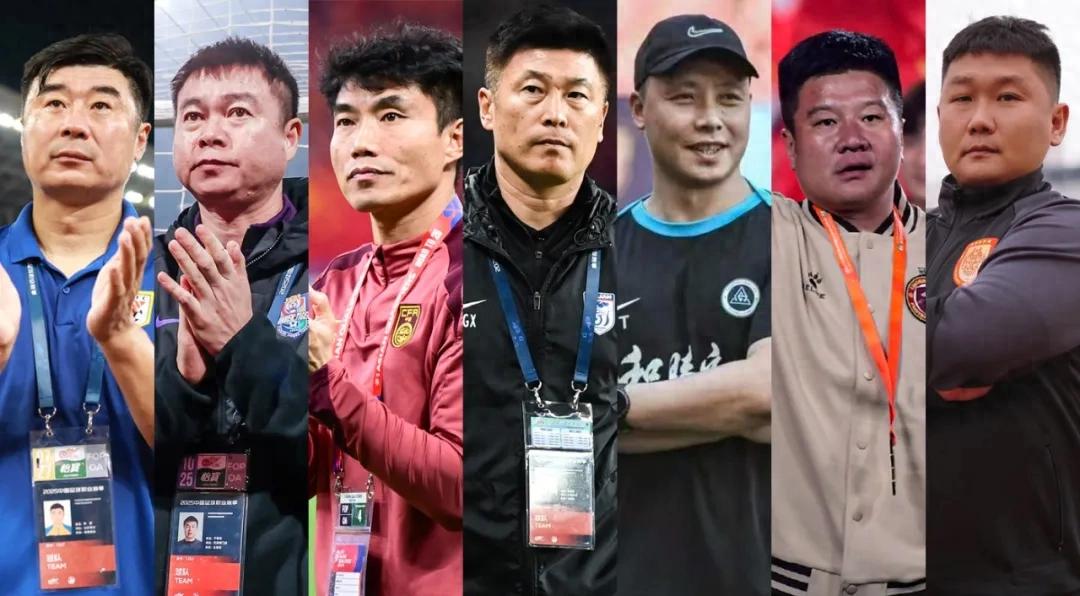
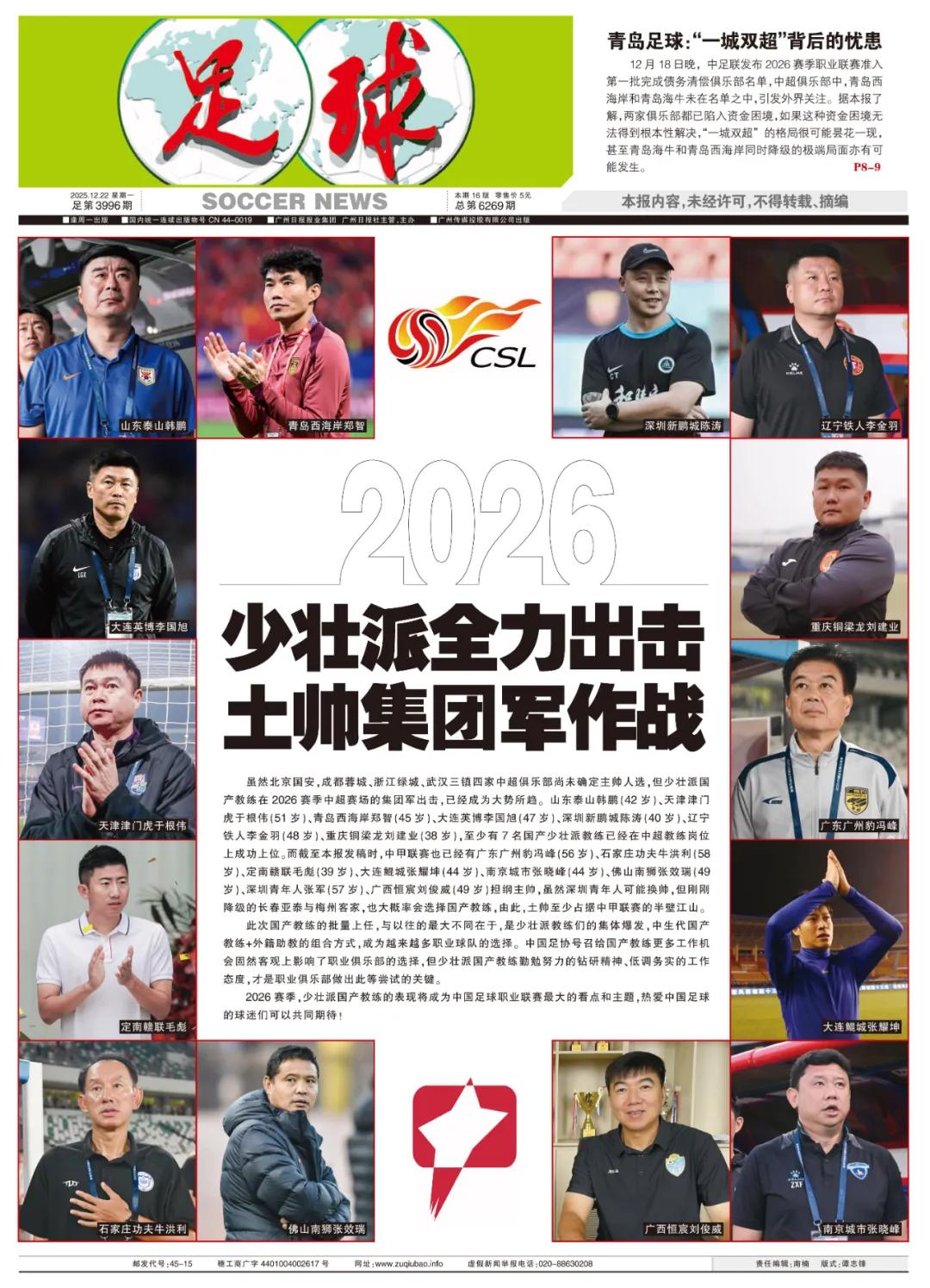
Reporter Chen Yong reports According to current information, the 2026 Chinese Super League will feature at least seven domestic head coaches: Yu Genwei, Li Jinyu, Li Guoxu, Zheng Zhi, Han Peng, Chen Tao, and Liu Jianye. The oldest, Yu Genwei, will be 52 in the new season, and the rest are under 50, including four born in the 1980s. Additionally, two national team coaches, Shao Jiayi and Zhou Haibin, are also from the 1980s generation.
The development of Chinese football requires inclusiveness, but ultimately it must rely on domestic strength. The emergence of more local coaches in the top league naturally boosts the enthusiasm of other coaches. The youthfulness of domestic coaches and the professional league complement each other, injecting vitality into Chinese football.

At the start of the 2025 Chinese Super League season, there were only five domestic coaches: Yu Genwei of Tianjin Jinmen Tiger, Shao Jiayi of Qingdao West Coast, Li Guoxu of Dalian Yingbo Haifa, Li Xiaopeng of Qingdao Hainiu, and Xie Hui of Changchun Yatai. Domestic coaches accounted for less than one-third of the 16 teams. Among these five, except for Xie Hui who was dismissed mid-season, the other four completed the full season: Yu Genwei performed excellently, leading Jinmen Tiger to 6th place; Shao Jiayi guided Qingdao West Coast to 9th place and later became the national team head coach; Li Guoxu kept the promoted Dalian Yingbo Haifa stable, finishing 11th; Li Xiaopeng managed to avoid relegation despite financial and squad challenges at Qingdao Hainiu, which was no easy feat.
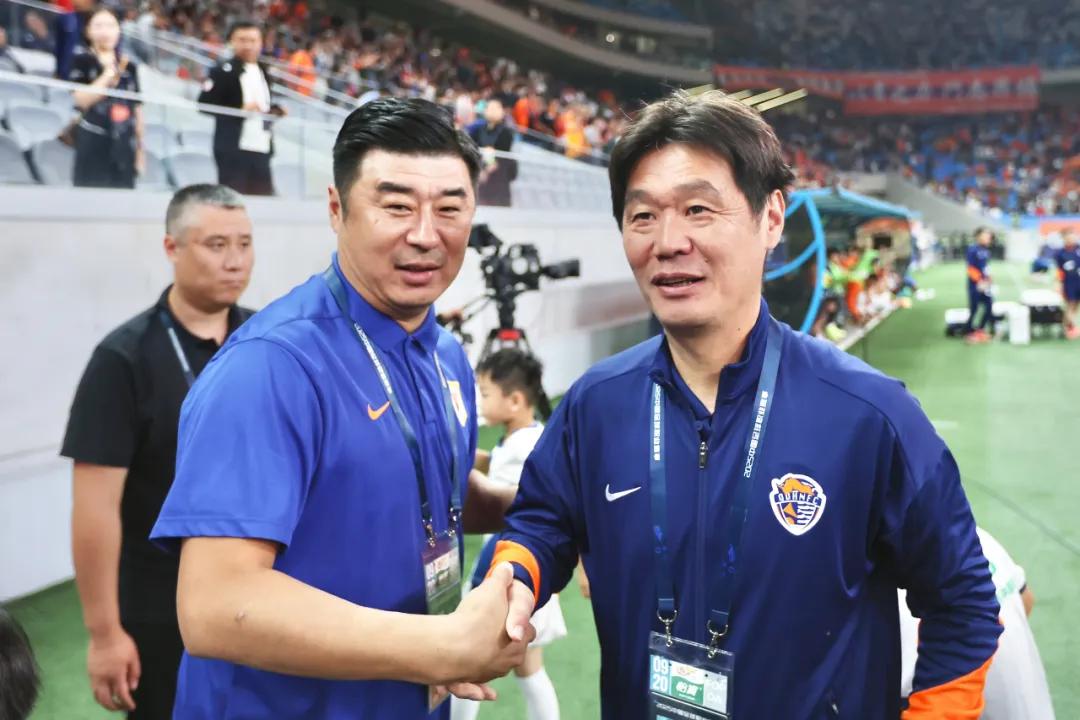
During the 2025 season, three domestic coaches took over teams mid-season: Han Peng started from round 17, achieving 8 wins, 4 draws, and 2 losses, remaining unbeaten in the last 11 matches; Deng Zhuoxiang successfully led Wuhan Three Towns to avoid relegation; Chen Tao took charge of Shenzhen New Pengcheng with 4 rounds left, securing safety early by defeating Beijing Guoan and Wuhan Three Towns consecutively. By the end of the 2025 season, there were seven domestic coaches: Yu Genwei, Shao Jiayi, Li Guoxu, Li Xiaopeng, Deng Zhuoxiang, Han Peng, and Chen Tao.
Domestic coaches have performed well, earning recognition from investors and fans. The number of domestic coaches will increase in the 2026 season: Han Peng will continue leading Shandong Taishan; Yu Genwei and Li Guoxu remain firmly in charge of Tianjin Jinmen Tiger and Dalian Yingbo Haifa; Chen Tao has successfully renewed his contract to continue with Shenzhen New Pengcheng; Li Jinyu, who played a key role in Liaoning Ironman's promotion and was named best coach in China League One, will continue coaching; Chongqing Tongliang Long, which used foreign coaches during their 2025 promotion campaign, has decided to appoint a domestic coach, Liu Jianye, for 2026; furthermore, Zheng Zhi is basically confirmed as Qingdao West Coast's coach.
By the end of the 2025 season, among domestic coaches, Shao Jiayi became the national team head coach, Li Xiaopeng no longer coached Qingdao Hainiu, and Deng Zhuoxiang stepped down from Wuhan Three Towns due to needing to upgrade his coaching qualifications.
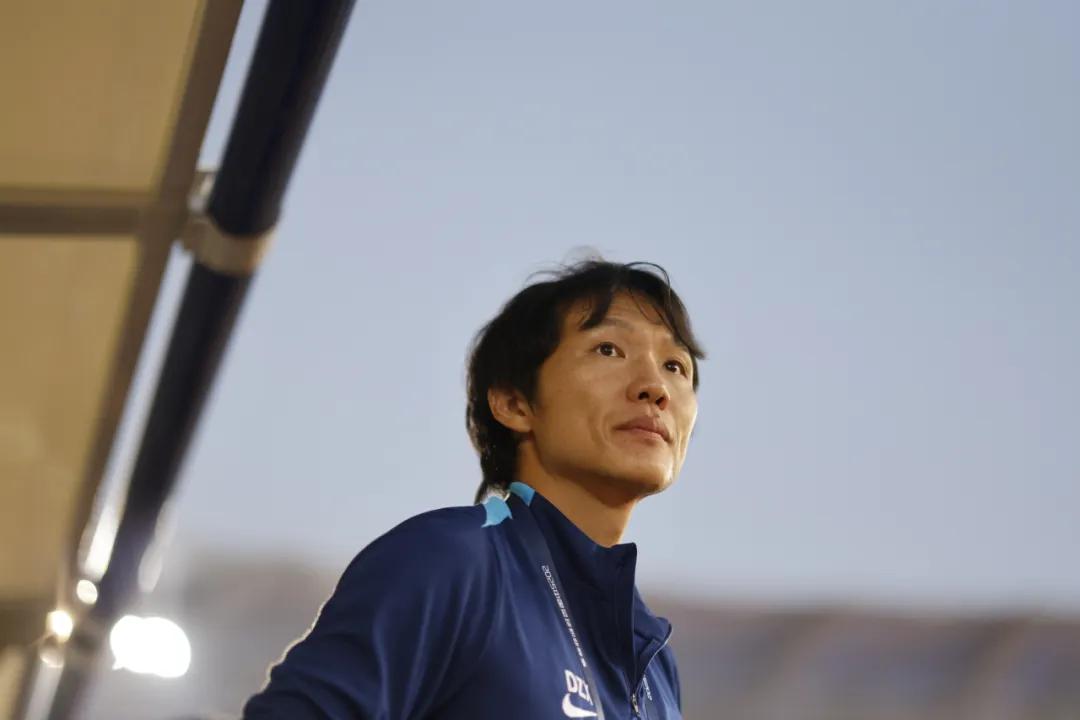
Regarding foreign coaches, Shanghai Port, Shanghai Shenhua, Yunnan Yukun, and Henan teams have confirmed foreign head coaches. Beijing Guoan and Wuhan Three Towns said they will continue searching for foreign coaches. Chengdu Rongcheng is basically set to keep their foreign coach, and news indicates Qingdao Hainiu has chosen former Meizhou Hakka coach Milan as their head coach.
It is still uncertain whether Zhejiang team will choose a domestic or foreign coach. Previously, they expressed a preference for domestic coaches and assigned older players as assistant coaches for long-term development.
As of now, the guaranteed number of domestic coaches for the 2026 Chinese Super League season is seven. If Zhejiang also opts for a domestic coach, the number will reach eight, accounting for half of the league. In recent years, domestic coaches have gradually gained importance. In the 2022 season, 8 out of 18 teams started with domestic coaches; in 2023, 7 out of 16 teams began with domestic coaches.
The reasons behind the popularity of domestic coaches are straightforward: first, they have generally shown strong coaching abilities, with Shao Jiayi becoming national team head coach due to his excellent CSL performance; second, Hao Wei led Shandong Taishan to a double crown in 2021, the first domestic coach to win the league in 12 years, significantly elevating their status; third, after the post-financial boom era, clubs have generally cut budgets, making domestic coaches a more practical choice.
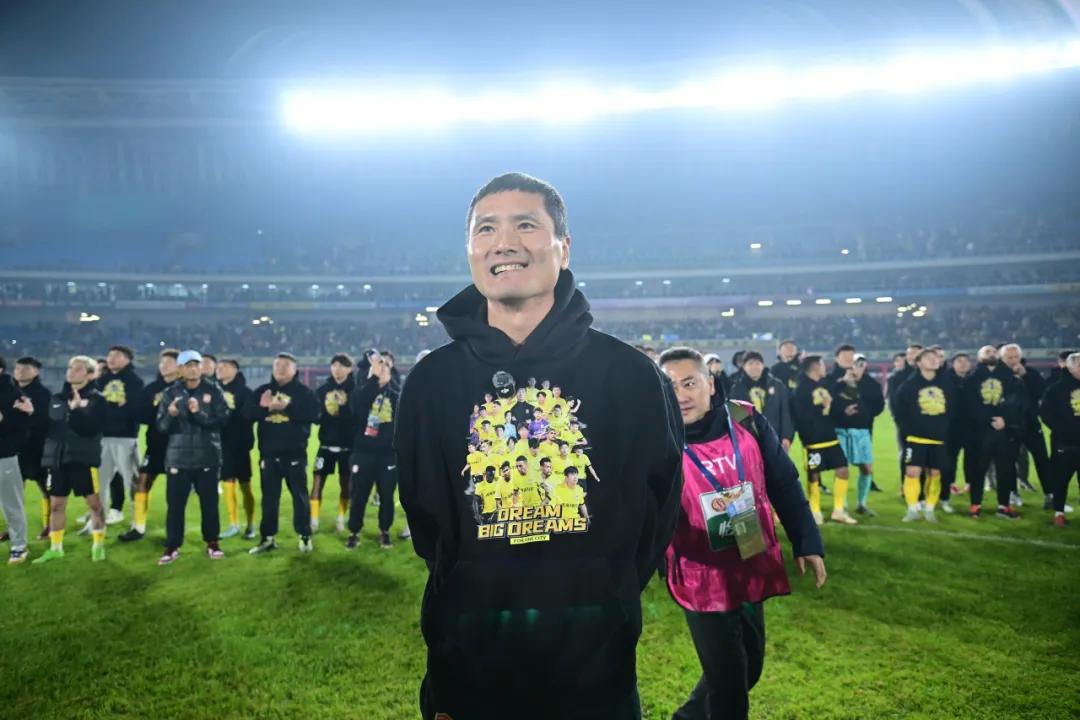

Among the seven domestic coaches for the new season, the nearly 52-year-old Yu Genwei is the oldest, but from a coaching perspective, being just over 50 still places him in the mid-career group. Apart from Yu Genwei, the others are all under 50: Li Jinyu will be 49 next year, Li Guoxu 48, all considered standard mid-career coaches.
Four domestic coaches were born in the 1980s: Zheng Zhi (born 1980) will be 46, Han Peng (1983) 43, Chen Tao (1985) 41, and Liu Jianye (1987) 39 next year. As for national team coach Shao Jiayi, born in 1980, he is currently only 45. U14 national team coach Zhou Haibin is just 40.
The domestic coaches given opportunities tend to be relatively young. The CSL’s domestic coaches once faced a downturn, not only due to tactical and technical gaps compared to global top coaches but also because of conservative coaching styles and relationship-based issues. Younger coaches bring energy and passion, rarely resort to overly defensive tactics, and are eager for results, showing greater independence overall.
These domestic coaches have varied growth paths: some rose through youth training systems, such as Han Peng coaching Shandong Taishan's 2005 age group from 2022 to 2025, Zhou Haibin leading the 2007 age group during the same period, Chen Tao coaching Shenzhen Kaisa U15 and winning the "Origin Cup," and Liu Jianye serving as a youth coach after retirement; others have extensive national team experience, notably Shao Jiayi and Zheng Zhi.


The prospects for domestic head coaches in the new CSL season are promising.
Han Peng naturally attracts the most attention. In 2026, Shandong Taishan will retain all their foreign attacking players, providing a solid foundation. If the quality of central defenders recruited is ensured, Taishan’s competitiveness in the CSL will be very strong. Fans look forward to Han Peng’s team performing well in high-profile matches next season.
Yu Genwei’s coaching of Tianjin Jinmen Tiger has been consistently stable. The team shows strong fighting spirit, foreign players are relatively high-level, and most importantly, Yu Genwei holds absolute authority within the squad. His coaching outlook is very promising.
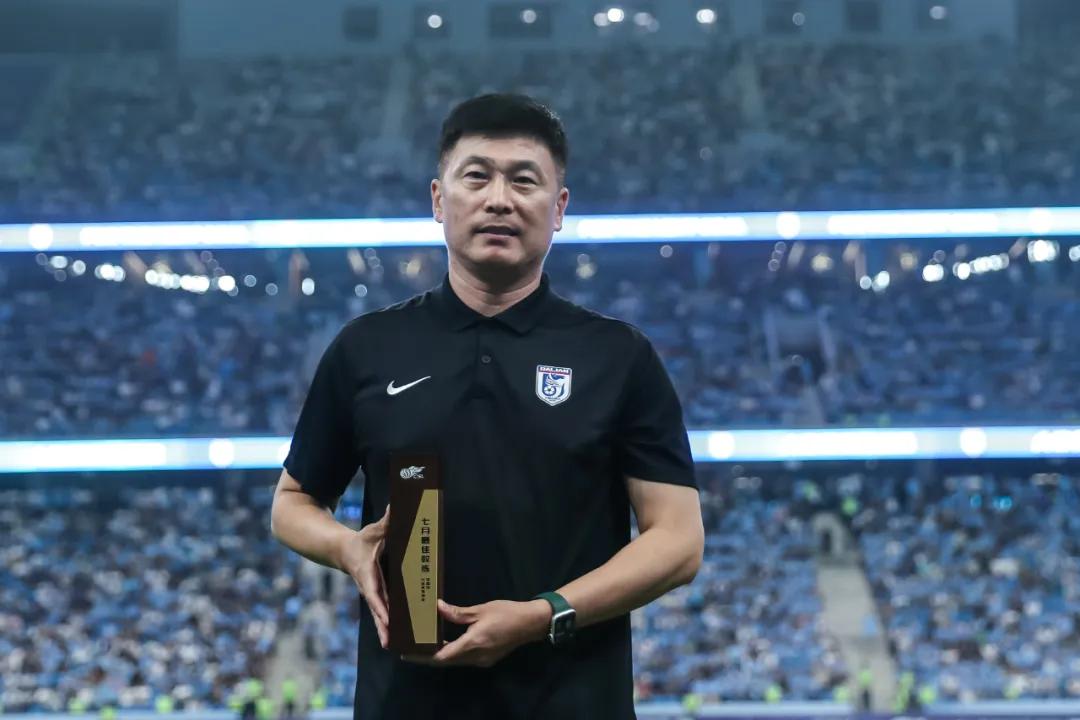
Dalian Yingbo Haifa had a very strong debut season in the CSL. More importantly, the local football market greatly benefits the team, and this advantage will not change in 2026. Li Guoxu needs to be mindful of the “sophomore slump” phenomenon—promoted teams often perform well in their first season but fluctuate in the second. For Li Guoxu, improving the foreign player lineup is key to maintaining results.
The two promoted teams theoretically have bright prospects. Liaoning Ironman has received strong government support and is making significant efforts in recruitment, focusing on bringing in high-quality foreign players. If all goes well, Liaoning Ironman should not have to fight relegation in 2026.
Chongqing Tongliang Long has a group of outstanding young players. This winter, they are actively strengthening their domestic squad. There is no concern about the vitality of domestic players. The key to Liu Jianye’s success lies in the quality of foreign players. If foreign recruitment goes smoothly, Chongqing Tongliang Long should be competitive next season.

By comparison, Zheng Zhi and Chen Tao face greater challenges. Qingdao West Coast finished mid-table for two consecutive seasons but actually fought relegation in 2024 and only stabilized in 2025. With Shao Jiayi leaving and some players likely departing, the team faces difficulties in squad building and financial issues. Fortunately, Qingdao West Coast’s advantage lies in the expected maintenance of foreign player quality. The club’s financial stability will determine Zheng Zhi’s coaching future.
Chen Tao has relatively more problems to solve. Shenzhen New Pengcheng faces several issues: firstly, foreign player problems; more importantly, the team’s morale. For Shenzhen New Pengcheng, truly integrating into the city and establishing the concept of fighting for the city are crucial for the team’s future survival and development.
For fans, the expectation is: a more intense title race, fiercer relegation battles, and more exciting matches.


Wonderfulshortvideo
Kvaratskhelia and Ronaldo 🫶


🇪🇸 Spain 🆚 Argentina 🇦🇷
Arsenal goal today arsenal 2-1 chelsea arteta interview arteta press conference
When Diogo Costa saved EVERY penalty he faced in the shoot-out 🤯🤯🤯
The movement is electric ⚡️
Mbappe injury mbappe surgery real madrid 0-1 getafe mbappe return date mbappe edit
ronaldo almeria ronaldo buying new club ronaldo owner ronaldo manchester united owner
 Links
Links
 Contact
Address:UNIT 1804 SOUTH BANK TOWER, 55 UPPER GROUND,LONDON ENGLAND SE1 9E
Number:+85259695367
E-mali:[email protected]
 App
App


