



Are Qingdao Hainiu and Qingdao West Coast the favorites for relegation in the new Chinese Super League season? The concerns behind Qingdao’s "one city, two super league teams" situation



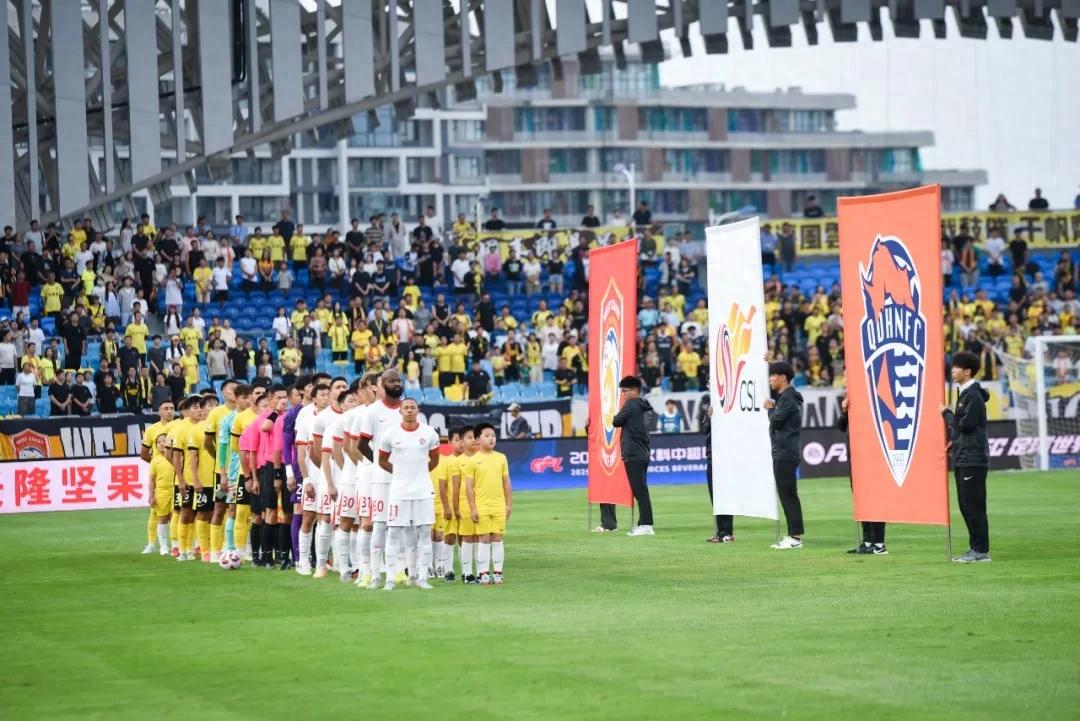
Reported by Chen Yong On December 18 in the evening, the CFA released the initial list of clubs cleared of debts for admission to the 2026 professional league season, including 41 clubs in total. Among the CSL clubs, Beijing Guoan, Qingdao West Coast, and Qingdao Hainiu did not make the list.
At the start of 2024, with Qingdao West Coast’s successful promotion to the Super League, Qingdao football achieved the rare "one city, two top-tier teams" status, a distinction previously only held by Shanghai in China. However, by the end of 2025, multiple problems have emerged: Qingdao Hainiu continues to struggle financially and now faces admission hurdles; Qingdao West Coast is also experiencing financial difficulties, largely for the same reasons as Hainiu. Without a fundamental resolution to these financial issues, the "one city, two super league teams" status may prove short-lived, and the extreme scenario of both Qingdao Hainiu and Qingdao West Coast being relegated simultaneously is possible.
As a "football city" and a national key city for football development, Qingdao’s professional football must undergo a thorough review and reflection this winter.
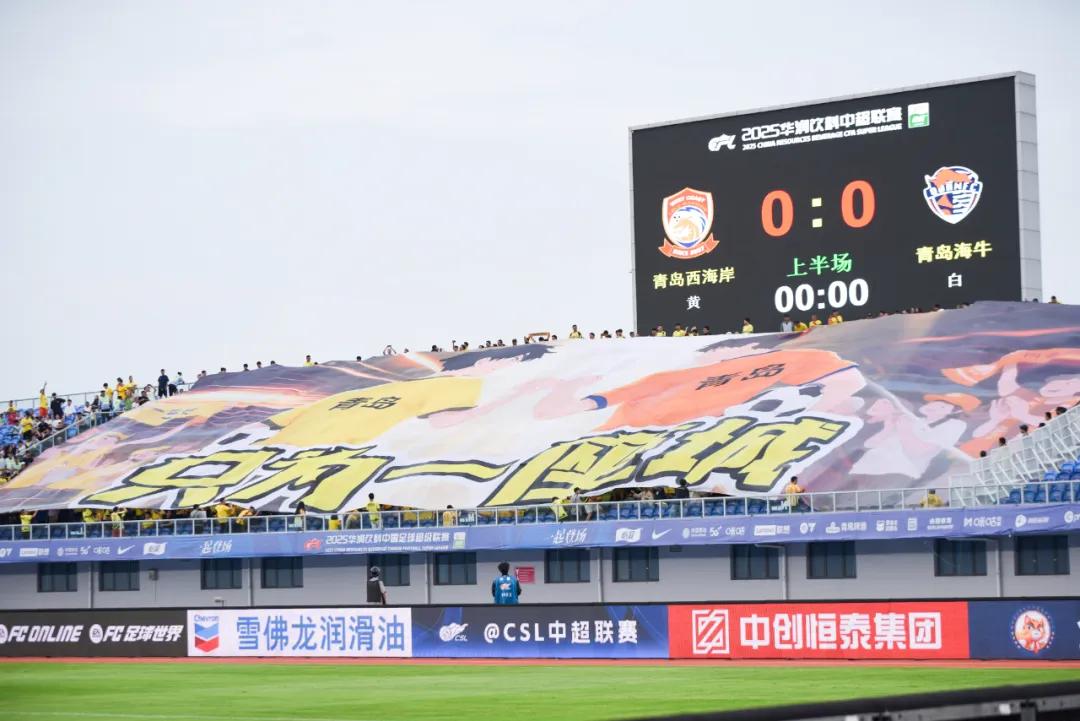

With financial difficulties occurring simultaneously, survival has become the central challenge. On May 14, 2024, Qingdao Hainiu was punished with two home matches played behind closed doors, signaling the severity of their financial crisis, and the team was ranked second to last. Given these multiple challenges, some advised investor Qiao Weiguang that, considering the financial troubles especially, it might be best to use the two empty home games as an opportunity to return to China League One, where survival would cost about 20 million RMB, significantly easing the club’s financial pressure.
However, Qiao Weiguang, who has been involved in Chinese football for 20 years and spent 9 years struggling in lower leagues, rejected this advice. He did not want Qingdao’s "one city, two super league teams" status to be short-lived. Ultimately, Qingdao Hainiu played the two home matches behind closed doors with a fighting spirit, drawing with Beijing Guoan and defeating Tianjin Jinmen Tiger. Mid-season, they signed Silva to strengthen their attack, and eventually secured their place in the league.
Expected financial support or equity reform did not materialize before the 2025 season, plunging Qingdao Hainiu into deeper financial distress. The team struggled to avoid relegation throughout the season and, although they survived, their financial situation is now worse than it was in mid-2024.
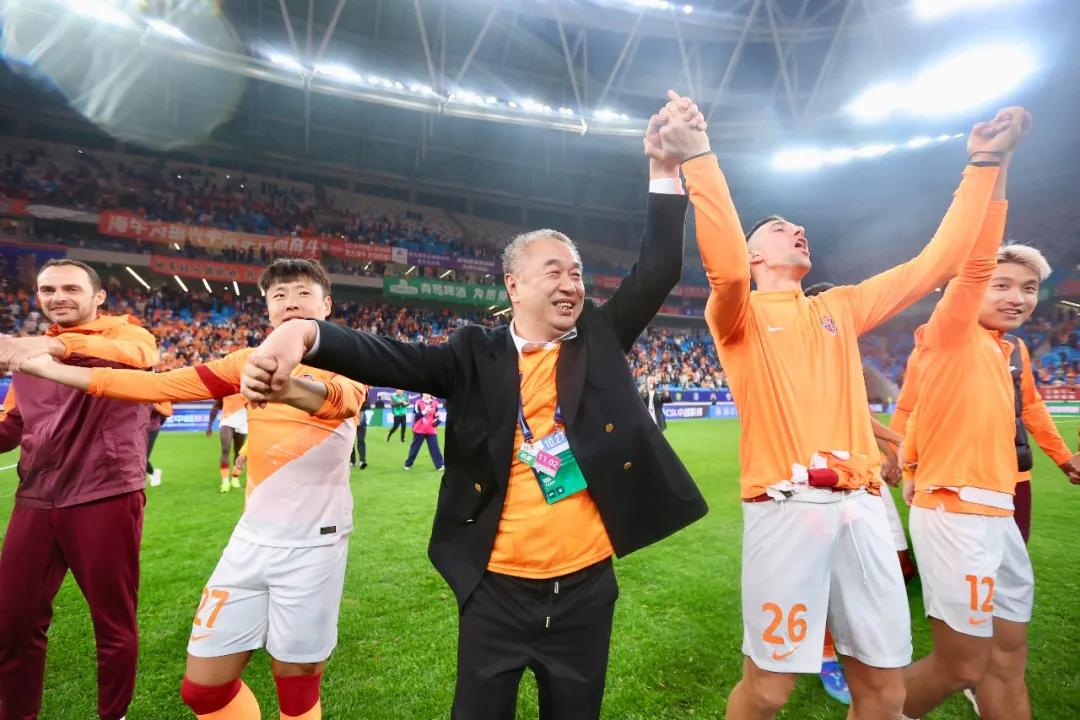
Salary arrears have worsened, with reports indicating unpaid wages and bonuses reaching around 30 million RMB, affecting even ordinary staff. Beyond this, there are other financial problems; unless funds are quickly replenished, passing the admission requirements will be difficult.
Behind the wage arrears lies insufficient funding from the investor Zhongneng Group, and some promised financial support for Qingdao Hainiu has yet to be received—According to the latest Qingdao municipal regulations, the city provides 15 million RMB in support funds to CSL clubs, which has been paid. A 5 million RMB reward for successful relegation avoidance has not yet been paid but is just a matter of time. However, the Chengyang District’s promised matching funds under Qingdao’s policy have not arrived.
The financial difficulties have triggered a chain reaction: after the 2025 season, most foreign players left Qingdao Hainiu, with only Silva likely to stay, posing huge challenges for team assembly next season. Meanwhile, head coach Li Xiaopeng, exhausted, has decided not to continue. Reports say Milan Ristić has been confirmed as his successor, but how effectively he can manage the team remains uncertain. Even if the club passes admission, ongoing financial troubles will likely mean Milan’s control is weaker than Li Xiaopeng’s.
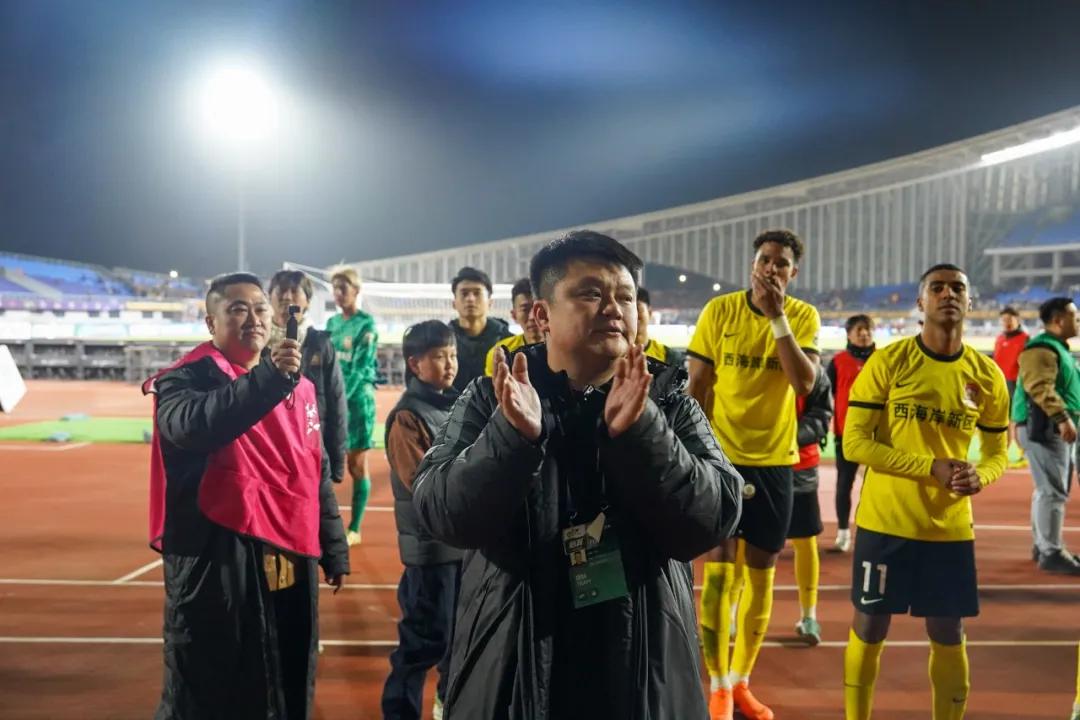
While Qingdao Hainiu struggles, Qingdao West Coast, which performed well in 2025 by repeatedly blocking title contenders and contributed head coach Shao Jiayi to the national team, also faces difficulties. The club has some salary arrears and similar financial problems to Qingdao Hainiu, including lack of matching policy funds. In fact, Qingdao West Coast’s financial troubles began mid-2025, but this young team withstood the pressure and finished mid-table in the CSL.
Recently, Qingdao West Coast’s investor Xu Shang and some club staff went to Spain to observe the Champions League. Xu said, “We are a small company and cannot sustain the CSL or even China League One alone; we need support from all sectors. What we urgently need now is enterprises to join our equity reform to reduce the club’s investment burden. Investing in football is a great project; promotion should not be limited to Qingdao but expand nationwide and even overseas. Next year, we plan to do more overseas marketing.” Xu previously explained Qingdao West Coast’s finances, stating their 2025 investment was between 120 and 150 million RMB, with losses of 50 to 60 million RMB.
Recent rumors about transfers of Qingdao Hainiu’s two talented young players, Li Hao and Yang Xi, actually reflect Qingdao West Coast’s financial plight. If successful, the transfers could bring about 20 million RMB in revenue, greatly easing their financial difficulties.However, relying on developing young players to generate funds is not sustainable: these two players are not products of West Coast’s own youth system but were brought in due to close ties with then-coach Shao Jiayi. This “scavenging” model of acquiring talented youth cannot continue, and West Coast’s youth system only started in 2013, so even under ideal conditions, it will take years before it produces new talent.
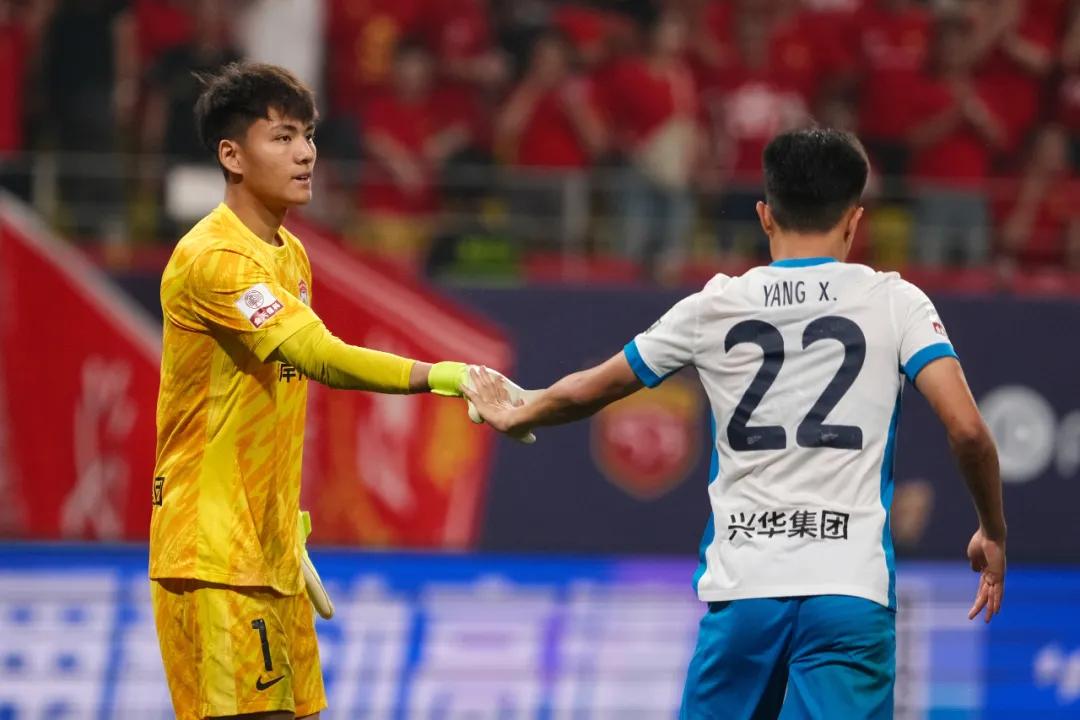

Unlike Shanghai, which has two powerhouse clubs—Shanghai Shenhua and Shanghai Port—backed by strong state-owned enterprises, Qingdao’s two clubs are smaller with limited investor funds, making it difficult to sustainably support two professional clubs in the top league.
Behind Qingdao’s "one city, two super league teams" dilemma, objectively, the city’s fiscal support is decent and can ensure funds are available, but problems exist on two fronts:First, the timeliness and reliability of district-level matching funds are problematic, easily causing breaks in the funding chain; second, the investors Zhongneng Group and Zhongchuang Hengtai Group lack sufficient funds to sustain CSL operations, and their businesses have declined significantly in recent years.Xu Shang said his main business is barely sustainable now, and current football investments rely mostly on previously saved capital.
Therefore, the "one city, two super league teams" glory hides serious risks. Qingdao achieved this status not through strong economic power but by capitalizing on the lowest point in professional football in recent years with minimal cost. Maintaining this status afterward has become a major challenge.
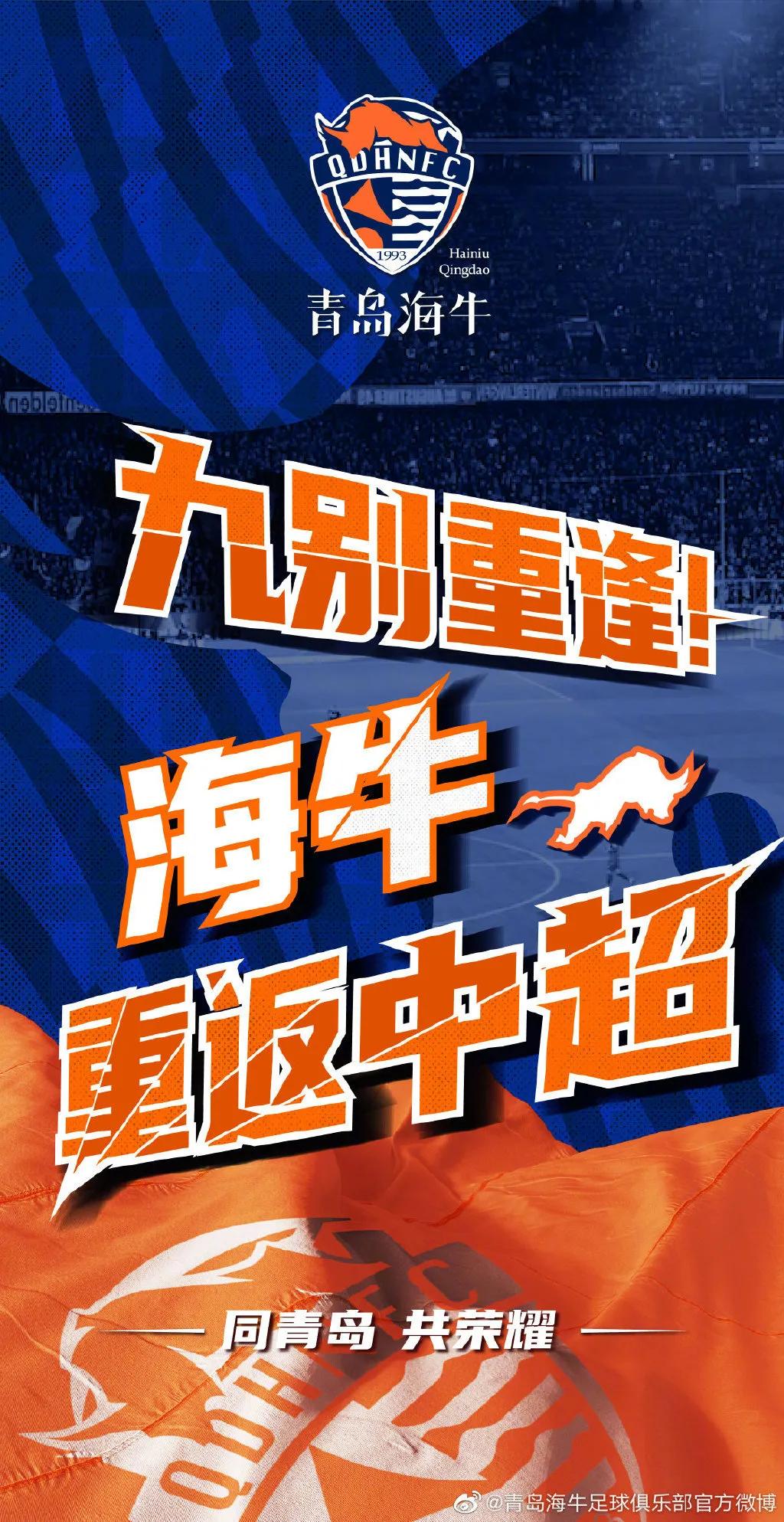
Qingdao Hainiu’s return to the CSL coincided with the lowest point of China’s professional leagues, when many clubs withdrew. Under this context, Qingdao Hainiu rose from China League Two in 2021 to League One, and then finished runner-up in League One in 2022 to promote to the CSL. Their CSL rankings over the past three years were 13th, 12th, and 14th respectively.
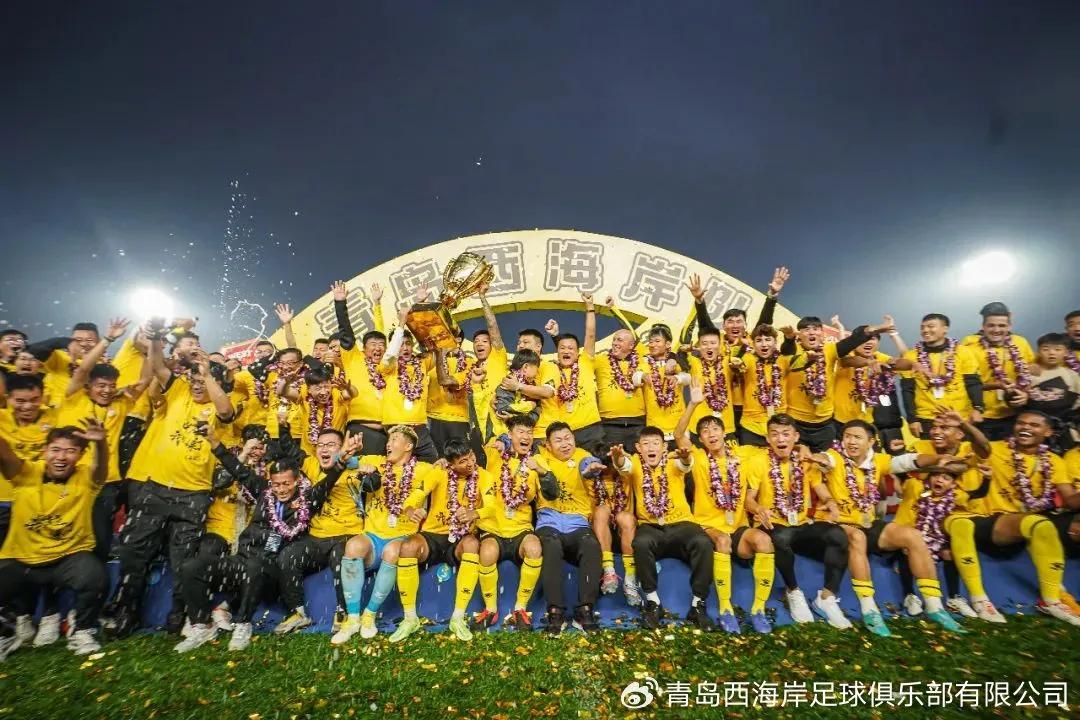
Qingdao West Coast’s promotion path was similar, rising against the tide during Chinese professional football’s low point. In 2019, they entered China League Two as the 8th place team in the China Champions League; in 2021, they finished 4th in League Two and won promotion through playoffs; in 2023, they were runners-up in League One and promoted to the CSL. Their CSL rankings in the last two seasons were 10th and 9th, maintaining a stable mid-table position.
For Qingdao, "one city, two super league teams" is not a badge of honor to rest on but rather brings more challenges and reflections to Qingdao football.

What about the future? This is a question Qingdao football must consider. Currently, Qingdao football carries two labels: one is a well-structured, top-ranked national key city for football development, and the other is "one city, two super league teams." The former has a solid foundation in school and youth football but struggles to retain talent; the latter’s difficulties have been analyzed above.
Qingdao football’s future depends on the city’s positioning of football. If the goal is merely to fulfill national football development tasks, the status quo can be maintained, including the professional clubs operating naturally. The government’s support is already significant, and there have been periods without any CSL teams, such as from 2014 to 2019, and again in 2022 after the previous club dissolved following relegation.
If Qingdao wishes to maintain its reputation as a "football city," keep football as a city brand, use professional football to drive cultural tourism consumption, and develop it as an industry, it must overcome the professional football crisis and ensure one or two stable CSL clubs.
Objectively, Qingdao needs to prioritize football for four reasons involving its football heritage, China’s football development trends, the actual situations of the two clubs, and Qingdao’s capacity to operate high-quality professional football.
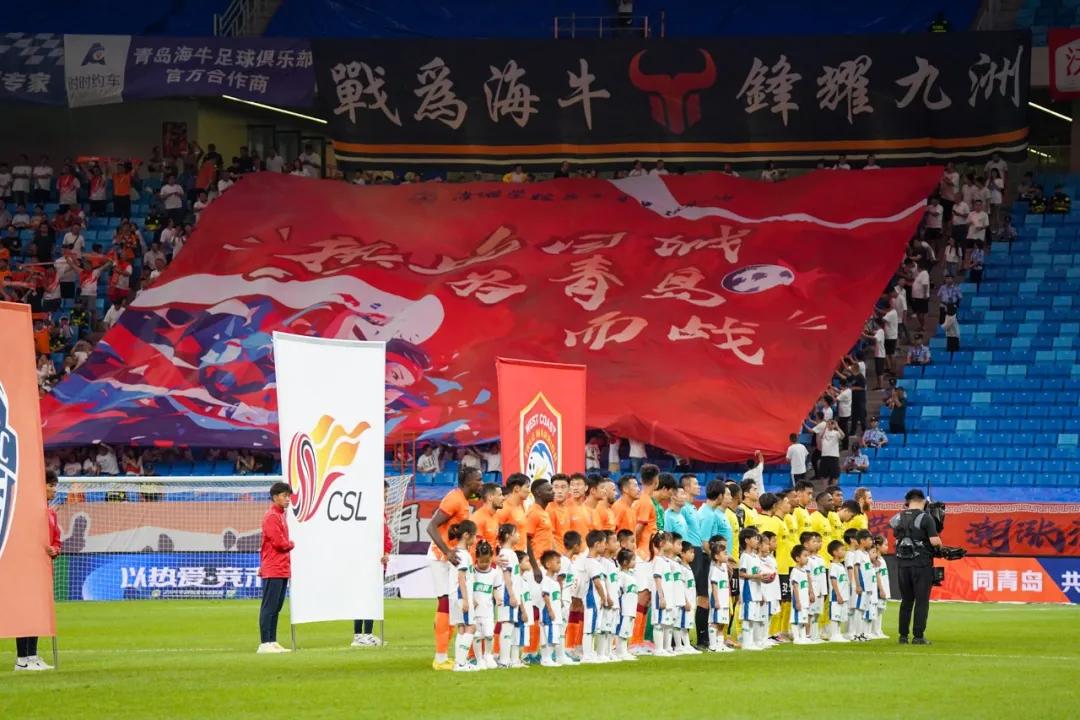
First, Qingdao’s "football city" identity is deeply ingrained, as shown by the vibrant amateur leagues and multiple excellent social youth training institutions, all rooted in this football culture.
Second, many regions now highly value football: Ningbo introduced a League One club; Hunan is fully committed to professional football development, including attracting professional and top-tier clubs; Anhui has similar ambitions; and the "Su League" is evolving from an amateur city league to a high-quality youth league with many professional youth teams. These efforts not only respond to national football calls but also clearly aim to boost cultural tourism and industrial development.
Third, regarding the two clubs, Qingdao Hainiu is one of the few clubs in Chinese football with 32 years of professional league experience, alongside top clubs like Shandong Taishan, Beijing Guoan, and Shanghai Shenhua. Though struggling, Hainiu has a long history. Qingdao West Coast, a newer professional club, has become a shining card of the West Coast New Area after integration.
Fourth, Qingdao’s economy is strong, with a 2024 GDP of 1.67 trillion RMB, ranking 13th nationally, and the West Coast New Area’s GDP exceeding 500 billion RMB. The city hosts many excellent enterprises, some investing heavily in football, though interest in Chinese professional football, especially Qingdao’s, remains limited.
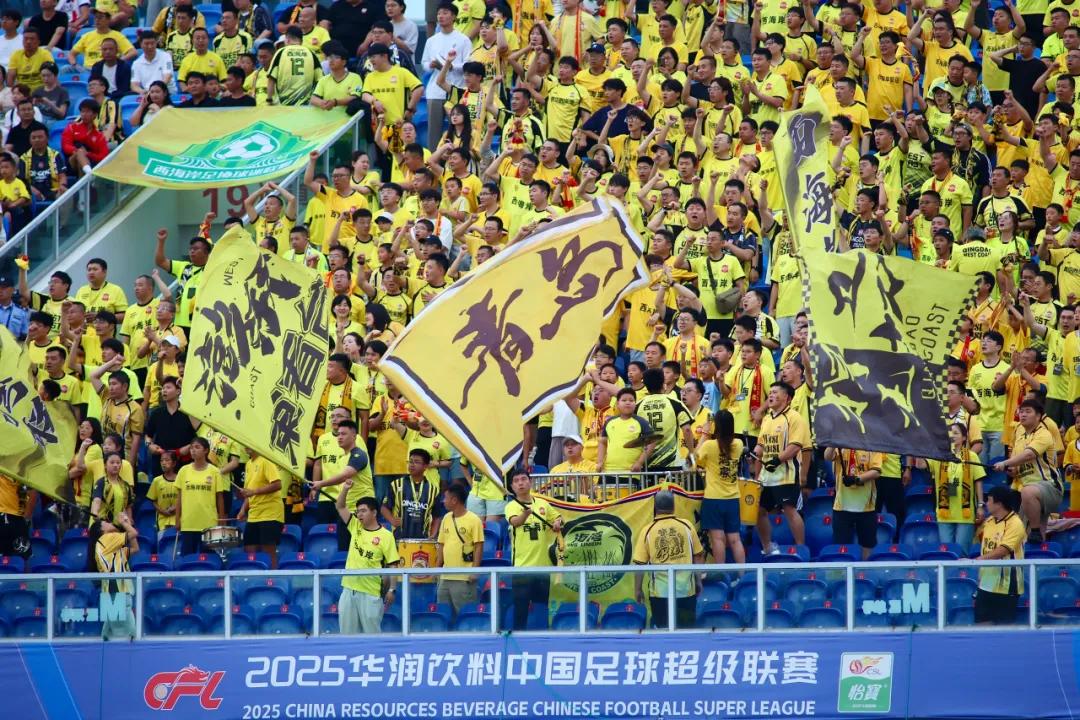
Thus, Qingdao football’s future development path can be divided into three options:
The least favorable is maintaining the status quo. Even then, positive strategies are needed, such as ensuring stable municipal and district-level funding and helping the two clubs attract sponsors to alleviate financial pressures. If funding remained stable, Qingdao West Coast and Qingdao Hainiu would likely have appeared on the debt clearance list. This is considered the least desirable because under this model, Qingdao professional football will struggle to improve substantially, facing fluctuations though avoiding a total absence of CSL teams.
The moderate option is to comprehensively coordinate resources to provide more support to the two clubs, aiming to attract additional corporate investment for naming rights or front-of-shirt advertising. This extra funding would allow the clubs to sign higher-quality foreign players, improving league performance—a clear step forward compared to maintaining the status quo.
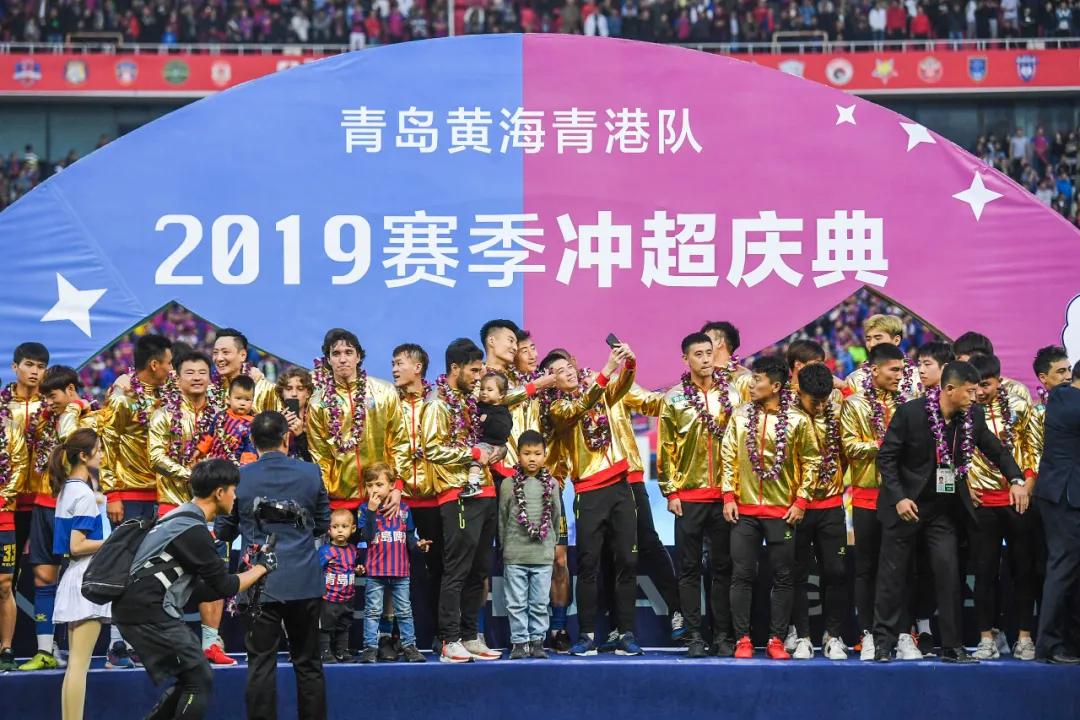
However, this approach carries risks: such active funding coordination is hard to guarantee long-term stability. Qingdao Football Club (formerly Qingdao Huanghai) is an example. In mid-2019, the Qingdao municipal government secured millions in sponsorships from local well-known companies like Qingdao Port Group, Qingdao Beer Group, and others; Qingdao Port became the naming sponsor and Qingdao Beer the shirt sponsor. This was envied by other regions, and Qingdao Huanghai successfully promoted and survived the 2020 CSL season, later renaming to Qingdao Football Club.
But in the 2021 season, Qingdao suffered a catastrophic collapse: a nine-game losing streak in the first phase, followed by two more losses in the relegation group, totaling 11 consecutive defeats. They finished with a record of 3 wins, 2 draws, and 17 losses, earning only 11 points in 22 matches and were relegated. The club subsequently dissolved. This collapse was due to funding problems, showing that even government-coordinated funds can break if sponsors withdraw.
The best option is to carry out a thorough equity reform to secure stable funding through shareholding. This is what Qingdao Hainiu and Qingdao West Coast have long hoped for, possibly converting most or all shares. There are multiple models: one is a standard corporate governance reform with full board control; another is government-coordinated funding with direct club operation through relevant agencies, as seen elsewhere.
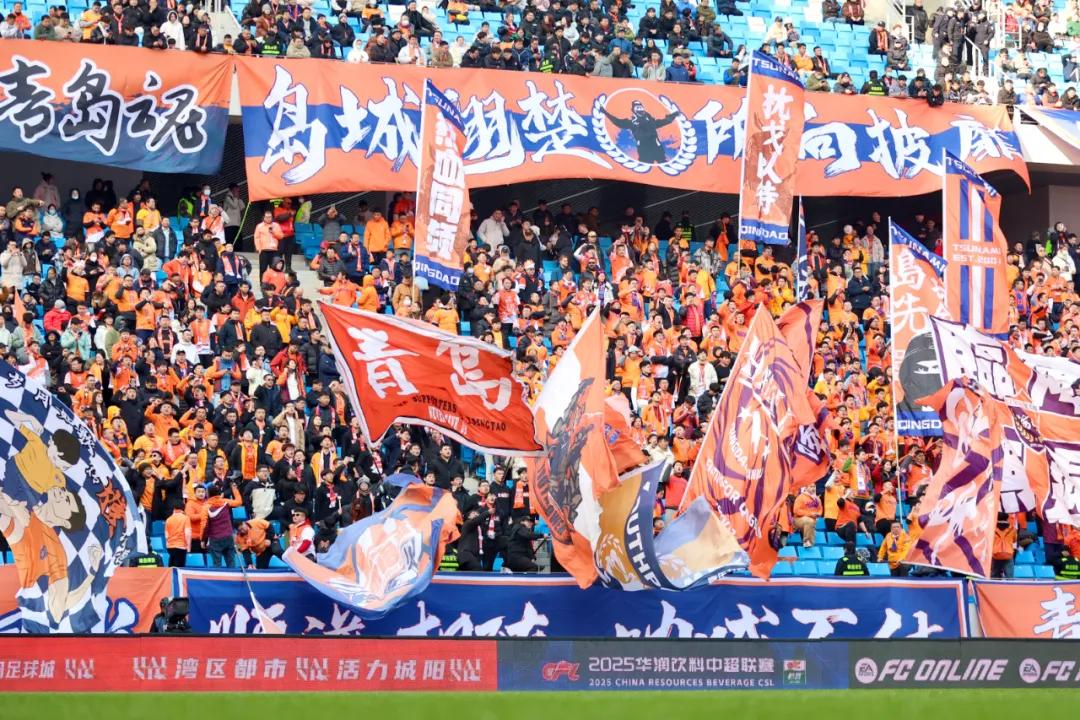
Given Qingdao has two CSL clubs, differentiated development is inevitable. Considering their histories and current situations, Qingdao city government could take full responsibility for Qingdao Hainiu’s equity reform, possibly involving Chengyang District where the youth football stadium is located. For Qingdao West Coast, the city would mainly provide policy and financial support, while the West Coast New Area leads the equity reform to continue enhancing the club’s football brand.
Other supporting policies include but are not limited to: fully coordinating venues, security, and publicity departments to create a stronger football atmosphere, including on match days; integrating football events with cultural tourism to boost both; commissioning the two clubs to form a Qingdao team for the Shandong Provincial City League via government service purchasing, with enhanced youth training funding; and offering personal income tax incentives to improve funding efficiency. Throughout, supervision is essential to ensure effective use of funds.


Wonderfulshortvideo
Kvaratskhelia and Ronaldo 🫶


🇪🇸 Spain 🆚 Argentina 🇦🇷
Arsenal goal today arsenal 2-1 chelsea arteta interview arteta press conference
When Diogo Costa saved EVERY penalty he faced in the shoot-out 🤯🤯🤯
The movement is electric ⚡️
Mbappe injury mbappe surgery real madrid 0-1 getafe mbappe return date mbappe edit
ronaldo almeria ronaldo buying new club ronaldo owner ronaldo manchester united owner
 Links
Links
 Contact
Address:UNIT 1804 SOUTH BANK TOWER, 55 UPPER GROUND,LONDON ENGLAND SE1 9E
Number:+85259695367
E-mali:[email protected]
 App
App


