



LCK introduces competition reforms, Faker is weakened, coaches can direct teams, LPL does not implement for now



Hello to all LPL viewers and League of Legends summoners, this is Tianxia Game Report.
We are currently in the official announcement phase of the transfer period, with both the Chinese and Korean major leagues revealing their new season rosters. During this process, a new update came from the LCK related to previous leaks from Riot.
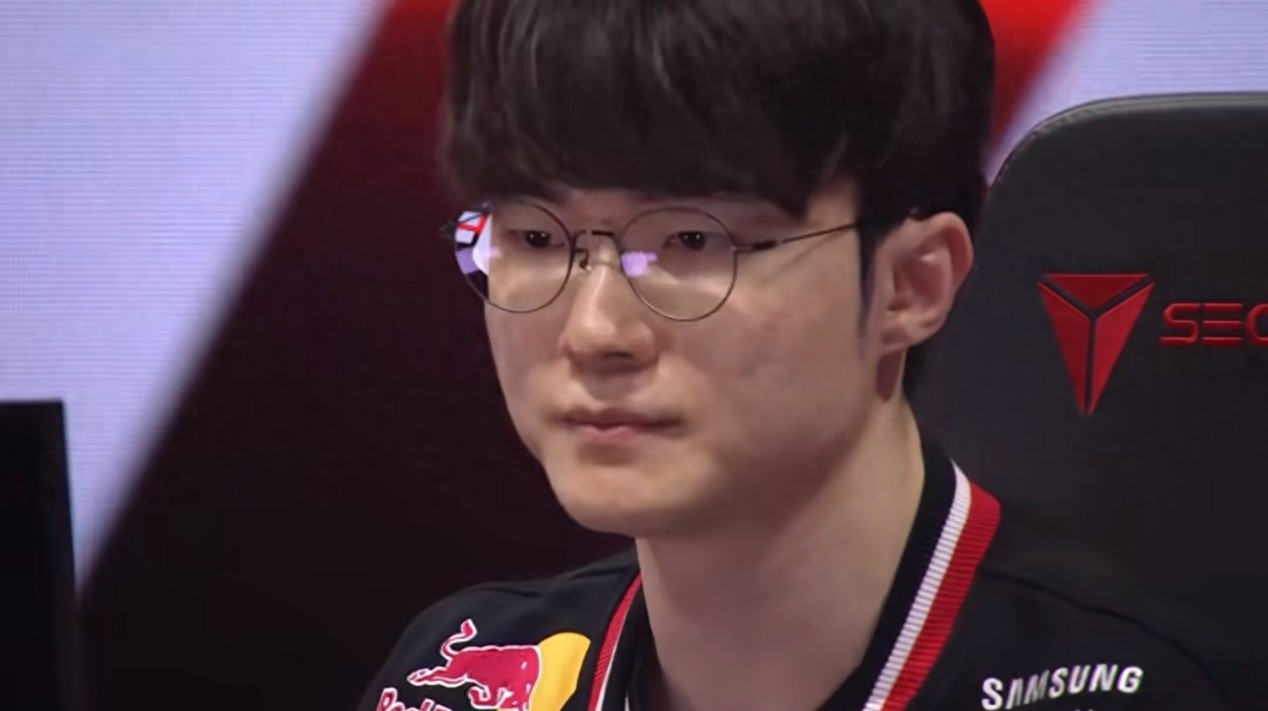
In short, the LCK will take the lead in implementing new competition reforms, allowing coaches to direct their teams during matches.
LCK competition reform: coaches allowed to command teams
Right after the World Championship ended, insiders revealed that Riot was considering giving coaches greater influence over match outcomes next year, meaning coaches could guide their teams during the game. There were two versions of the leak: one suggested introducing a pause system during matches.

In simple terms, if a coach thinks players are not performing well, they could call a timeout; another version proposed allowing coaches to join team voice communication with a limited number of uses per match.
Both options would greatly assist teams, and recently Korean media confirmed this news: the LCK and LCP will be the first to implement this new competition rule. The LCK has confirmed it will use this new rule in next year’s LCK Cup to test whether it can enhance the viewing experience and add more drama to the matches.
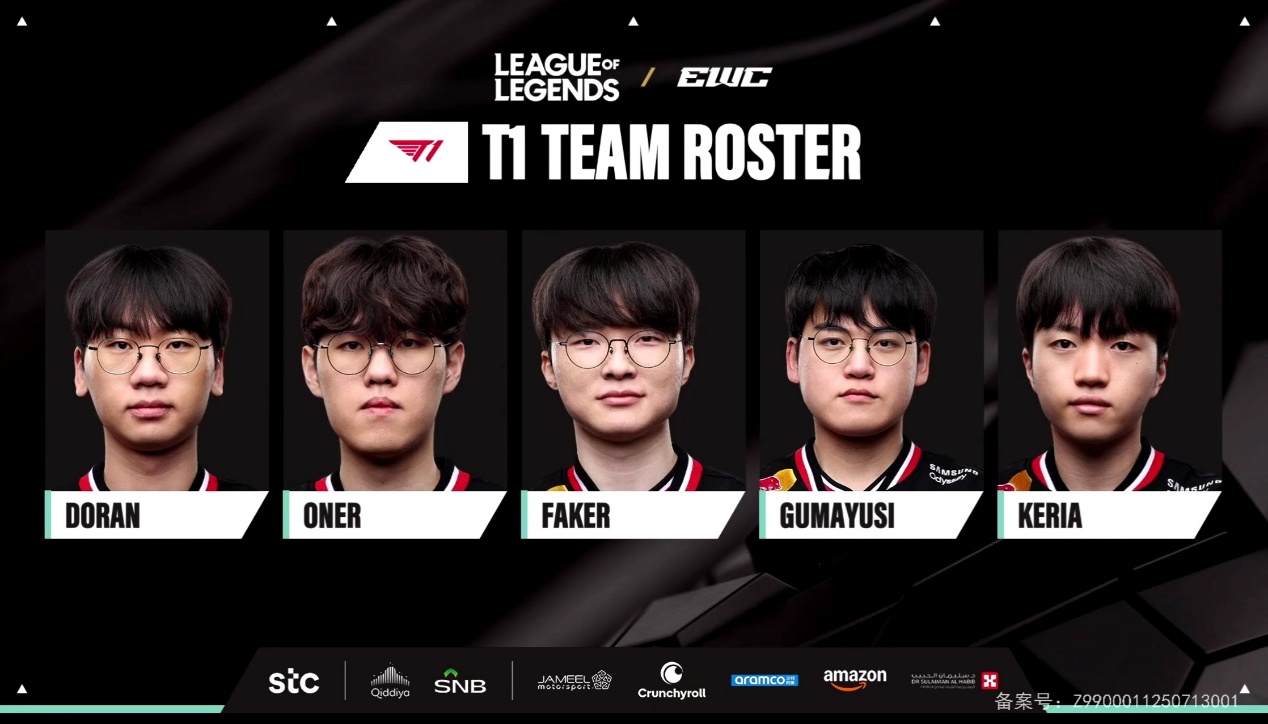
Other regions will not adopt this rule for now. The key point will be to observe how effective the LCK’s trial is. If Riot finds it successful, this new format might be adopted across all regions; if not, it could be abandoned altogether.
Faker weakened, weaker teams’ abilities improved
Regarding this new competition mode, I personally believe its main effect is to improve the decision-making skills of weaker teams. Korean media revealed that each team can have up to two coaches watching the game from a spectator perspective, but their view won’t be panoramic — it will be the same as the player’s perspective, though they can switch between their own players’ views.
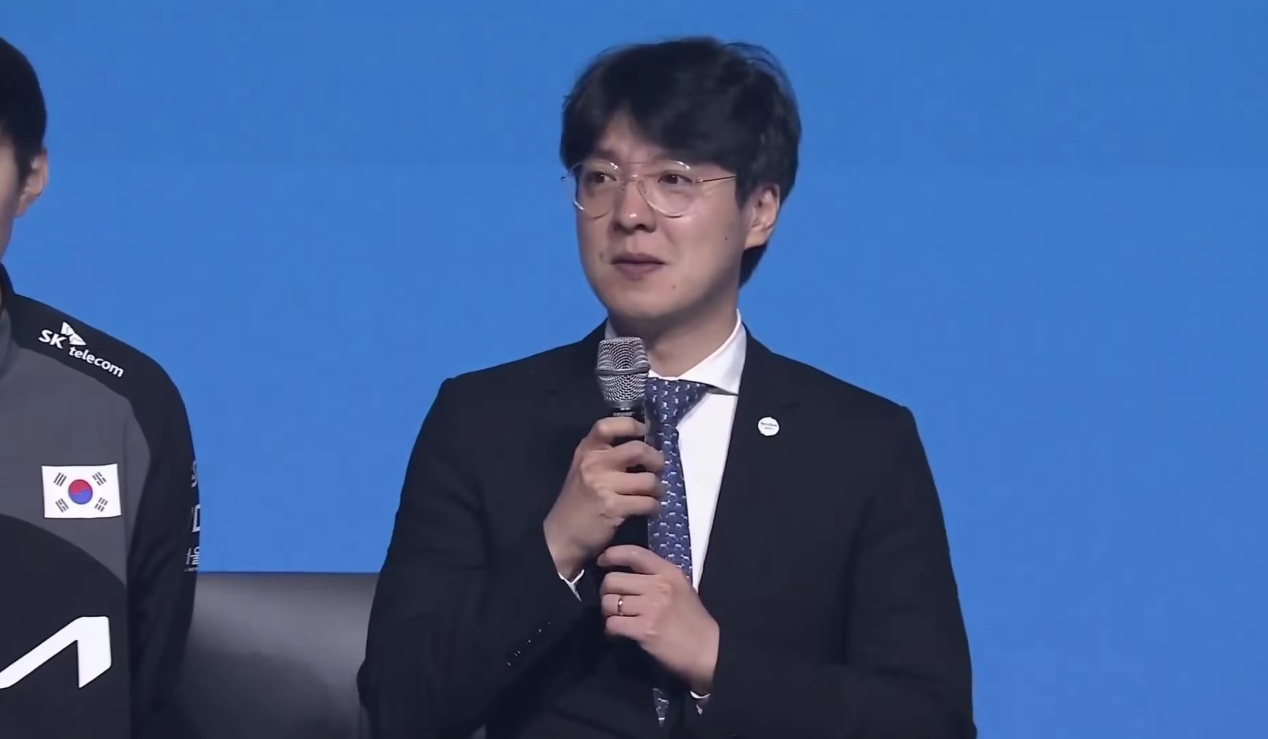
Each match allows three opportunities for coaches to join team voice communication, each lasting up to 45 seconds.
Honestly, three chances per match to access team voice can have a huge impact on the game’s flow. The timing of decisive moves that determine match outcomes usually doesn’t exceed three key moments.
As for evaluating coaches’ command skills, I think the importance of a coach’s direction is inversely proportional to the team’s strength. Simply put, the stronger the team and the better the players’ own command abilities, the less they need the coach’s help. The team with the strongest mental resilience and command skills in the world is T1.
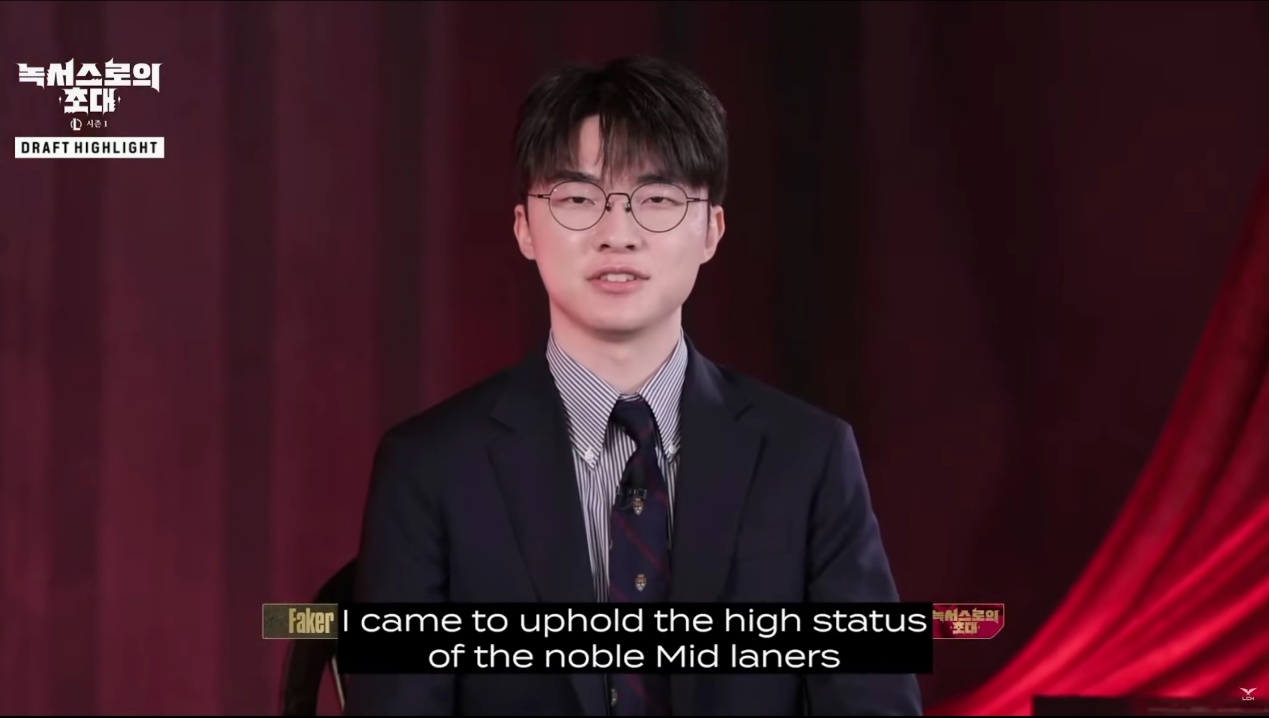
Therefore, in a way, this change weakens Faker and T1 while enhancing the real-time decision-making and judgment abilities of mid-to-lower tier teams.
What if LPL adopts the same rule?
So if this new mode can boost the capabilities of weaker teams, would it be beneficial for the LPL to introduce this rule? I personally think that introducing it in the LPL might not necessarily strengthen teams because the core issue is that there are too few good coaches in the LPL.
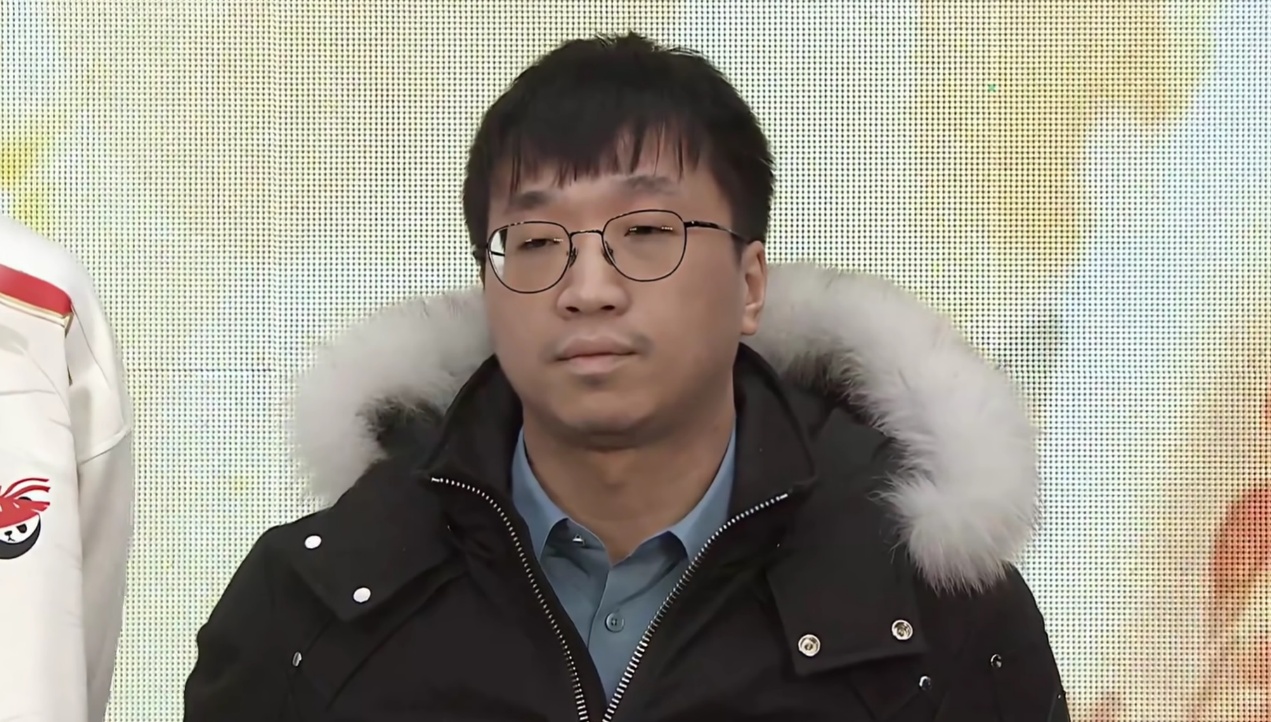
Moreover, there was a phenomenon in the LPL where coaches lacked authority. In other words, even if coaches gave instructions, players might not follow them as strictly as in the LCK, which has stronger execution.
Another crucial point is that many LPL teams have Korean coaches, who generally have higher abilities, but if Korean coaches need to communicate with the team via voice, a translator is required. Since the time is limited to 45 seconds, adding translation reduces the effectiveness.

Of course, there is also the option of having both the Korean coach and translator watch the players’ perspectives, with the coach conveying instructions to the translator, who then communicates with the team. If the LPL adopts this mode later, using a translator to deliver the coach’s messages would be the best choice.
In summary, the biggest effect of this rule is to improve match quality and reduce the chances of players making wrong decisions.

 Links
Links
 Contact
Address:UNIT 1804 SOUTH BANK TOWER, 55 UPPER GROUND,LONDON ENGLAND SE1 9E
Number:+85259695367
E-mali:[email protected]
 App
App


