



US media ranks the top 10 most overrated players currently: Anthony Davis tops the list, Brandon Ingram second, Alperen Sengun ninth, and Austin Reaves tenth.



On July 23, Beijing time, renowned US media Bleacher Report compiled a list of the 10 most overrated NBA players currently, with Anthony Davis leading the way.
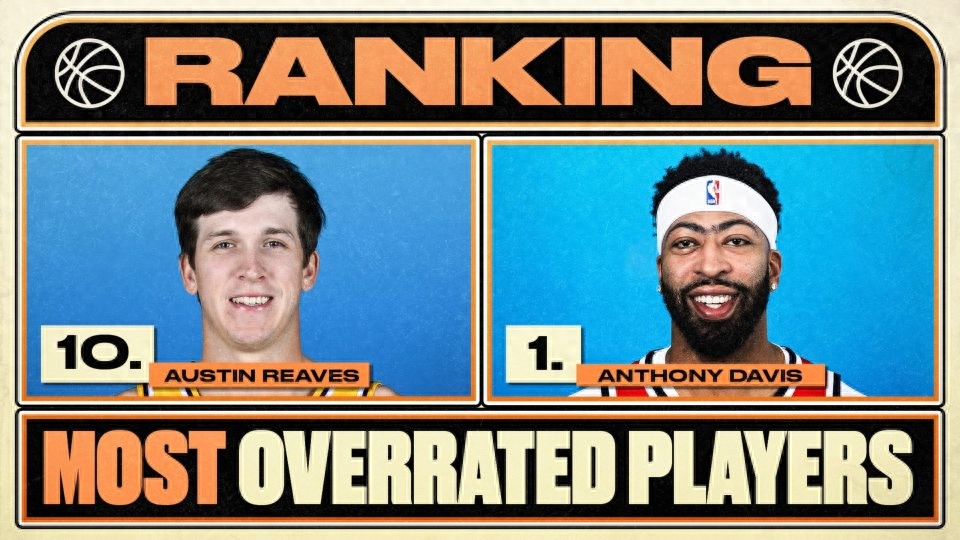
The outlet explained that the term "overrated" is a subjective and contentious label, often misinterpreted by the public. It is crucial to clarify from the start: being overrated by no means indicates a player is poor. This point needs constant reinforcement, even though many fans tend to ignore it. The mere fact that a player is discussed as overrated implies they have considerable talent and public attention. When the hype continues to build, and the expectations placed on them far exceed what their stats, on-court performance, and actual impact can support, that's when "overrated" comes into play.
Every player on the list is skilled, and most are already established stars. However, for these ten individuals, the gap between external expectations, salary, and public perception versus their actual on-court contributions is the most significant. Here is the countdown from ten to one——
No. 10, Austin Reaves | Lakers
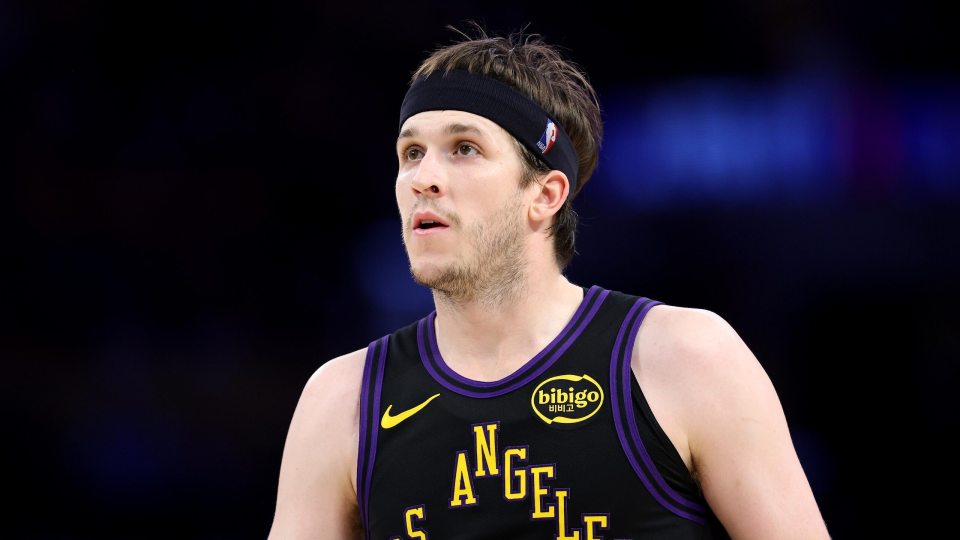
Let's get this straight first: Lakers fans will undoubtedly feel defensive seeing their homegrown star on this list. Naturally, they will point to Reaves' improving stats year after year to counter the claim.
But the opposing view is that Reaves now commands a star-level salary and is regarded by the public as a full-fledged star, yet his on-court output does not match that status.
At best, he is a good offensive player, paired with a disastrous defense, making him more suitable as a strong supporting piece rather than a franchise cornerstone. Looking for elite talent, the numbers don't back it up: over the past two seasons, he averaged 21.5 points and 5.7 assists, hitting 2.6 threes per game. Decent numbers, but far from spectacular. And as a one-dimensional player, his performance does not warrant a max-level contract.
Reaves' playoff performances have been wildly inconsistent. In his last two postseason appearances, his overall shooting percentage was just 40.9%, and his three-point percentage dropped to 29.3%. This raises doubts about whether he can reliably serve as the second option on a championship contender—exactly the role the Lakers, after exhausting their assets this summer, are counting on him to fill.
No. 9, Alperen Sengun | Rockets
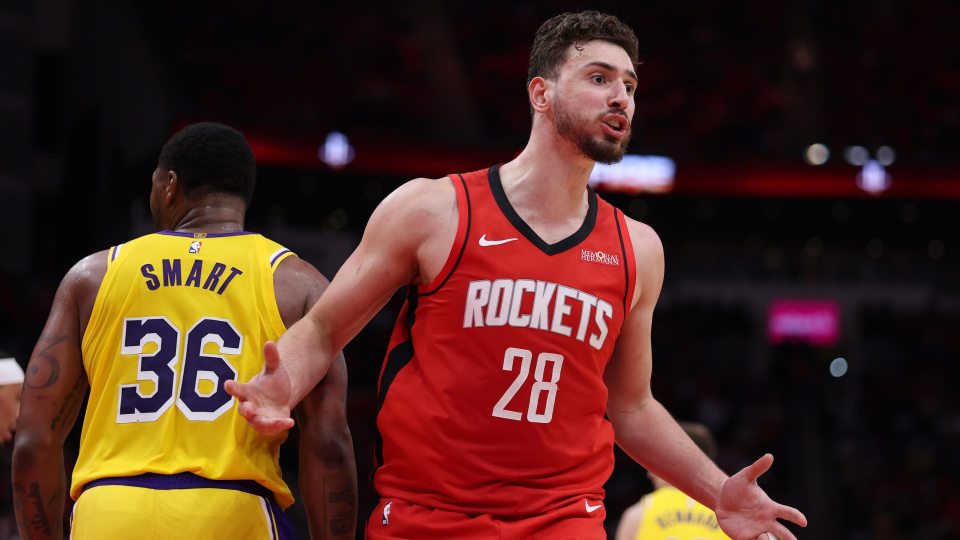
In the second half of this season, The Athletic conducted an anonymous player poll, and Sengun was voted by his peers as the most overrated player in the league. This list may not go that far, but he still makes the top ten: the praise and expectations he receives do not align with his actual on-court impact.
From a narrow perspective, Sengun looks impressive: 24 years old, two-time All-Star, well-rounded stats, and many even compare him to Nikola Jokic. But when you broaden the view, he has clear weaknesses like inconsistent efficiency and defensive shortcomings.
To fit his style of play as a big man, Sengun needs to be dominant offensively, but he hasn't achieved that, at least not to the level his accolades suggest. He averages 20.4 points per game, but his true shooting percentage is 56.9%, below the league average of 58.1%. He leads the team with 6.2 assists per game, but his assist-to-turnover ratio is below 2:1.
The Rockets have established him as their interior cornerstone. Maybe he will fulfill his potential in the future, but for now, he clearly hasn't met the mark. This season, the Rockets' net rating per 100 possessions was 5.7 points higher when Sengun was off the court. His estimated plus-minus is in the 79th percentile, which is good but not elite.
No. 8, De'Aaron Fox | Spurs
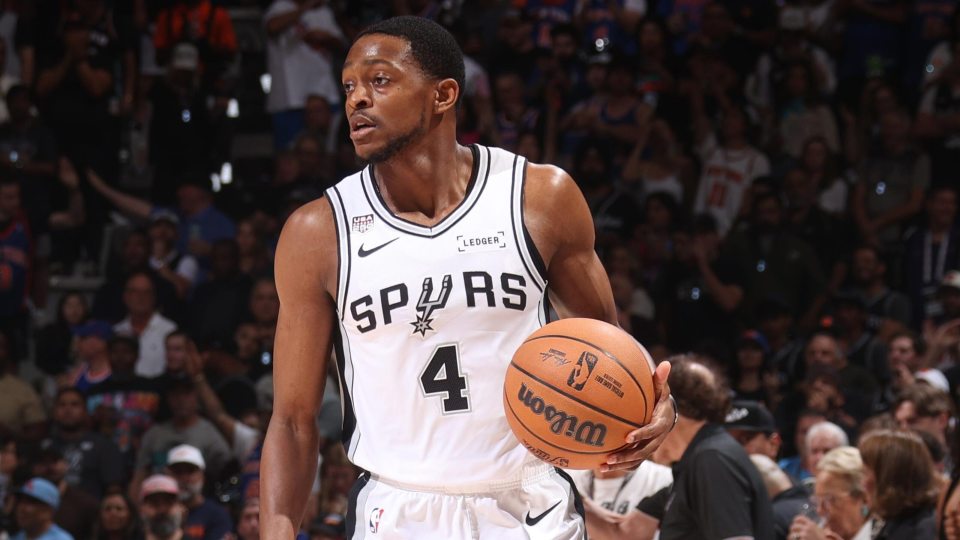
Fox is the highest-paid player on the Spurs, and by a significant margin over the second-highest. Part of the reason is that the other core players are still on cheap rookie contracts, but more importantly, the Spurs surprisingly gave Fox a four-year, $222 million extension last summer.
This contract will take effect starting in the 2026-27 season. Combined with Fox's poor performance in the Finals (averaging 12.8 points on 34.3% shooting), this deal now looks very risky. Objectively, even at the time of signing, the expenditure seemed overpriced, as if the Spurs were making a huge bet simply because most of their players were on cheap salaries.
Objectively, Fox has been named an All-Star twice, but both times as an injury replacement. He is extremely fast with the ball and can initiate offense, but his shooting consistency limits his scoring options, and he is not a top-tier creative floor general.
He once put up good numbers on a weak team, and now he is delivering steady performances on a strong team—this is exactly the typical profile of a fringe star. However, the way he is perceived and the salary he commands are clearly above that level. The Athletic's Jared Weiss noted that this big contract makes him "difficult to trade at this stage," and it might hinder the development of 2025 second overall pick Dylan Harper, who was arguably the second-best player on the Spurs during the Finals.
No. 7, Trae Young | Wizards
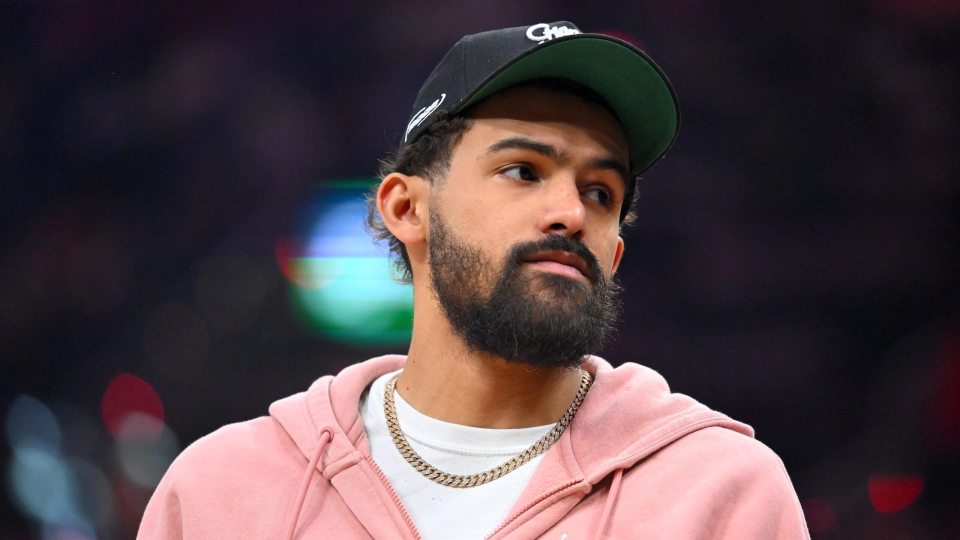
There was a time when people thought Trae Young would no longer appear on lists like this. Not because his skills had taken a leap, but because public perception of him had already declined.
However, the Wizards handed him a four-year, $212 million contract this offseason, instantly raising expectations again. Wizards general manager Will Dawkins publicly praised him as a top point guard in the league and made signing Trae Young the top priority of the offseason.
Trae Young is one of the best in the league at combining scoring and assists, but his strengths stop there. His scoring relies on a high volume of shots, and his career shooting splits of 43.3%/35.2%/87.2% are not elite. On the playmaking side, he has long been plagued by turnovers, averaging 4.2 per game. His physical limitations (6'1", 185 lbs) and lack of explosiveness create holes all over the court.
He uses a lot of possessions on offense, and his defense is easily targeted. To solidify his role as a core player, he needs to be dominant offensively. His shot volume looks impressive, but digging into the metrics reveals many question marks. For a four-time All-Star with a $212 million contract, these red flags are too many.
No. 6, Zion Williamson | Pelicans
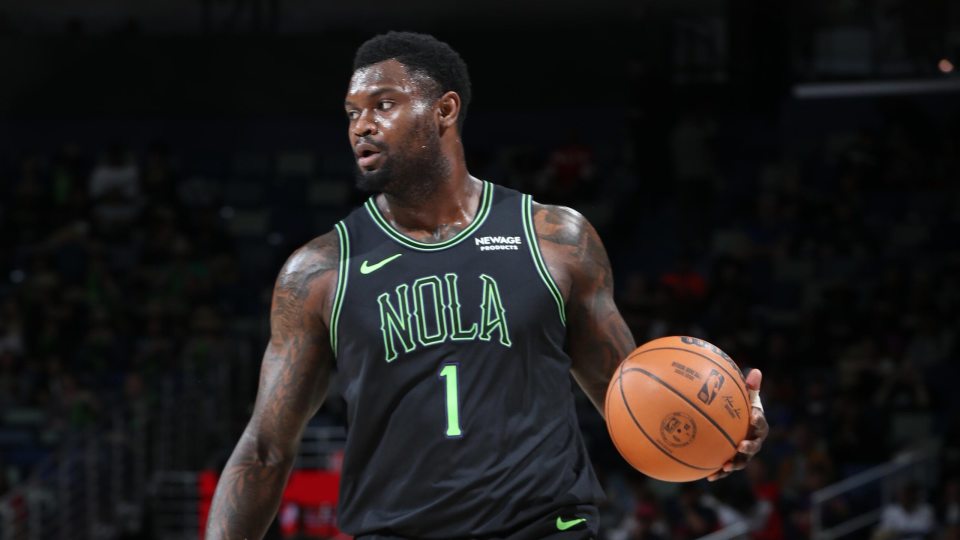
Year after year of injuries has eroded the initial high expectations for Zion. The 2019 No. 1 overall pick, everyone imagined how high his ceiling could be if this explosive forward could stay healthy.
Last season he played 62 games, the second-highest total of his career, but his overall performance was only mediocre. He put up decent individual stats: 21 points per game on 60% shooting, but he didn't truly change the game. His 5.7 rebounds per game were a career low, and his 3.2 assists were the lowest since his rookie season.
Measured by star standards, his performance is hardly impressive: his offensive and defensive contribution is ranked 30th in the league, and his estimated plus-minus is in the 79th percentile. Decent, but he cannot change a team's fortunes by himself, far from the earlier expectation that "if he stays healthy, he will soar."
He still earns a star's salary, and the Pelicans don't seem ready to give up on him. But it's worth noting that the team gave him the lowest usage rate of his career last season, perhaps indicating that the front office secretly doubts whether Zion's prime window has already quietly passed.
No. 5, Miles Bridges | Suns
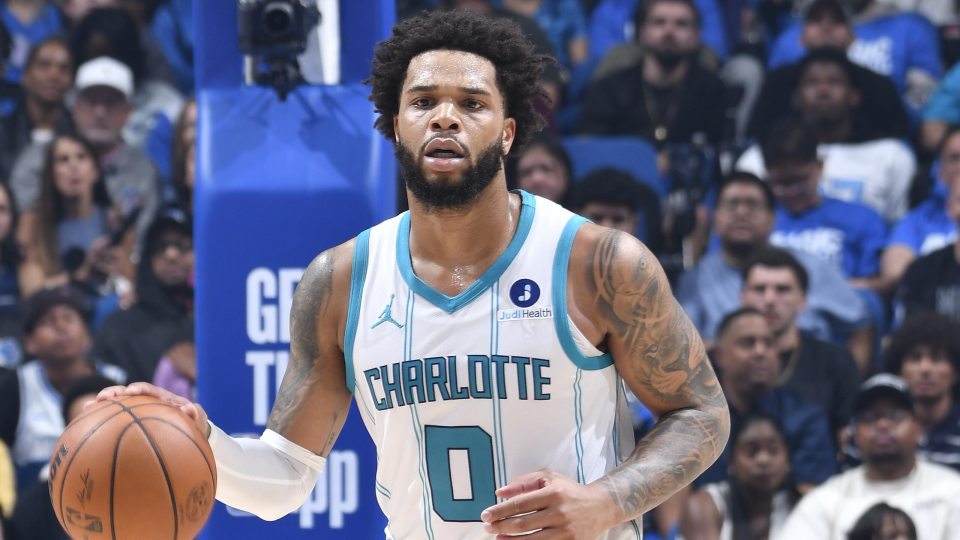
This pick will be controversial. Ordinary fans don't put Bridges on a high pedestal. But the Suns' unusual pursuit of him as a key acquisition target this summer shows that some insiders, especially those with a Michigan State background, still think highly of him.
The Suns gave up an unprotected future first-round pick (one of the most valuable assets in the trade market) to acquire Bridges, a 28-year-old who has never made an All-Star team and is on an expiring contract. According to HoopsHype's Michael Scotto, the Suns also plan to sign him to a long-term extension.
Even if casual fans don't hype Bridges, a team investing such valuable assets in a player with limited on-court impact is enough to put him in the top five of this list. No matter how the Suns spin this trade, Bridges has no unique traits: his jump shot is inconsistent, his playmaking is average, and his off-ball defense is lackadaisical.
His estimated plus-minus is in the 71st percentile, in the same range as role players like Cameron Payne and Chris Boucher. His career player efficiency rating is 15.5, just slightly above the league average of 15.0, and his career net rating is exactly zero. No one considers him a star, but the Suns seem determined to treat him as one.
No. 4, Jaren Jackson Jr. | Jazz
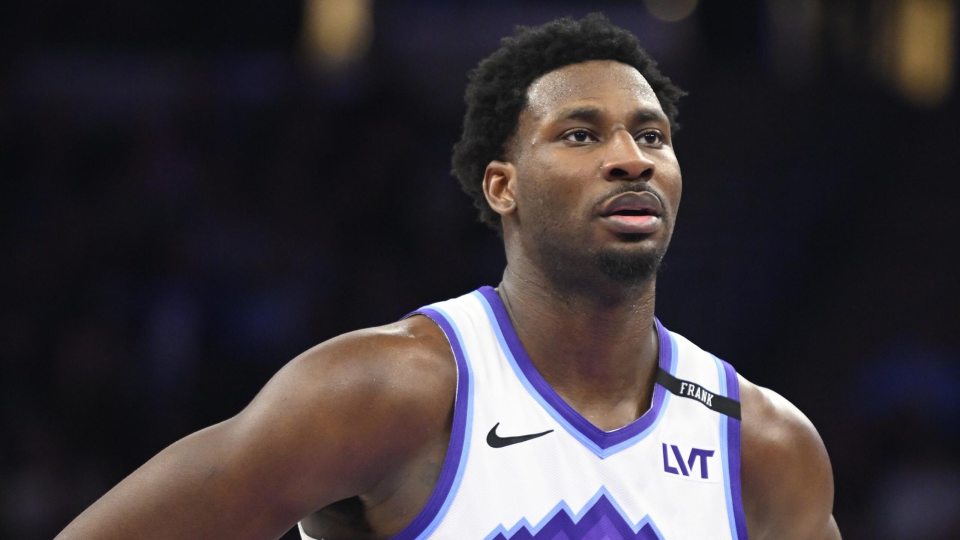
The analytics community has always been high on Jaren Jackson Jr. In an era where the league increasingly values data models, his defensive coverage due to his height, versatility, and outside shooting make for a very attractive skill set.
But does he live up to the hype? Some will answer yes without hesitation: 26 years old, three All-Defensive selections, two All-Star appearances, and the 2022-23 Defensive Player of the Year. Others, after looking at the numbers, find it hard to be fully convinced.
Averaging 18.6 points per game seems steady, but he cannot be the first option on offense. At 6'10" and 242 lbs, he can play the four or five, but his shooting splits of 46.7%/35.1%/79.3% are unremarkable. For a player of his height, averaging just 5.6 rebounds per game is disappointing. Moreover, he frequently gets into foul trouble (4.6 fouls per 36 minutes), which stands in stark contrast to his many defensive accolades.
Add to that his availability issues: in eight seasons, he has only played more than 70 games twice. Overall, he has not lived up to his reputation or salary value. The Jazz gave up three first-round picks to acquire him in February, and they will have to pay him over $200 million over the next four years.
No. 3, Paolo Banchero | Magic
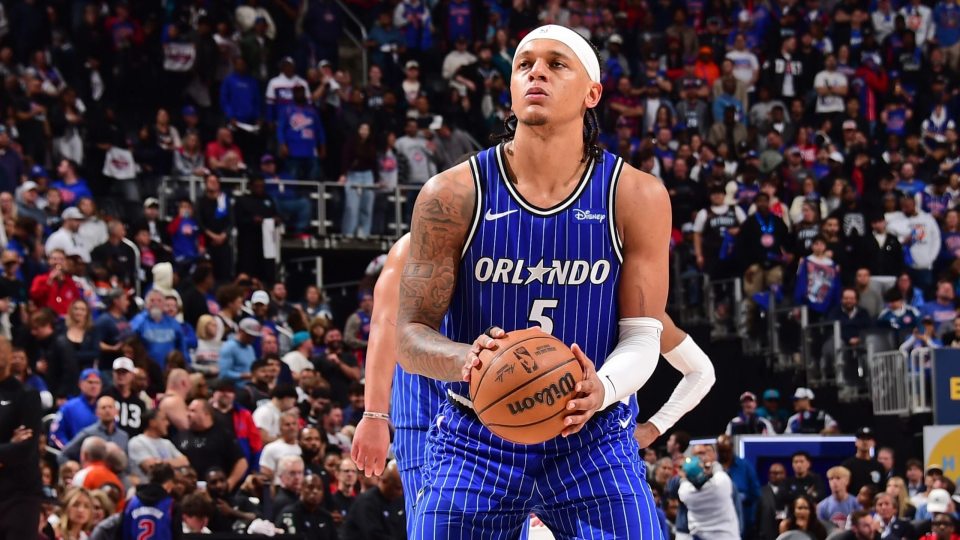
As someone who has long been bullish on Banchero, writing this evaluation is difficult. The vision everyone has for him is enticing: at 6'10", 250 lbs, he can be a versatile offensive focal point. But his actual on-court performance has consistently fallen short of the hype, and the gap is evident.
Part of the reason lies in his shot selection: he is too fond of mid-range jumpers, and hopefully new Magic coach Sean Sweeney can help him adjust. But more issues stem from poor skill refinement and low offensive efficiency. Since entering the league, among the 65 players with a usage rate above 25%, Banchero ranks 62nd in effective field goal percentage.
With a high usage rate, he averages 5.2 assists and 3.1 turnovers, which is not a favorable ratio. Despite taking many shots, his shooting splits of 45.9%/30.5%/77.5% are far from impressive. He has excellent physical tools, but his combined steals and blocks per game is only 1.3, indicating a lack of playmaking on defense.
The Magic have poured significant resources into him: the No. 1 pick in 2022, and a five-year max rookie extension last summer. Everyone wants to see concrete evidence that he is a game-changing superstar. The reality, however, is that in four seasons, the Magic have actually had a better record without Banchero on the court.
No. 2, Brandon Ingram | Raptors
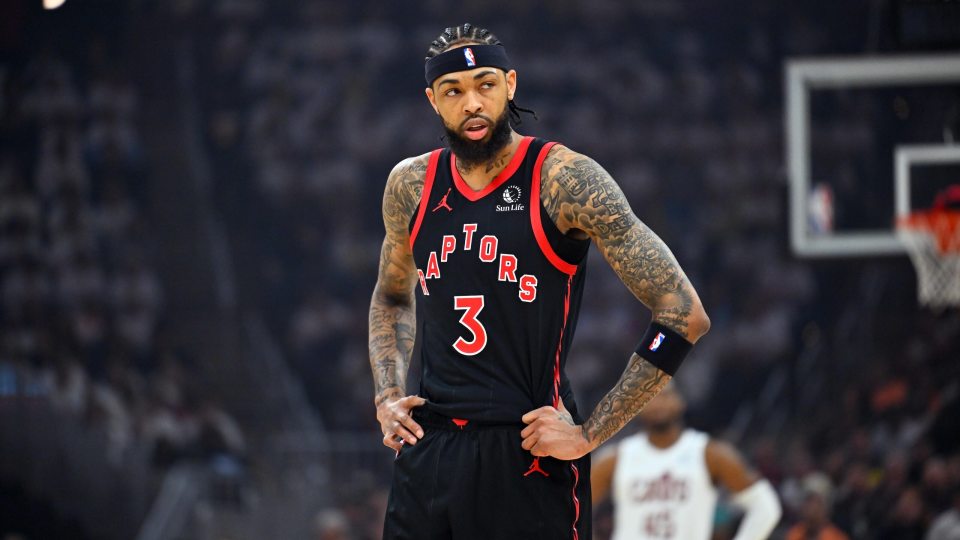
This selection may seem controversial, as fewer people now firmly label Ingram as a star. However, he made the All-Star team last season and was a key piece in the Raptors' blockbuster trade for Kawhi Leonard, which shows that many in the industry still believe in him.
It's easy to appreciate Ingram's scoring output, but basketball and advanced metrics go far beyond basic points. When you dig into the various indicators, his weaknesses start to emerge.
Another forward who prioritizes scoring and needs to optimize his shot distribution. Among the ten players on this list, Ingram has the worst estimated plus-minus at -0.9, in the same range as Kasparas Jakucionis, Clint Capela, and De'Andre Hunter. Among the 47 players averaging 20 points per game this season, he ranks 45th in offensive and defensive contribution, 45th in efficiency, and 36th in true shooting percentage.
Ingram always leaves people wanting more: more threes, more assists, more defense, more wins. But he will turn 29 this offseason, and his ceiling is essentially set, making a major leap unlikely.
No. 1, Anthony Davis | Wizards
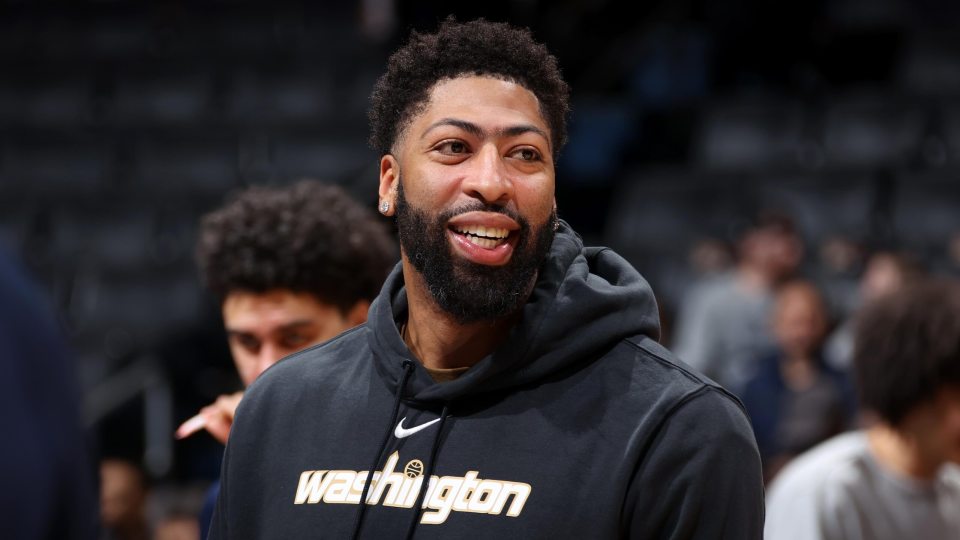
If he could stay healthy all the time, Davis might be the most talented player on this list. But health is precisely the one thing that cannot be guaranteed.
Availability issues have become the norm. Since the 2017-18 season, he has only played more than 62 games in a season once, and combined over the past two seasons, he has appeared in just 71 games.
But his salary doesn't shrink accordingly. Next season, he will earn $58.5 million, and the Wizards are planning to open extension talks with him. According to HoopsHype's Michael Scotto, as of August 6, the Wizards can offer him a four-year contract worth up to $275 million.
A younger, more durable Davis might deserve such a huge payday. But what about the 33-year-old now? His scoring is mostly confined to the paint, his block numbers are declining, his ability to attack the rim and draw fouls has decreased, and injuries continue to plague his availability. Over the past six years, he has made only one All-NBA team and one All-Defensive team.
The consistent dominance that once belonged to Davis is now a huge question mark. He occasionally plays at an elite level and gets plenty of exposure due to his fame. But the team's current expectation is just for him to play 50 regular-season games, and in the past six years, he has failed to reach that mark three times. Everything has long since changed.


Wonderfulshortvideo
Quick rewind ⏮️. Full recap. Here’s everything from tonight @OKC Thunder vs. @houstonrockets 🏀


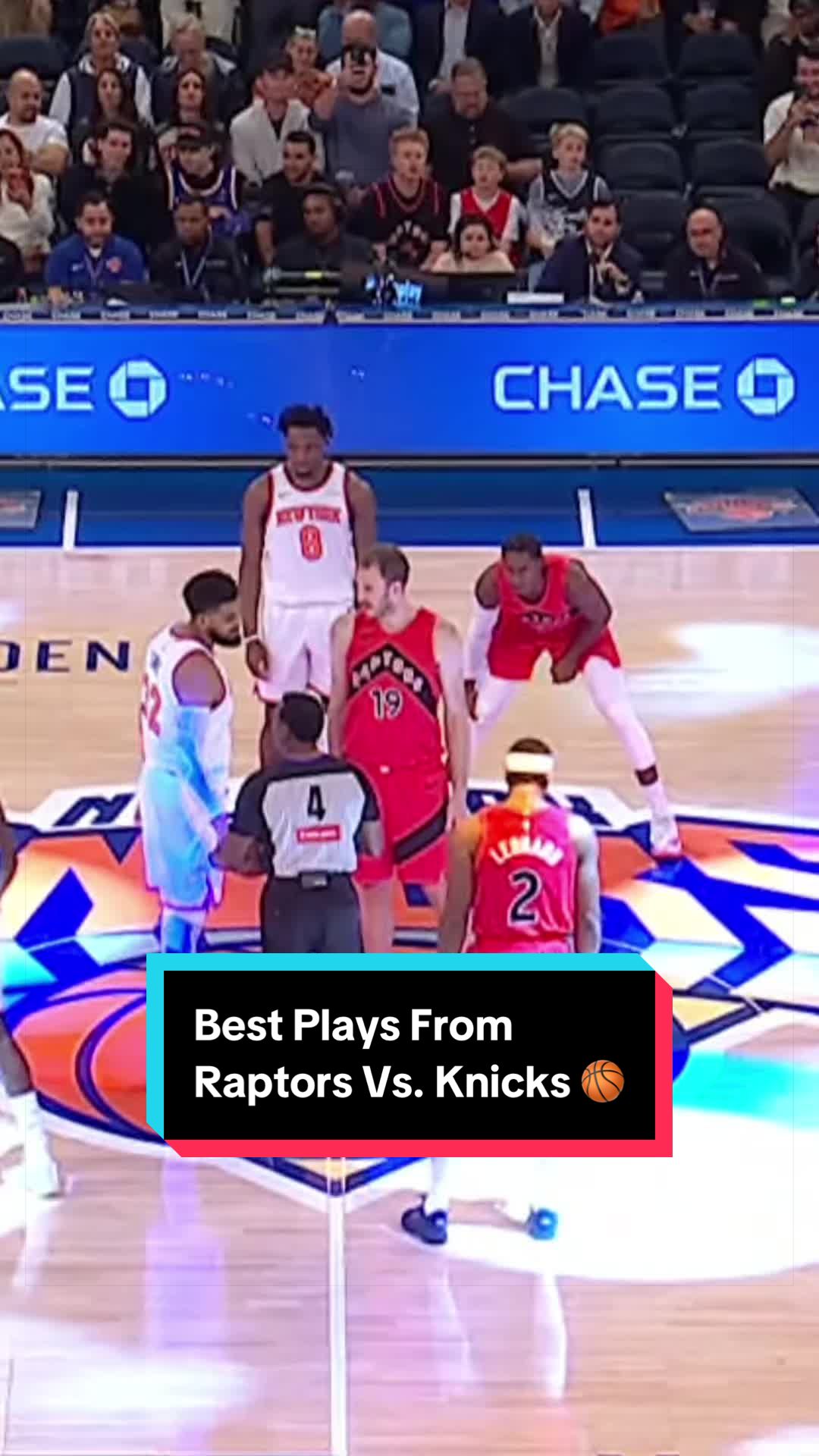
Quick rewind, full recap. Here’s everything from tonight’s @Raptors vs. @New York Knicks matchup ⏪🏀

Lakers Close Up: Building the Foundation
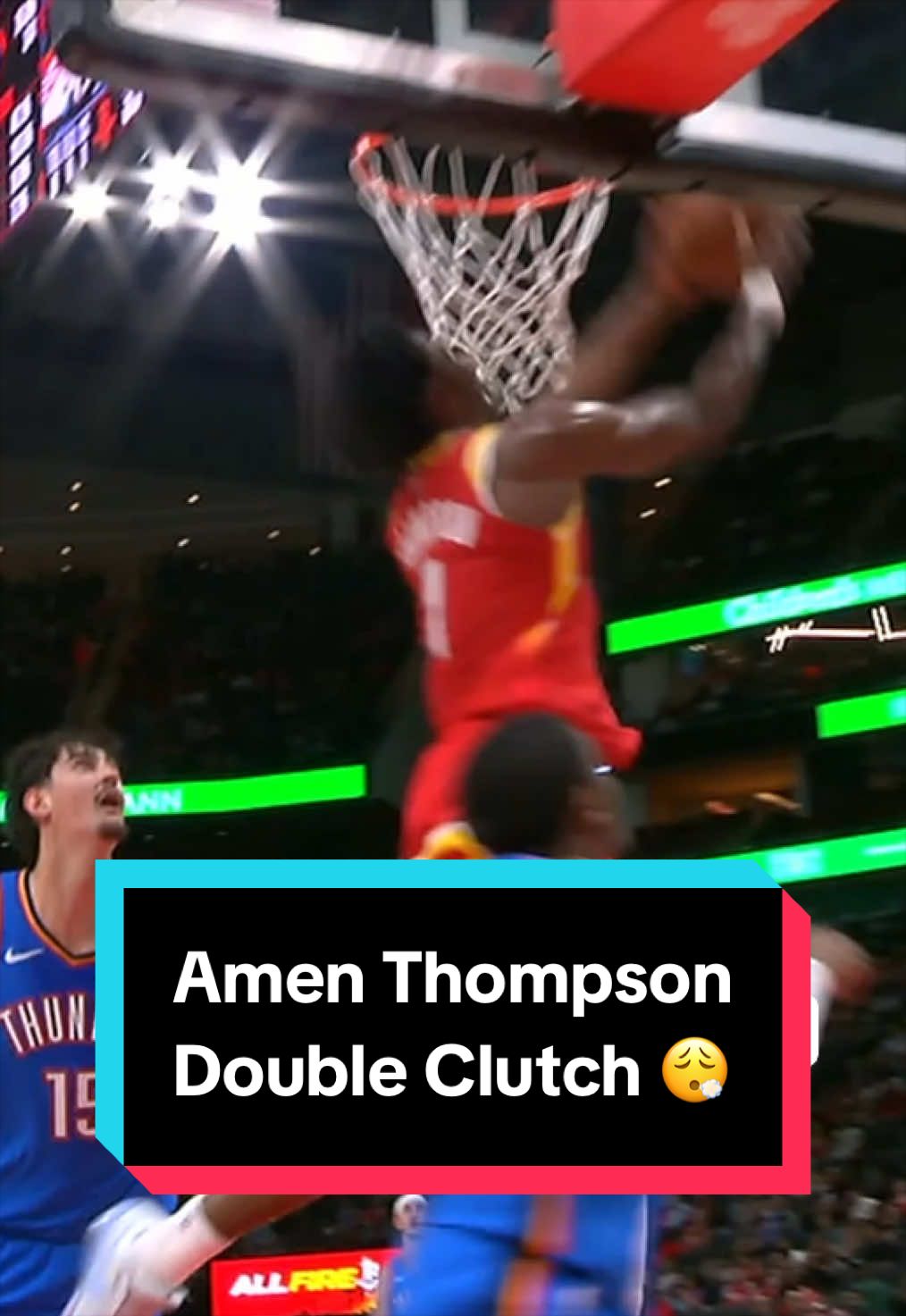
Amen Thompson getting UP 🤯
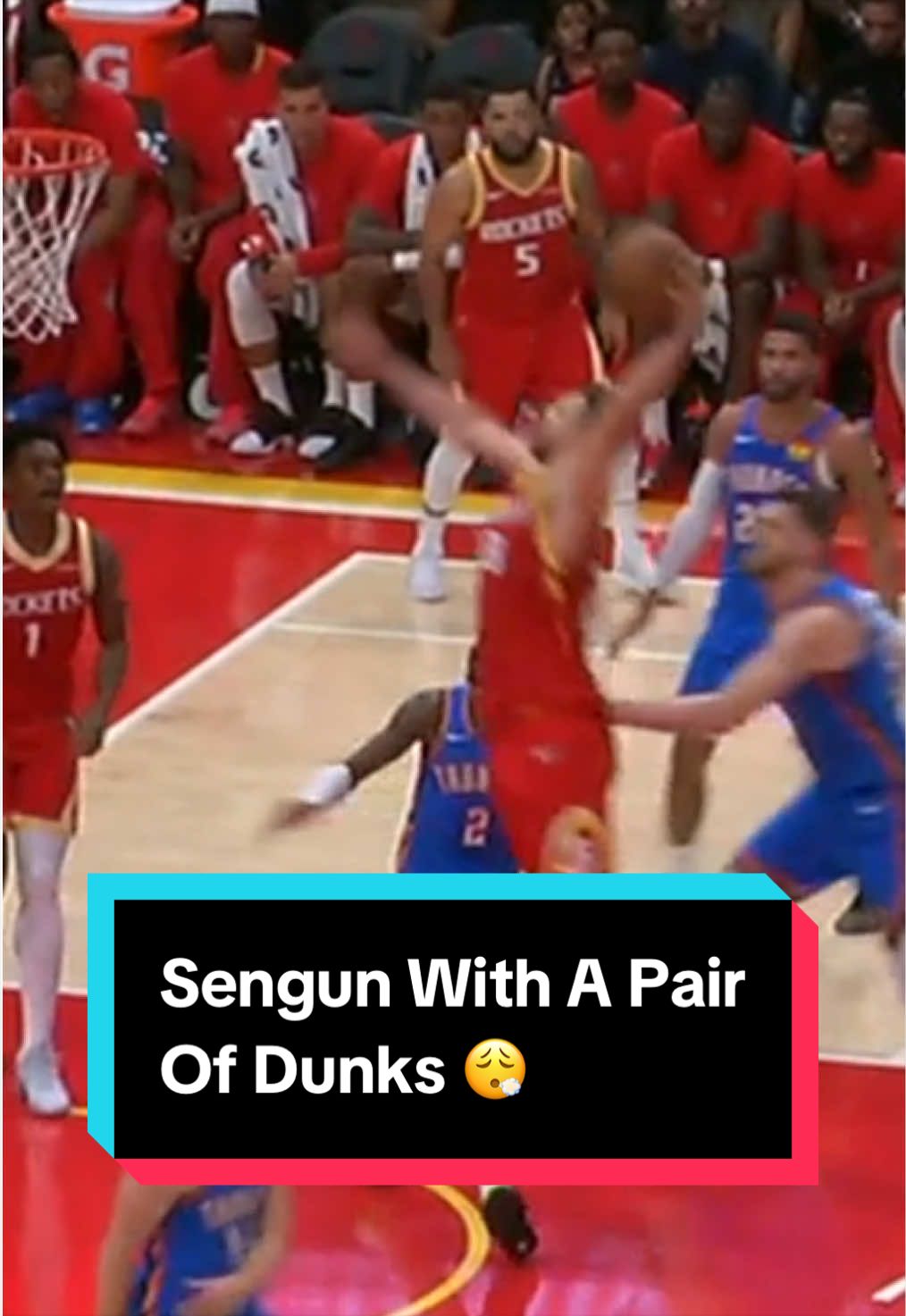
He was soaring 🤯
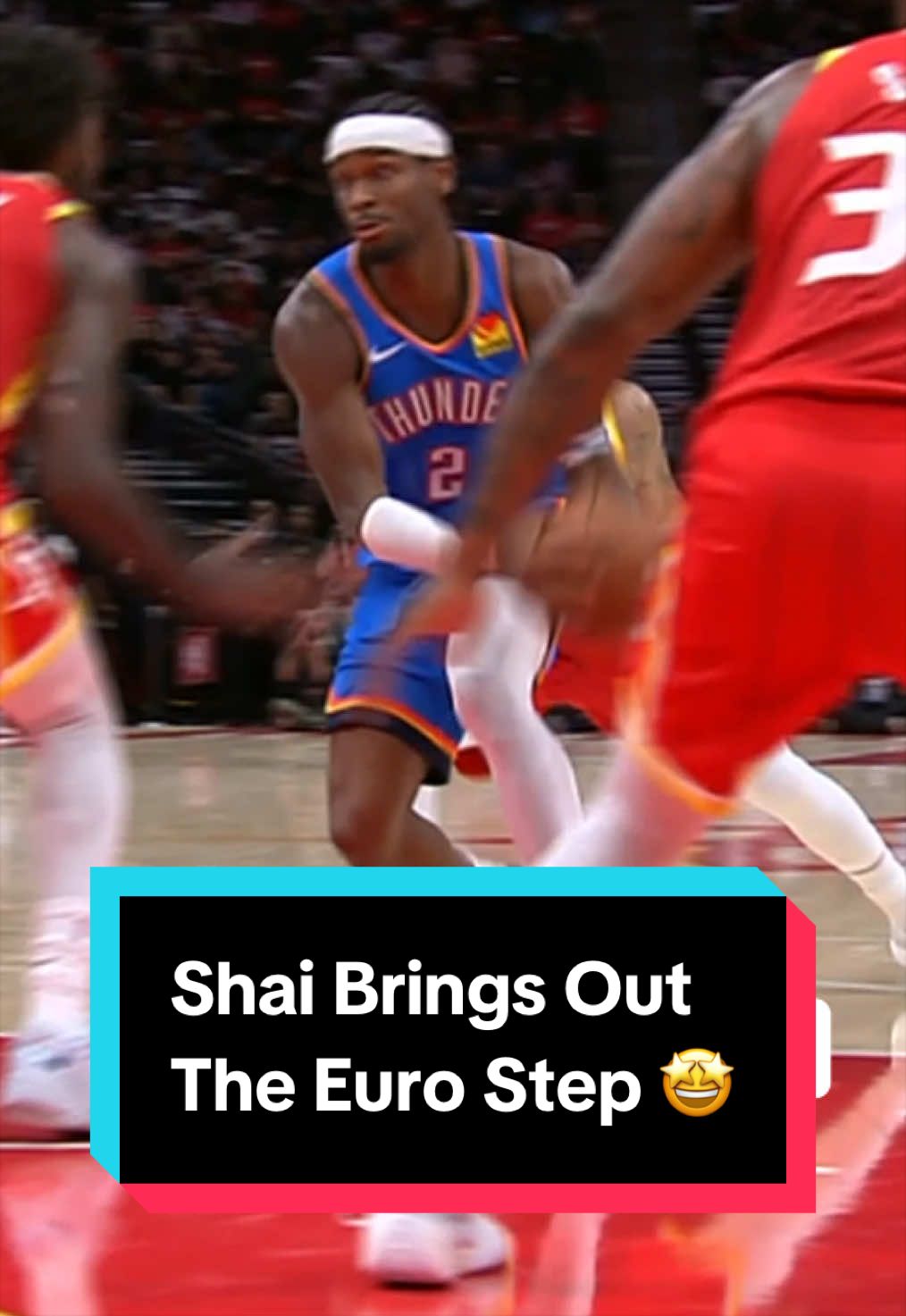
Shai weaving through the defense for the basket 🔥
“Just in case you forgot…”🔥😮💨
 Links
Links
 Contact
 App
App


