



At the 34th pick, they snagged a Summer League scoring champion.



Today, the NBA unveiled the All-Summer League First Team, featuring third overall pick Boozer, tenth pick Burris, eleventh pick Lundberg, fourth pick Wilson, and 34th pick Milik Thomas. All five are rookies from this year's draft, with Thomas being the sole second-round selection.
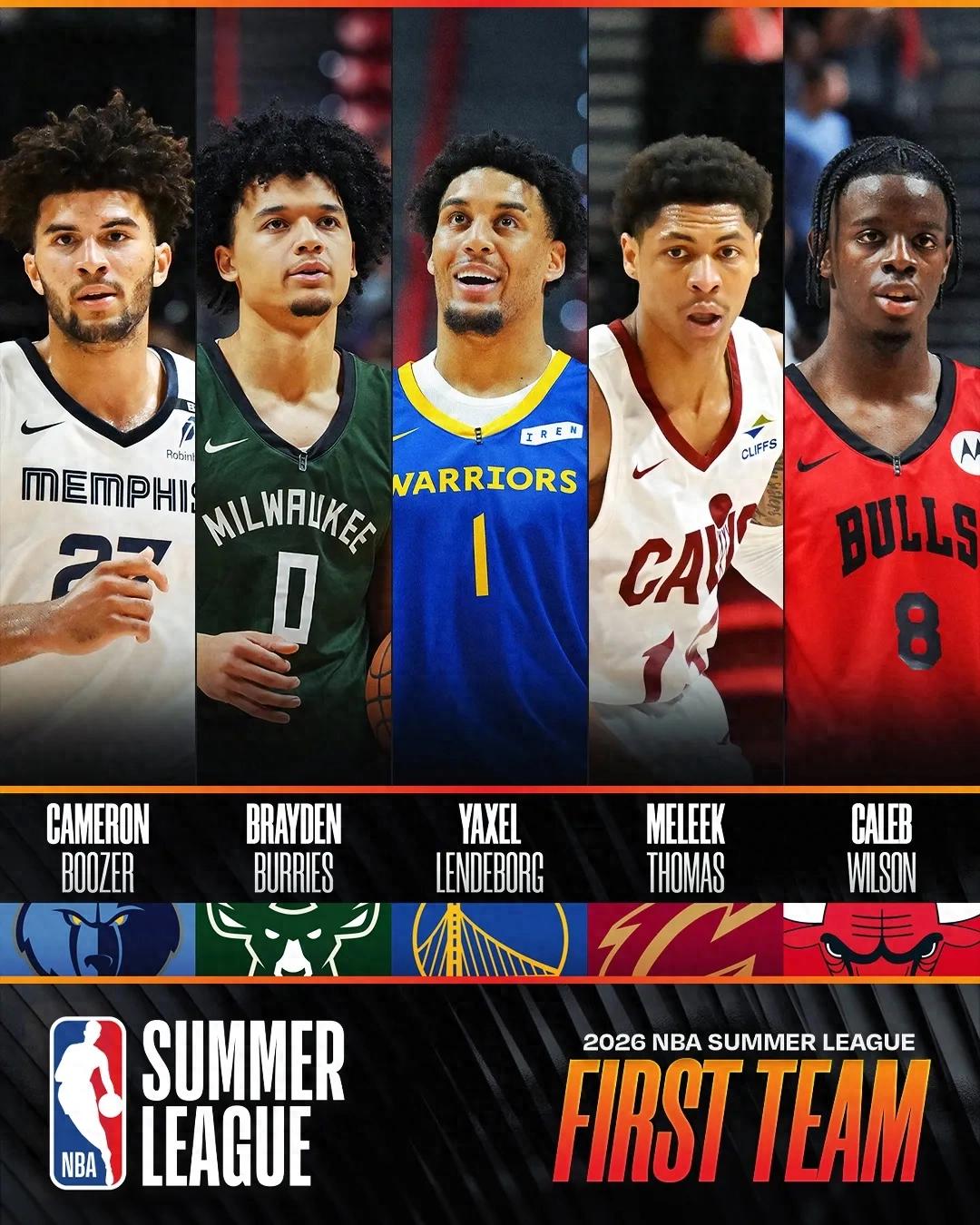
Thomas appeared in four games, posting averages of 27.3 points, 3.5 rebounds, 3.8 assists, 2 steals, and 0.3 blocks per game, while shooting 50% from the field, 43.8% from three, and 100% from the free-throw line. He not only led the Summer League in scoring but also boasted elite scoring efficiency. What makes his performance even more impressive is that his scoring outburst was no flash in the pan.
In his debut, he dropped 20 points, 5 rebounds, and 3 assists. In his second game, he erupted for 30 points, 4 rebounds, 7 assists, and 4 steals. After such a display, he naturally became a prime focus for opposing coaches in subsequent games. Yet, in the very next back-to-back contest, he lit up the scoreboard again with 35 points, 3 rebounds, and 3 assists, maintaining remarkable efficiency.
The last "Thomas" to dominate the Summer League was Cameron Thomas, who previously played for the Nets and Bucks but is now unsigned this summer. Milik Thomas, however, is a completely different player. Cameron is a pure isolation scorer with a somewhat aloof personality, while Milik can play both with and without the ball, shares the ball well, and posted a 2.5 assist-to-turnover ratio in college.
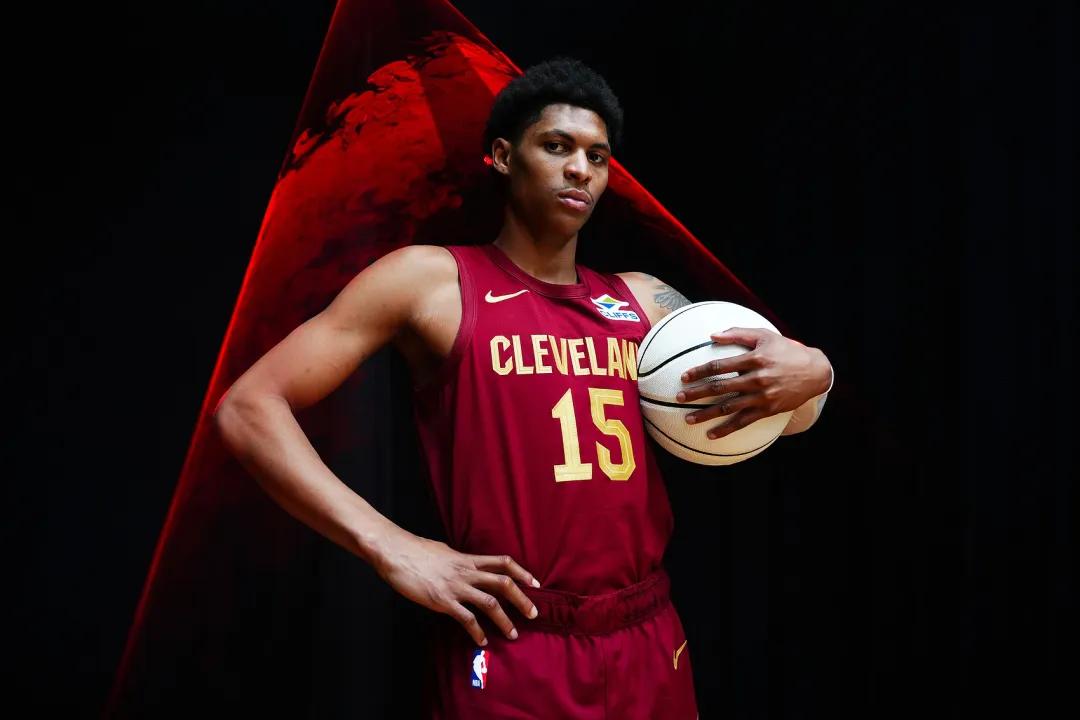
The most memorable video I’ve seen of Thomas shows an opponent trash-talking him: "You're just a bust four-star high schooler!" Thomas calmly replied, "I got 5 (sorry, buddy, I'm a five-star)." He is a player brimming with self-confidence, as evidenced by his decision to skip a grade in high school and declare for the draft after just one year of college.
During his junior year of high school, Thomas averaged 22.7 points, 10.4 rebounds, 5.5 assists, and 3.2 steals, dominating both ends of the floor. He was rated a five-star recruit and ranked as the third-best point guard in the nation, behind only this year’s seventh pick, Akaf.
After his junior year, Thomas chose not to play a senior season and instead entered the OTE League, the same one the Thompson twins participated in. After finishing in the OTE, he moved on to college, joining the University of Arkansas alongside Akaf. In hindsight, this decision turned out to be less than ideal.
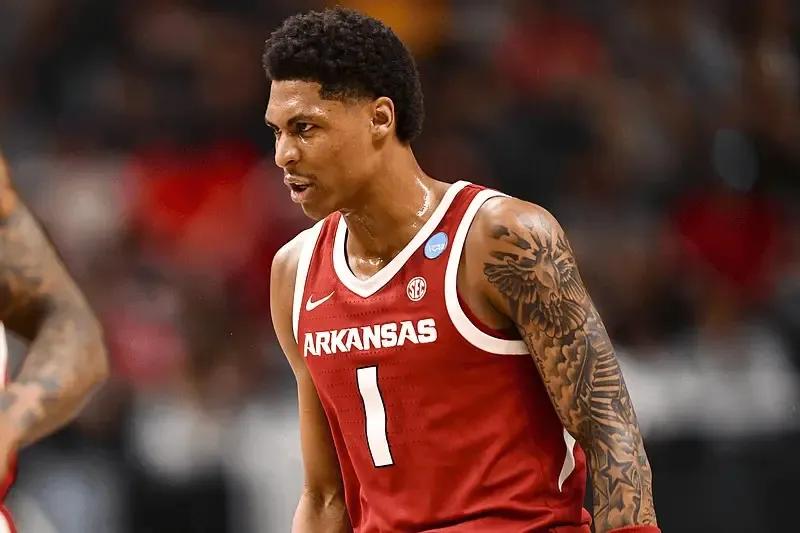
Both were elite young guards nationally, but Akaf received more favor from the coaching staff. Thomas even came off the bench in 11 of his first 13 games. It wasn’t until he improved his consistency that he gradually earned a spot in the main rotation and began to build his reputation.
Over the full season, Thomas averaged 15.6 points, 3.8 rebounds, 2.5 assists, 1.5 steals, 0.2 blocks, and 1 turnover, shooting 43.5% from the field, 41.6% from three, and 84.3% from the free-throw line. He maintained a three-point percentage above 40% for nearly the entire season, showcasing his excellent floor-spacing ability.
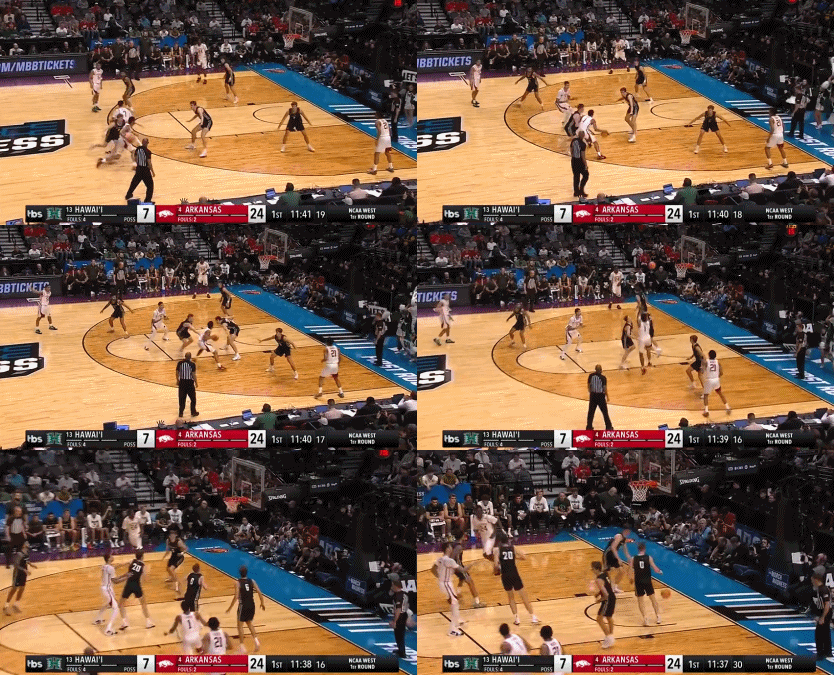
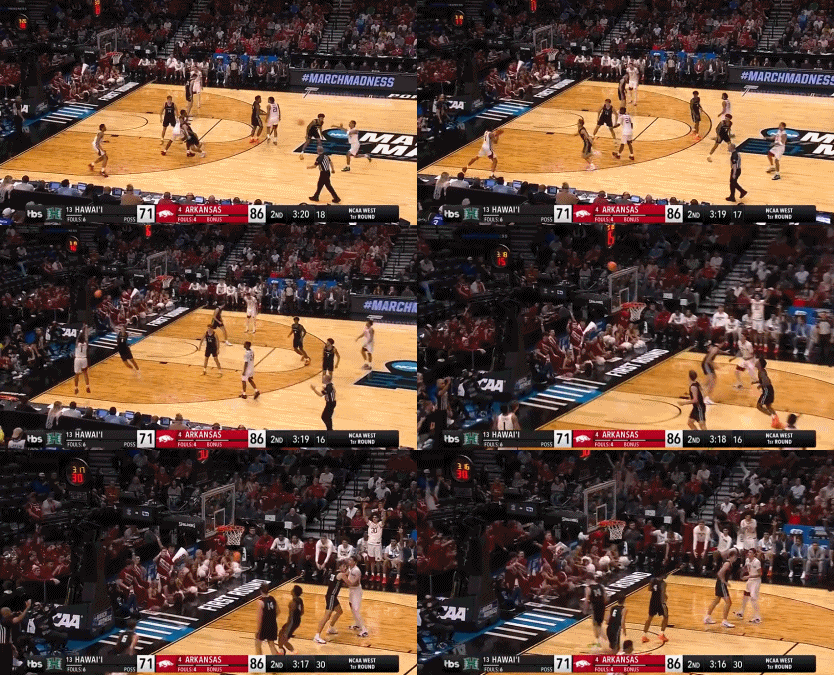
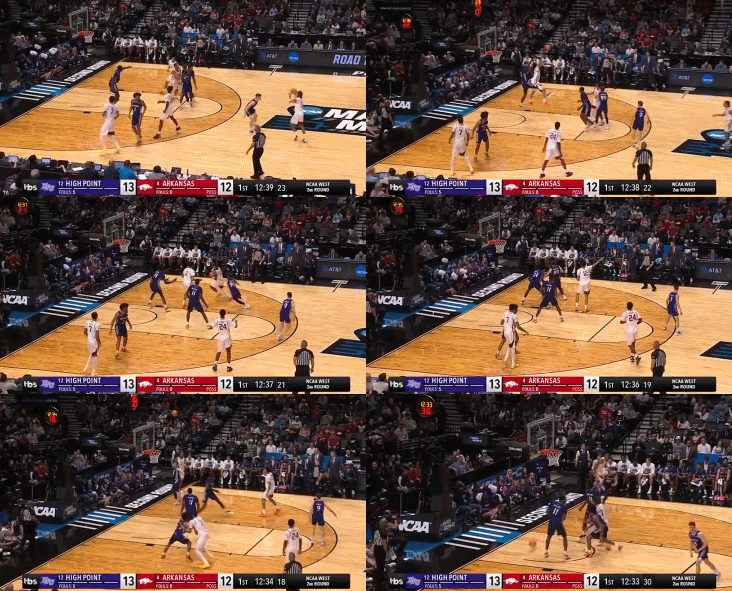
His shooting became his biggest selling point. According to data, his catch-and-shoot efficiency ranked higher than 69% of players, and his off-the-dribble jump shot efficiency surpassed 86% of players. With Akaf dominating the ball, Thomas demonstrated his value off the ball. Transitioning from a ball-dominant lead guard to a versatile shooter who excels without the ball, Thomas adapted to this shift in just over a dozen games.
However, his draft stock was far from ideal, hovering around the late first round before he ultimately fell to the 34th pick in the second round. Thomas has a barefoot height of 1.91 meters, weighs 86 kilograms, and boasts a 2-meter wingspan. His player comps are sixth-man scorers like Jordan Clarkson and Anfernee Simons.
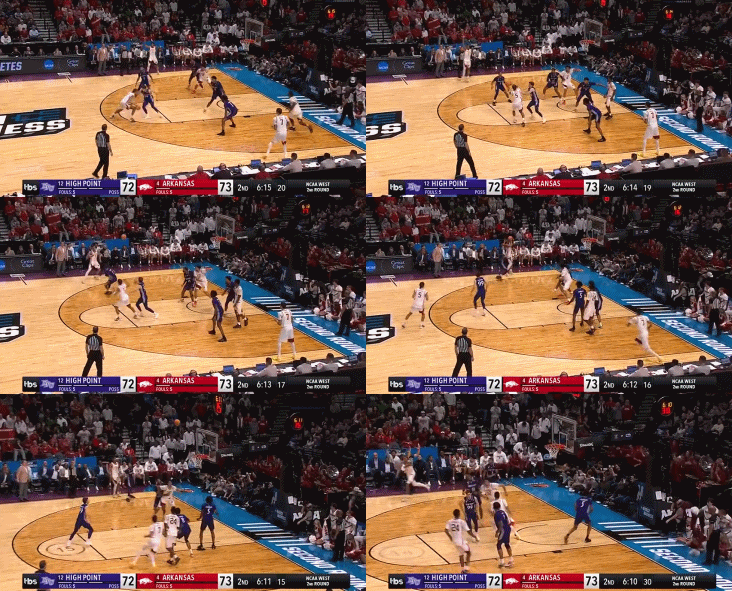
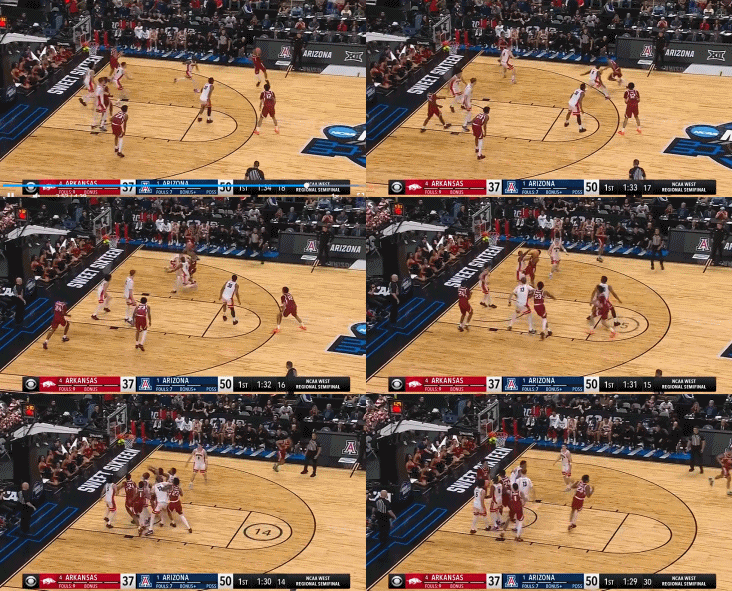
He is a natural scorer with elite shooting ability, capable of putting up points from anywhere on the floor. He has a lightning-quick release and excels in both speed and change of pace. He can operate in pick-and-roll situations, create opportunities off screens and movement without the ball, and use his long arms to disrupt opponents and generate steals on defense, displaying good defensive effort.
His weakness lies in a lack of sufficient physical strength, which leads to lower efficiency around the rim. Offensively, he can be a streak-shooter type who tends to get hot-headed and loses composure at times.
Declaring for the draft this year wasn't the best move for Thomas, as his highest projected pick was around 20. Many believed that if he had stayed another year at Arkansas, assuming Akaf would leave and Thomas would have the ball in his hands more, he would have easily been a lottery pick next year.
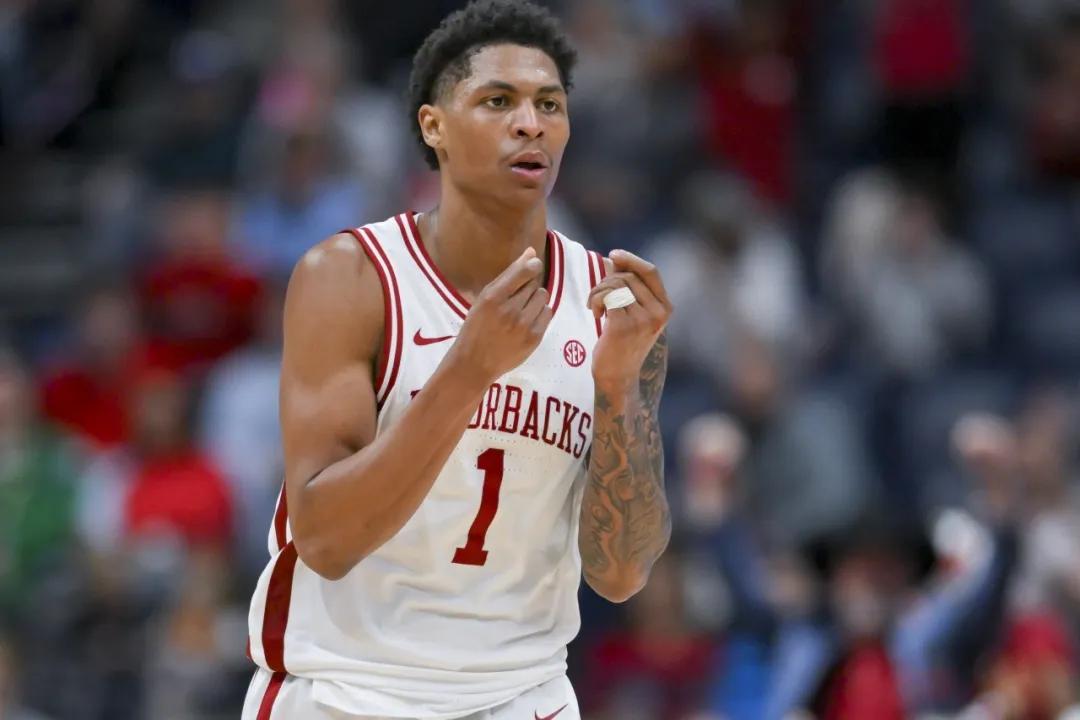
Nevertheless, Thomas chose to enter the draft this year because he believes he can succeed regardless of his draft position or the team he lands on. He was fortunate to be selected by the Cavaliers, who lacked bench scoring last season. Cleveland offered him a standard four-year, $9.3 million second-round contract, with the first three years fully guaranteed—a rarity for a second-round pick.
If we’re talking about financial gain, he would have earned more by staying in college for another year. But Thomas simply believes he is as good as anyone else and that he’s ready to take on the NBA. He then went on to become the Summer League scoring champion as a second-round pick.
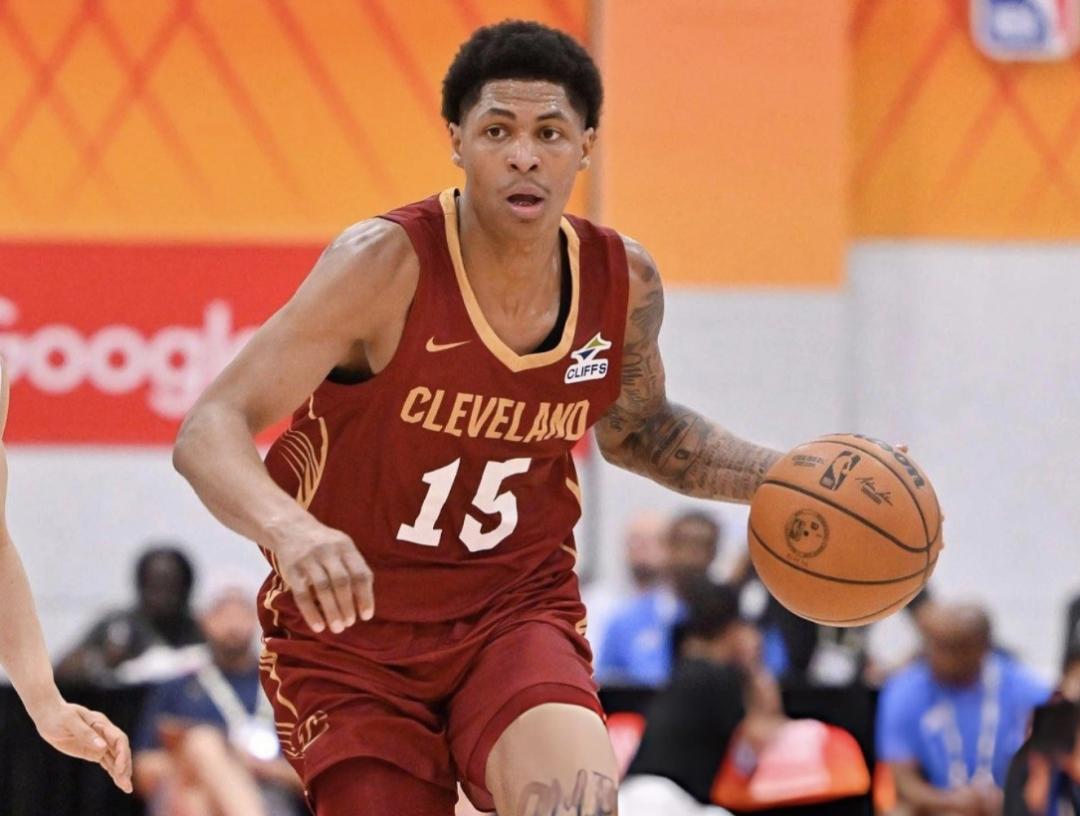
Summer League doesn’t mean everything, but the Cavaliers’ 34th pick has already proven to be a tremendous value.


Wonderfulshortvideo
Quick rewind ⏮️. Full recap. Here’s everything from tonight @OKC Thunder vs. @houstonrockets 🏀


Quick rewind, full recap. Here’s everything from tonight’s @Raptors vs. @New York Knicks matchup ⏪🏀

Lakers Close Up: Building the Foundation
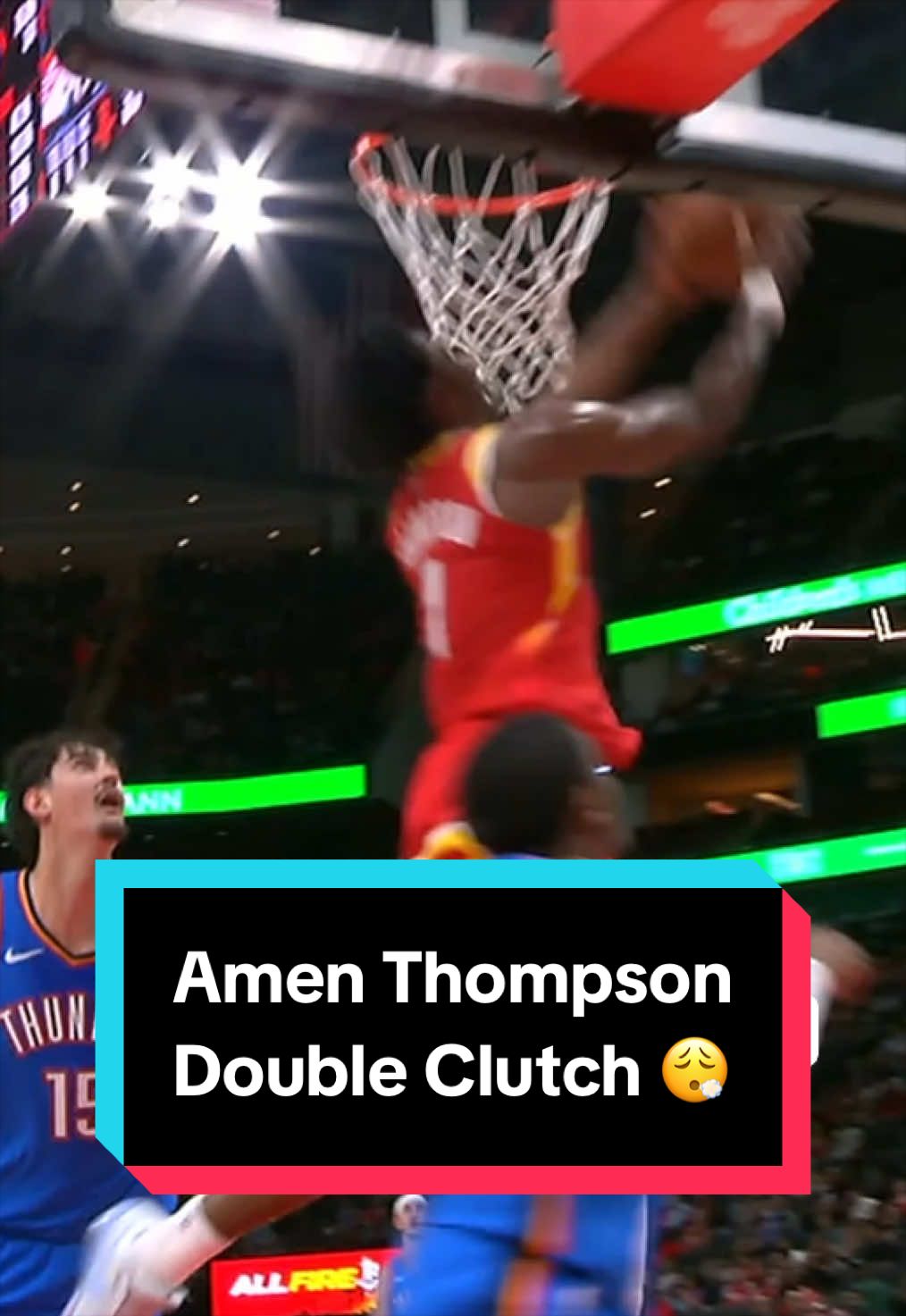
Amen Thompson getting UP 🤯
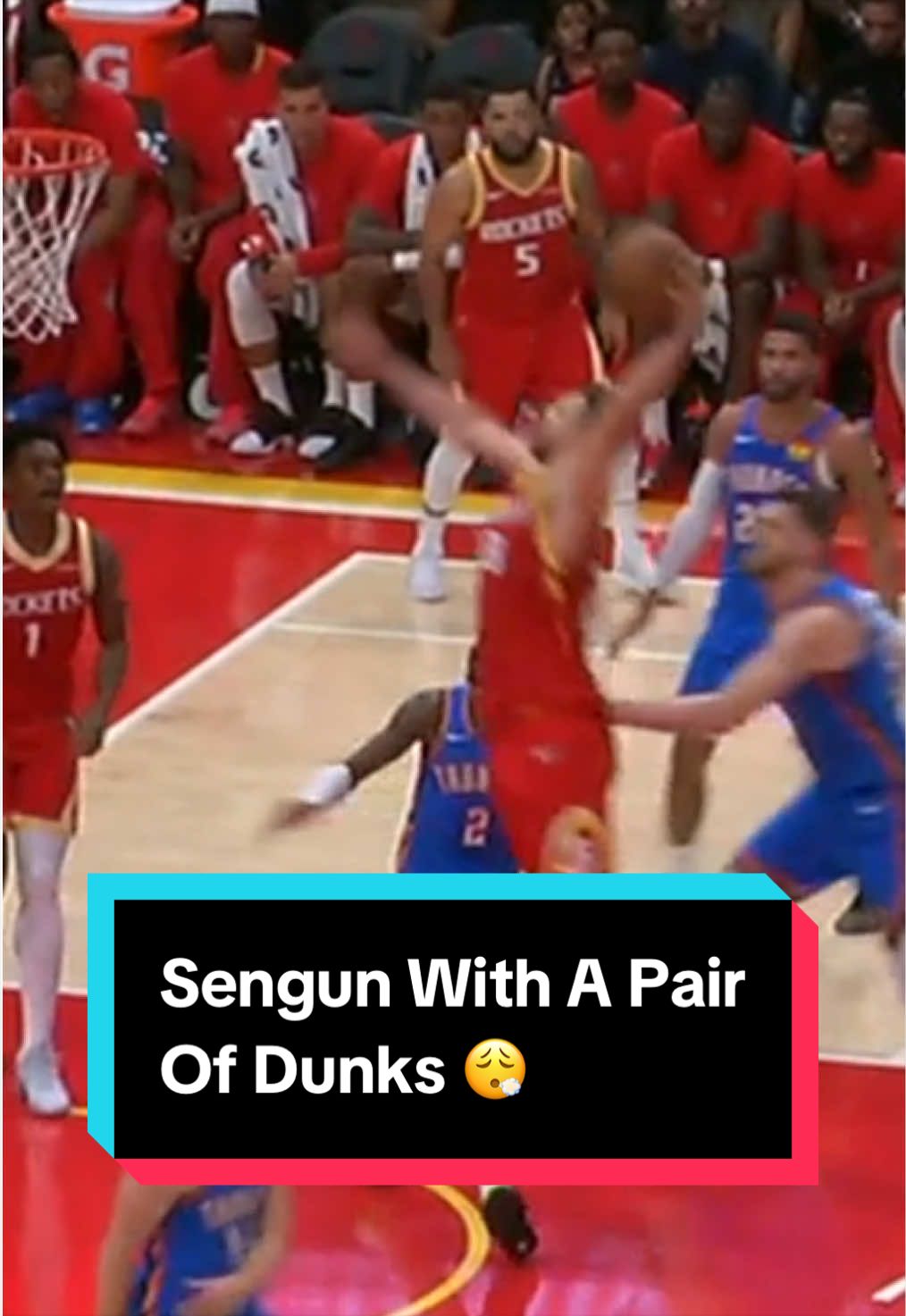
He was soaring 🤯
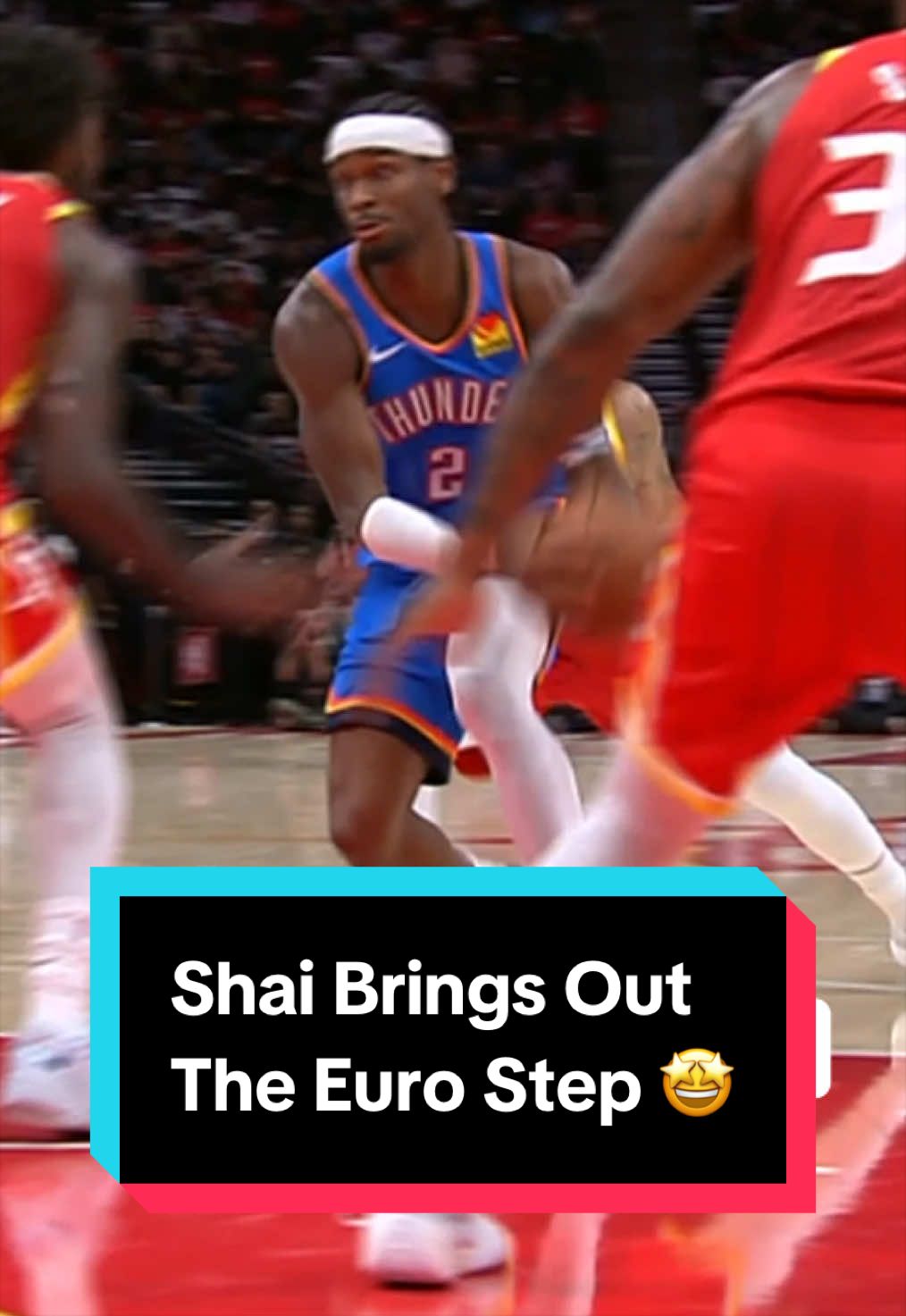
Shai weaving through the defense for the basket 🔥
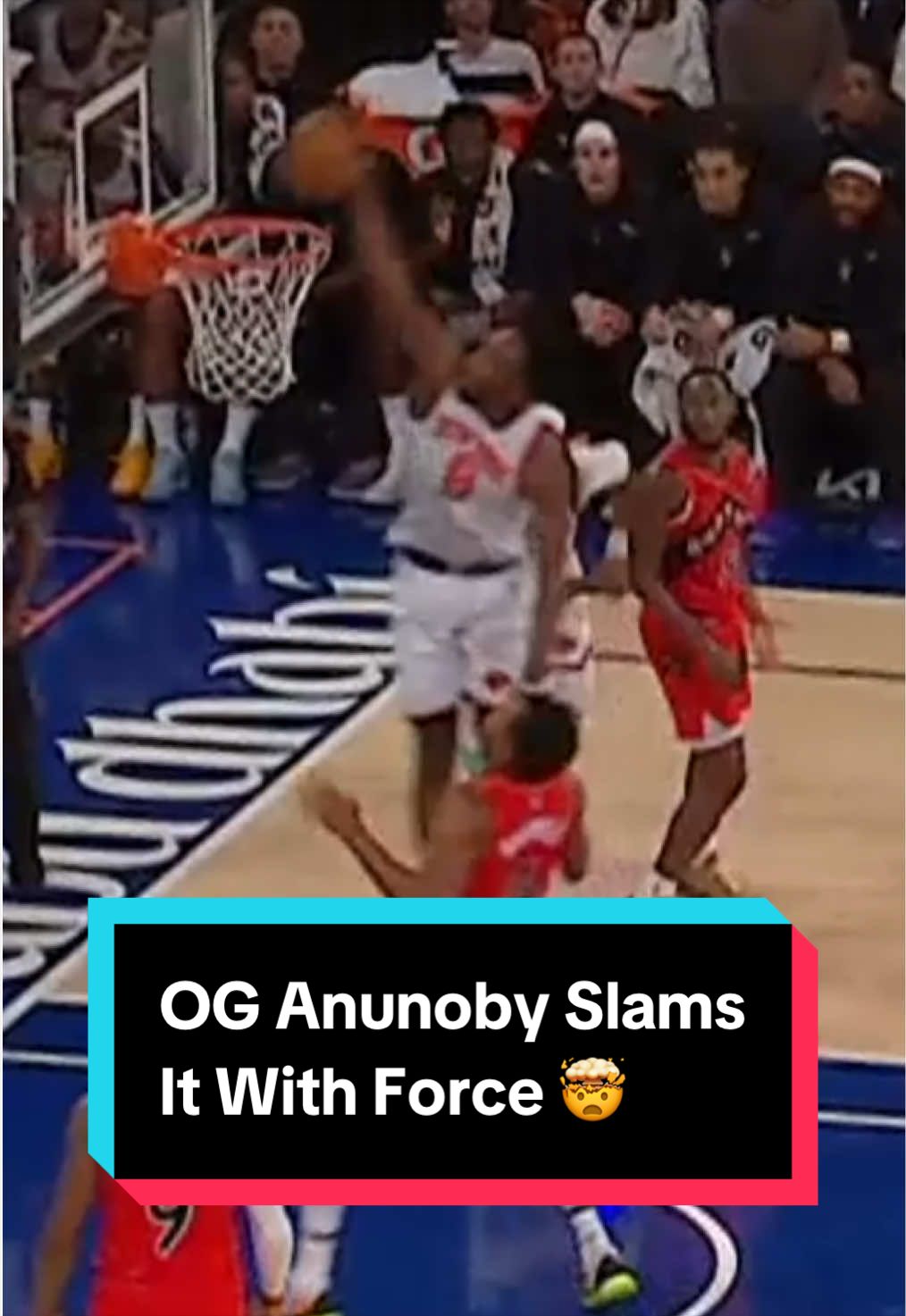
“Just in case you forgot…”🔥😮💨
 Links
Links
 Contact
 App
App


