



The Warriors have struck gold! A rookie MVP, who is actually seven days older than Kuminga!



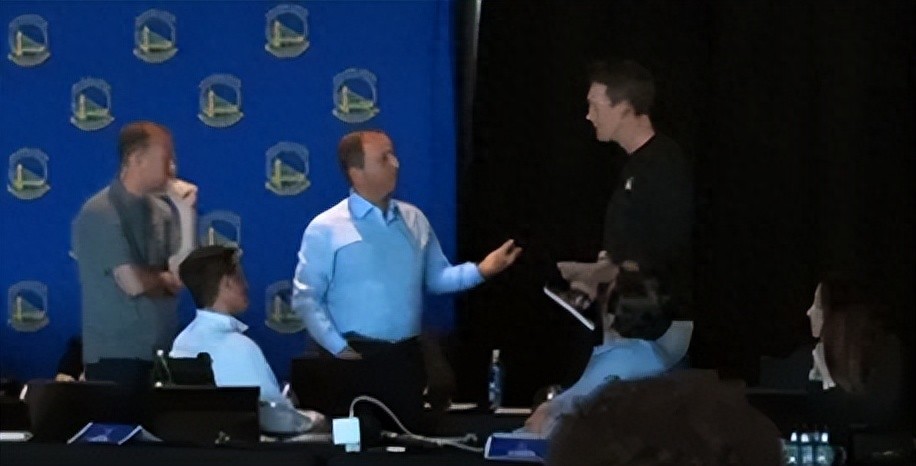
Remember on this year's NBA draft night, inside the Warriors' war room holding the 11th pick, owner Lacob and GM Dunleavy got into a heated argument over the selection.
Dunleavy insisted on picking a ready-to-contribute player.
After all, Curry isn't getting any younger, and the team needs someone mature enough to step into the rotation immediately and help him.
The owner, however, favored a younger prospect with more upside, building for the future.
He had a history of meddling in drafts before—pushing for Wiseman with the second pick in 2020 and insisting on Kuminga in 2021, both overruling the GM's wishes.
This time, after their dispute, they eventually settled on an older prospect: Axel Lundberg from the University of Michigan.
This guy was a die-hard Kyrie Irving fan back in 2016 and really disliked Curry back then.
Now he's become Curry's teammate...
From NJCAA community college to UAB, and then to the traditional powerhouse Michigan, Lundberg had a highly unusual six-year college basketball journey.
That's why one of his biggest labels is "old"—by the time the new season officially starts, he'll be 24 years old.
Strangely enough, Lundberg is actually seven days older than the Warriors' former crown prince, Kuminga, who has already played five NBA seasons.
But Dunleavy said, "It's fine, he's not 38..."
As Michigan's undisputed leader, Lundberg led the team to an NCAA championship, boasting a resume full of clutch performances and far more big-game experience than any other rookie in his class.
That's why he's regarded as the highest-quality, safest, and highest-floor older rookie in this year's draft.
He doesn't have explosive athleticism or elite self-creation ability, so he can't be a franchise cornerstone.
But he's exactly the kind of perfect role player every contending team dreams of.
Standing at 6'9" with a 7'4" wingspan, solid physicality, a consistent 37%+ three-point shot, elite off-ball instincts, and polished high-post playmaking, he fits perfectly into a five-out offense.
The recently concluded Summer League proved Lundberg's qualities.
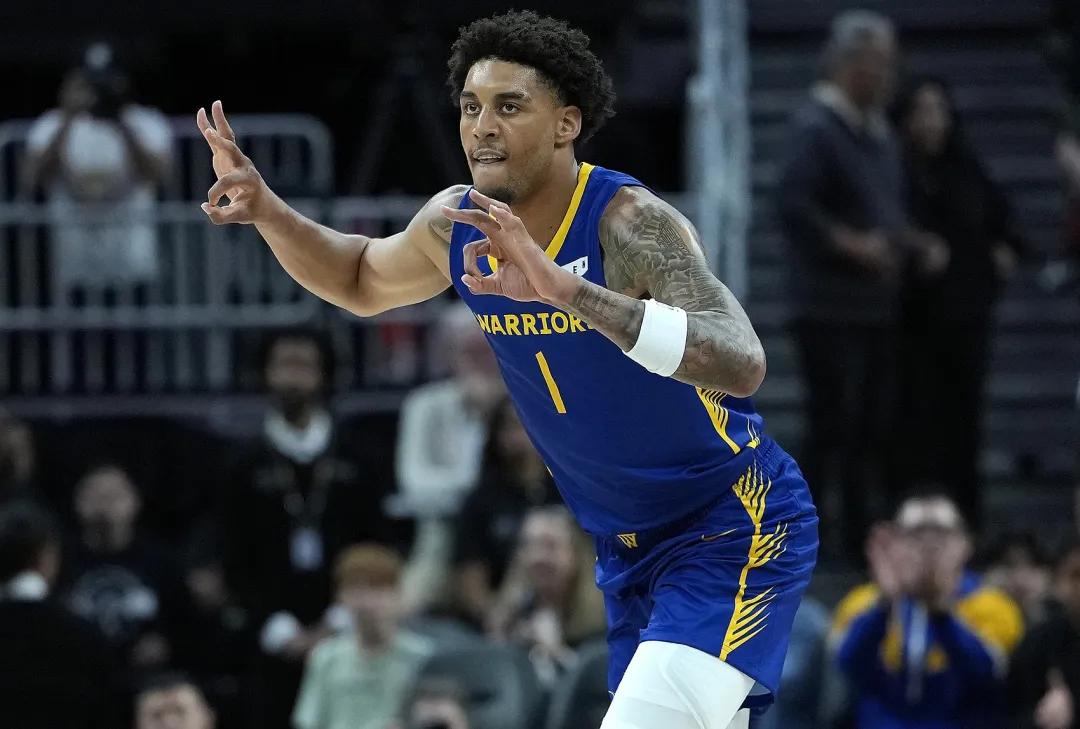
Against the Grizzlies, he went 9-for-18 for 21 points, 10 rebounds, 2 assists, and 2 steals.
Even more impressive was his clutch performance in the fourth quarter.
With his team trailing by 10 at one point, he scored 9 points in the quarter, including 7 in the final two minutes, leading the team to a 94-90 comeback victory to win the championship.
Throughout the Summer League, Lundberg averaged 14.9 points, 6.8 rebounds, 4 assists, 1.4 steals, and 0.9 blocks, shooting 48.4% from the field and an impressive 45.9% from three.
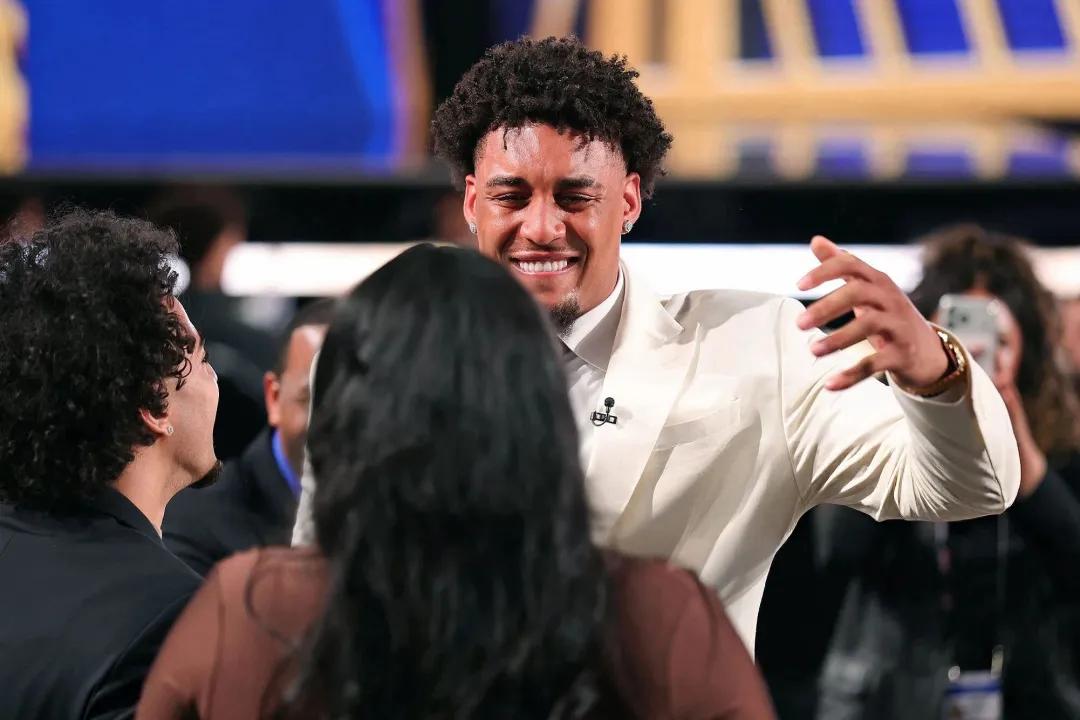
Proving that the Warriors made the right choice.
One thing we have to mention: from Kerr's coaching experience over the past decade, those so-called "physical freaks" never really worked out under him—none of them truly flourished.
On the other hand, players like Lundberg actually have a good chance to shine in the Warriors' system.
Why?
In simple terms, it's the basketball IQ.
Most players can't play for the Warriors because it requires constant reading of the defense, non-stop movement, ball sharing, and executing tons of handoffs, screens, and cuts.
Raw talents relying purely on athleticism struggle to survive there—we all know the examples.
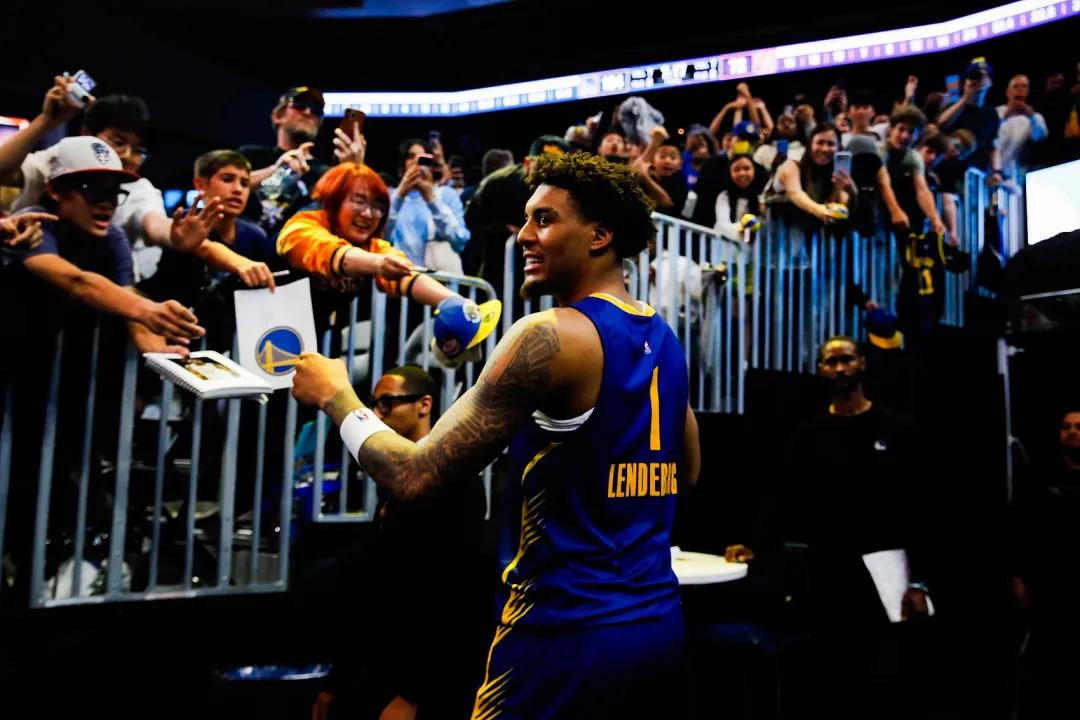
Wings like Lundberg, who have mature games, fit both offensively and defensively, and are willing to execute the system, have an easier time establishing themselves. He's truly one of the most system-compatible young players the Warriors have drafted in recent years.
But we need to be clear: Summer League is not the NBA regular season.
And some of you have been asking Brother Di about Yang Hanshen's performance.
We need to understand what kind of players dominate the Summer League.
If you look at the Summer League MVPs over the past decade, you'll realize that truly great players don't need to dominate in this competition.
Last year's MVP was Filipowski—I only know he's on the Jazz.
The most successful Summer League MVP in recent years just won an NBA championship. He is:
Hachimura.


Wonderfulshortvideo
Quick rewind ⏮️. Full recap. Here’s everything from tonight @OKC Thunder vs. @houstonrockets 🏀


Quick rewind, full recap. Here’s everything from tonight’s @Raptors vs. @New York Knicks matchup ⏪🏀
Lakers Close Up: Building the Foundation
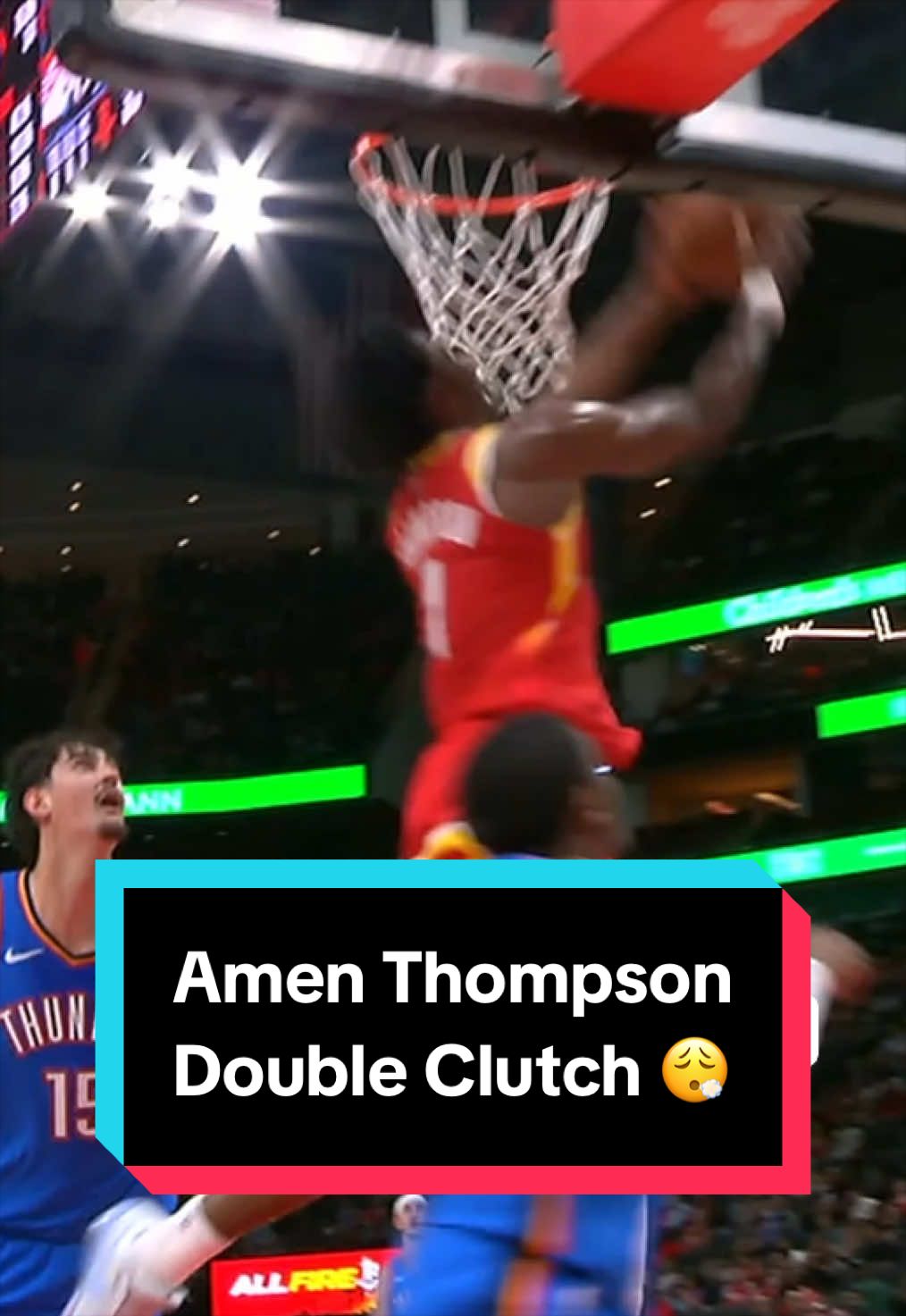
Amen Thompson getting UP 🤯
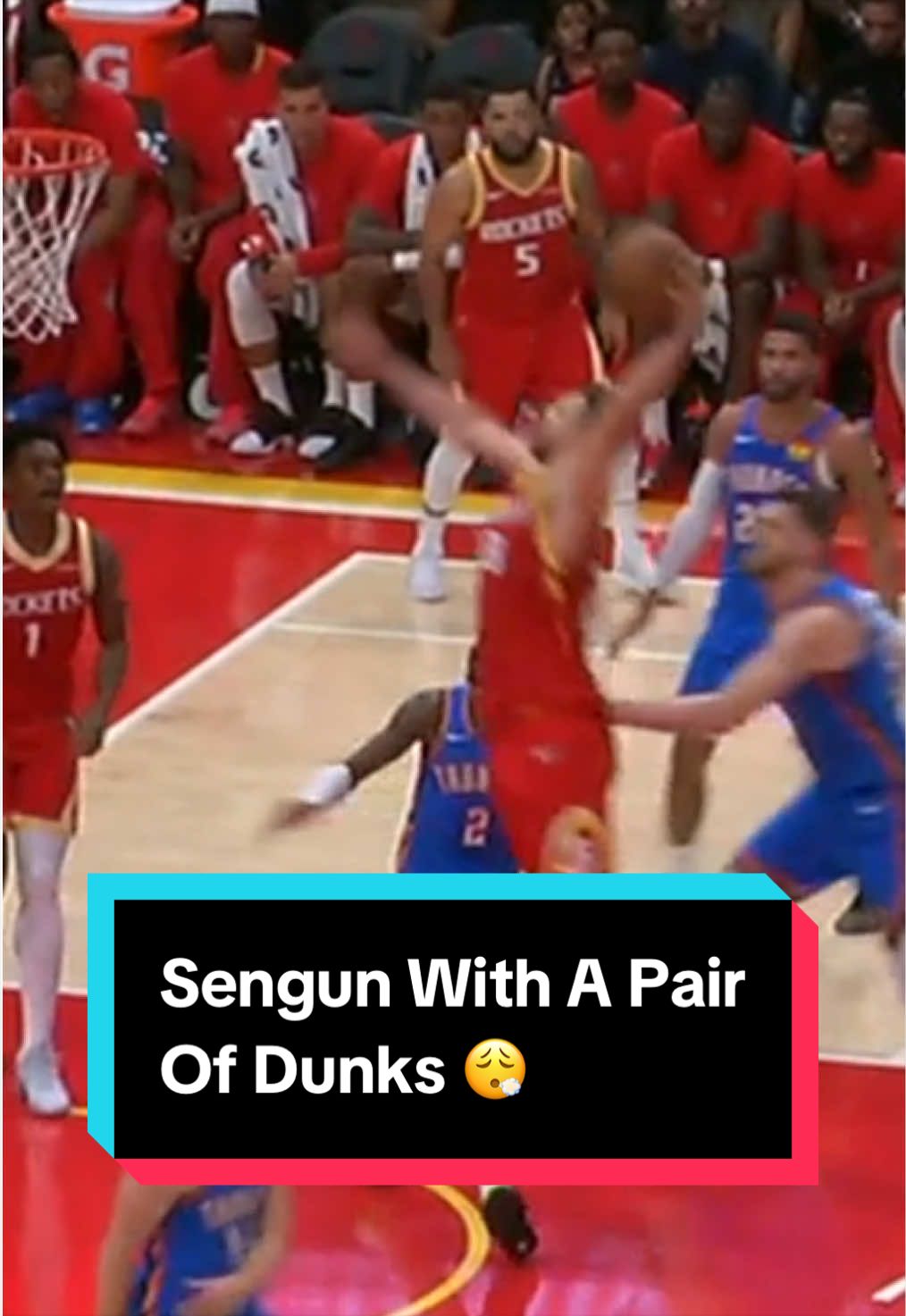
He was soaring 🤯
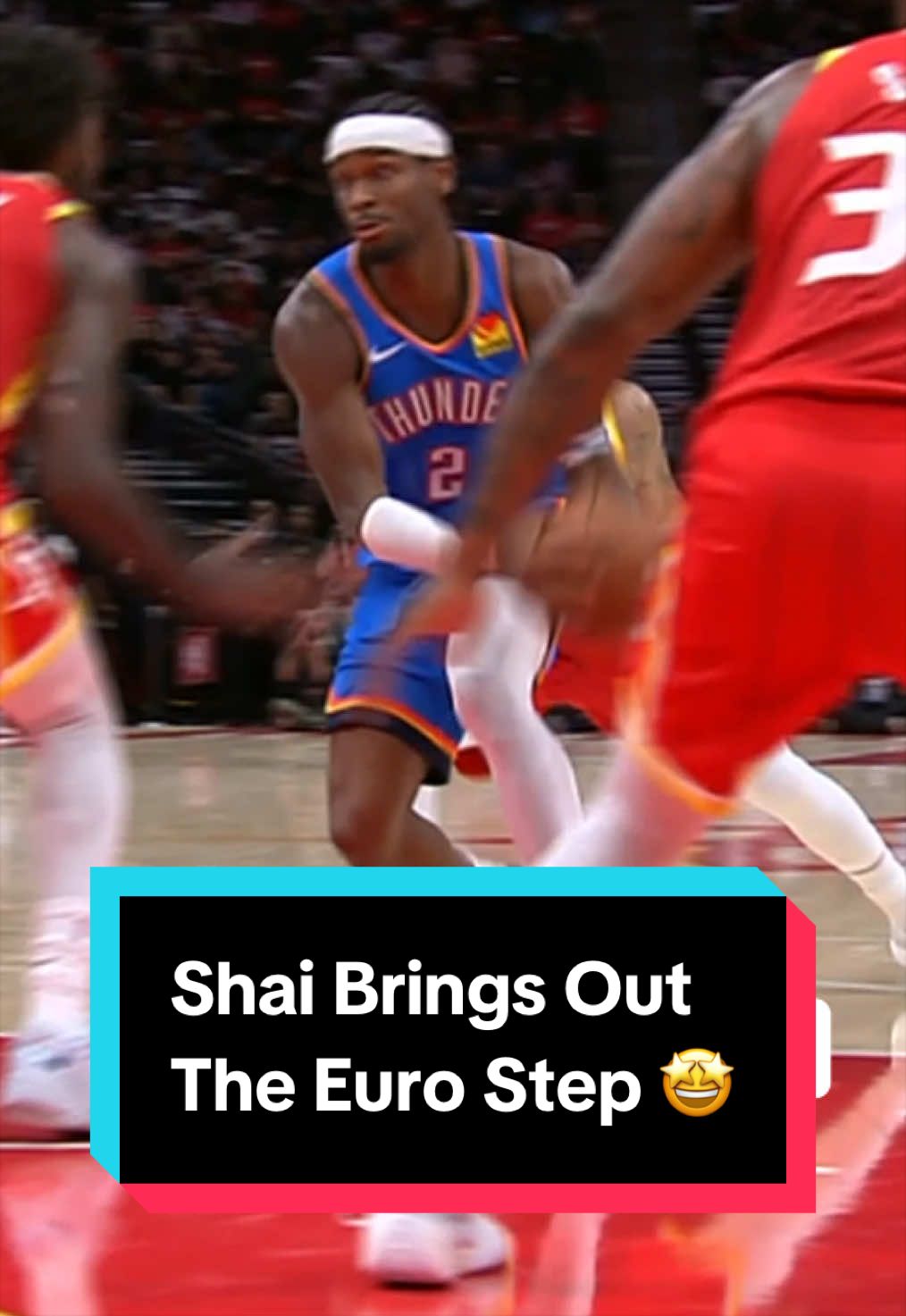
Shai weaving through the defense for the basket 🔥
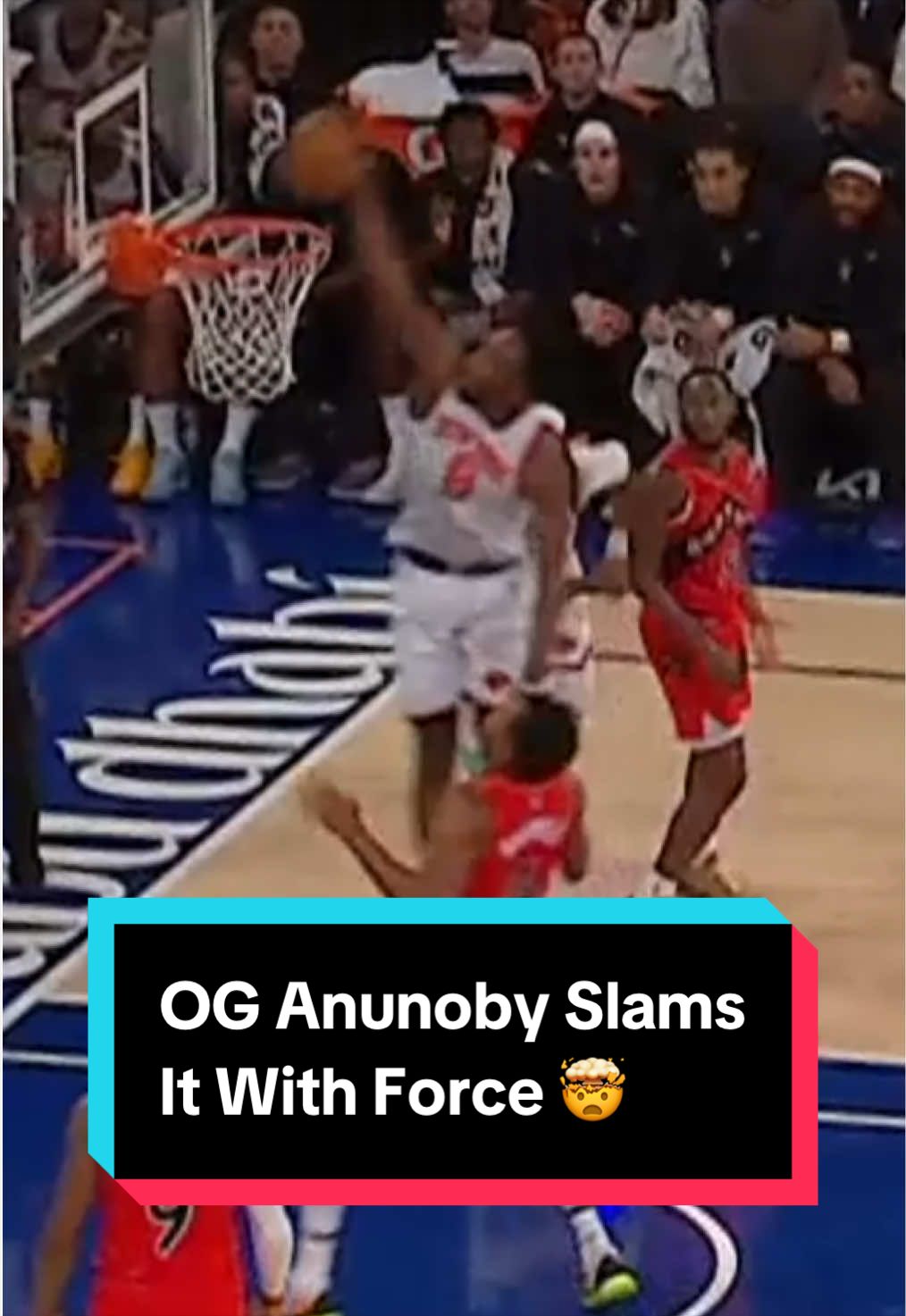
“Just in case you forgot…”🔥😮💨
 Links
Links
 Contact
 App
App


