



The top pick was traded, yet he has less presence than an undrafted player.



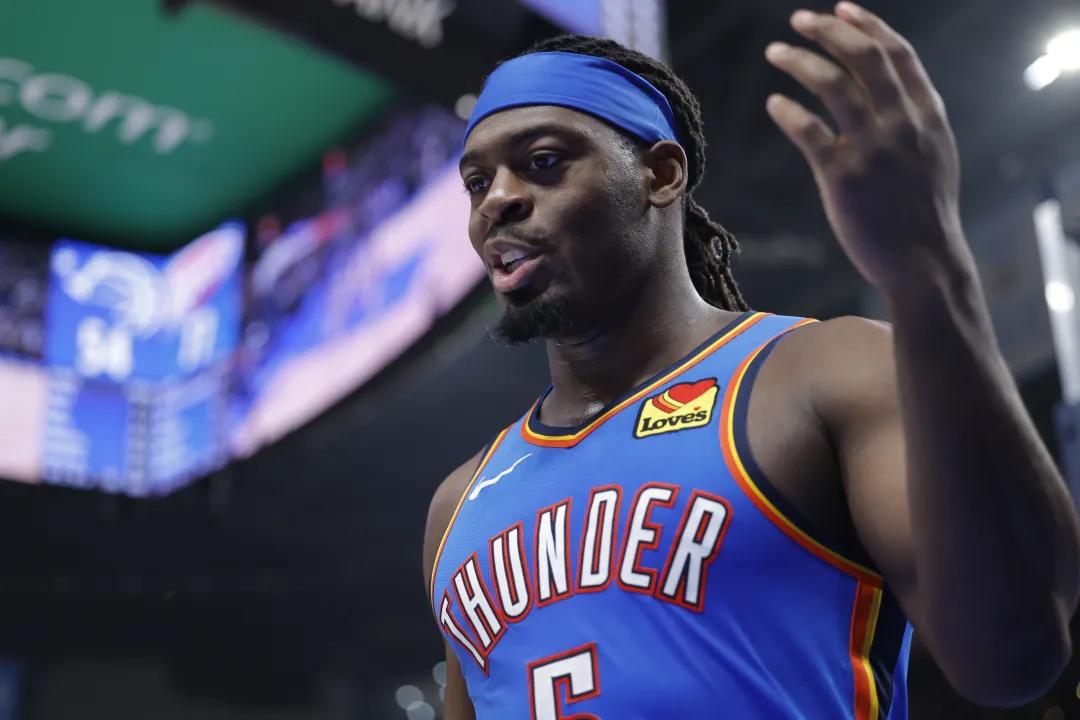
A three-way deal occurred in the early hours: Oklahoma City shipped Dort to Atlanta for three second-round selections (two via the Hawks, one via Dallas); Atlanta added Dort and also picked up Nembhard Jr. from the Mavericks; Dallas obtained the 2024 draft's top pick, Risacher, from the Hawks.
From the Thunder's perspective: after exercising Dort's team option, his departure was inevitable, and getting three second-rounders in return was expected. Oklahoma City's entire summer trade strategy has been about cutting costs—similar to earlier moves sending Wiggins and Joe away for cap relief. Now Dort and Wiggins are teammates again in Atlanta.
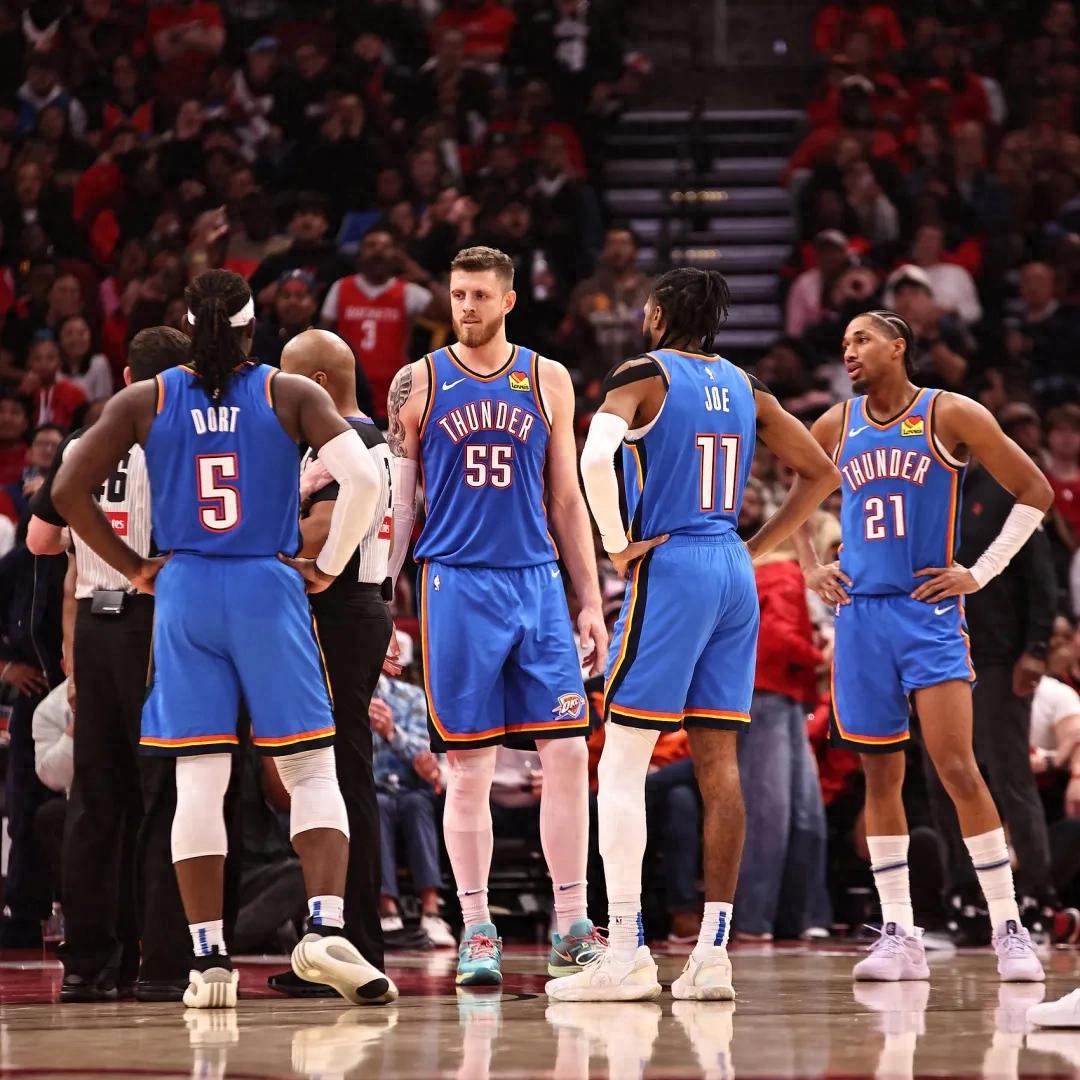
Just from the Dort trade alone, the Thunder's luxury tax plummeted from $102.2 million to $19.6 million, and their total payroll is now below the second apron. Before the offseason began, Oklahoma City faced a $213 million luxury tax bill for next season; through their moves, they've slashed it to nearly $20 million—a swift and decisive cleanup with no hesitation.
The Thunder have good reason for such confidence. Of the three players they sent out, only Dort could contribute in the playoffs, but his role had already diminished this year. Carson Wallace on the bench can easily step into the starting lineup, so the team's depth hasn't taken a catastrophic hit.
Oklahoma City remains committed to the core trio plus supplementing with draft picks. With so many picks in hand, they have plenty of room for error. Even if Sorb and Topic didn't pan out, the center Mara and guard Sturtz drafted this year still offer potential. As long as the core stays intact, the Thunder will remain a top contender for years to come.
From the Hawks' perspective: after Risacher's disappointing performance in the 2025 play-in tournament, they had already given up on the No. 1 pick internally, and even benched him for stretches last season. In this trade, Risacher's value hit rock bottom. Dort is a solid addition—his defensive skills are still intact—and Atlanta will have ample defensive resources next season.
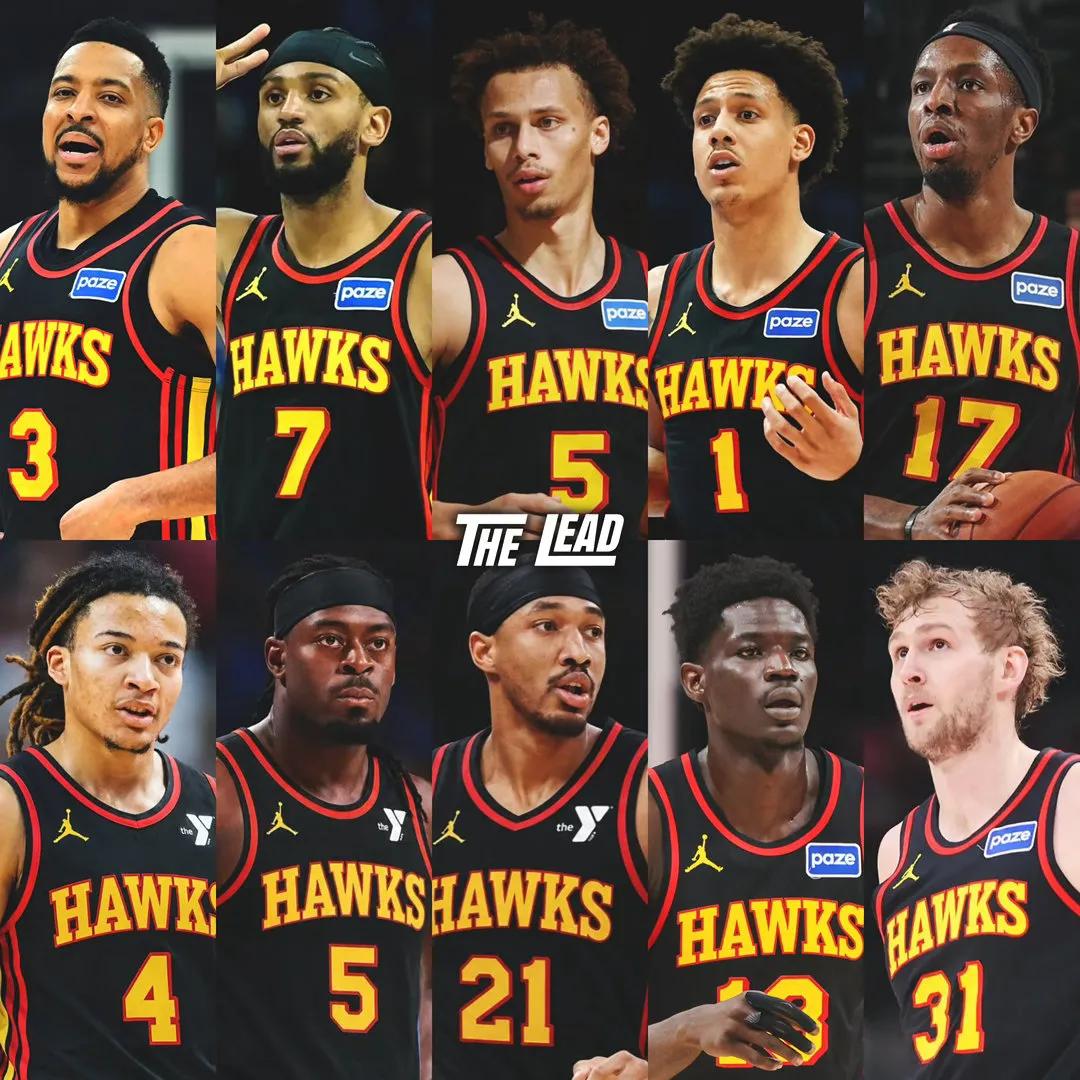
Moreover, both Dort and Nembhard Jr. are on expiring contracts. By 2027, the Hawks will have over $40 million in cap space. If they put up a decent showing next season, that could be a strong selling point to attract star free agents in 2027.
From the Mavericks' perspective: this is almost a no-cost trade. They gave up a second-round pick and a small guard who was already set to make way for Delarea, and in return got the 2024 No. 1 overall pick. Now they have three top picks on the roster again. Reportedly, at this year's trade deadline, Dallas was already trying to swap Gafford for Risacher, so this deal saves them plenty of assets. Considering Nembhard Jr. tanked his own value during summer league, using him to land a No. 1 pick makes the Mavericks look like geniuses.
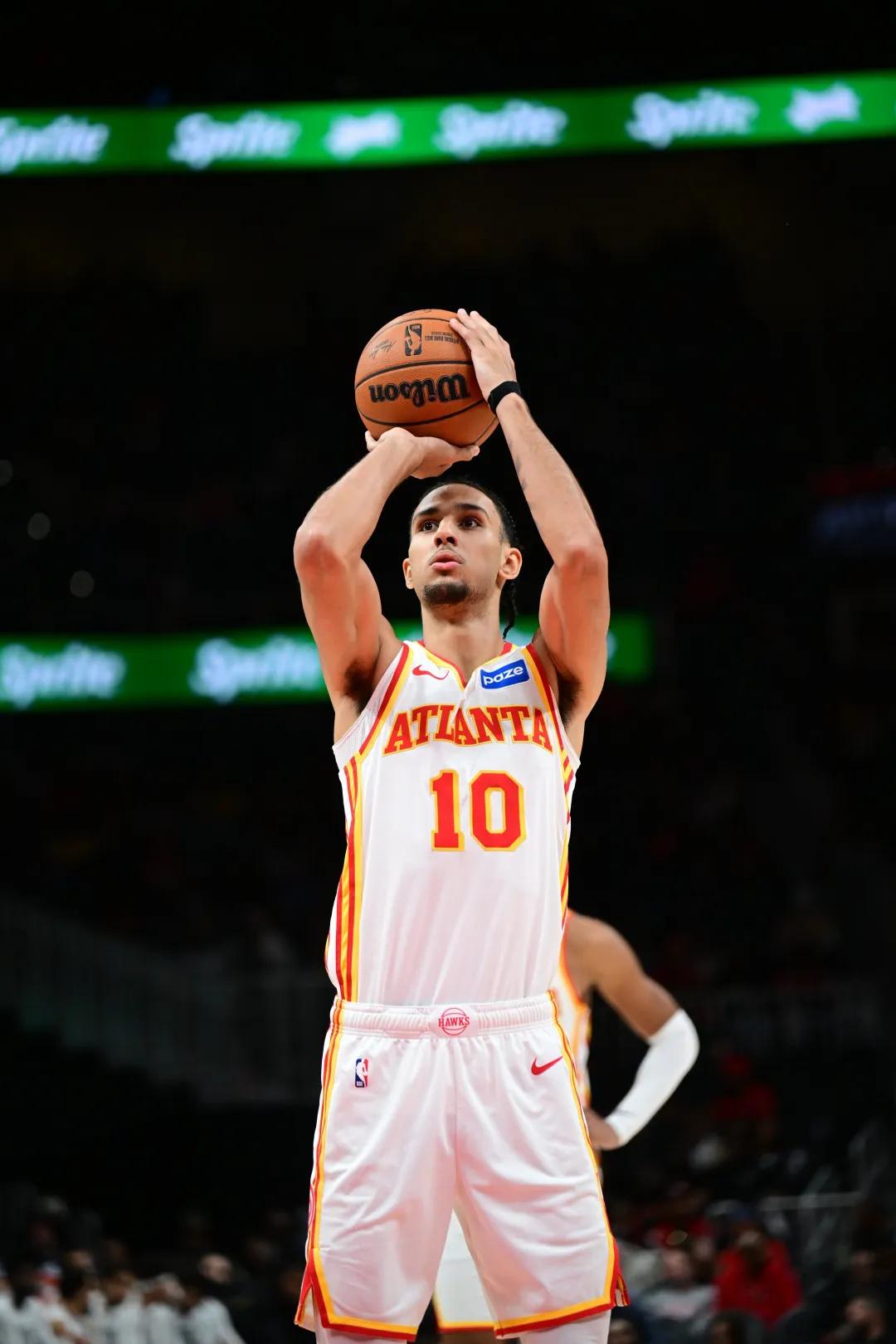
Risacher's development hasn't lived up to expectations, and he certainly doesn't resemble a typical No. 1 pick, but his potential is still worth exploring. At just 21, he's a forward with good size and shooting ability. In Dallas, he no longer has to carry the burden of being a top pick—he can simply settle into a role-player role, focusing on defense and three-point shooting.
In this trade, Risacher's presence remains minimal. Ever since he became the No. 1 pick, he's never really commanded much attention. Whether it's his skill not matching his draft position, his occasional flashes, or his 3-for-21 shooting in two play-in games, he never received the spotlight that a top pick typically gets.
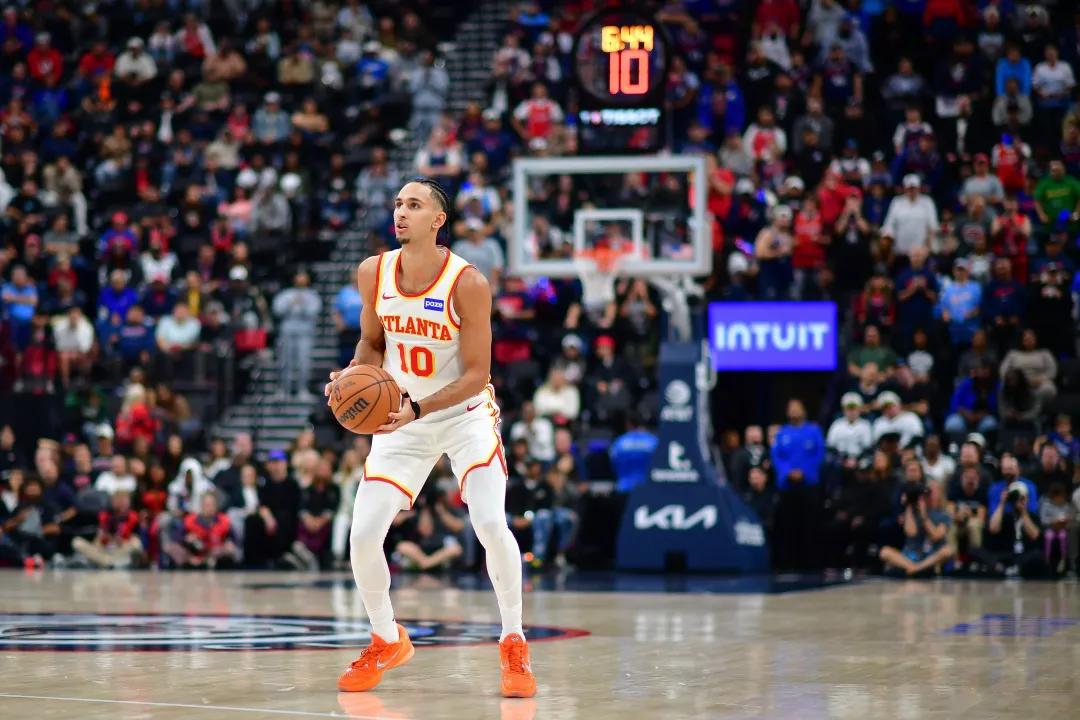
Even when he was traded, the deal's main focus was on Dort—an undrafted player—while Risacher was mostly a salary-matching piece. He is undoubtedly the least noticeable No. 1 pick in NBA history, bar none.
Risacher resembles Bennett, the biggest draft bust ever: he lacks the talent of a top pick but was forced into that role. Because Sarr didn't want to go to Atlanta, the Hawks settled for Risacher as a backup option. If Risacher had simply been a lottery pick, he would likely have performed well.
In his two years with the Hawks, Risacher averaged 11.1 points and 3.7 rebounds, with shooting splits of 46%, 36%, and 69%. In my view, Atlanta gave up on him too soon—they benched the No. 1 pick after just over a year, not giving him enough room to grow. Personally, I think Risacher would have been a good fit for the Thunder, but Oklahoma City wasn't willing to take on any extra salary.
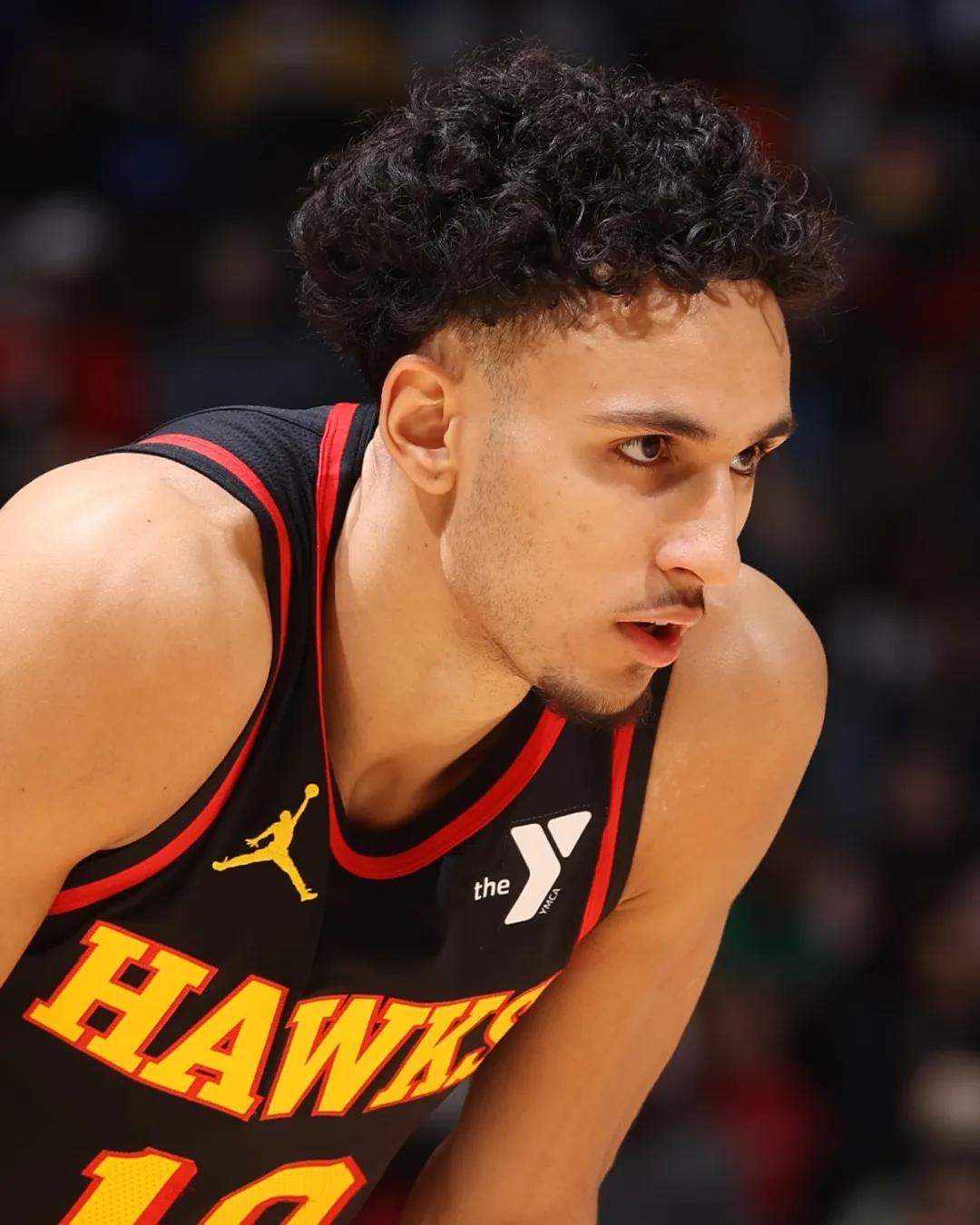
Risacher's lottery ticket has already revealed a "谢" character (meaning "thanks" in Chinese), but what if the Mavericks end up revealing "Thanks, Atlanta"?


Wonderfulshortvideo
Quick rewind ⏮️. Full recap. Here’s everything from tonight @OKC Thunder vs. @houstonrockets 🏀


Quick rewind, full recap. Here’s everything from tonight’s @Raptors vs. @New York Knicks matchup ⏪🏀

Lakers Close Up: Building the Foundation
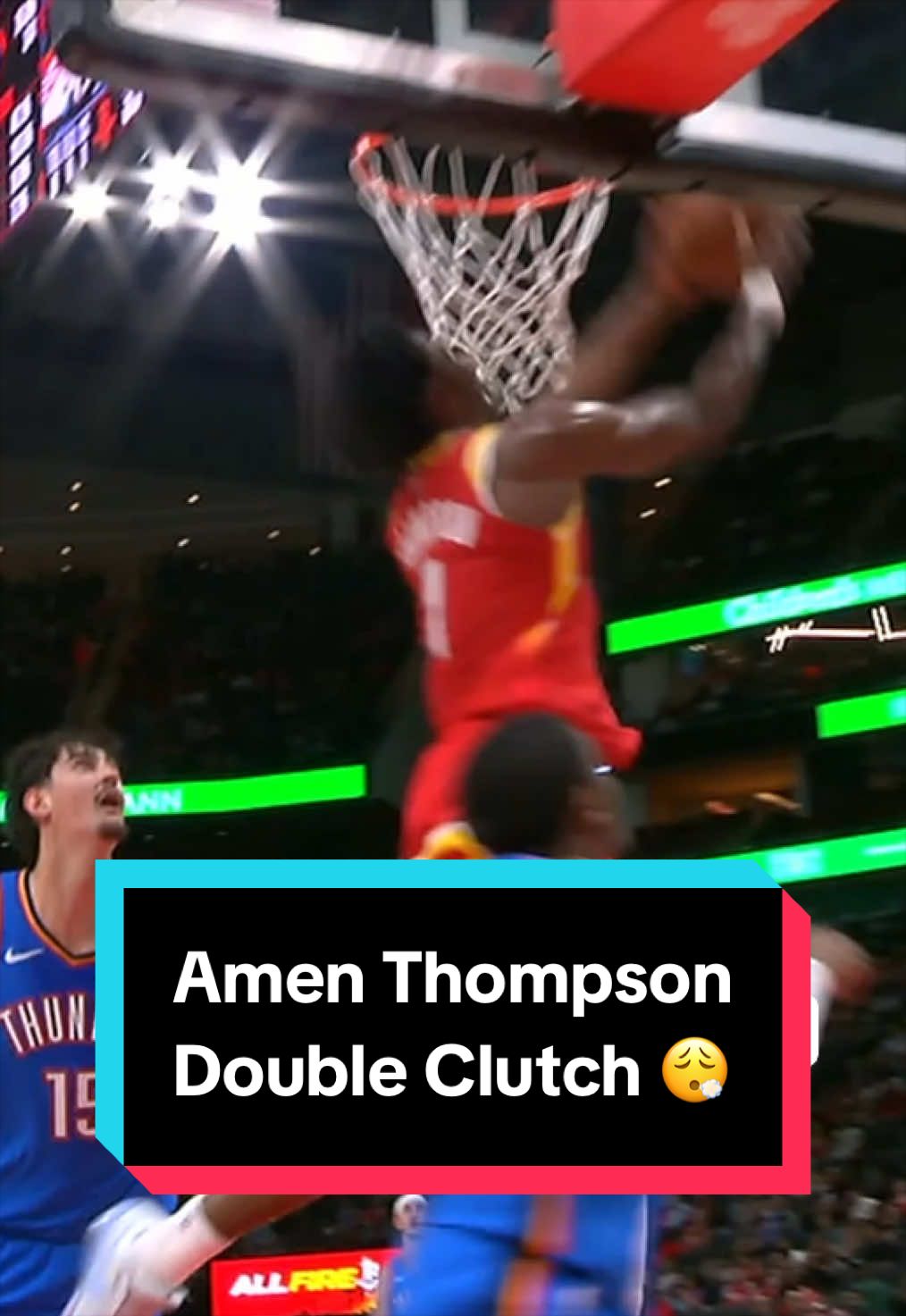
Amen Thompson getting UP 🤯
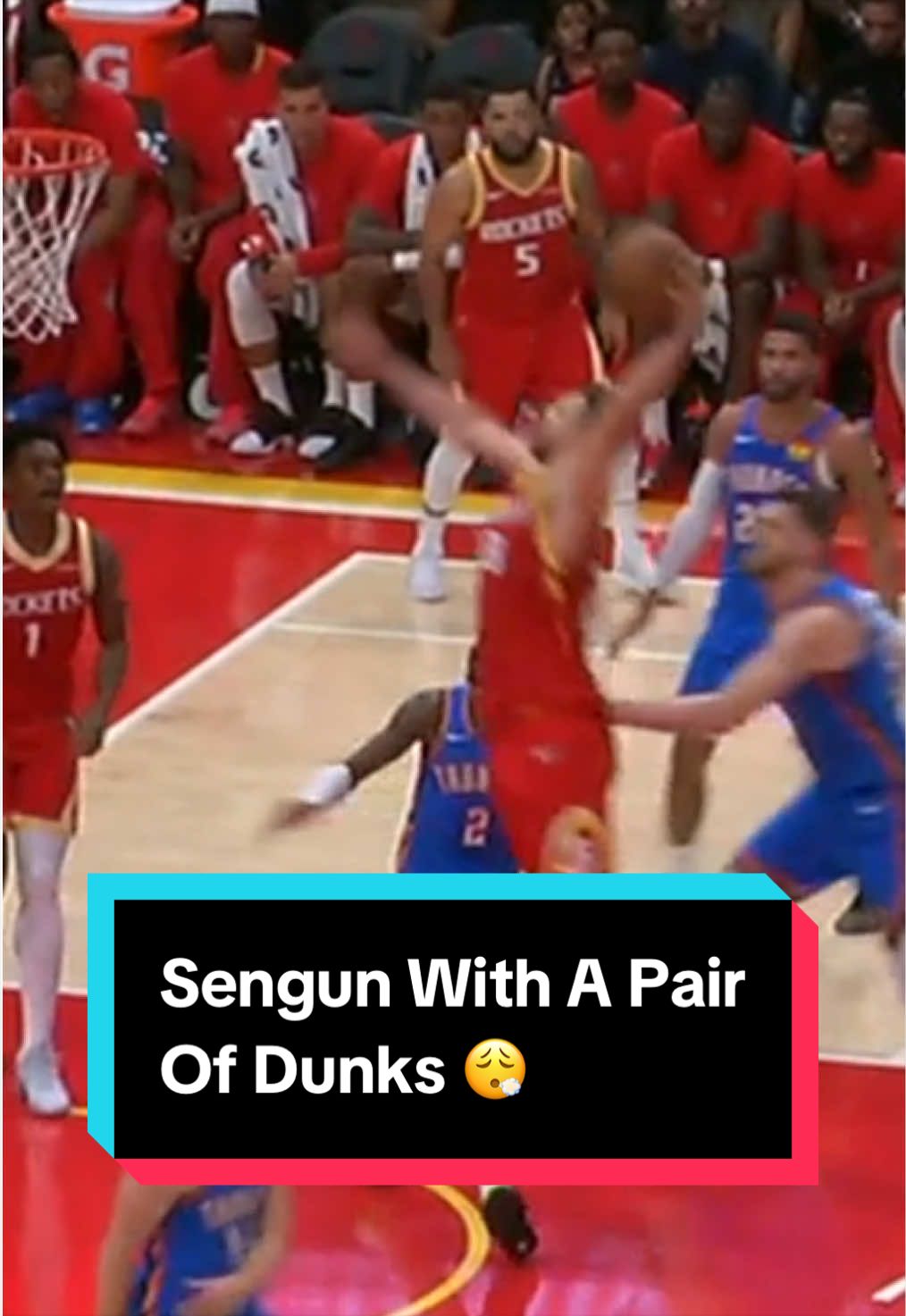
He was soaring 🤯
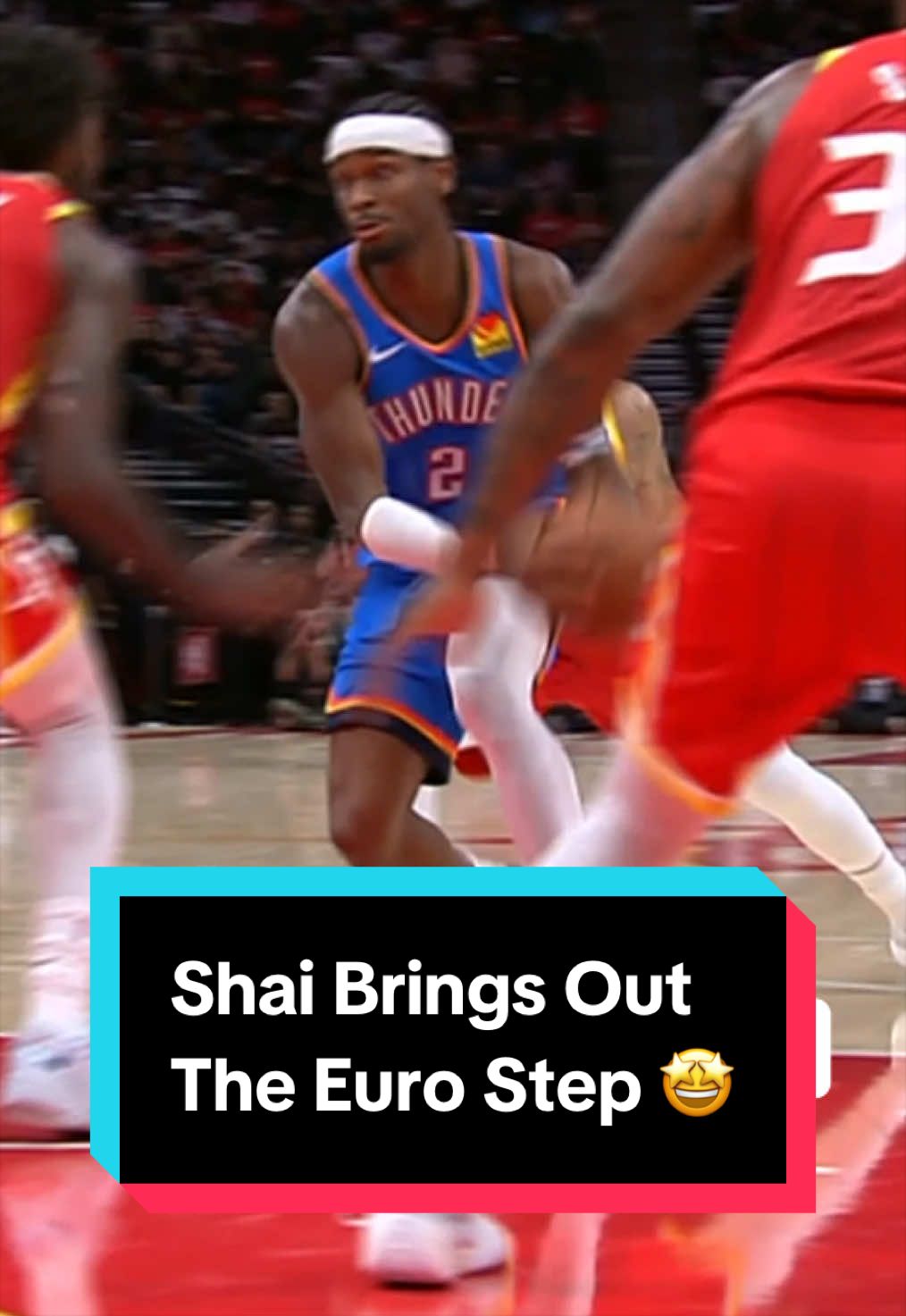
Shai weaving through the defense for the basket 🔥
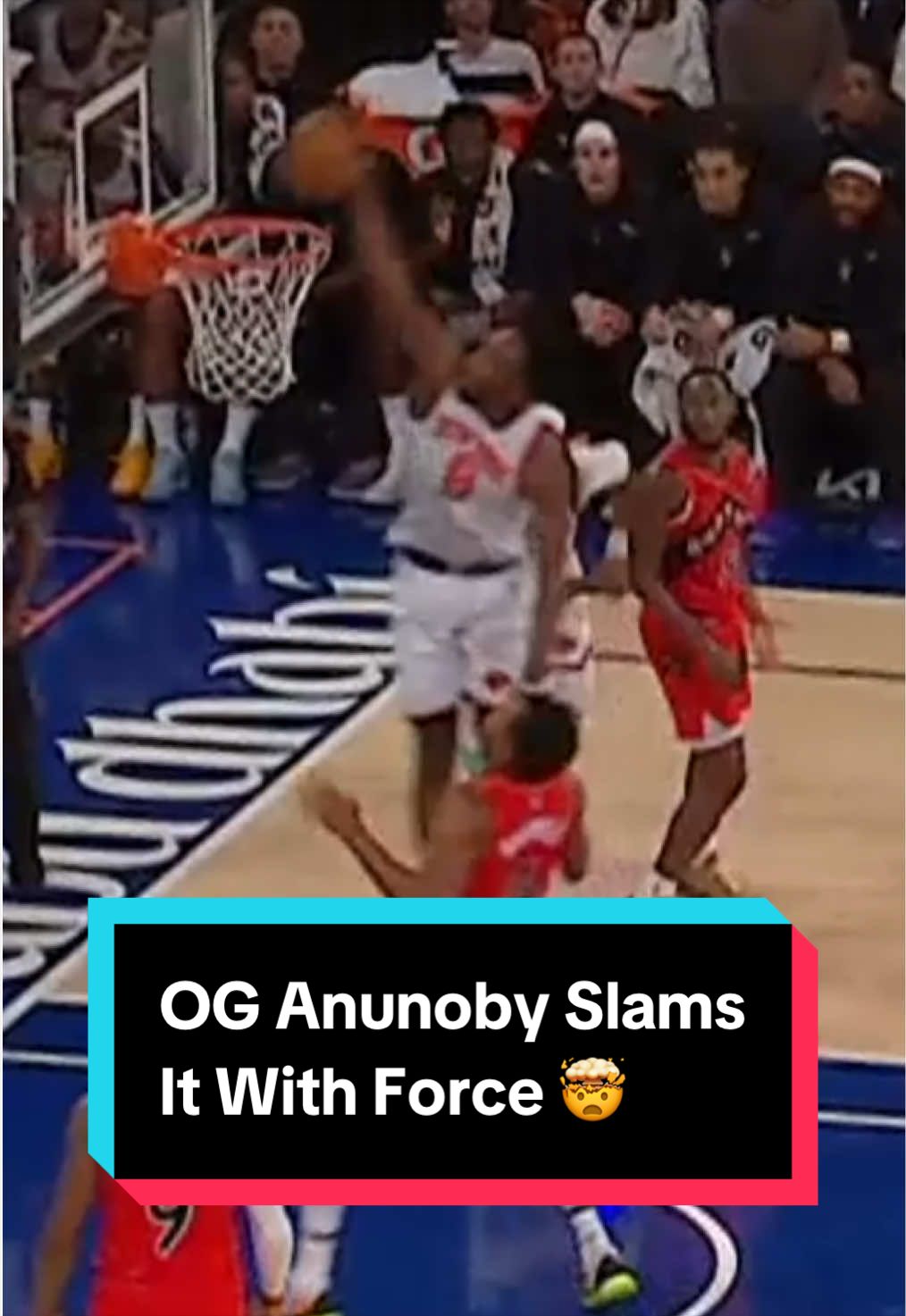
“Just in case you forgot…”🔥😮💨
 Links
Links
 Contact
 App
App


