



At 19 years old, he is already a ready-to-play talent, and his reputation as the rookie with the highest floor is well-deserved.



Here's a fun fact: the No. 3 and No. 4 picks in this year's draft both share the same birthday—July 18th, which is tomorrow. However, the No. 3 pick, Boozer, was born in 2007, while Wilson is one year older.
The two have been rivals since childhood, competing against each other from AAU leagues all the way through college. Boozer joined Duke, while Wilson went to North Carolina—and as any NCAA fan knows, Duke and UNC are legendary rivals.
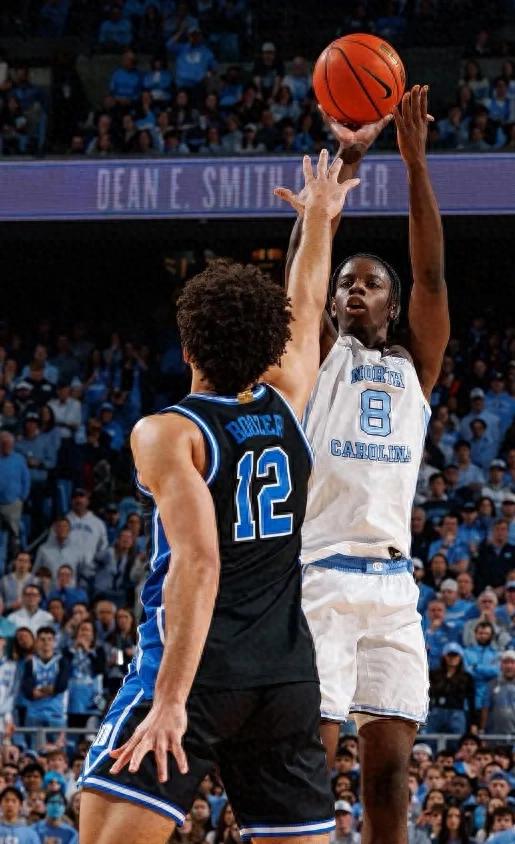
The NBA also knows how to schedule matchups. Wilson's summer league debut was against Boozer, and both players lined up at power forward, directly facing each other. Wilson put on a stunning performance, shooting 7-of-11 from three-point range to score 35 points. Meanwhile, Boozer secured the win and put up solid numbers as well, finishing with 23 points, 6 rebounds, and 4 assists.
Their rivalry is like "half water, half fire." Boozer represents absolute calm and maturity, even though he is a year younger than Wilson. Wilson, on the other hand, embodies passion and intensity, with deep threes and poster dunks. Kevin Garnett even gave him the nickname "Little Ticket."
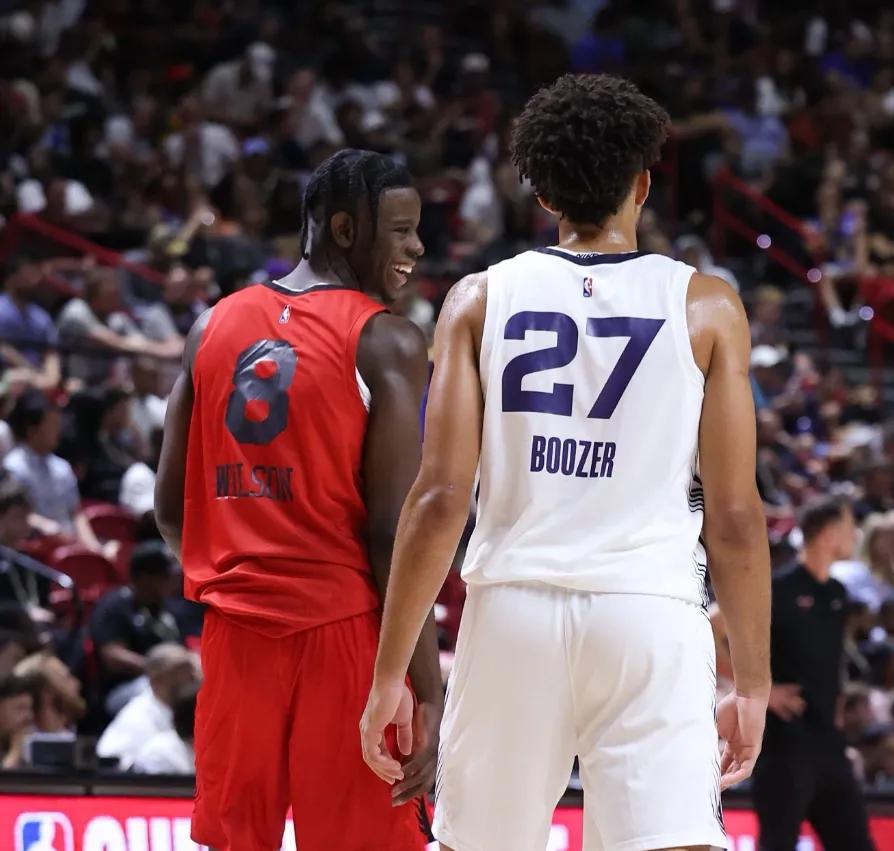
Over four games, the two put up nearly identical averages. Wilson posted 23.5 points, 7.3 rebounds, 1.8 assists, 1.3 steals, and 2.5 blocks per game, while hitting 3.3 threes per contest with a 50% field goal percentage and 41.9% from beyond the arc. Boozer averaged 20 points, 7 rebounds, 3.3 assists, and 2 steals, shooting 52% from the field and 38% from three.
This year's draft class truly lives up to its reputation as a deep one. The top four picks have all put up impressive numbers in summer league, with plenty of useful players coming out of the first round, and many strong ready-to-play talents in the second round as well. Among them, Cameron Boozer is widely regarded as the player with the safest floor.
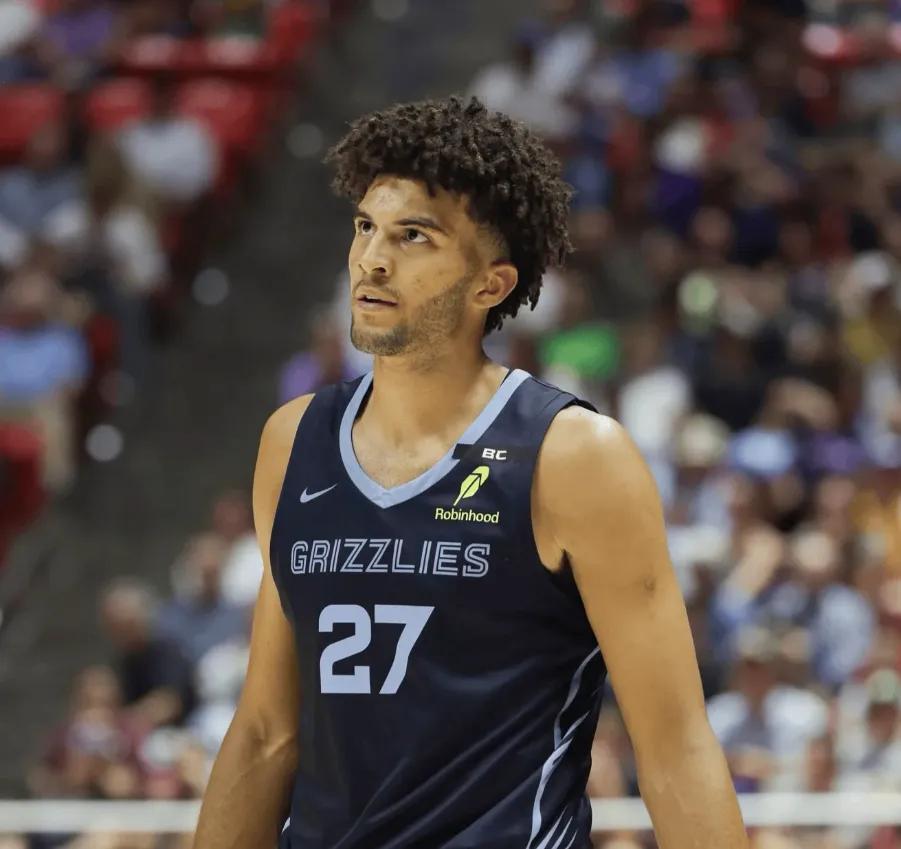
He stands 2.06 meters tall in bare feet and weighs around 115 kilograms—a solid power forward frame that seamlessly transitions to the physicality of the NBA. His player comparisons include Kevin Love, Chris Webber, and Paolo Banchero. Boozer has dominated virtually every league he has played in since childhood, consistently delivering impressive numbers regardless of the level of competition.
At the NCAA level, he continued to excel, even putting together a freshman season worthy of the history books. He led his team to a 28-2 start, the best beginning for Duke University in the 21st century, before his freshman campaign ended with a dramatic half-court buzzer-beater in the NCAA tournament.
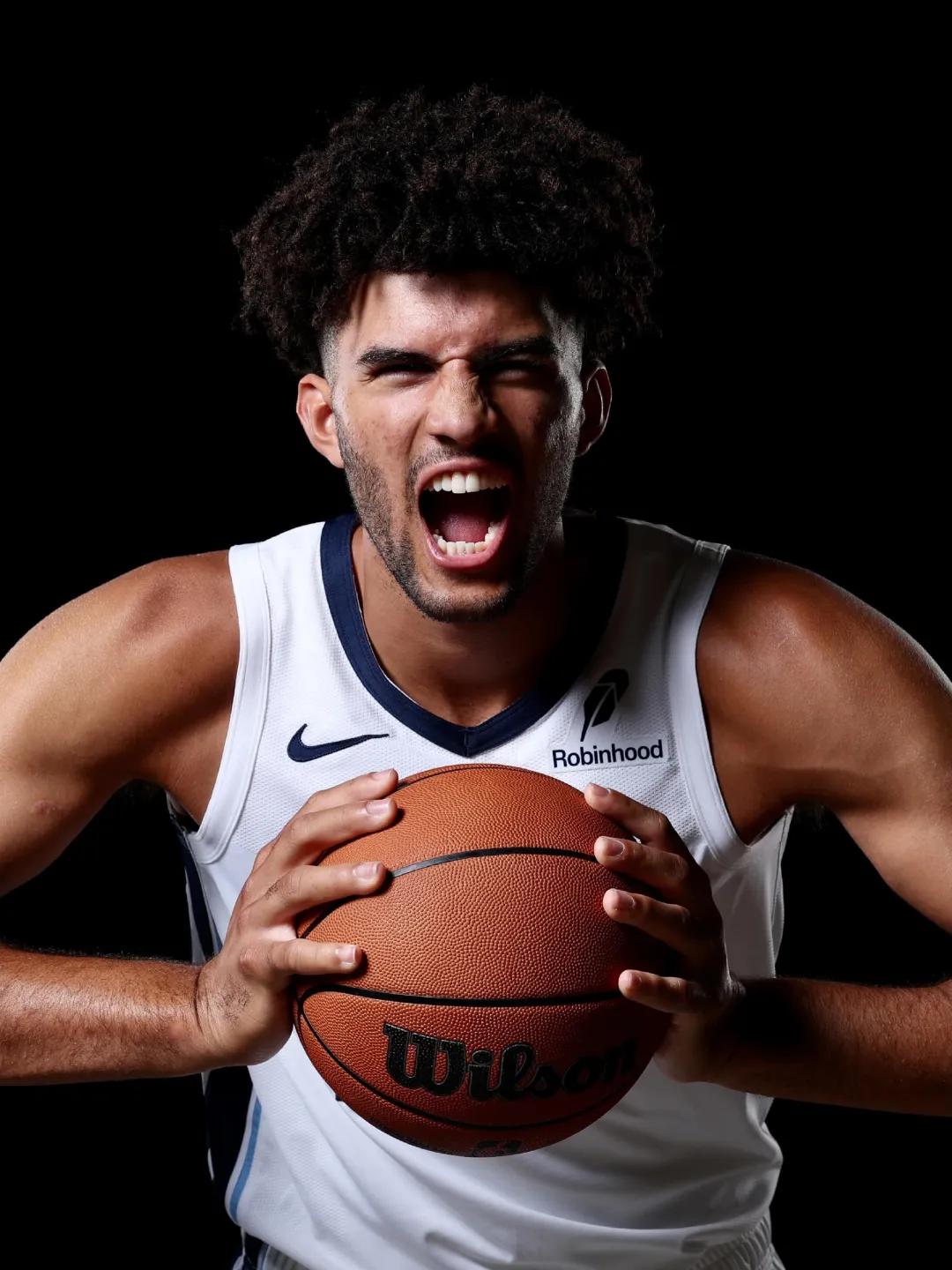
In his epic freshman season, Boozer averaged 22.5 points, 10.2 rebounds, 4.1 assists, and 1.4 steals per game, shooting 55.6% from the field, 39.1% from three, and 78.9% from the free-throw line.
He is the first player in NCAA history to average at least 22 points, 10 rebounds, and 4 assists while shooting 55% from the field over a minimum of 20 games—and he was just a freshman. Throughout the season, Boozer was a walking double-double machine, even recording 20-20 games. He swept nearly every award available, including National Player of the Year, National Power Forward of the Year, and various All-Conference First Team and MVP honors.
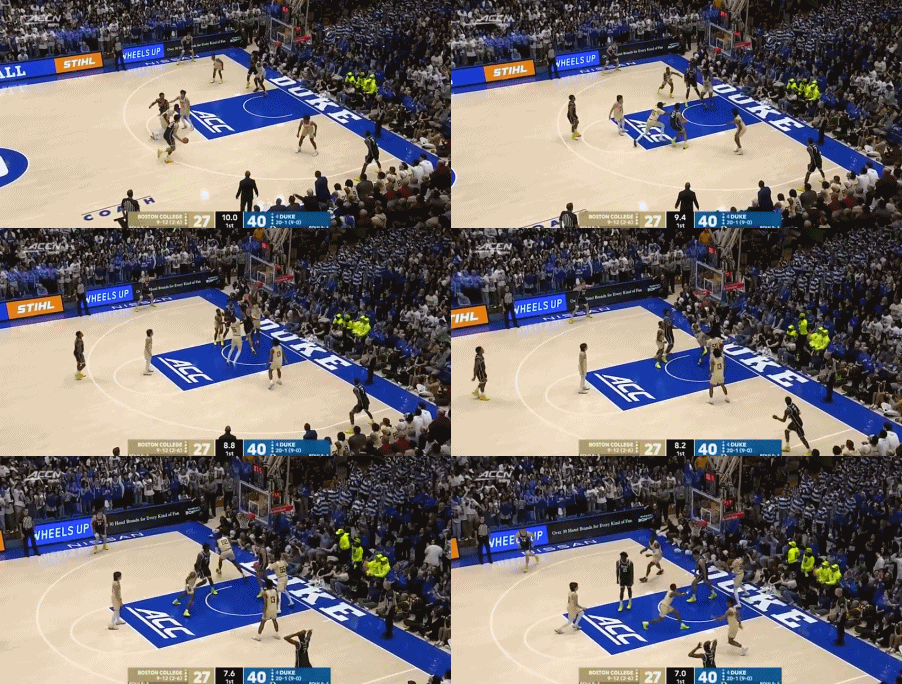
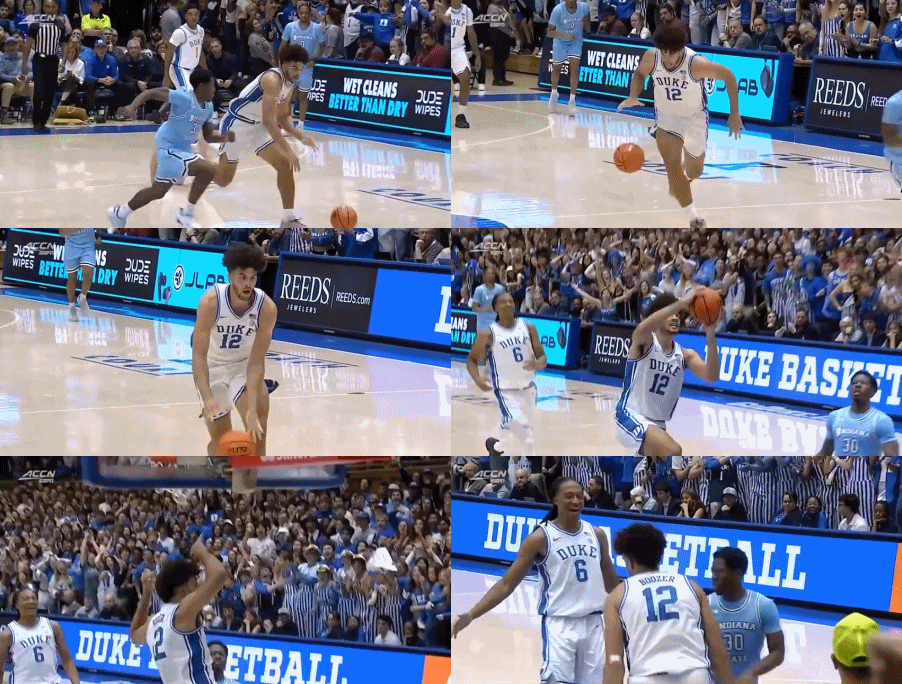
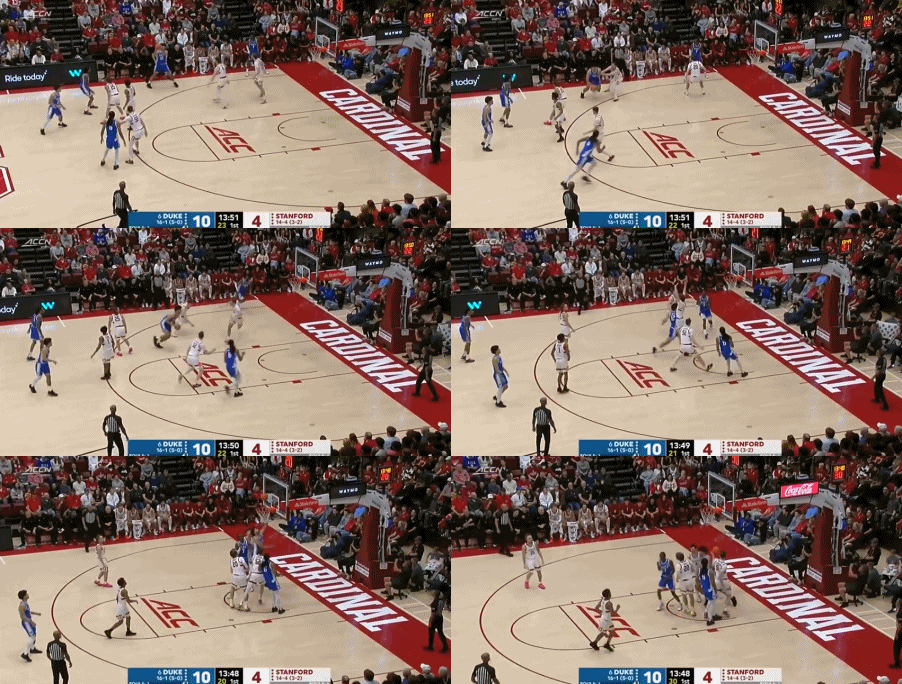
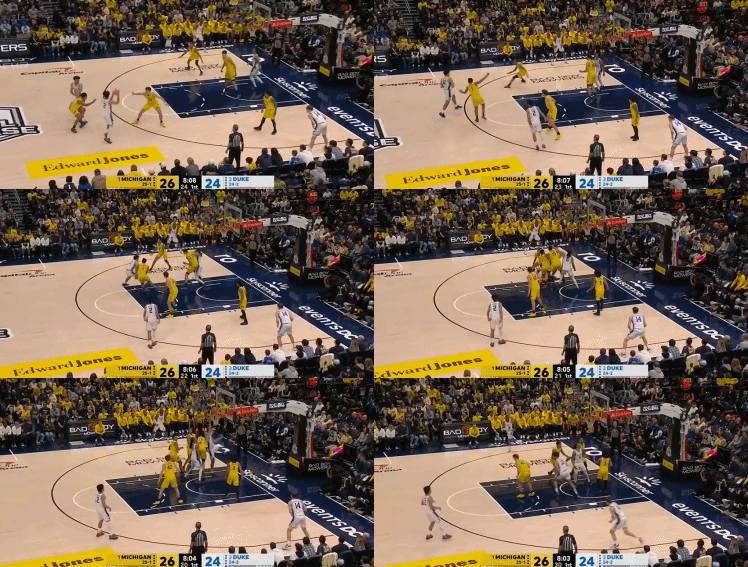
He is nearly unstoppable on the court. He can handle the ball in pick-and-roll situations, act as a screener rolling to the rim or popping out for jumpers, score off the dribble or from the post, and his footwork in the paint is smooth. He has excellent rebounding ability, a solid court vision and passing touch, and sharp basketball IQ and instincts. He is the most complete rookie this year bar none, combining speed, strength, and skill, dominating inside while also possessing a reliable outside shot.
So why was such a talented player like Boozer never in the conversation for the No. 1 pick? The main reason is his limited ceiling. The biggest factor holding him back is his average athleticism—he lacks explosive power, which also limits his leaping ability. This creates a natural barrier to his future development.
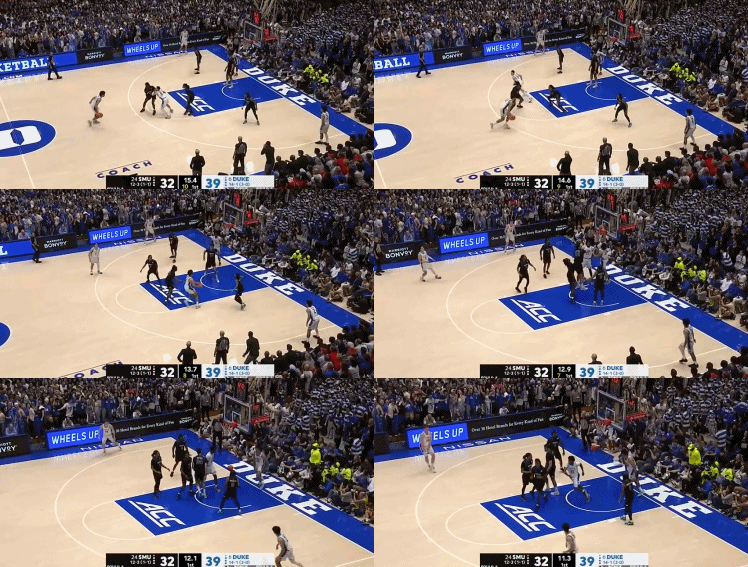
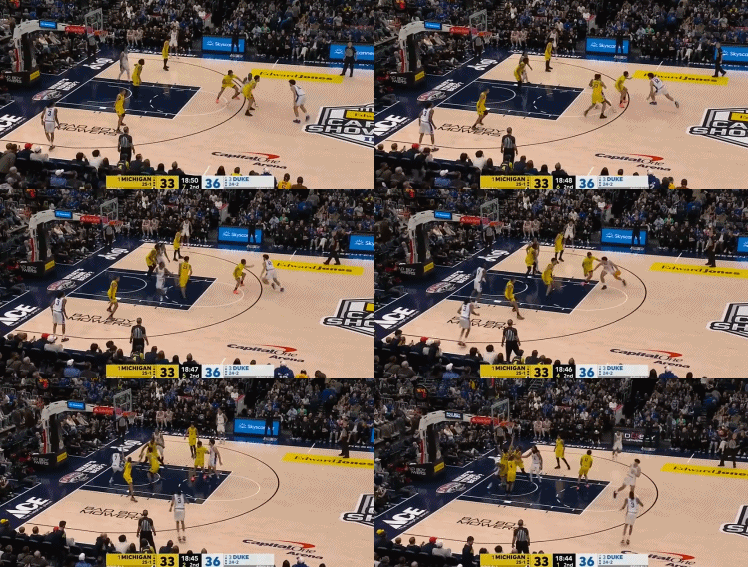
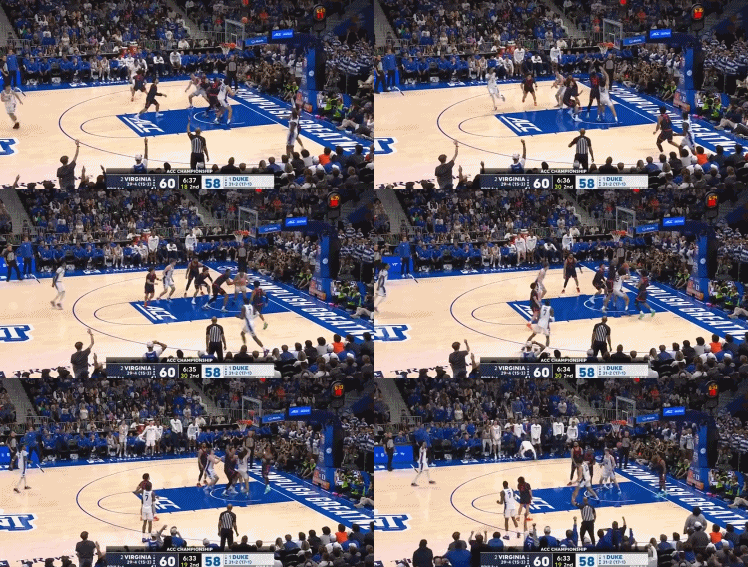
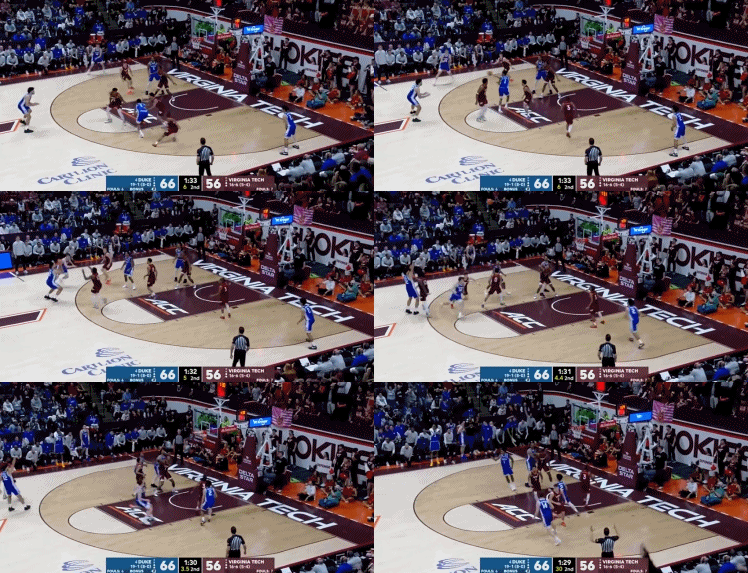
Upon entering the league, Boozer will almost immediately become a capable starting forward, ranking somewhere around the top 100 players in the NBA. As he gradually adapts to the level of competition, he can take another step forward to become a star-level forward—maybe an All-Star, maybe even a member of an All-NBA team. But going beyond that will be very difficult.
His physical attributes are average among a sea of freak athletes, and his height and size are on the smaller side for interior players. So when he faces strong defenders—bigger, more explosive opponents—he can easily find himself at a disadvantage.
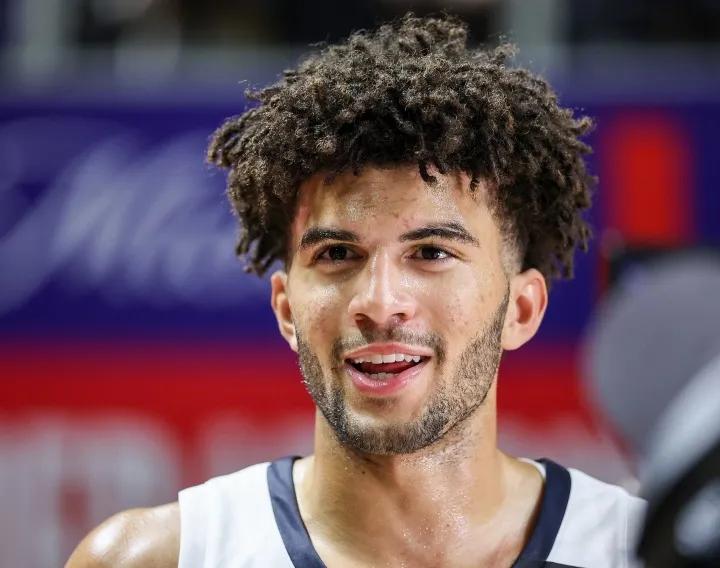
Despite this, his terrifying readiness and mature playing style, along with his dominant college performance, have kept him in the top three picks. Boozer is unlikely to become the centerpiece of a championship-contending team, but he will be an elite supporting piece for such teams. He will have a long career, possibly even surpassing his father's legacy.
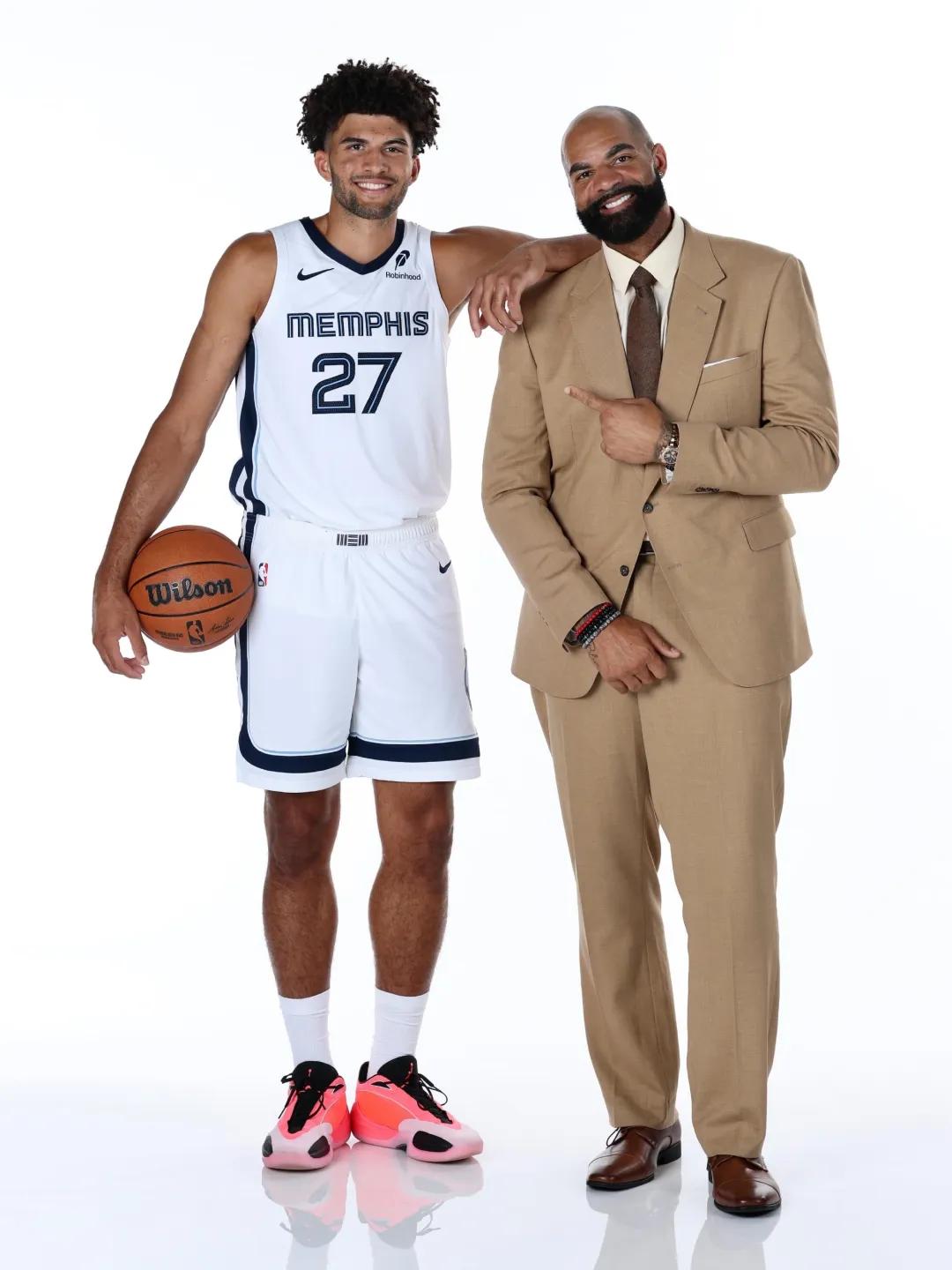
For next season's Rookie of the Year odds, Boozer currently sits at the top. After saying goodbye to Ja Morant, the Memphis Grizzlies are entering a brand-new era—and the leader of this era will be Cameron Boozer from Duke.


Wonderfulshortvideo
Quick rewind ⏮️. Full recap. Here’s everything from tonight @OKC Thunder vs. @houstonrockets 🏀


Quick rewind, full recap. Here’s everything from tonight’s @Raptors vs. @New York Knicks matchup ⏪🏀

Lakers Close Up: Building the Foundation

Amen Thompson getting UP 🤯

He was soaring 🤯

Shai weaving through the defense for the basket 🔥

“Just in case you forgot…”🔥😮💨
 Links
Links
 Contact
 App
App


