



4 years, $273 million! Cavaliers give Mitchell max extension, grade B-: Essentially a gamble



On July 8, Beijing time, after the Cavaliers signed a 4-year, $273 million max extension with Mitchell, ESPN graded the deal as B-, with the following breakdown:
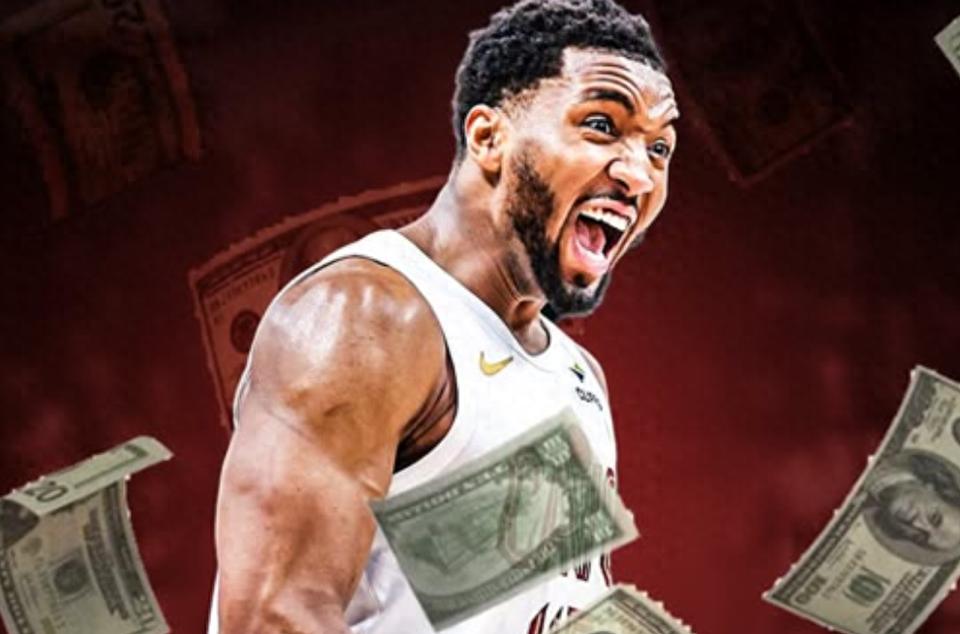
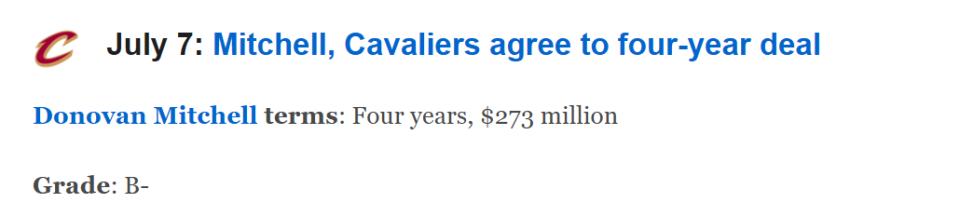
Mitchell is a consistently elite top-tier star in the league, having been selected to the All-Star game in each of the past seven seasons, and during his four years with the Cavaliers, he has made the All-NBA First or Second Team three times.
In 2022, the Cavaliers gave up a huge haul in a blockbuster trade to acquire Mitchell, and overall, the return on that deal has been satisfactory for management. Although the team has never reached the Finals with Mitchell, Cleveland has remained a perennial playoff contender.
Now that Garland has been traded, Harden’s prime is long gone, and Mobley’s development has hit a plateau, with Mitchell approaching 30, he remains the undisputed primary offensive option. Mitchell’s current contract has two years left, with a player option for the 2027-28 season, so the Cavs had to extend him early; otherwise, he would have opted out and become an unrestricted free agent next summer.
That said, this reality doesn’t mean the Cavs face no pressure from this new deal. According to ESPN salary cap expert Bobby Marks, Mitchell’s max extension will take effect starting in the 2027-28 season, with a starting salary of $60.9 million, running through the 2030-31 season, when he will be 34 and holds a $75.5 million player option for that year.
This extension is essentially a gamble: betting that Mitchell can sustain his peak performance long-term, but the risks are obvious. Mitchell is undersized and misses multiple games each season due to injuries. While he hasn’t suffered a catastrophic injury, his single-season game count has fluctuated between just 53 and 71 since the 2018-19 season.
His stamina decline becomes particularly noticeable in the playoffs, making it hard for him to maintain his form in crucial games. This spring, Mitchell led his team to the conference finals for the first time in his career, but his performance throughout that series dropped significantly: his true shooting percentage fell from 61% in the regular season to 56% in the playoffs.
Under the current NBA salary cap system, committing an extremely high percentage of the cap to a second-tier star severely limits a team’s ability to build a supporting roster—these players consistently make All-NBA teams but have never truly been in the MVP conversation. Jaylen Brown’s average annual salary over the next three years is $61.7 million, and the Celtics can’t find a trade partner for him; comparatively, Mitchell’s new contract averages $68.2 million per year, posing similar pressure.
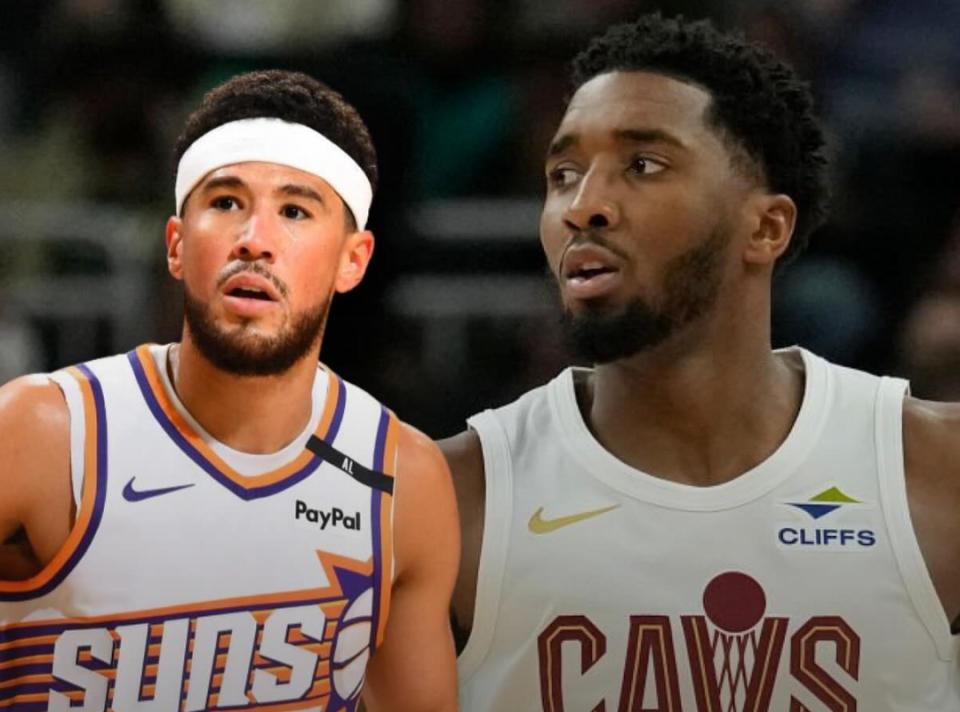
The Cavaliers’ extension for Mitchell is very similar to the one the Suns gave Booker last summer: Booker’s salary for the 2029-30 season (age 33) is projected to be $68.8 million. In terms of career peak, Mitchell is better than Booker, who has only made the top-ten All-NBA team once. But both belong to the same type of shooting guard: it’s very difficult for them to lead a team to a championship as the primary star.
The word “difficult” here is merely a probability assessment; Jalen Brunson just proved that a small shooting guard can win Finals MVP. The Cavaliers hope Mitchell can replicate that achievement during the contract period, ideally in the early years before his salary skyrockets and before he reaches his mid-30s.
However, in terms of playoff accomplishments, Mitchell is a tier below Brunson; most importantly, Brunson signed a below-market extension, giving the Knicks ample cap space to build a strong supporting cast.
Mitchell choosing to take the max is understandable—no one can blame him for not taking a pay cut. But the fact remains that this massive contract, combined with the Cavs’ already limited flexibility, makes it difficult for the team to improve in the short term. And this is the tail end of Mitchell’s prime, when the Cavaliers most need to add talent to seize their championship window.


Wonderfulshortvideo
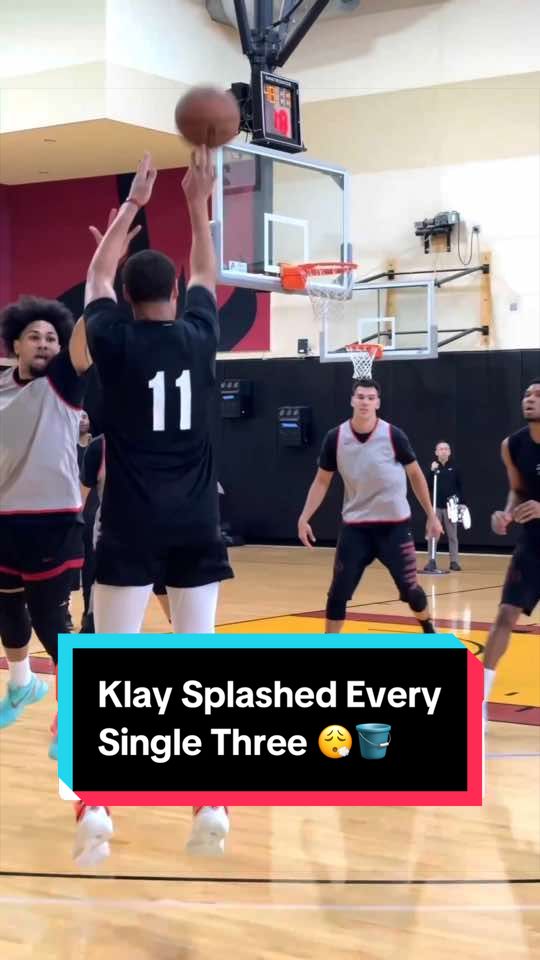
Klay was testing out the nets in South Beach at practice 🔥


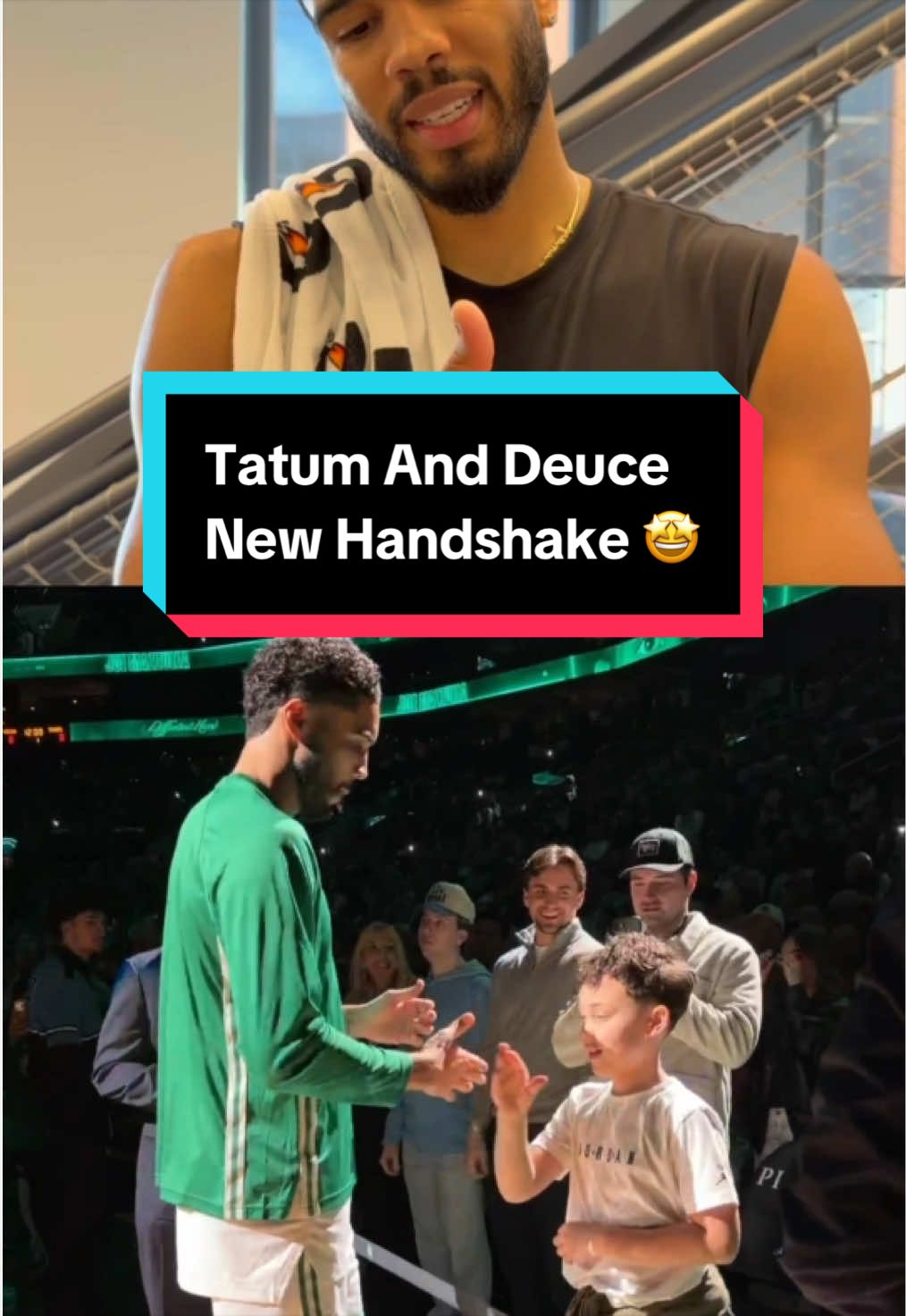
“It’s preseason for everybody. I remember I went through the starting five, and I was like I’m forgetting something…” 🤔 Tatum tuned up his pregame ritual with Deuce this preseason 🤝☘️
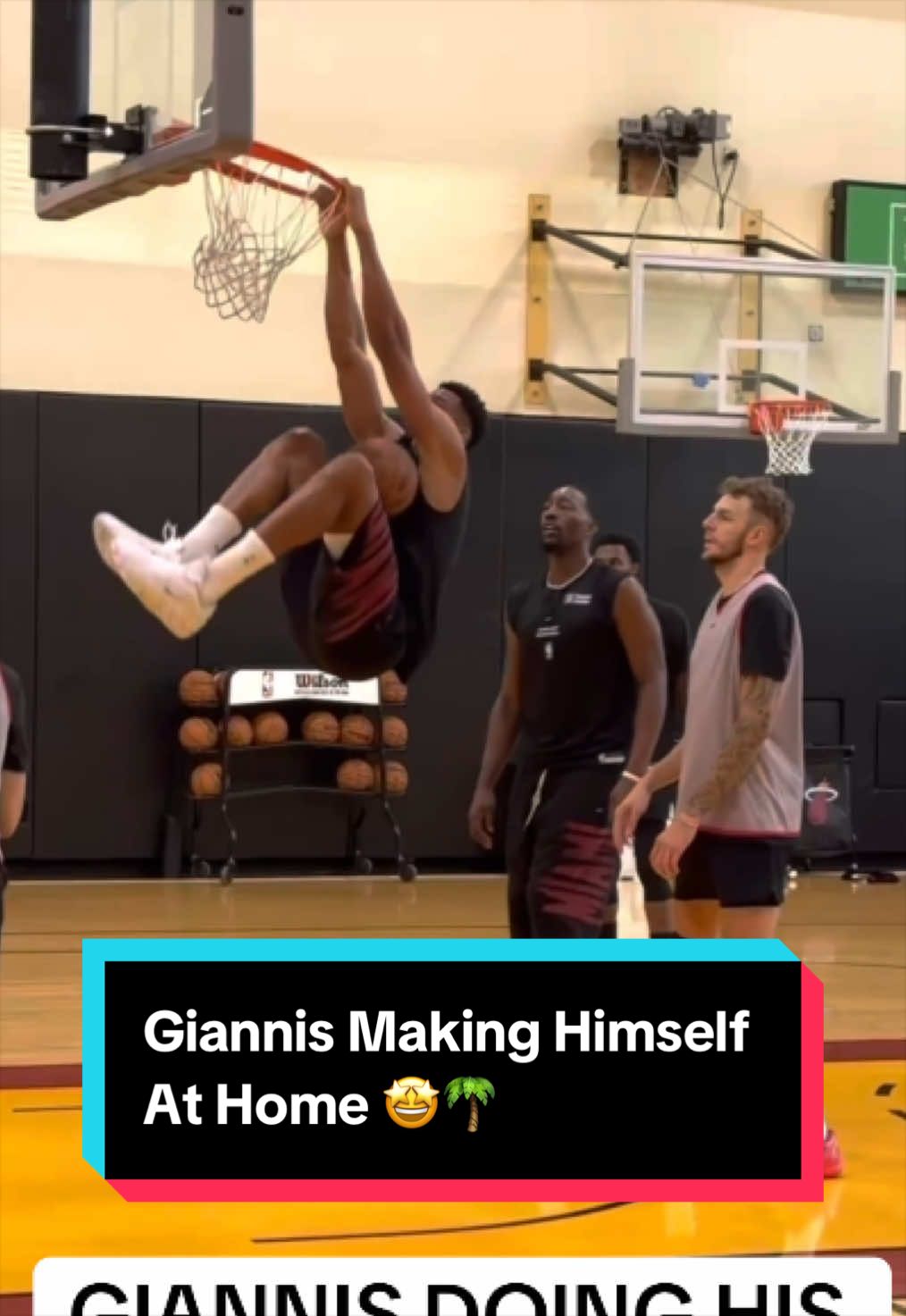
Get a behind-the-scenes look at Giannis at Heat practice! 🔥🤩
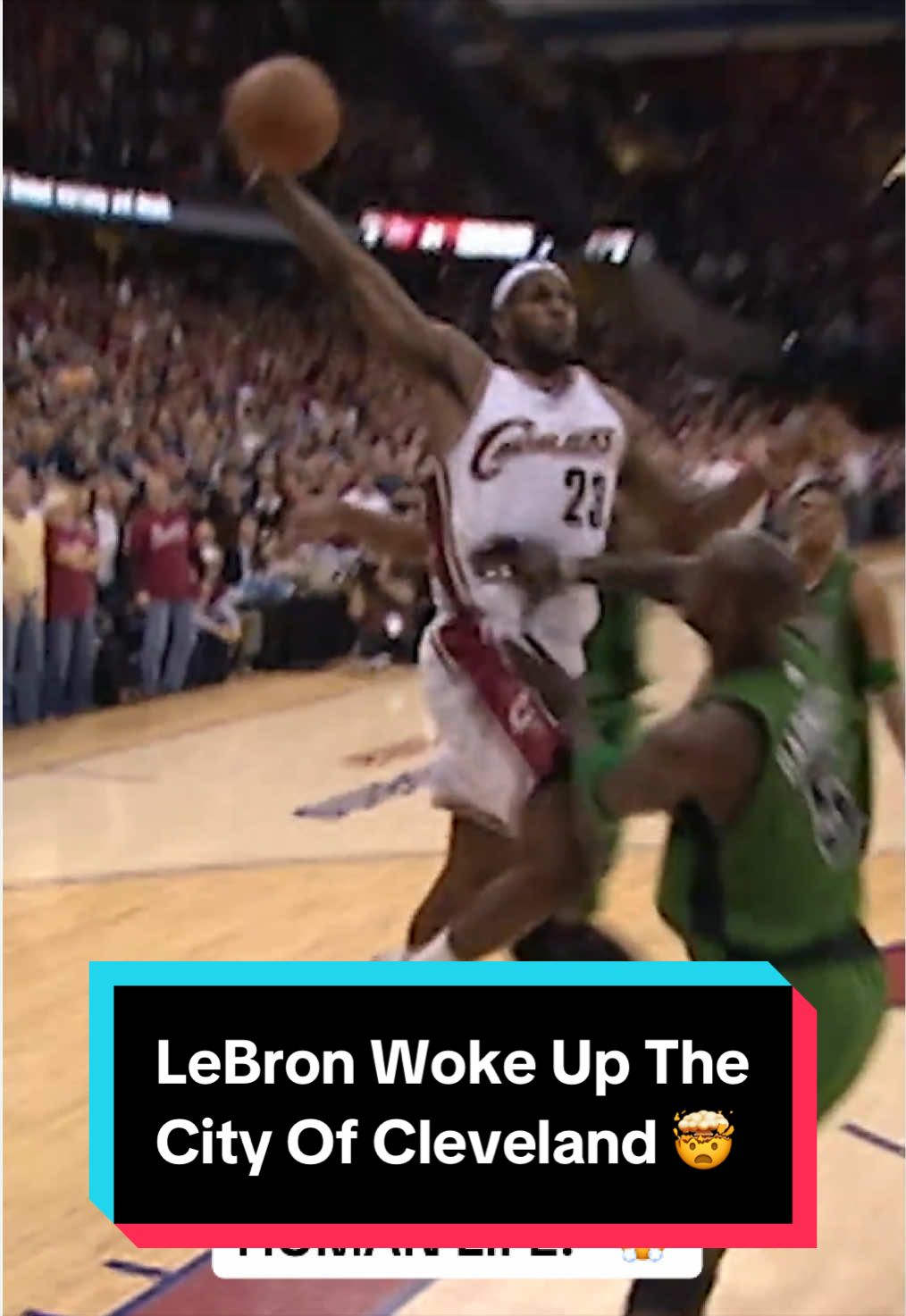
“With no regard for human life!”🫨 In Game 4 of the 2008 Eastern Conference Semifinals, LeBron threw down an unforgettable dunk 🤯
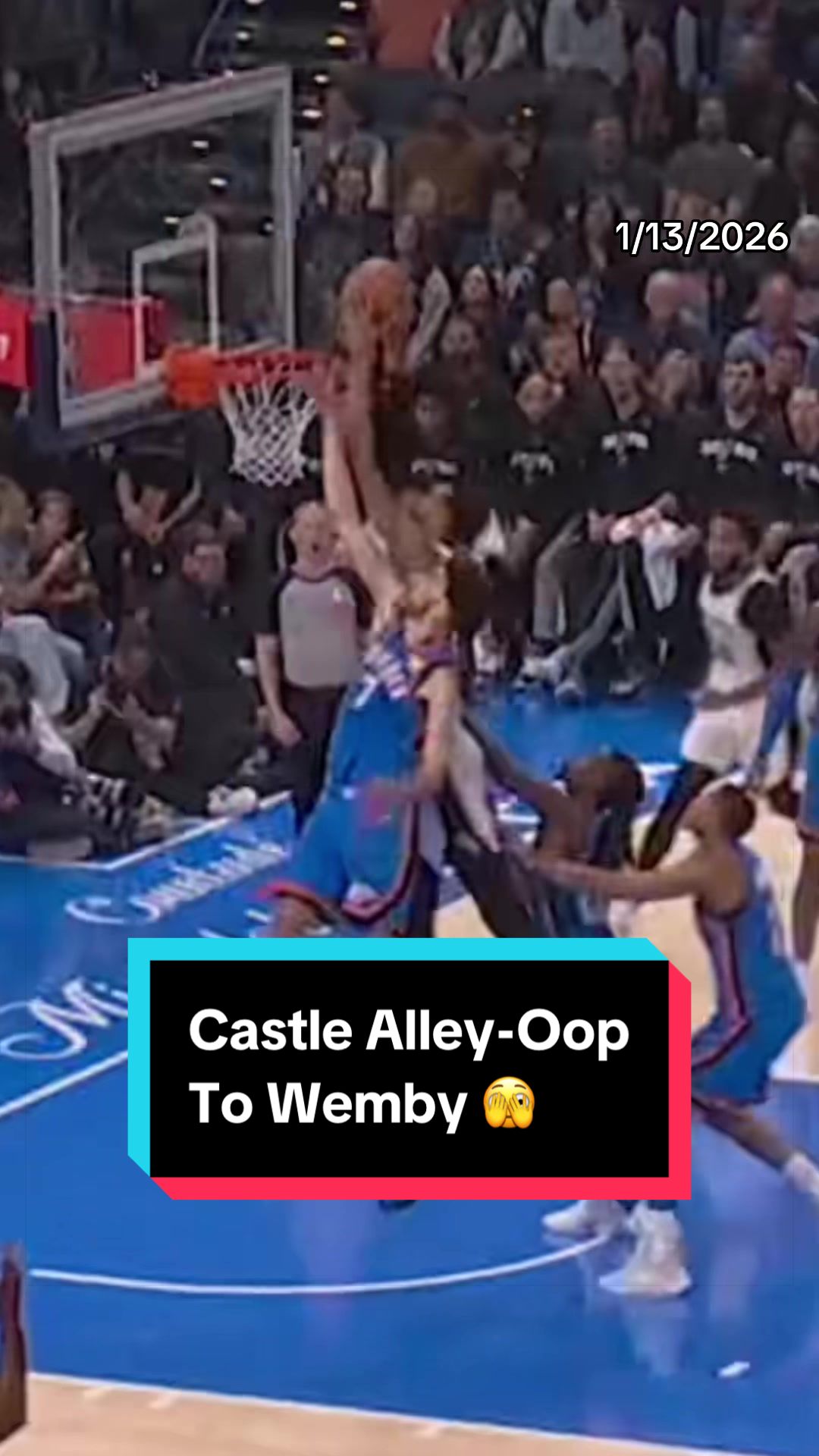
If you give Wemby the lane, it might already be too late 🫣
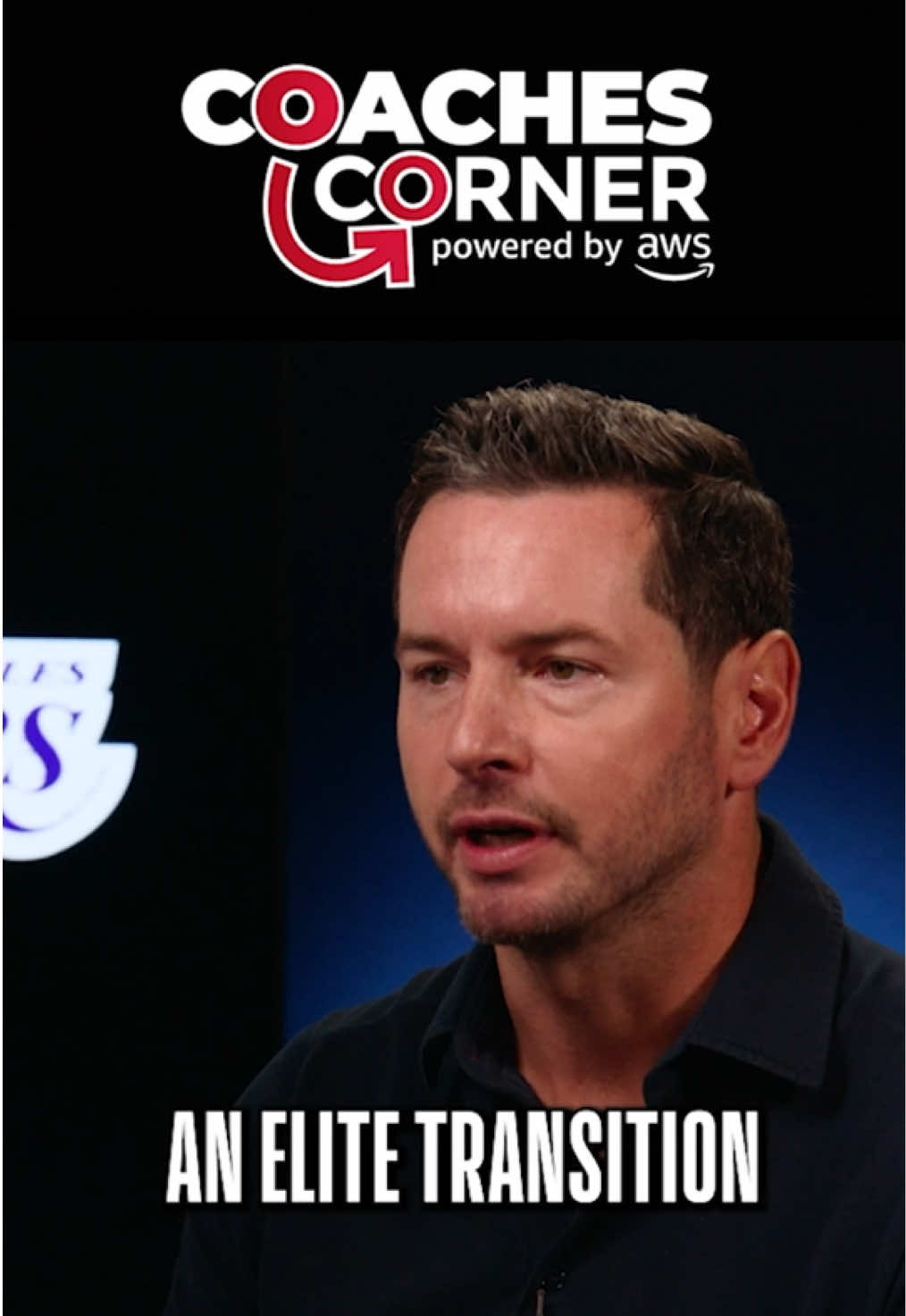
Coaches Corner powered by @AWS goes Inside the Game with Los Angeles Lakers head coach JJ Redick and ESPN analyst Tim Legler as they explore how players like Luka Dončić advance the ball in transition, creating early advantages and opening high-quality scoring chances.
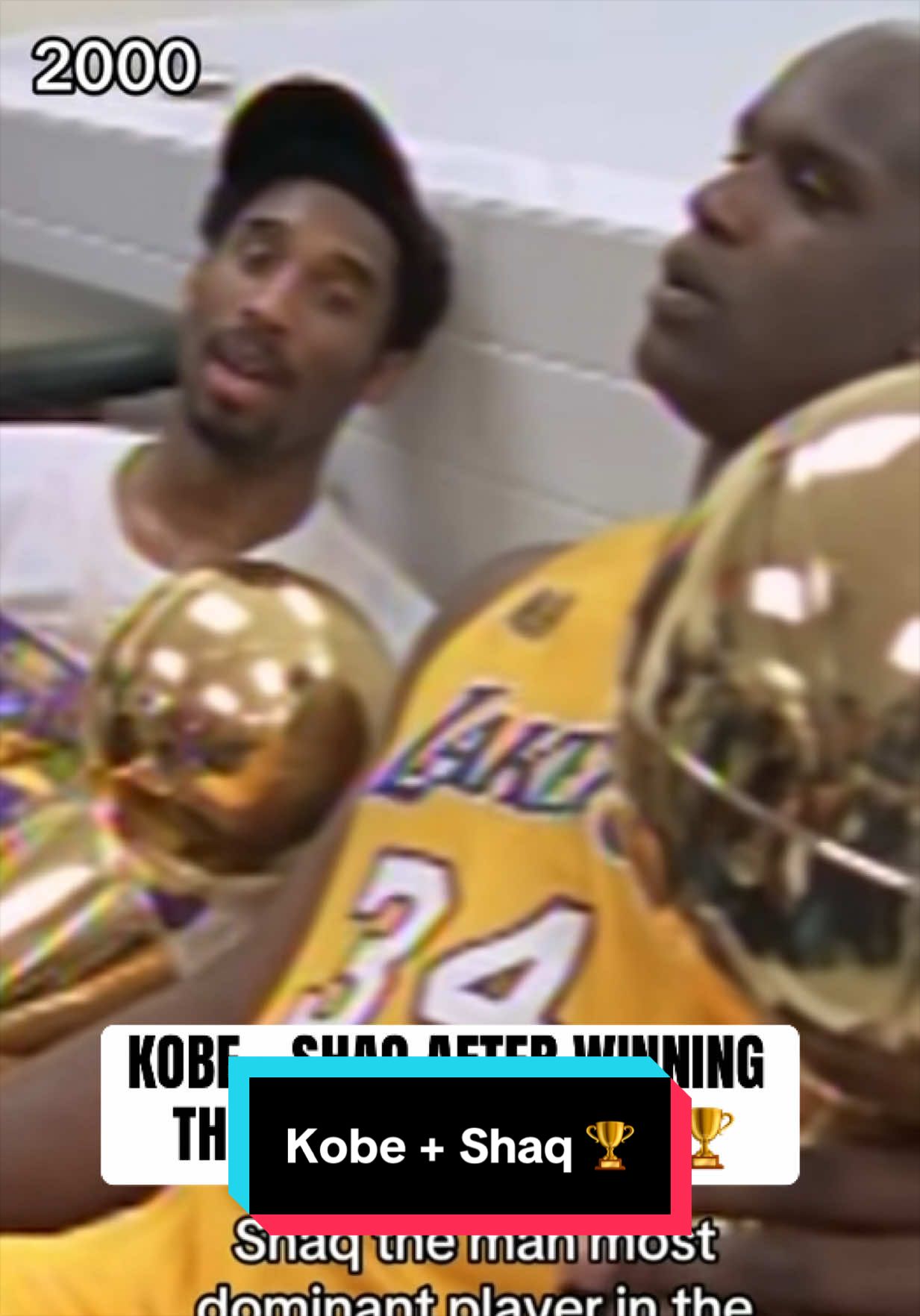
This moment between Kobe + Shaq after leading the Lakers to victory in the 2000 NBA Finals >>> 🏆
 Links
Links
 Contact
 App
App


