



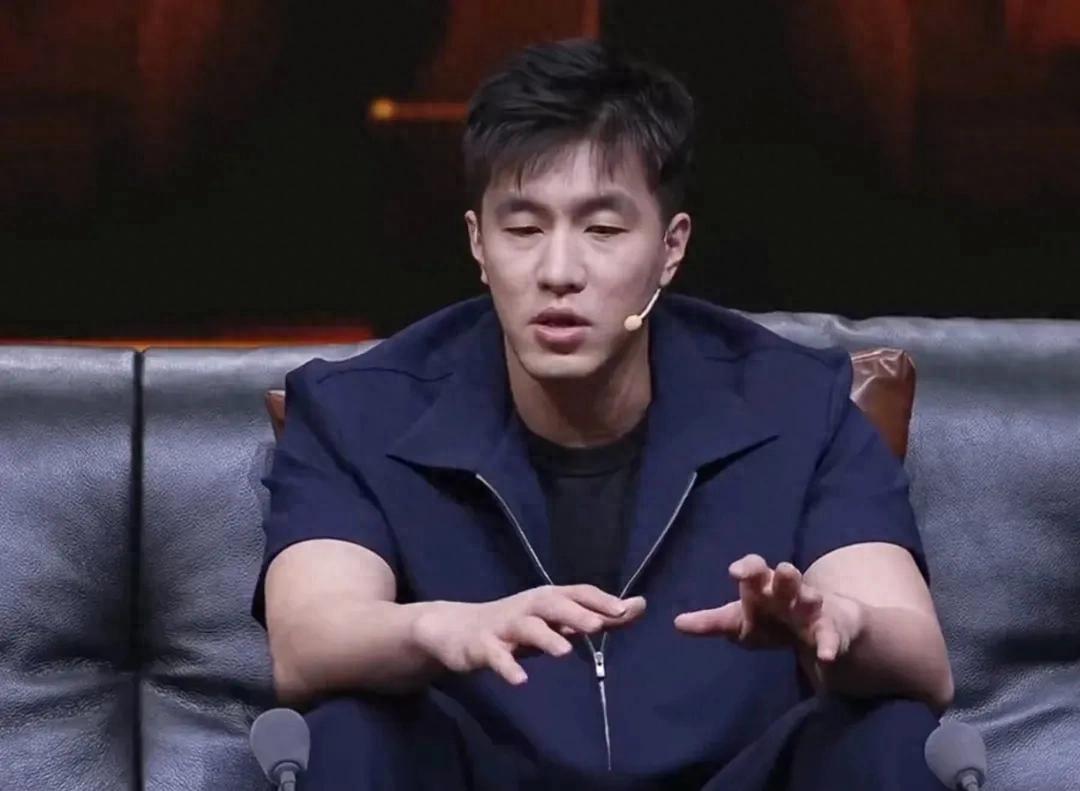
This time, Guo Ailun spoke the honest truth



Yesterday, in the game where the Chinese men's basketball team beat the provincial team, Guo Ailun's comments were thought-provoking.
They basically exposed the ugly reality of Chinese basketball's youth training and pointed out serious problems.
As fans watching the game, we frequently make complaints like these:
"Poor basics!", "Players have no distinct traits!", "Players are too mechanical!", "Weak ball-handling ability!", "Offense gets stuck!"
...
Why does this happen?
A player's game habits and characteristics are not formed on the national team or when he turns 28.
Continental tournaments like this are just a stage to display players' traits.
Drawing from his own growth journey, Guo Ailun frankly exposed the deep-rooted mechanized training issues in domestic youth development, every word reflecting real pain he experienced:
"When I was young, everyone trained with the exact same content daily: collective full-court dribbling, uniform sliding steps, fixed team routines. No one ever gave me extra sessions or personalized skill work. Everyone was molded in the same way, and in the end, nobody had any unique traits. In contrast, NBA and European players each have their own signature moves."
He admitted that the biggest regret of his career was that nobody actively guided him to work on mid-range jumpers and three-point shooting during his early years.
Focusing only on driving for so long caused his shooting weakness to be magnified massively in international games. If he had received targeted training earlier, his ceiling on the national team would have been much higher.
Group training builds fundamentals and team coordination, but it's hard to develop individual technical styles.
Every time the Chinese men's basketball team loses, people complain about poor fundamentals.
So, what exactly counts as fundamentals...
Star players truly refine their personal fundamentals outside of team practice time.
NBA stars all have their own dedicated personal skill coaches.
Teams practice tactics during the day, but stars arrive two hours early in the morning and stay late after practice to work one-on-one with their trainers.
And us? Long-term centralized training camps.
From the national team down to most CBA teams, daily training mostly consists of full-team drills.
During the off-season, they gather for months without much high-level game exposure.
Moreover, "I have to practice" and "I want to practice" are completely different concepts.
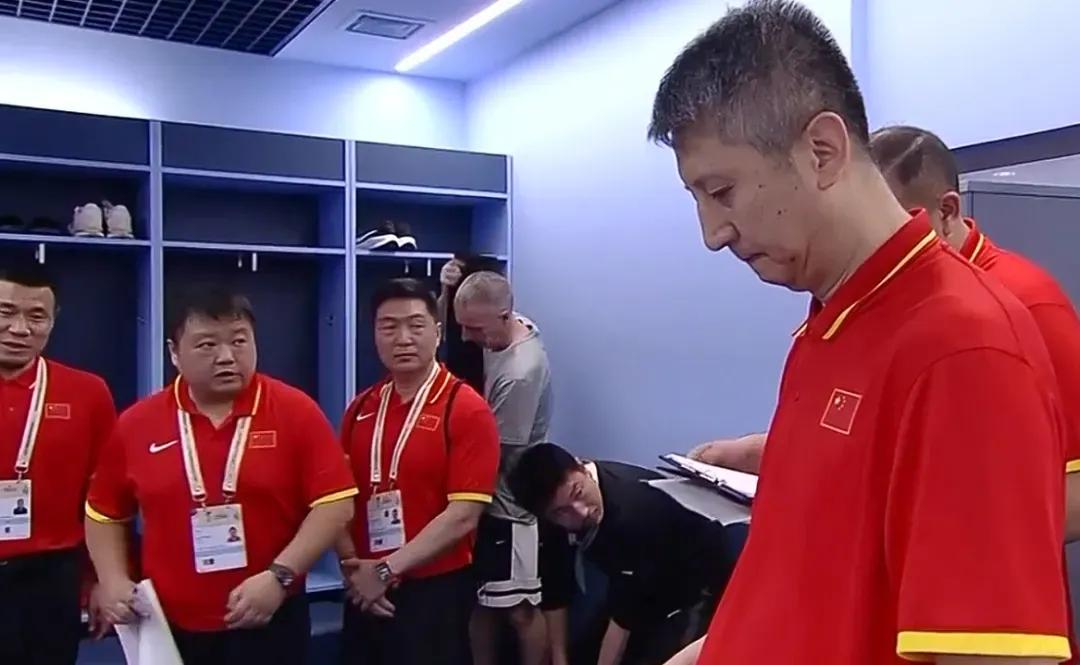
Let's go back to young players.
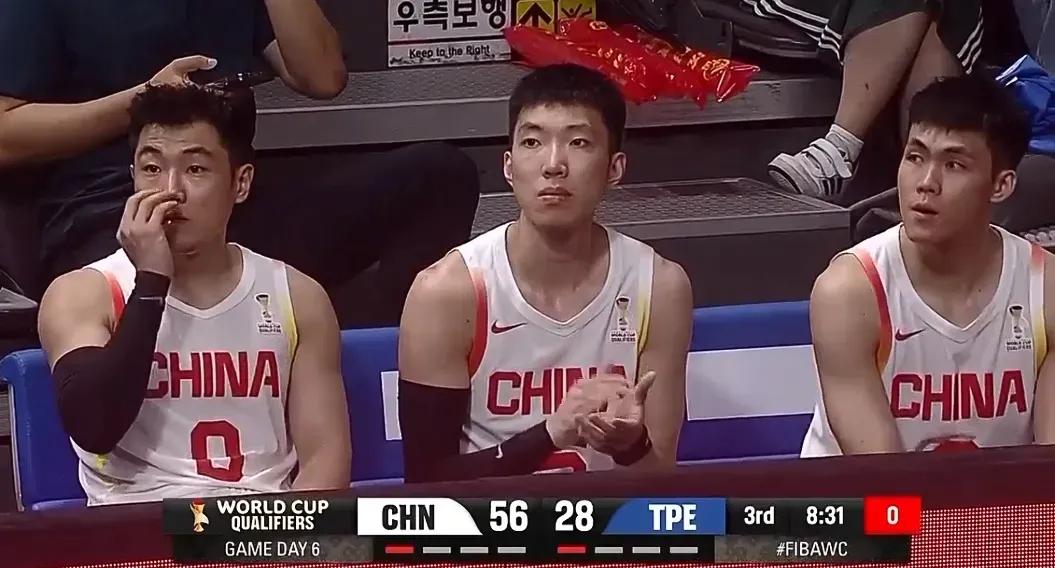
If you've casually followed the recent U17 World Cup, you'll notice that the national youth's future stars, once on the international court facing high-intensity physical defense and disrupted tactical flow, immediately become lost.
The opponent denies them comfortable running lanes; when they get the ball, their rhythm is stiff, lacking changes of direction and pauses, unable to disrupt the opponent's defensive rhythm.
Most importantly, they lack the ability to read the game.
So, who is coaching these players?
Veteran retired players with long experience.
Thinking deeper about Guo Ailun's remarks, Chinese basketball youth training has another serious issue: empiricism.
Among Brother Di's followers, there are plenty of grassroots basketball coaches.
I dare say your coaching logic is largely based on your own playing experience, using that to design training methods.
"I practiced standard moves this way back in the day, so everyone must follow this model."
You really want your students to become the next you.
That's a classic case of empiricism and path dependency.
China's older coaches still practice sliding steps, suicides, full-court dribbling, and repeated tactical runs the same way they did when young.
Since some players were produced this way in the past, they assume this method is forever correct.
They don't account for changes in eras.
In the past, basketball was slower, with rougher contact and a focus on stamina and running. Modern basketball emphasizes rhythm changes, ball-handling to create space, and spacing, yet the training model hasn't evolved with the playing style.
The Chinese men's basketball team had glory in the 1990s, but if you watch the old footage, is the game pace the same as today?..
Why did Guo Ailun express such feelings?
His coaches, during their playing days, were trained under the collective centralized system and lacked personal ball-handling training themselves.
Having never refined diverse individual skills as players, it's naturally hard for them to teach players to develop their own technical traits.
It's difficult to pass on training methods you've never experienced yourself.
Youth team leagues have few games, and the pressure to win is huge.
In the short term, focusing on fitness, defense, and tactical discipline yields the fastest results.
So... what next? How do we move forward?
1. Talented prospects, where possible, should go abroad.
2. Chinese basketball needs to introduce the concept of specialized coaches.
For instance, retired players like Ding Yanyuhang and Guo Ailun, who often trained in the US, are among those exposed to new approaches.
They could contribute in terms of position-specific skills.
Take Li Ang, the current assistant coach of the Chinese men's basketball team.
His overseas experience allows him to break free from local basketball thinking and bring back different competitive concepts and perspectives.
Those familiar with Chinese history know that waves of ideological liberation often start with a few insightful people opening the window of the era.
But this change can't be accomplished by one or two individuals; it's a very long process.
For now, Chinese basketball just has to endure...
It's not as simple as just swapping a coach.
Finally, there's one thing I really want to say.
Many times, fans criticize the wrong thing: Chinese players have never been unwilling to practice so-called fundamentals.
If we talk about the amount of time invested, we're definitely among the world's top.
As for how they practice, that's another matter entirely.
A narrow definition of fundamentals, practicing without game-like resistance, and lack of high-level competitive testing.
It's like in school: your class always has some extremely hardworking students.
Yet their college entrance exam scores can't beat yours, the slacker...


Wonderfulshortvideo
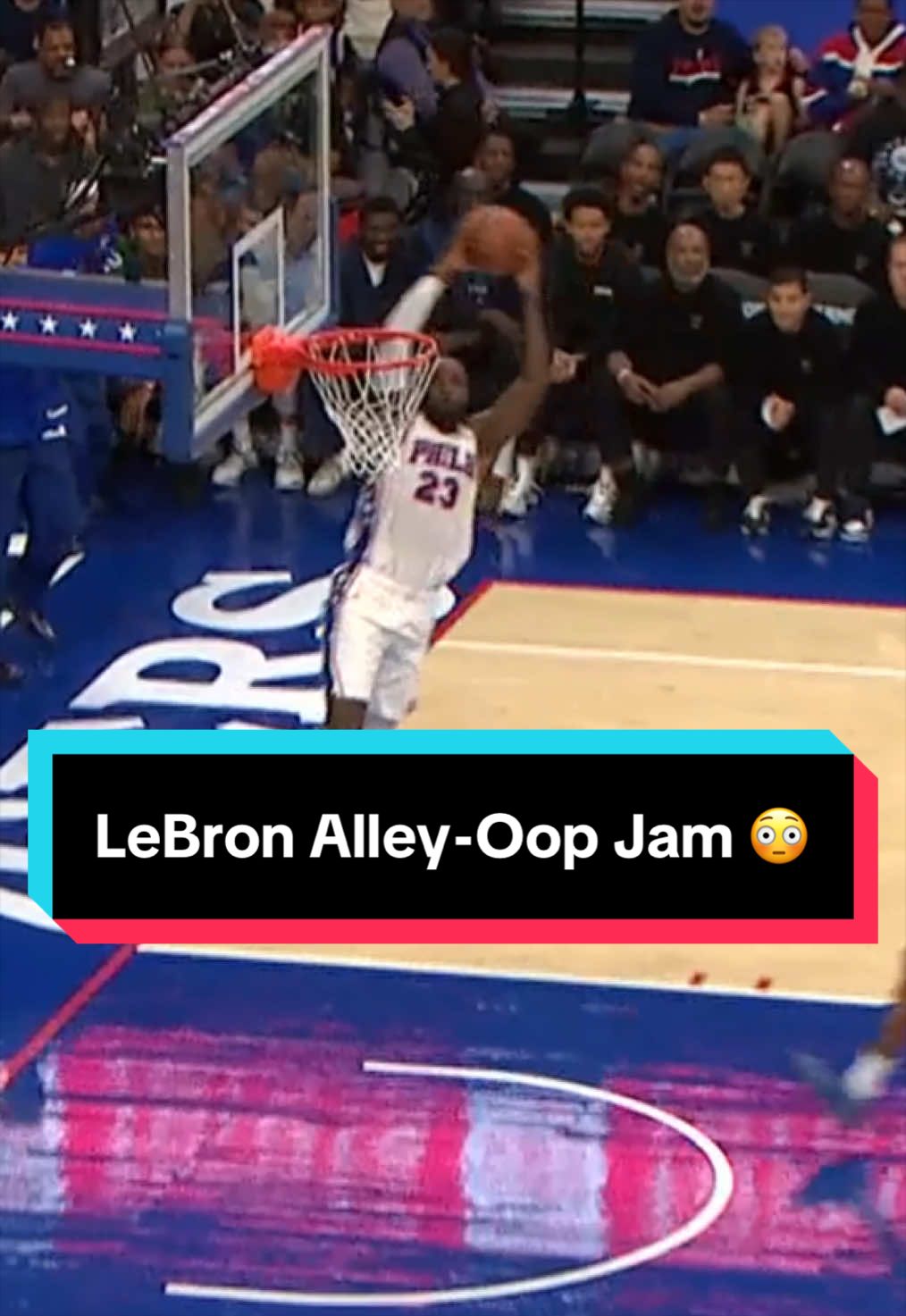
Maxey ➡️ LeBron for the slam ‼️


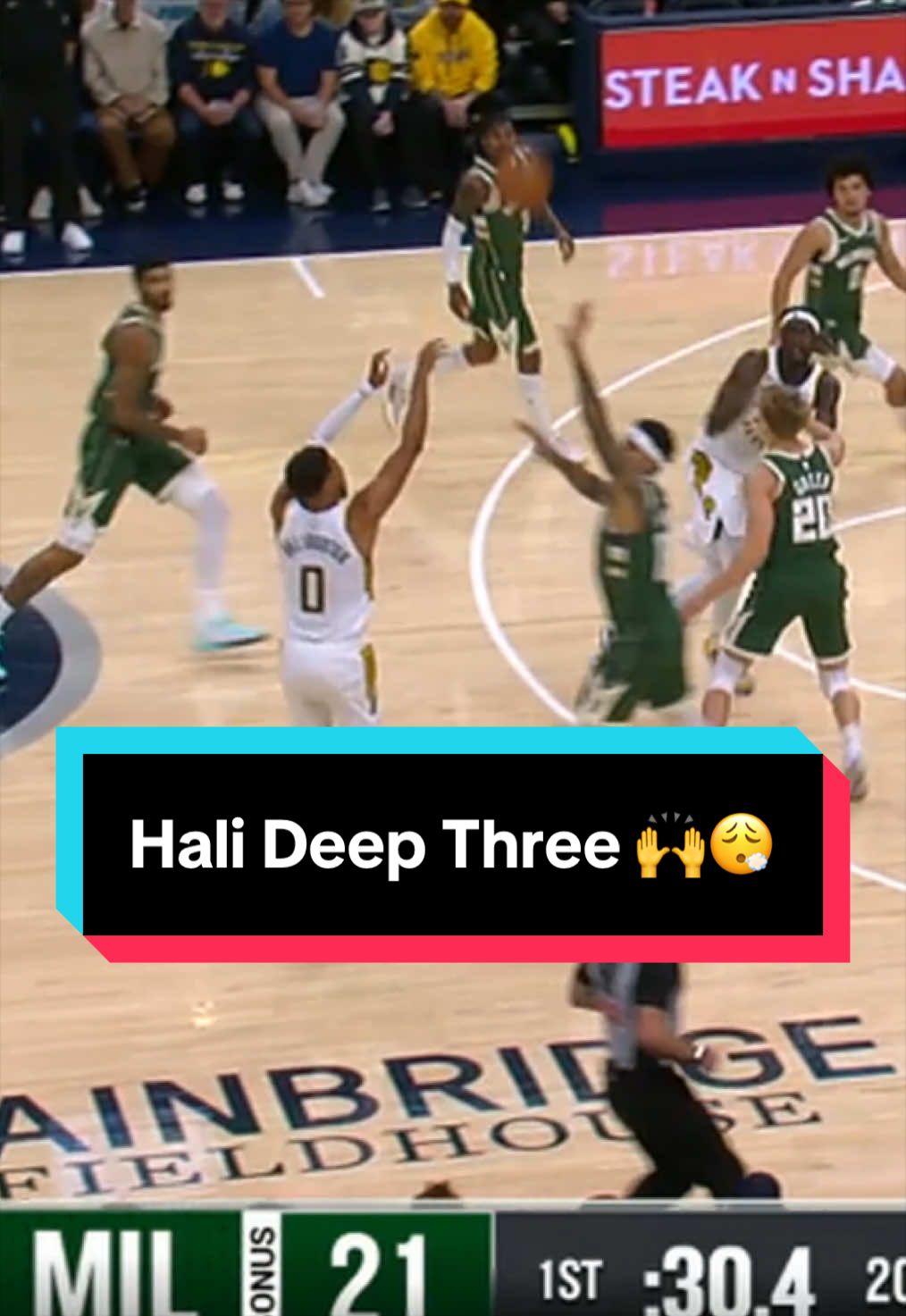
Hali knocks it down near the logo 🔥
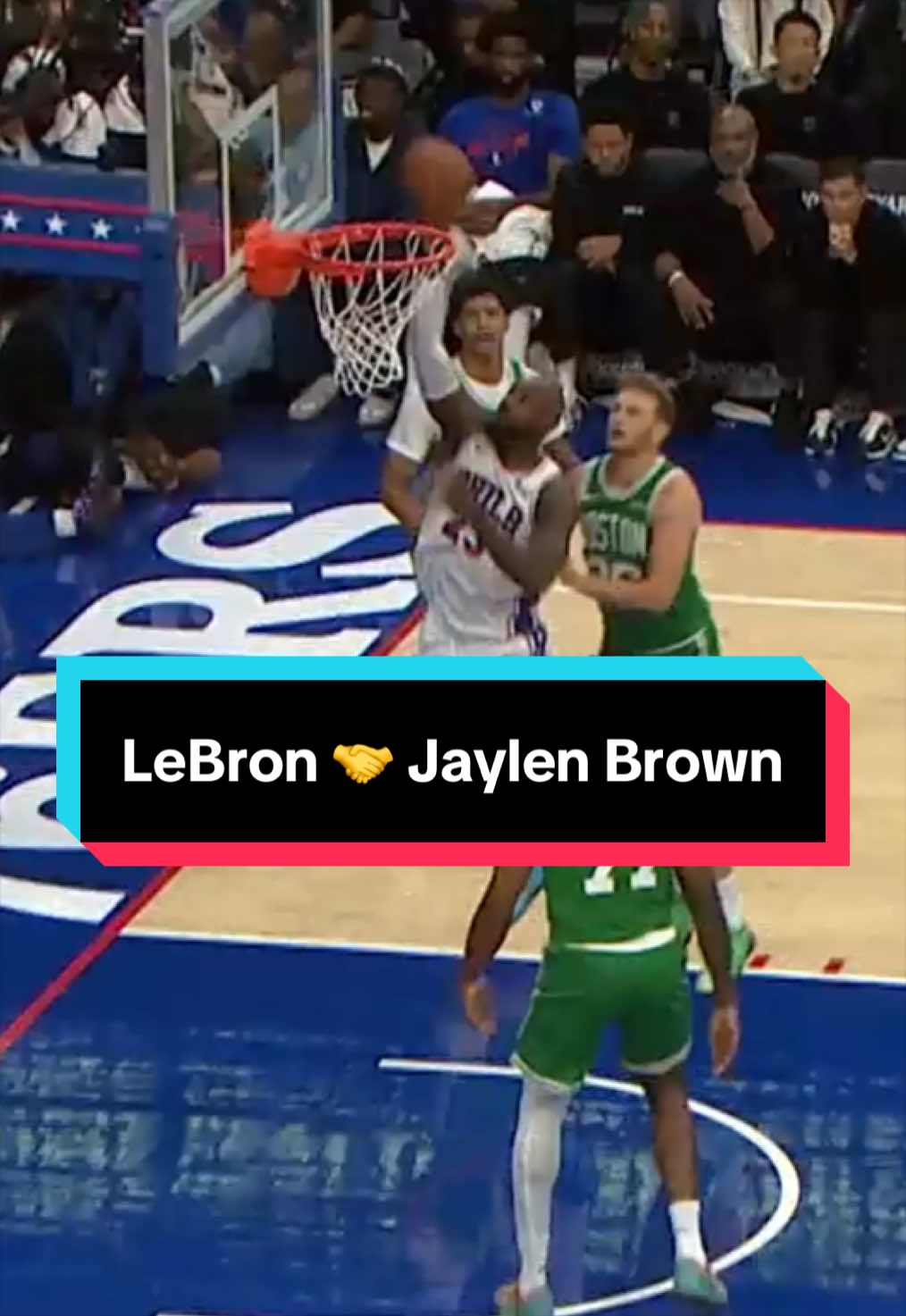
LeBron and Jaylen out here making plays 😮💨
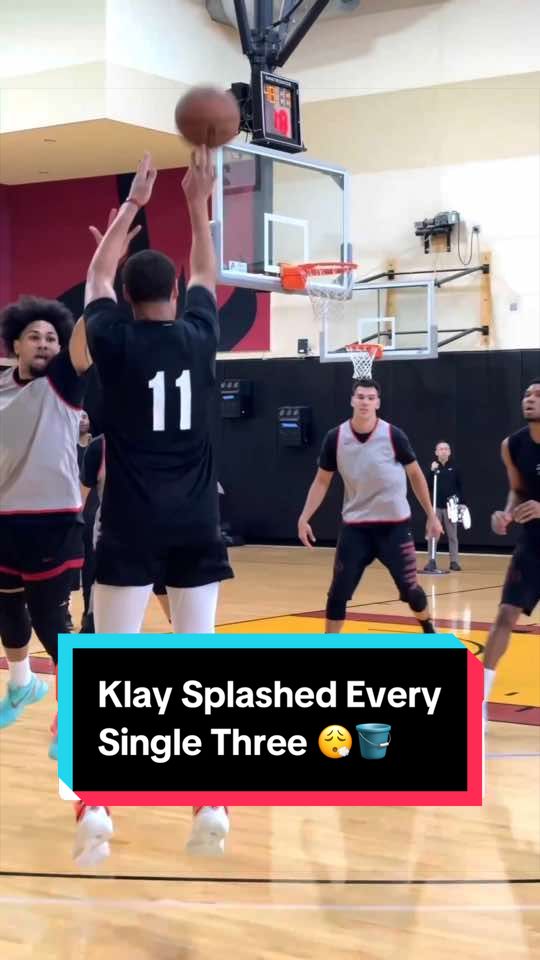
Klay was testing out the nets in South Beach at practice 🔥
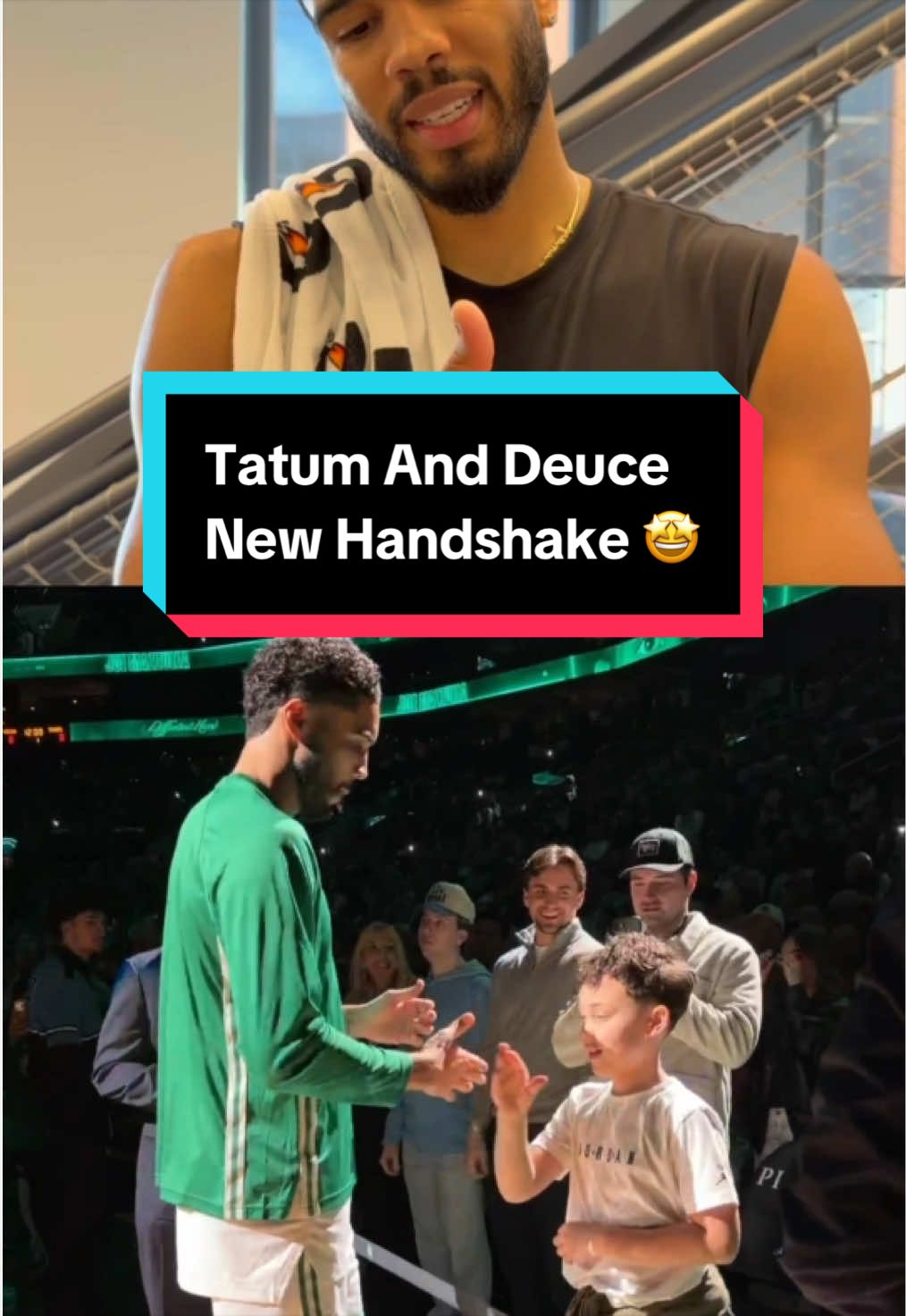
“It’s preseason for everybody. I remember I went through the starting five, and I was like I’m forgetting something…” 🤔 Tatum tuned up his pregame ritual with Deuce this preseason 🤝☘️
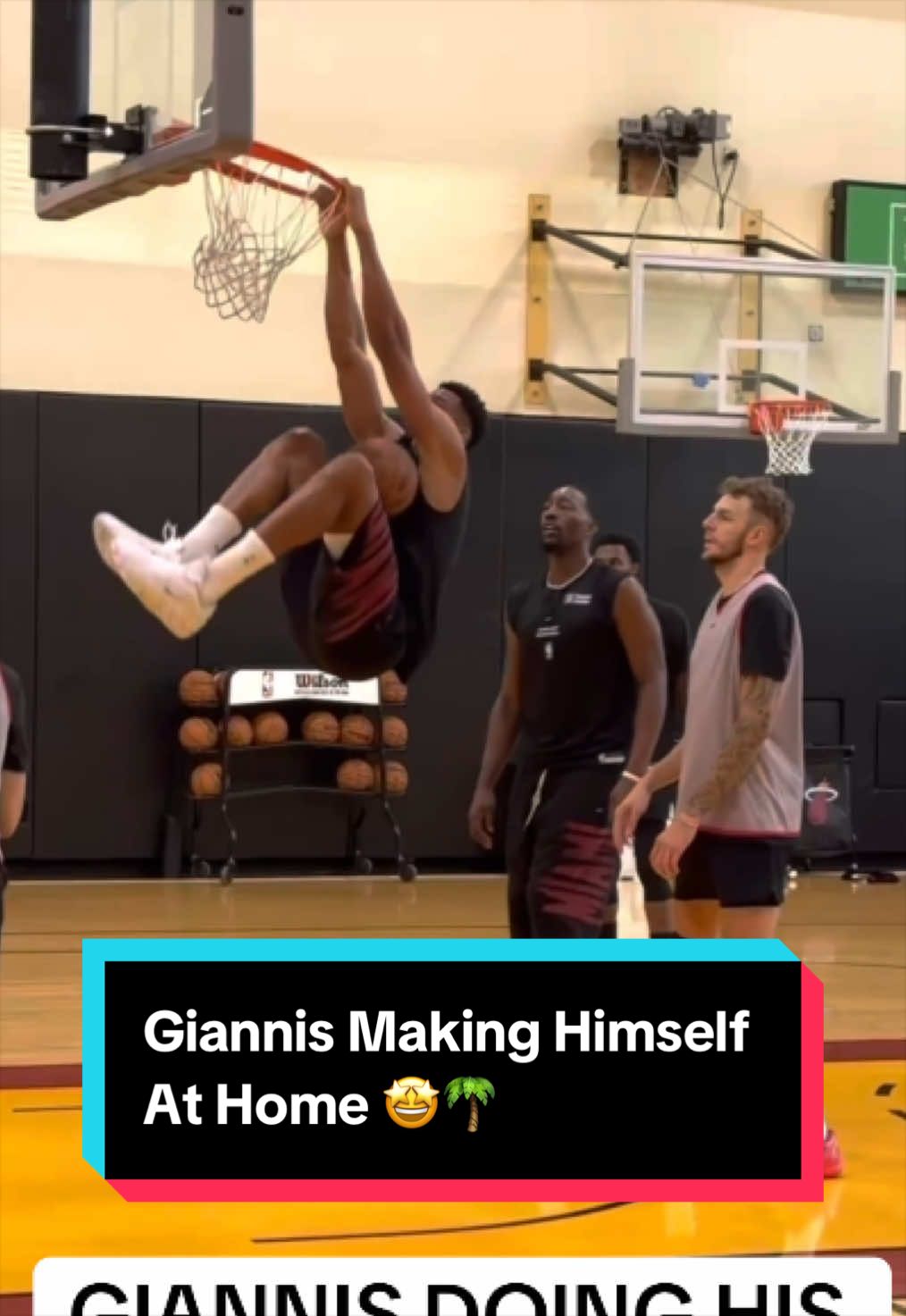
Get a behind-the-scenes look at Giannis at Heat practice! 🔥🤩
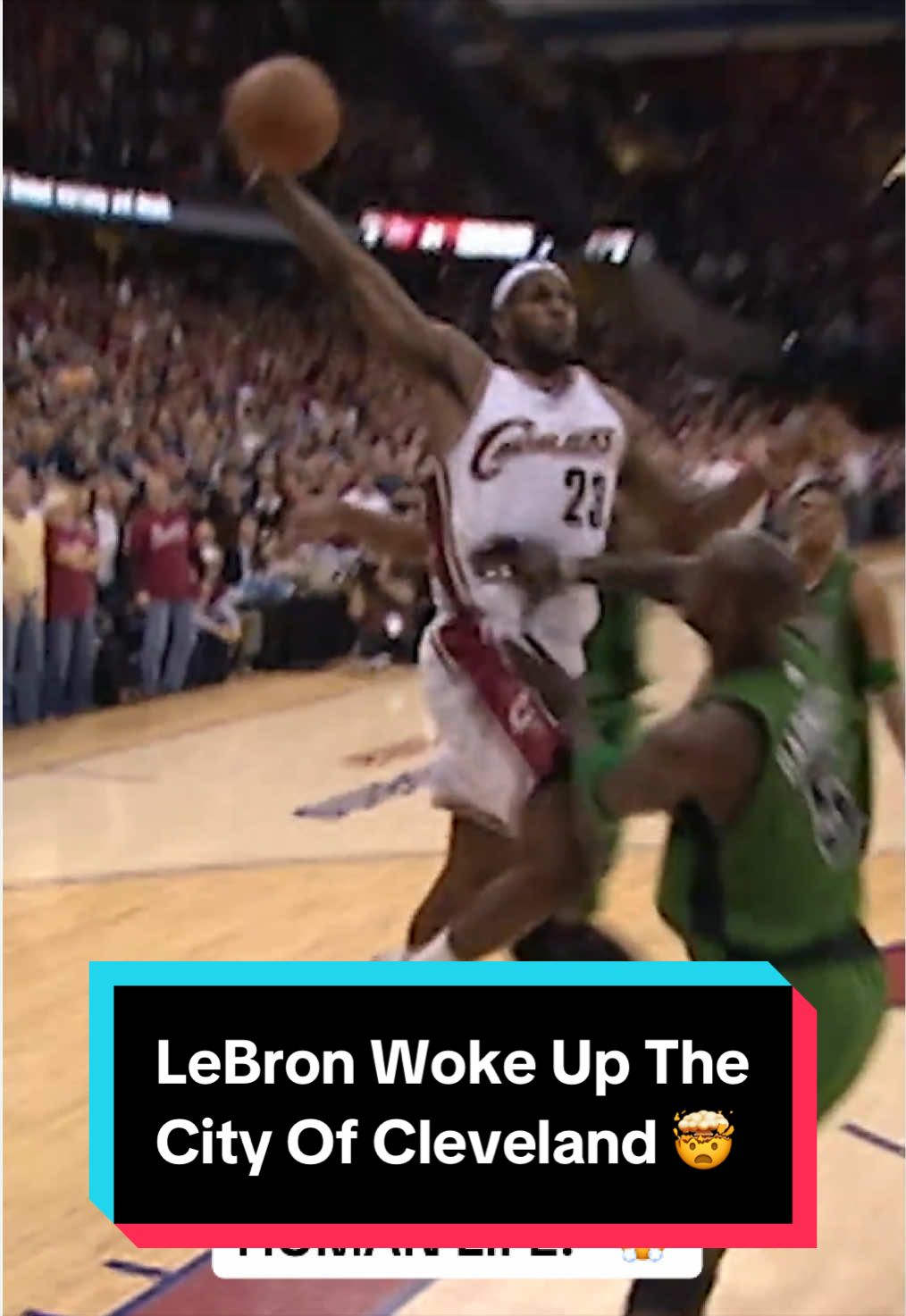
“With no regard for human life!”🫨 In Game 4 of the 2008 Eastern Conference Semifinals, LeBron threw down an unforgettable dunk 🤯
 Links
Links
 Contact
 App
App


