



U.S. Media Ranks 10 Most Underrated Signings! Rockets Re-sign Eason Makes List, 76ers and Suns Both Appear Twice



As of July 5, Beijing time, the 2026 NBA offseason has seen some blockbuster signings and trades that shook the league. But not all game-changing moves come from these headline deals. Some under-the-radar, cleverly crafted, and high-value signings can quietly shift a team's competitive balance.
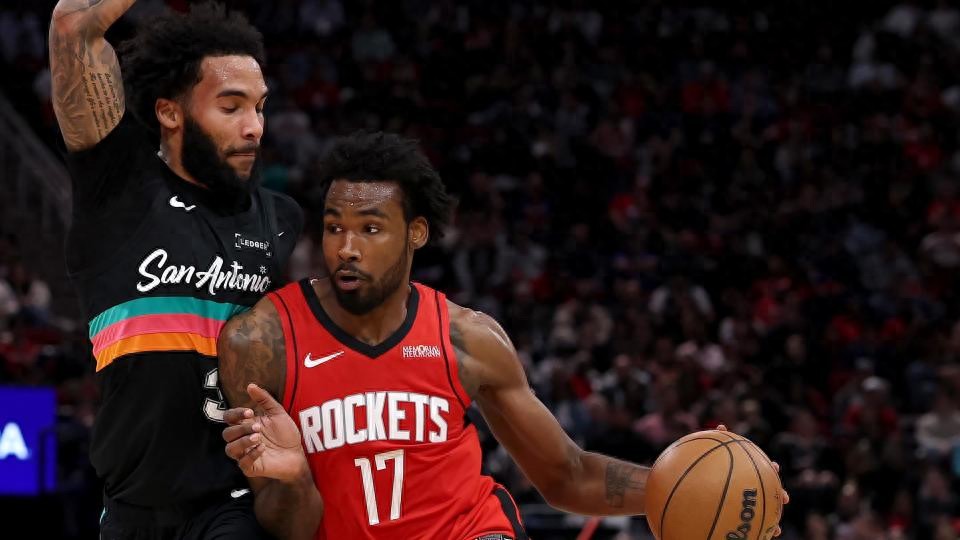
Especially with the league's enforcement of the 'super-tax' salary rules, every penny of cap space must be maximized. Renowned U.S. media outlet Bleacher Report has compiled a list of the ten most undervalued quality signings so far this offseason.
1. Julian Champagnie | Spurs
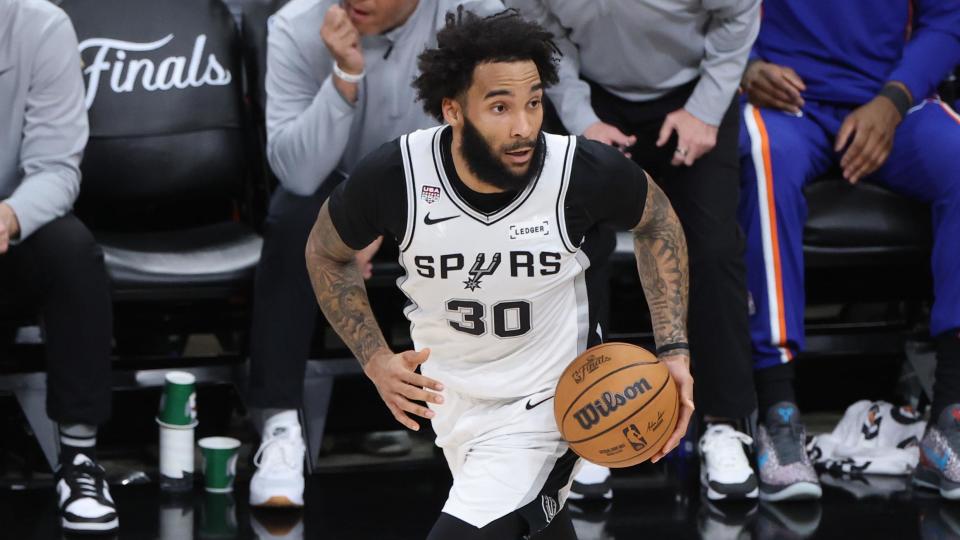
Contract: 3 years, $45 million
Last season, the Spurs transformed from a developing young squad into a 62-win elite team. Two of their regular rotation players posted a net efficiency rating of over +7.0 per 100 possessions: Victor Wembanyama and Julian Champagnie.
As long as Wembanyama stays in San Antonio, the team won't hesitate to offer him a max contract. Meanwhile, Champagnie signed for an average of just $15 million per year, a deal that offers incredible value—his annual salary is less than half of what Jerami Grant, Dejounte Murray, or Immanuel Quickley will earn in the 2026-27 season.
Standing 6'7", Champagnie is a top-tier perimeter shooter and a reliable defender capable of switching across multiple positions. At 25, he is in the prime of his career. Every contending team is desperately seeking a 3-and-D wing of his caliber, and the Spurs secured his peak years for the price of a mid-level exception. This signing deserves high praise.
2. Tari Eason | Rockets
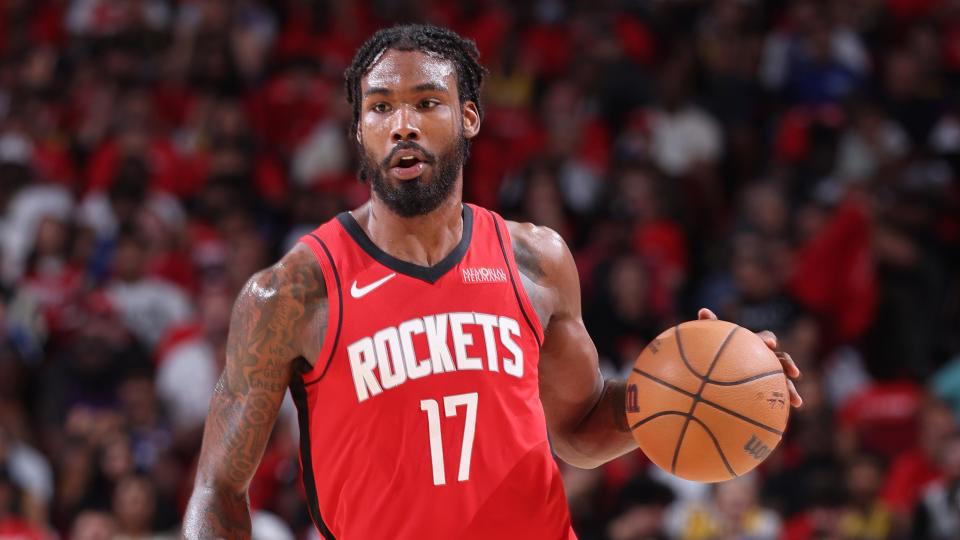
Contract: 5 years, $81.5 million (player option in the final year)
When the Rockets began negotiating a contract extension with Eason last offseason, the market generally expected a nine-figure deal. In the end, Houston secured him for about $20 million less than anticipated, locking him into a five-year contract.
This deal also reflects that Eason didn't deliver a flawless performance in his contract year: his two-point percentage dropped significantly, and his scoring average dipped. However, he managed to play over 57 games for the second straight season, finally putting his previous injury concerns behind him.
Eason is a versatile defender with a full toolkit and serves as the perfect glue guy on offense. He just turned 25 in May. His ceiling is high, and he has a strong chance of making an All-Defensive team. In terms of on-court value, this contract might even undersell his abilities.
3. Collin Gillespie | Suns
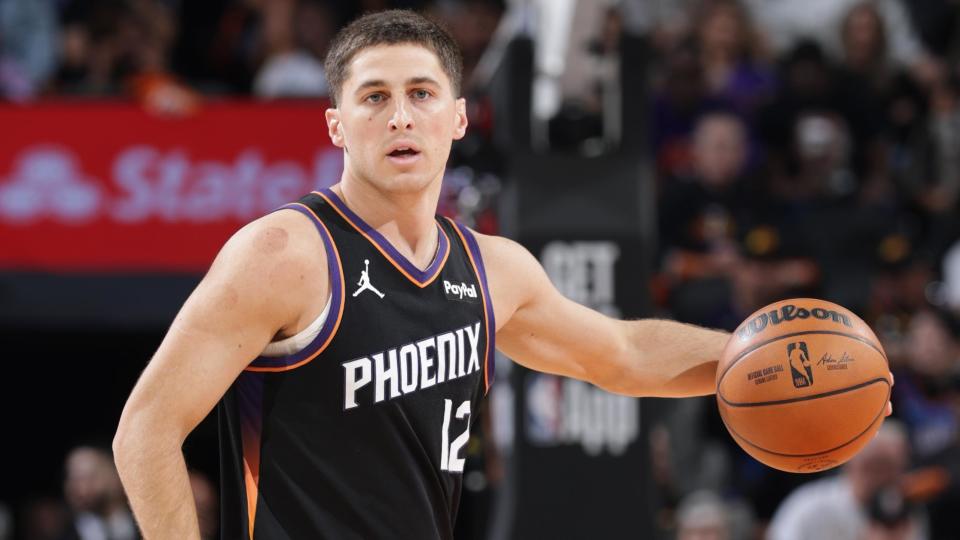
Contract: 4 years, $48 million
Many teams tend to overpay when they find a surprisingly effective role player, but the Suns exercised remarkable restraint. A few years ago, no one would have predicted that an undrafted player like Gillespie would land a four-year, $48 million deal: he went undrafted in 2022 and spent his first three seasons on two-way contracts.
Last season was his breakout year, shooting 40.1% from three-point range and an impressive 45.8% on catch-and-shoot threes, ranking second in the league among players with at least 100 attempts. He also showed veteran poise in running the offense, averaging 4.6 assists against just 1.6 turnovers, significantly easing Devin Booker's ball-handling duties.
On defense, he plays with relentless energy (despite physical limitations) and is a clear-headed, steady role player who knows his strengths and weaknesses. This $12 million annual salary perfectly matches the value of a 27-year-old player in his prime.
4. Luke Kennard | Suns
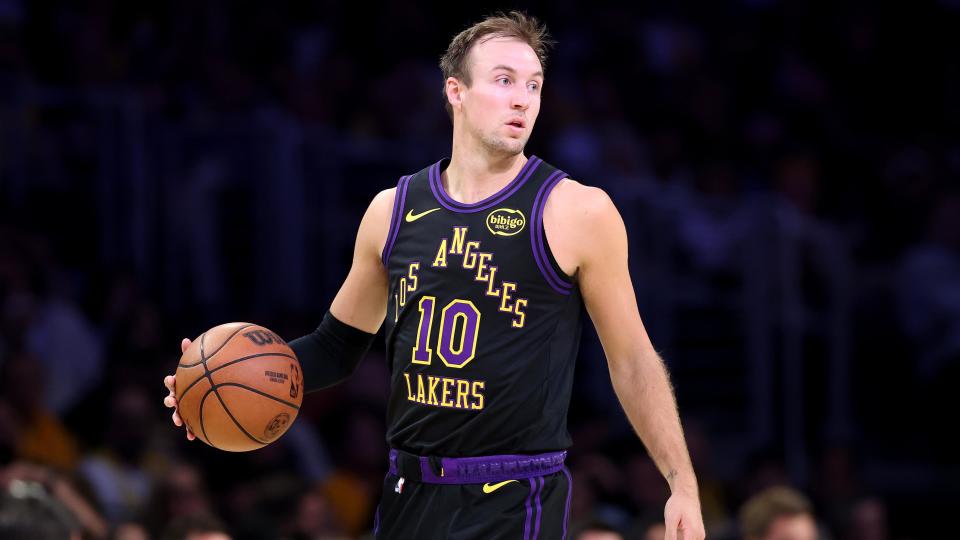
Contract: 2 years, $13 million
The league has never valued three-point shooting more than it does now, and Luke Kennard led the NBA in three-point percentage last season at 47.8%, marking the third time in the last five seasons he has topped the league in that category.
In comparison, the Pistons gave Kevin Huerter a three-year, $27 million deal this summer. Against that backdrop, the Suns' signing of Kennard feels like a steal. Just last summer, the Hawks paid Kennard $11 million annually; now, his new contract's average salary has been cut in half. He achieved 50-40-90 club standards last season and averaged 18-plus points efficiently over three playoff games.
This move by the Suns is nothing short of brilliant. Their other two signings also show sharp judgment: Mark Williams for three years and $38 million, and Pat Spencer on a two-way deal. A series of quality additions almost makes you forget the unprotected future first-round pick they gave up for Miles Bridges. Not every move can be perfect.
5. De'Anthony Melton | Warriors
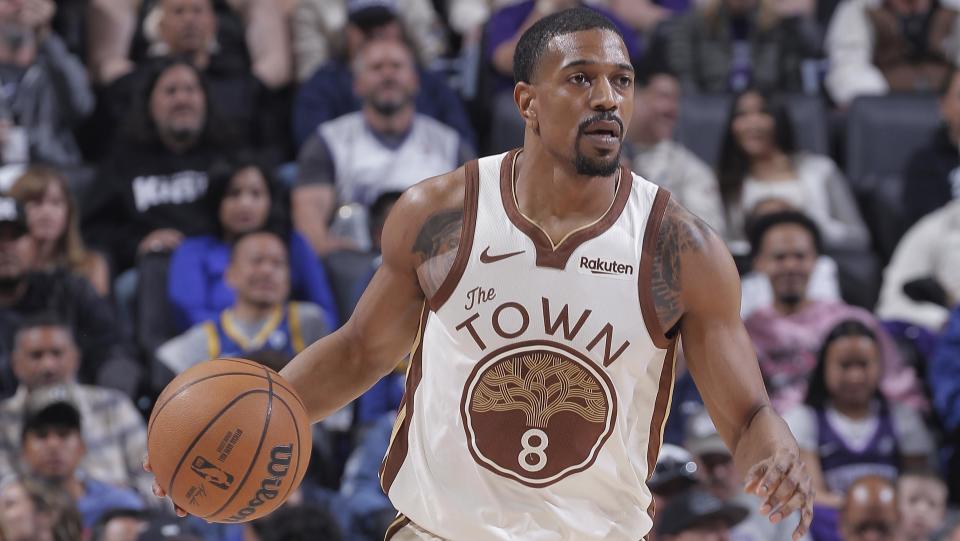
Contract: 2 years, $11 million (player option in the second year)
In the future, Melton might land a big contract, but only if he stays healthy enough for a team to move beyond a low-cost, "prove-it" deal. This two-year short-term contract mirrors the structure of the one he signed last year.
Over the past three seasons, he has played in only 93 games combined—a persistent availability issue—but when he's on the court, his impact is undeniable. He excels at generating steals, forcing turnovers, attacking the basket off the dribble, and finishing efficiently. In his eight-year career, he has posted a negative net rating just once, and last season his net rating was an impressive +5.8.
He suffered an ACL tear in November 2024, but if he can fully recover from that injury, his value will rise again; a return to his three-point shooting form would be a bonus (29.4% last season, compared to a 38.3% average over the previous five years). He is bound to see a surge in value, and the Warriors are getting a bargain by signing him now at a low price.
6. CJ McCollum | Hawks
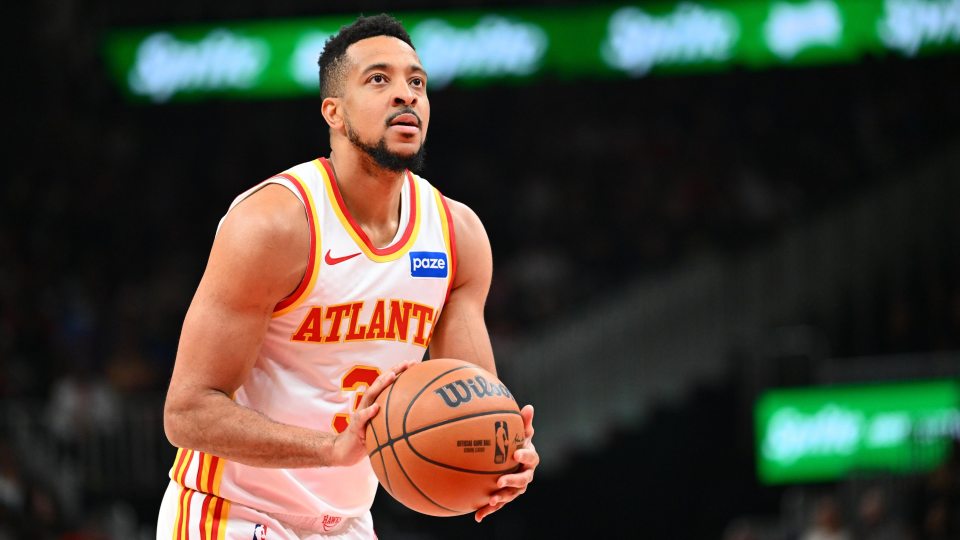
Contract: 1 year, $21 million
Last postseason, no team could contain the eventual champion Knicks—except CJ McCollum, who gave them significant trouble. In the first round, the Hawks beat the Knicks twice, while the Knicks lost only two games total across their next three series combined.
McCollum is now 34 and has always been a defensive liability; he averaged 18.7 points last season, his lowest since 2014-15, and 3.9 assists, his lowest since 2020. Many teams passed on him in free agency because of these concerns, but the Hawks got a steal by signing him.
He perfectly fits the Hawks' need to compete in the Eastern Conference: elite at creating his own shot, unafraid to take crucial baskets, and battle-tested from years of playoff experience. With a versatile offensive game, he offers tremendous value at $21 million per year.
7. Landry Shamet | Knicks
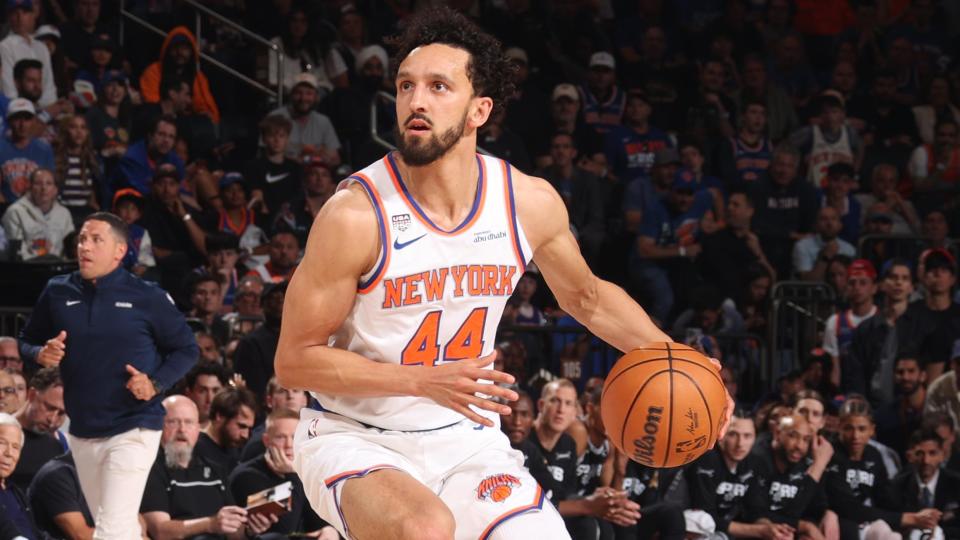
Contract: 4 years, $24 million
In 2024, Shamet was waived twice, and by December of that year, he was playing on a prorated minimum salary. Last September, he signed another minimum contract. Compared to that, this four-year, fully guaranteed deal is a huge step up for him. Given his consistent and efficient shooting in the Finals, he could have commanded a higher salary elsewhere.
His three-point shooting is consistently solid: 39.2% last season, a jump to 47.5% in the playoffs, and a career average of 38.6%. While not an explosive athlete, he is an adequate defender, has excellent off-ball movement, and can make simple passes to keep the offense flowing.
His overall skill set is worth far more than his $6 million annual salary. The Knicks offer him a stable rotation spot, a championship-contending platform, and the contract security he lacked during his minimum-salary days. For Shamet, this is a decent deal; for the Knicks, it's a steal.
8. Day'Ron Sharpe | Nets
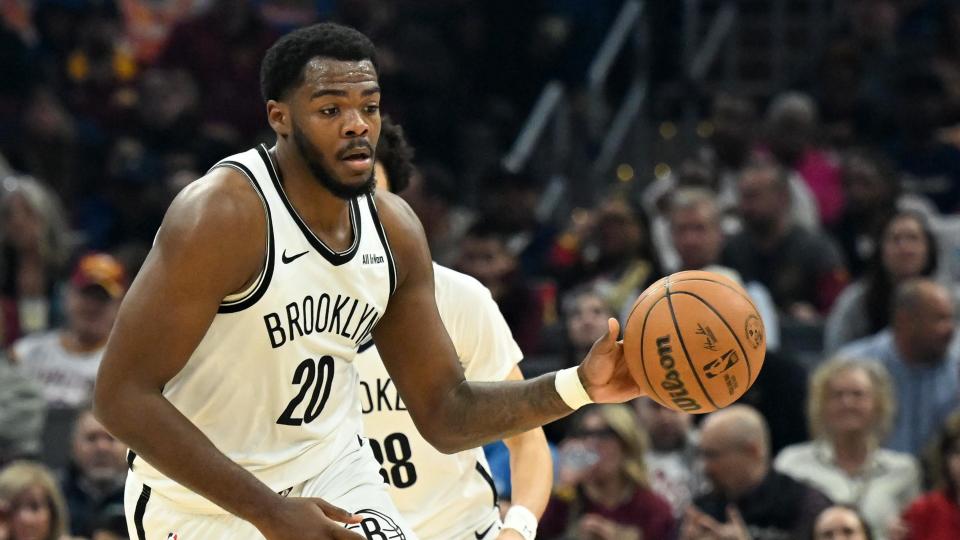
Contract: 2 years, $20 million
The Nets watched Sharpe develop into one of the league's top backup big men, then traded away Nic Claxton. It seemed they were ready to promote Sharpe to the starting lineup, yet they re-signed him at a market rate typically reserved for backups.
For comparison: the Hawks gave Jock Landale, a 30-year-old journeyman, one year and $14 million; the Nets themselves signed Mo Wagner (29, who played only 66 games over two seasons due to ACL surgery) for two years and $19 million; and the Warriors are paying Kristaps Porziņģis an annual salary more than double what Sharpe will earn.
At just 24, Sharpe is a reliable finisher around the rim, an aggressive rebounder, a physical defender, and a quick passer with a good feel for the game. His rim protection still has room to grow, but he has plenty of time to develop; even if he stays at his current level, this is a very favorable deal.
9. Anfernee Simons | 76ers
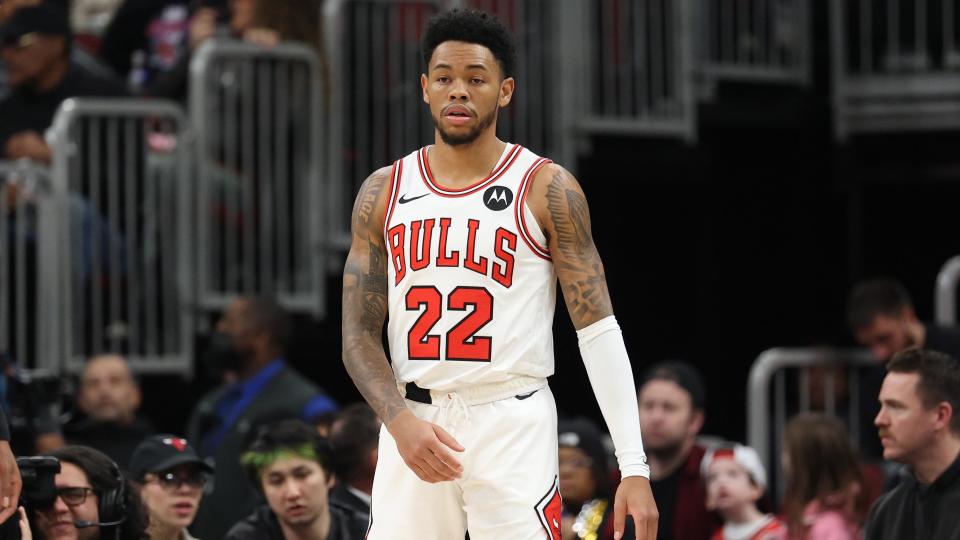
Contract: 2 years, $12.3 million
It's no surprise that Simons didn't land the big contract he hoped for this summer. The league no longer favors undersized combo guards who don't facilitate much and are defensive liabilities. But the market has clearly undervalued him: the primary goal in basketball is scoring, and a player who can score efficiently and consistently should command a decent salary.
Simons has explosive offensive ability—since the 2021-22 season, he ranks 15th in the league in made three-pointers, with a career percentage of 38.1%. He has hit 85 catch-and-shoot threes and 61 pull-up threes, showing he can score effectively in any situation. His passing is also better than that of a typical scorer, with a career assist-to-turnover ratio of 2:1, and he is an athletic dunker who has participated in the Slam Dunk Contest.
He can fill the team's shooting void, take pressure off Tyrese Maxey, Jaylen Brown, and Joel Embiid, and significantly speed up the transition game. This contract offers outstanding value on paper and perfectly fills the backcourt gap left by Jared McCain and Quentin Grimes after their departures.
10. Dean Wade | 76ers
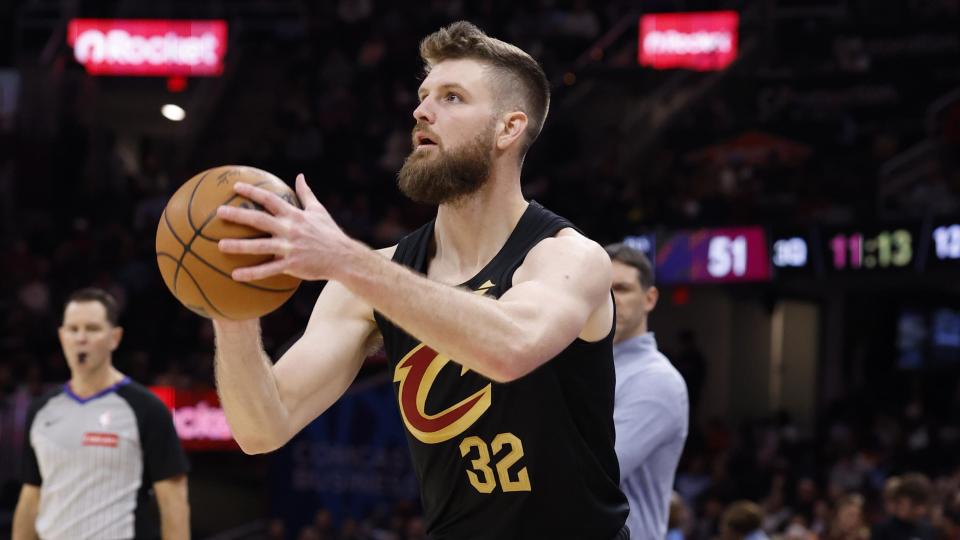
Contract: 4 years, $39 million
The 76ers have been bargain-hunting this offseason, and if Dean Wade can stay healthy, this signing could be a gem. He is a versatile defender, a reliable three-point shooter, and doesn't need the ball on offense—making him an ideal fit for the team's new starting five: Maxey, VJ Edgecombe, Jaylen Brown, and Joel Embiid.
Wade's numbers will never jump off the page, and his most notable (and negative) stat is his availability: he has played fewer than 60 games in five consecutive seasons. But beyond the basic stats, his on-court impact is clear: over his seven-year career, his team has outscored opponents by 3.1 points per 100 possessions when he is on the floor.
The only concern: Wade will turn 30 in November, and age could exacerbate his injury and availability issues. But as long as he can stay on the court, he is an indispensable, quiet, and crucial piece for this newly formed championship core. At under $10 million per year, he perfectly fills the team's void on the wing.


Wonderfulshortvideo
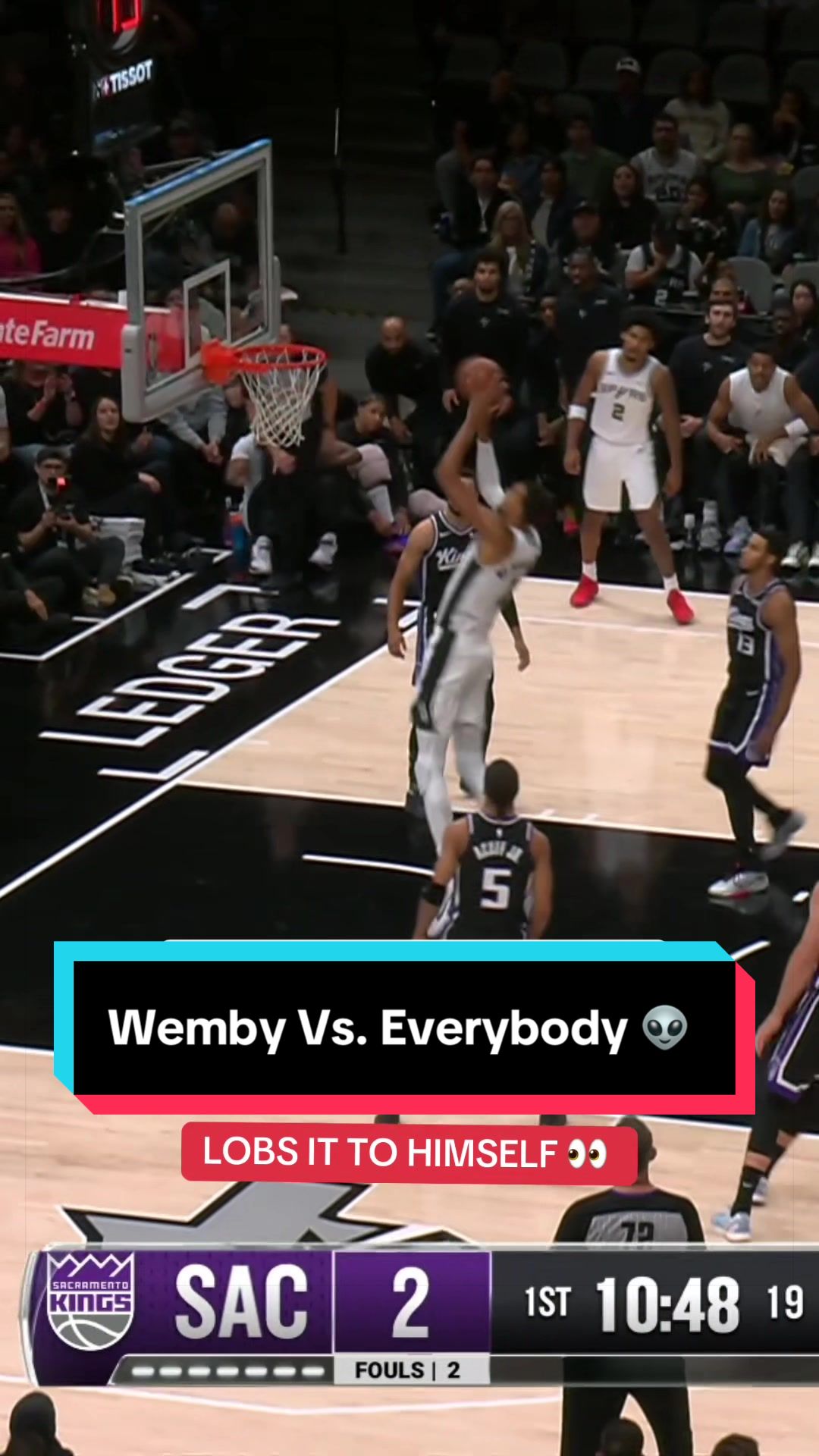
WEMBY IS UNREAL 👽


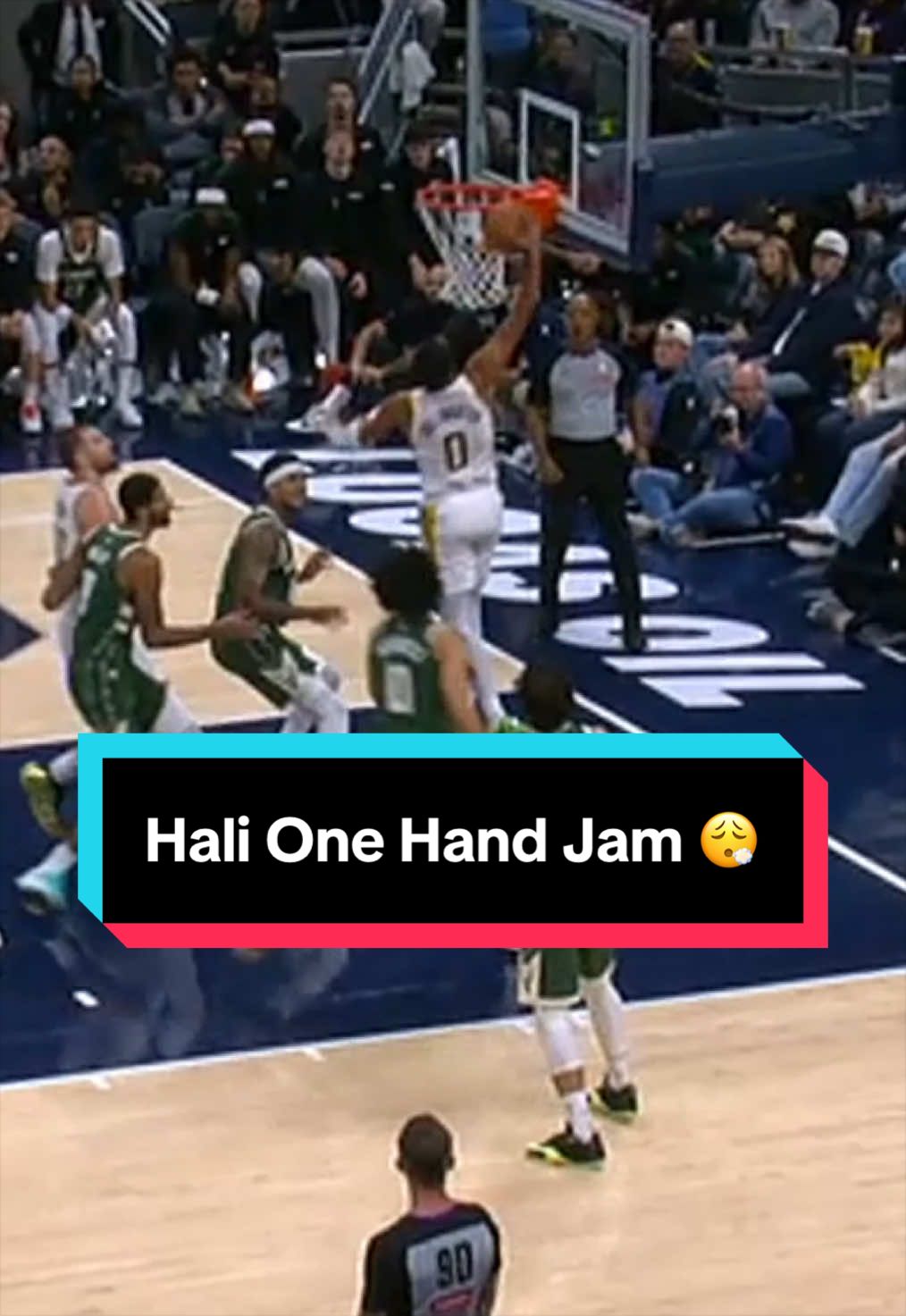
Hali with the BIG one hand jam 💪
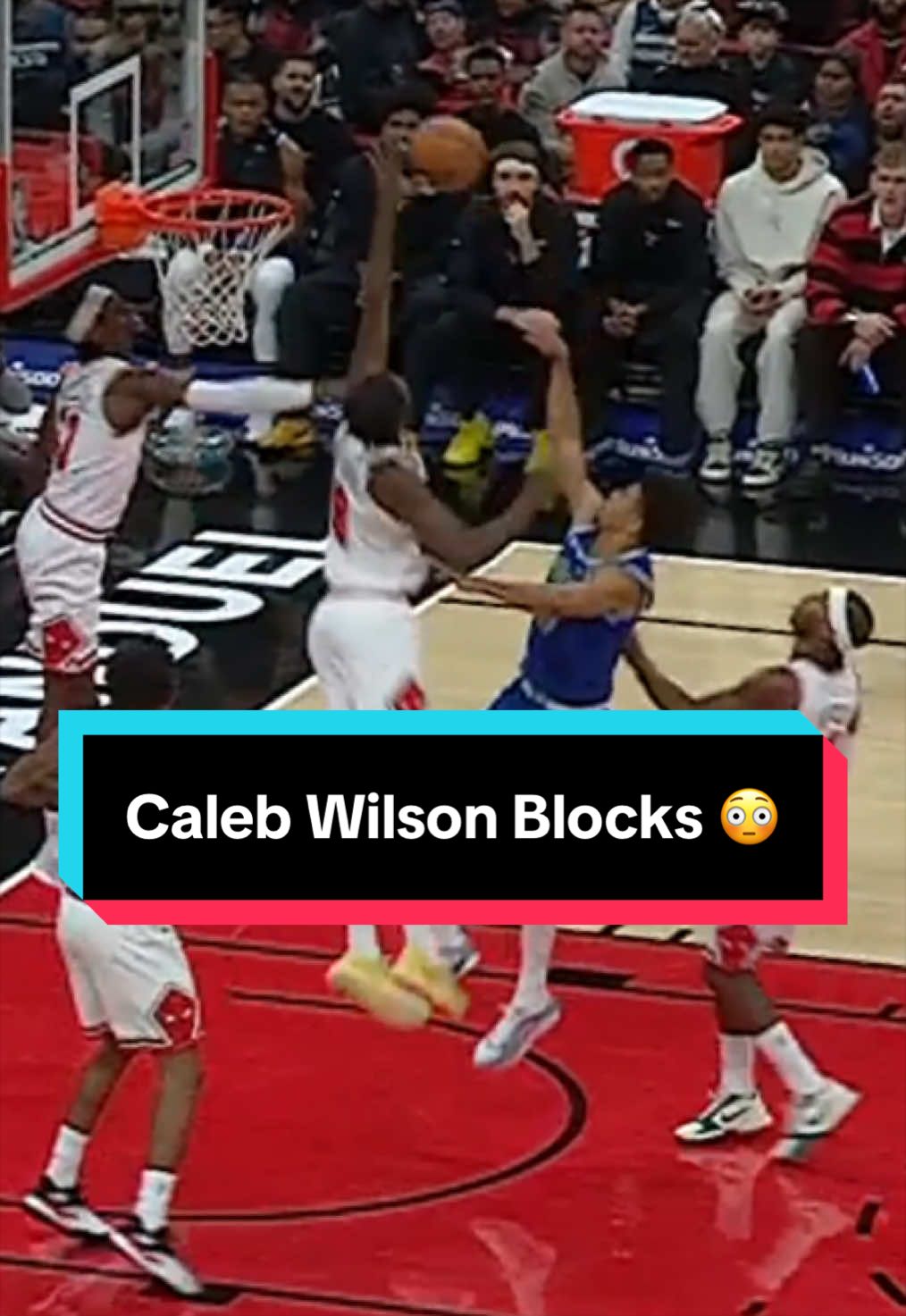
One with his left, one with his right 🙌
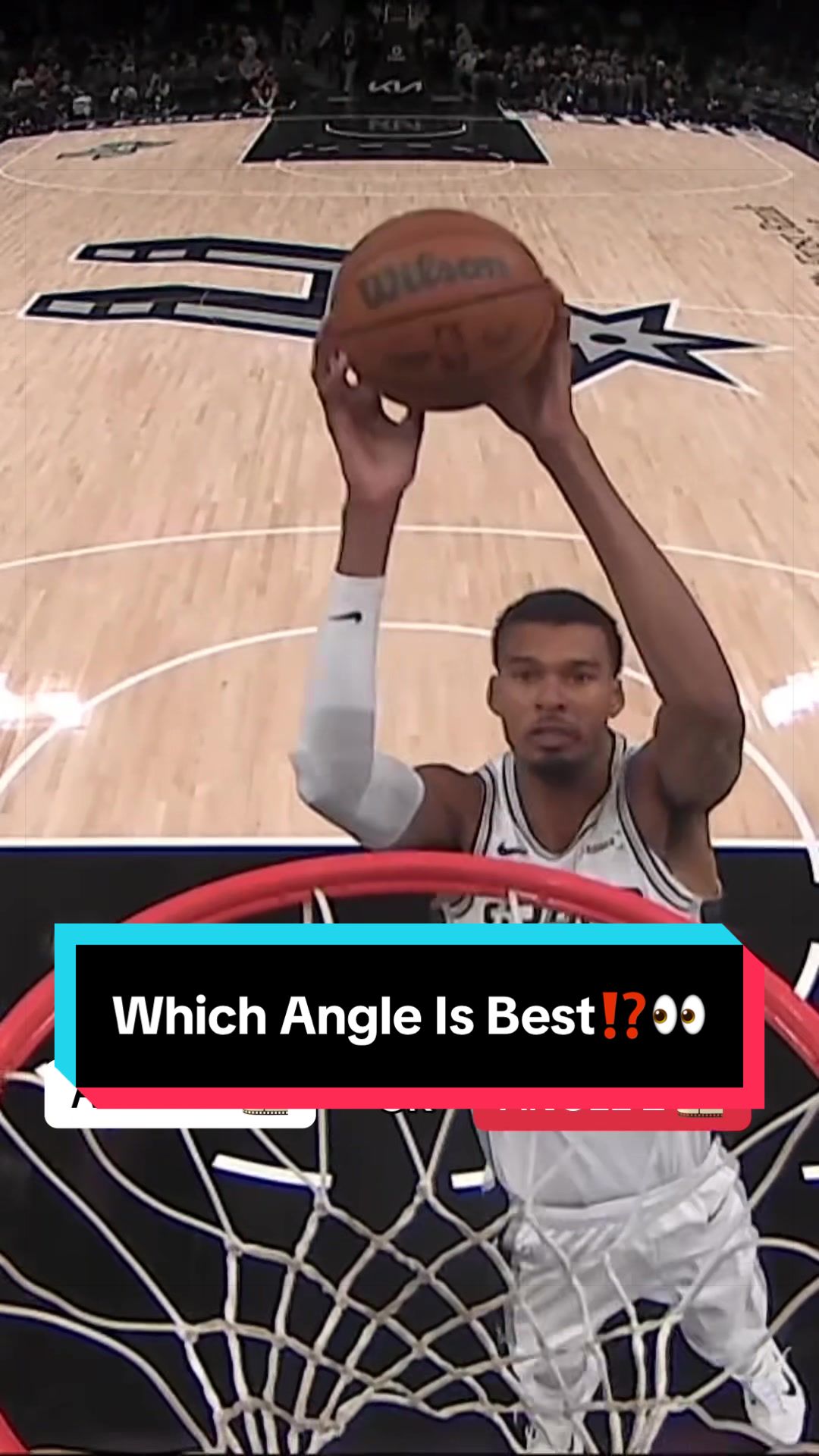
Replying to @NBA This Wemby self-lob for the two-hand jam was just too crazy 🥵
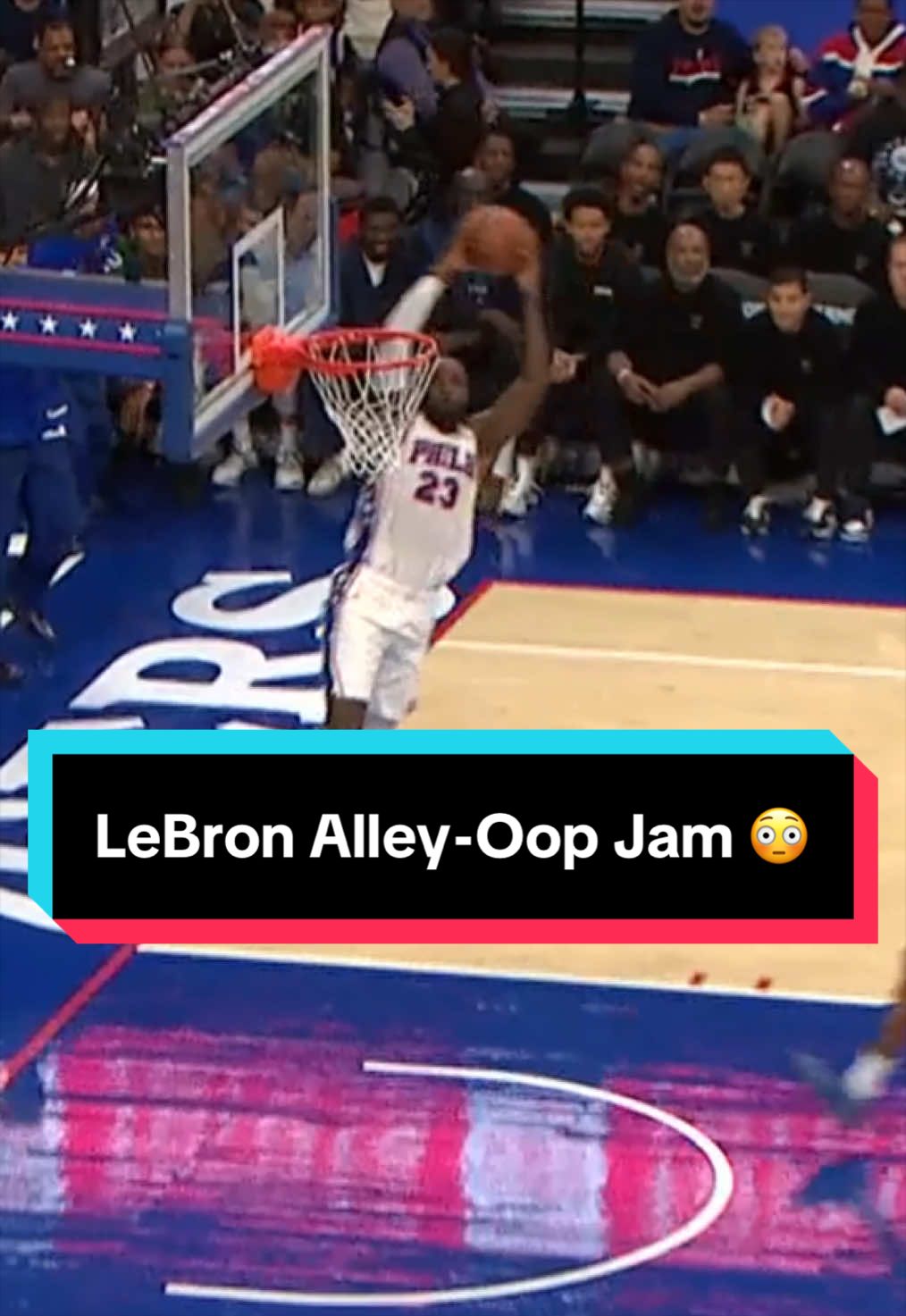
Maxey ➡️ LeBron for the slam ‼️
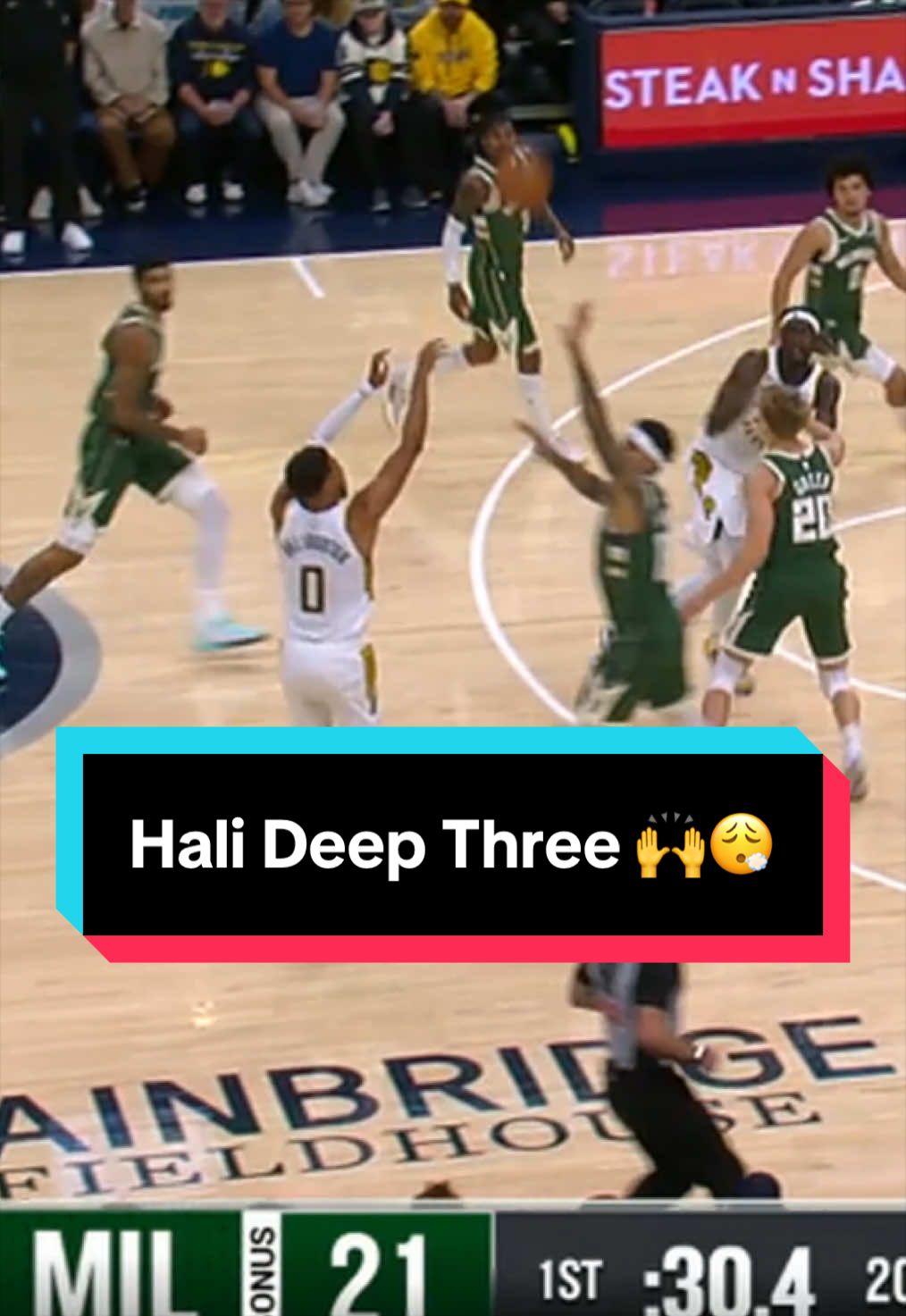
Hali knocks it down near the logo 🔥
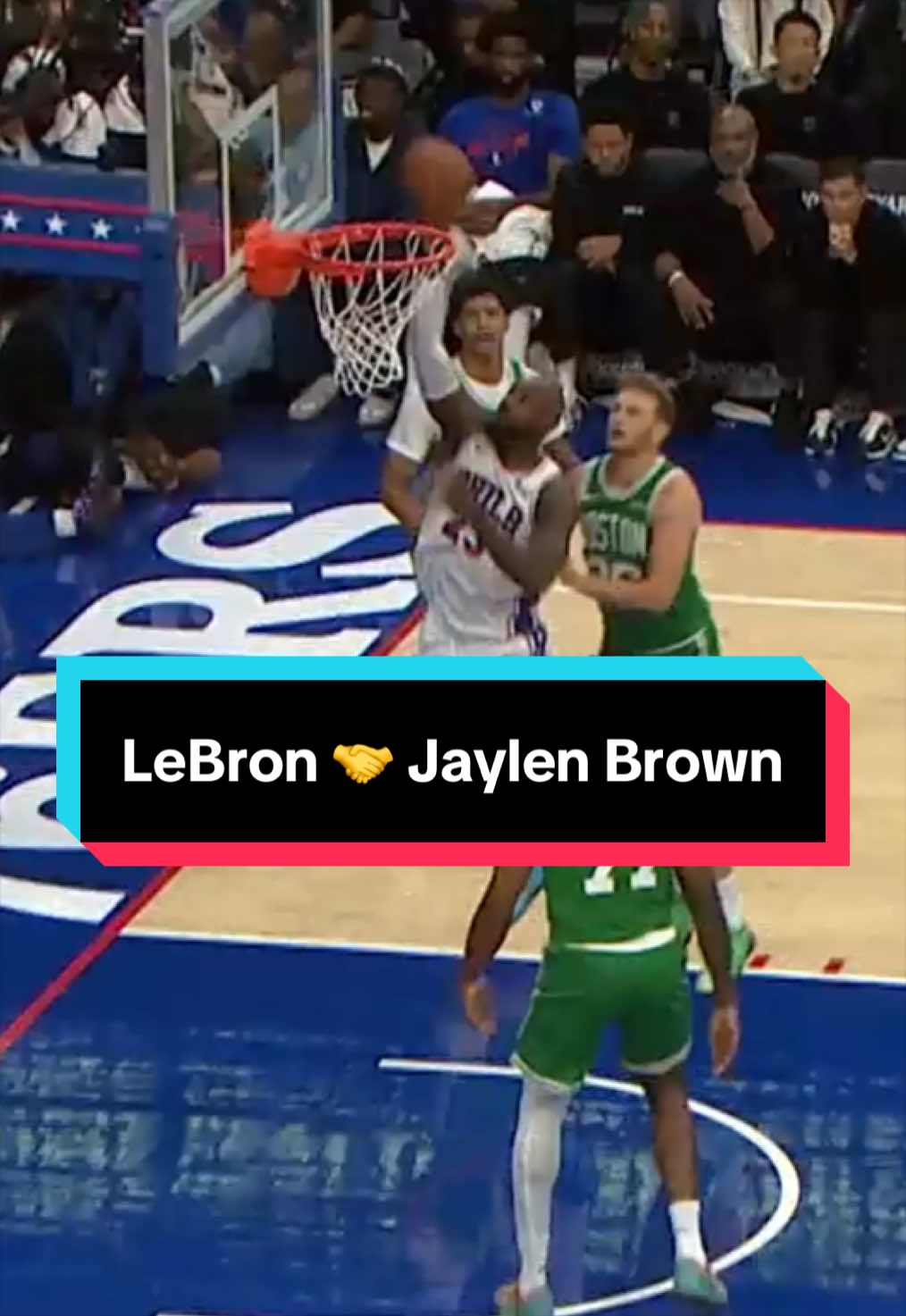
LeBron and Jaylen out here making plays 😮💨
 Links
Links
 Contact
 App
App


