



TA In-Depth Analysis: Can the Lakers' New Lineup Led by Dončić Still Compete for a Championship After Losing LeBron James?



On July 5, Beijing time, well-known American sports media The Athletic (TA) offered a thorough examination of the Lakers' adjusted squad, raising this topic: Can the Lakers, now led by Dončić after James' departure, truly contend for a championship? Here is the specific analysis—
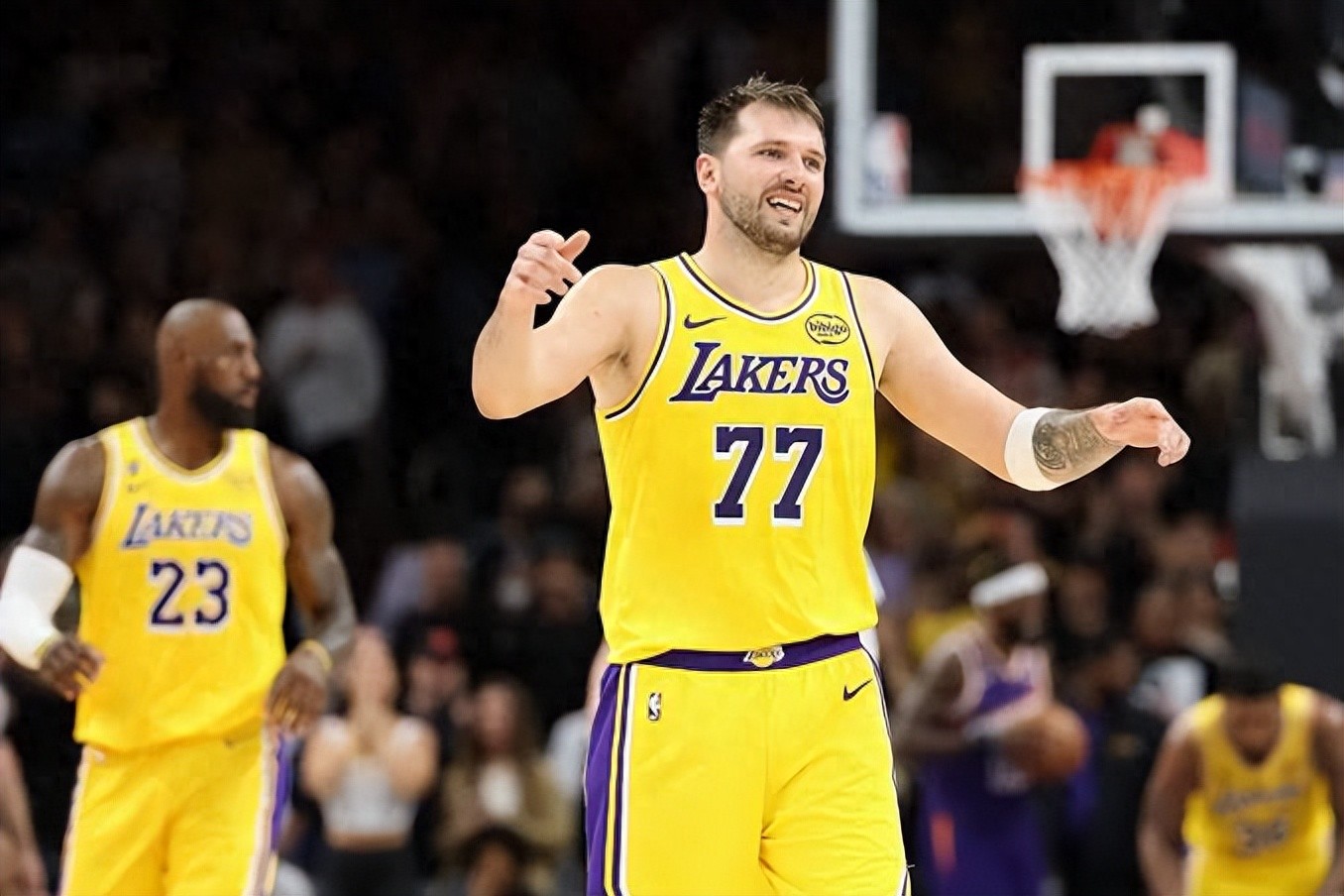
Next season, the Los Angeles Lakers will undergo a complete transformation, with significant turnover in their roster.
First, let's sort out the current players on standard fully guaranteed contracts: starting point guard Dončić, newly re-signed shooting guard Austin Reaves, backup forwards Jake LaRavia and Jarred Vanderbilt, plus developmental rotation members Dalton Knecht, Bronny James, and Cam Reddish. The core rotation from last season has suffered heavy losses; below, we match new additions with departed or yet-to-sign former players to clearly illustrate the personnel changes:
New addition: Jazz center Walker Kessler, replacing center Deandre Ayton, who was traded to the Wizards.
New addition: Raptors power forward Sandro Mamukelashvili, replacing free agent Rui Hachimura (unrestricted free agent).
New addition: 76ers guard Quentin Grimes, replacing small forward Marcus Smart, who signed with the Rockets.
New addition: Bulls shooting guard Collin Sexton, replacing guard Luke Kennard, who signed with the Suns.
New addition: Wizards shooting guard Jaden Hardy, replacing Nick Smith Jr., who was waived by the team.
Baylor rookie Cameron Carr fills the roster spot left by third-string center Maxi Kleber.
That brings the Lakers to 13 players under standard contracts, with two roster spots remaining. One spot originally belonged to Jaxson Hayes, who signed with the Jazz; the other belonged to LeBron James—the team's top star who was eliminated in the first round of last season's playoffs by the Rockets.
The Impact of LeBron James' Departure Cannot Be Overlooked
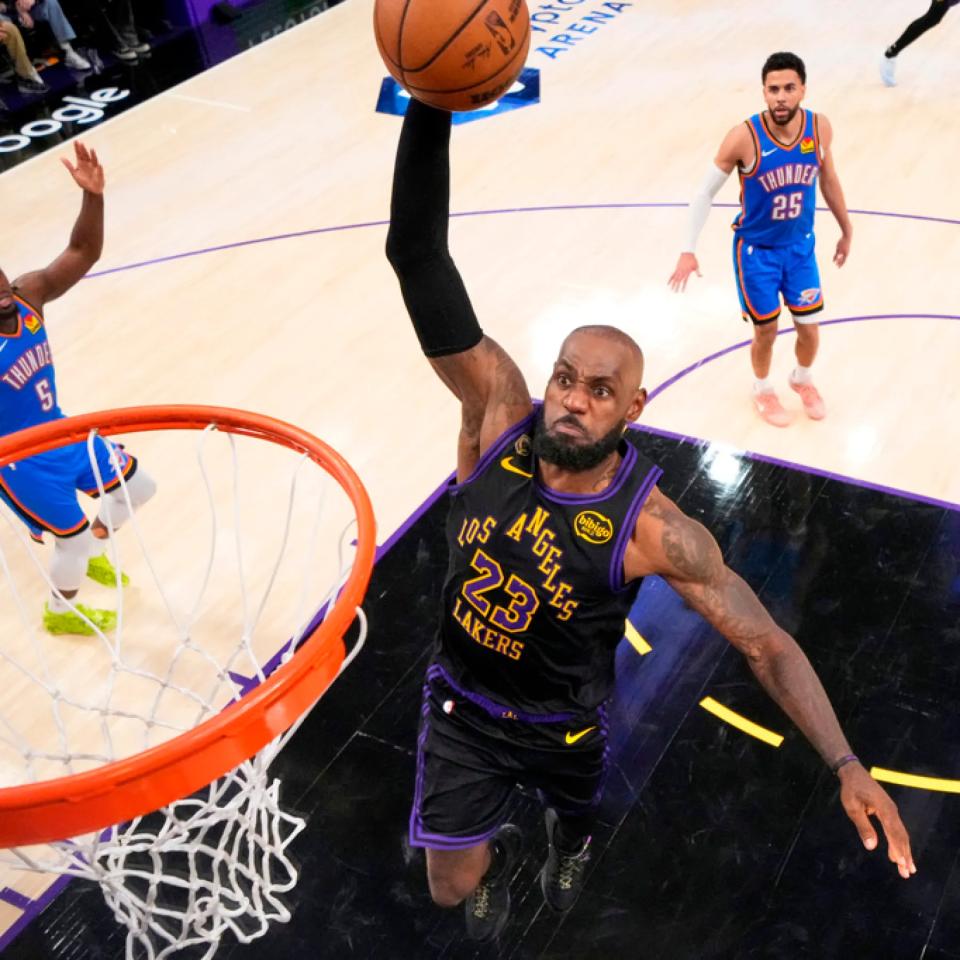
The Lakers had two stretches of their best play: one early in the season when James was injured, and another after he returned and gradually integrated into the team; after the All-Star break, with Dončić and Reaves healthy, James actively transitioned to a third offensive option, and the team's record surged again. (I analyzed this three-man ball-sharing dynamic and its effect on the team's record in my November article.)
The Lakers started 15-4, went 15-2 in March—which projects to a 68-win pace over a full season. In the other 46 games, when James handled the ball heavily or Dončić or Reaves were out for extended periods, the team managed only a 23-23 record, and in the playoffs they stumbled to a dismal 4-6 mark.
Next season, the Lakers will base their entire offense around the dual core of Dončić and Reaves.
The team no longer has the safety net and margin for error that James provided. When Dončić or Reaves are unavailable, James could stabilize the ship; when the team needed someone to step up and score, he consistently delivered efficient buckets; after shifting to a third ball-handler role, his scoring efficiency remained steady. That kind of insurance is something the Lakers will no longer have.
The team urgently needs a quality forward who can reliably play 25 minutes per game. James was the league leader in fast-break points, the team's top scorer in the paint, and second on the team in assists.
Current Lakers Rotation Depth Chart
Starting Five
Dončić, Reaves, Grimes, Mamukelashvili, Kessler
Primary Rotation
Sexton, Hardy, LaRavia, Vanderbilt
Deep Bench/Young Developmental Rotation
Bronny James, Carr, Knecht, Reddish
Last season, the Lakers ranked in the bottom ten in pace and were in the middle of the league in pick-and-roll frequency. According to Second Spectrum data, only the Nuggets averaged fewer drives per game than the Lakers; only the Pelicans, Thunder, Clippers, and Mavericks averaged fewer passes. The Lakers heavily relied on Dončić's isolation scoring and aggressive drives to the rim.
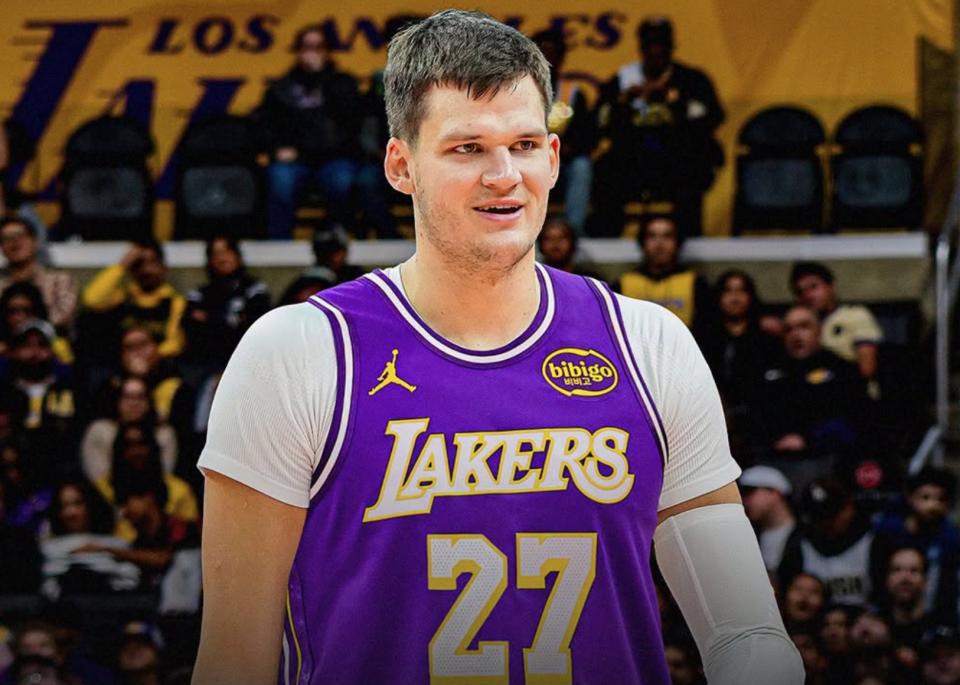
Kessler
In the 2022 draft, everyone assumed the first Auburn big man to land a $30 million annual contract would be No. 3 pick Jabari Smith Jr., but instead it was the 22nd pick, Kessler, who secured a lucrative long-term deal with the Lakers. Last season, he played only five games before being sidelined for the year with a shoulder injury.
Kessler will replace Ayton as the starting center. The Lakers were very eager to trade Ayton, and even though he exercised his player option for the final year of his contract, they still sent him to Washington.
Kessler stands 7'1" and weighs 245 lbs, while Ayton is 7'0" and 250 lbs. Ayton's average minutes per game dropped to a career-low 27.2 last season, whereas Kessler averaged a steady 30 minutes in 2024-25. Kessler's injury concerns go beyond his shoulder: he has also suffered a left elbow sprain, a right foot sprain, and left hip bursitis, making health management a major challenge.
Leaving Utah's fast-paced offense with heavy off-ball screening, Dončić will significantly activate Kessler. In pick-and-rolls, Kessler has soft hands and is an excellent finisher rolling to the rim; Ayton's shaky hands when receiving the ball were a recurring complaint from Dončić and head coach JJ Redick.
Outside observers are curious whether Redick will give Kessler the green light to shoot threes. In the five games before his injury last season, he went 6-for-8 from beyond the arc; over his first three seasons, he shot just 11-for-56 (19.6%) from three. Kessler typically spots up in the corner but has also shown potential for above-the-break threes. If his three-point shooting remains cold, Redick will likely limit his perimeter attempts.
It's expected that the Lakers will simplify Kessler's offensive role, letting him catch and finish only near the basket. He has no low-post threat, poor mid-range efficiency, is not suited for self-created offense, and is an average passer. However, Kessler is an elite offensive rebounder—he led the league in offensive rebound rate in 2024-25—which represents the biggest offensive upgrade at the center position for the Lakers.
On defense, Kessler must live up to his hefty salary. His height is a natural advantage, and his shot-blocking is well known: since entering the league in 2022, he averages 2.4 blocks per game, second only to Victor Wembanyama. His rim protection was elite in his first few years, but its impact dipped slightly in 2024-25, and the 2025-26 sample of just five games offers limited data. Ayton's biggest defensive weakness wasn't one-on-one rim protection, but his failure to recover and contest after being drawn out of the paint.
But Kessler alone cannot completely overhaul the Lakers' defense. Even with his rim protection, the Jazz ranked last in defensive efficiency in both 2024 and 2025. Kessler is also not a versatile switchable big; the Lakers' starting center will still be confined to protecting the paint, and the team's weak second-line rim protection from last season has not been specifically addressed.
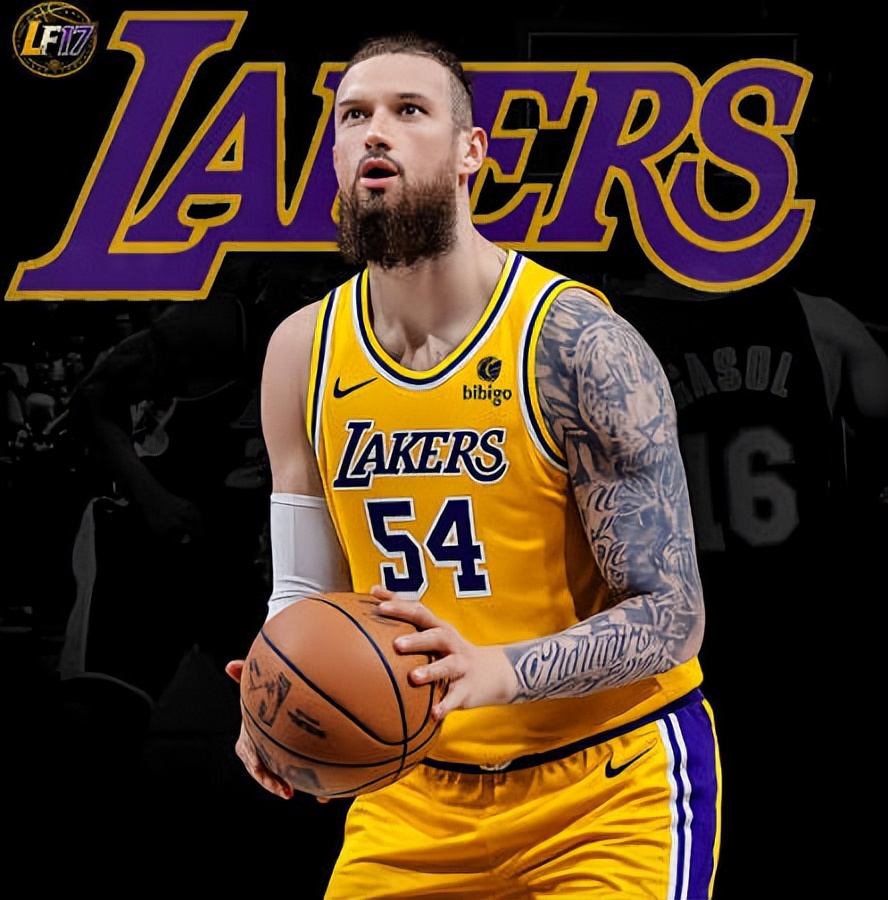
Mamukelashvili
Last year, the Lakers signed LaRavia to replace Dorian Finney-Smith, and the 24-year-old forward played a full 82-game season for the first time, averaging 25 minutes with 43 starts. Now the team is betting on the 27-year-old Mamukelashvili, who set a career high in average minutes (21.9) last season with the Raptors, including 13 starts in 28 career starts.
Mamukelashvili's offensive numbers were impressive last season: 11.2 points per game on 52.3% shooting, with 3.7 three-point attempts per game at 38.9%. For comparison, Hachimura: averaged 11.5 points in 6 fewer minutes per game on 51.4% shooting, with 3.9 three-point attempts at 44.3%. Mamukelashvili is a better passer, has equal finishing at the rim, and takes more threes; but Hachimura is a more accurate shooter from deep and possesses a mid-range game that Mamukelashvili lacks. Hachimura's playoff offense was rock-solid, especially his three-point shooting, while Mamukelashvili failed to sustain his regular-season production in the playoffs.
With the Raptors, he mostly came off the bench, matching up against opposing centers with limited size and offensive threat; in the playoffs, the team deliberately placed him against low-scoring forward Dean Wade of the Cavaliers to hide his defensive liabilities.
The ideal rotation would have Mamukelashvili coming off the bench. As a starter, he can get steals but lacks rim protection and rebounding strength. A lineup featuring Dončić, Reaves, and Mamukelashvili would be vulnerable to perimeter attacks.
If he starts, his offensive production is solid. In 13 starts, he averaged 15.9 points, 2.9 assists, and 1.3 steals, hitting 2.2 threes per game on 56.3% overall shooting and 41.4% from three, with the only weakness being just 6.2 rebounds.
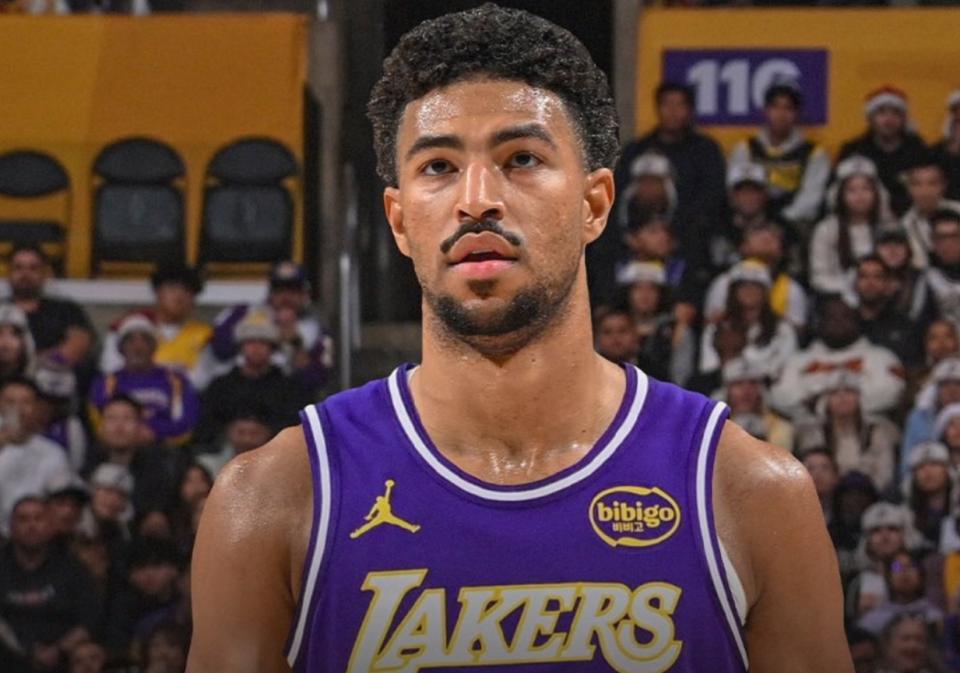
Grimes
Grimes is brought in to replace Smart, who was arguably the Lakers' biggest X-factor last season. With Smart on the floor, the Lakers outscored opponents by 256 points; with him off the floor, they were outscored by 112 points.
Grimes and Dončić were teammates in Dallas two years ago, which should help him integrate quickly. In 228 minutes together, the Mavericks scored 120.7 points per 100 possessions.
Like Smart, Grimes shoots corner threes at a much higher rate (42.2%) than above-the-break threes (30.4%), but he's not afraid to shoot frequently to maintain his outside threat. He is a better catch-and-shoot three-point shooter than Smart, but his self-created offense is poor—his pull-up three percentage is only 24%, and his mid-range efficiency is low. With the 76ers, Grimes was forced into a backup ball-handling role, averaging 3.3 assists, which echoes Smart's profile—Smart originally came into the league as a point guard and served more as a wing connector last season. Grimes has better leaping ability and is far superior in finishing at the rim and fast-break scoring, which is a much-needed upgrade for the Lakers.
Smart was the Lakers' first line of perimeter defense, tasked with guarding elite wings like Kevin Durant, Kawhi Leonard, and Anthony Edwards. In the first round of the playoffs, he primarily guarded Amen Thompson and Reed Sheppard of the Rockets, and in the second round he matched up against MVP Shai Gilgeous-Alexander of the Thunder. Grimes has better height and athleticism than Smart, with a similar wingspan but slightly less weight. While he is a solid defender and good rebounder who can take on perimeter assignments, he lacks the physicality to be the Lakers' primary perimeter stopper, which is a downgrade from Smart.
Like Mamukelashvili, Grimes is excellent coming off the bench but merely adequate as a starter.
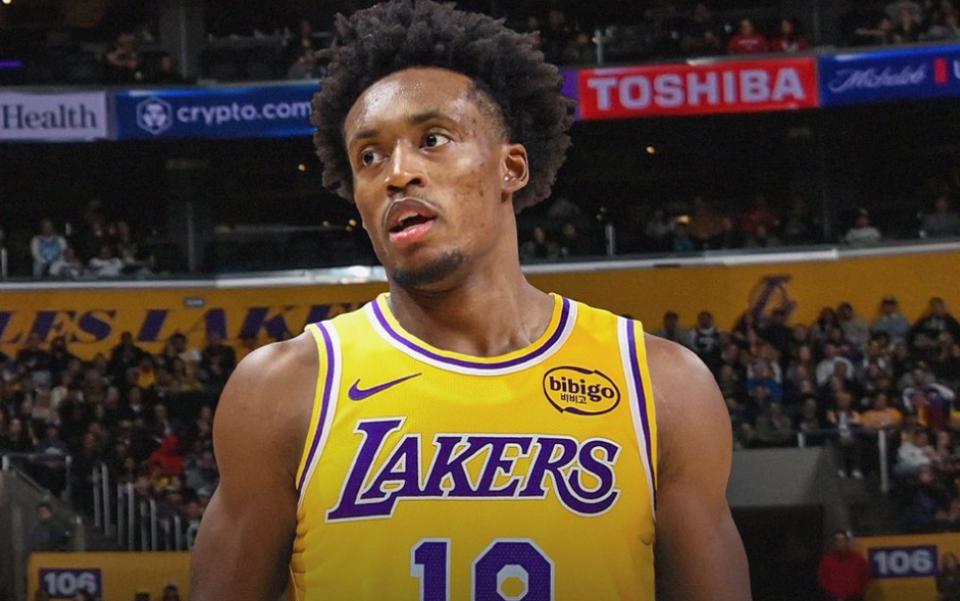
Sexton
Sexton is 6'1" and 190 lbs. He is an aggressive scoring guard who, when starting, is generally locked into the shooting guard spot. His style is the complete opposite of Kennard's: Kennard has point guard skills, while Sexton is a pure scoring two-guard.
Last season, Kessler played only five games, but Sexton and Kessler had shared time in Utah before that (they also played alongside current Lakers reserve Vanderbilt). Sexton was traded mid-season and played for the Hornets and Bulls in 2025-26. Regardless of his frame and playing style, his scoring efficiency has always been consistent, and last season was no different: 44.5% on catch-and-shoot threes, 40.1% from deep overall, 64.5% finishing at the rim in the restricted area, and 3.3 assists per game.
The Lakers' bench scoring ranked 29th in the league last season, and Sexton is more than capable of carrying the second unit's offense. He averaged a career-high 1.1 steals per game last season, and his ability to create turnovers on the ball can help fill the void left by the departures of James and Smart in terms of steal production.
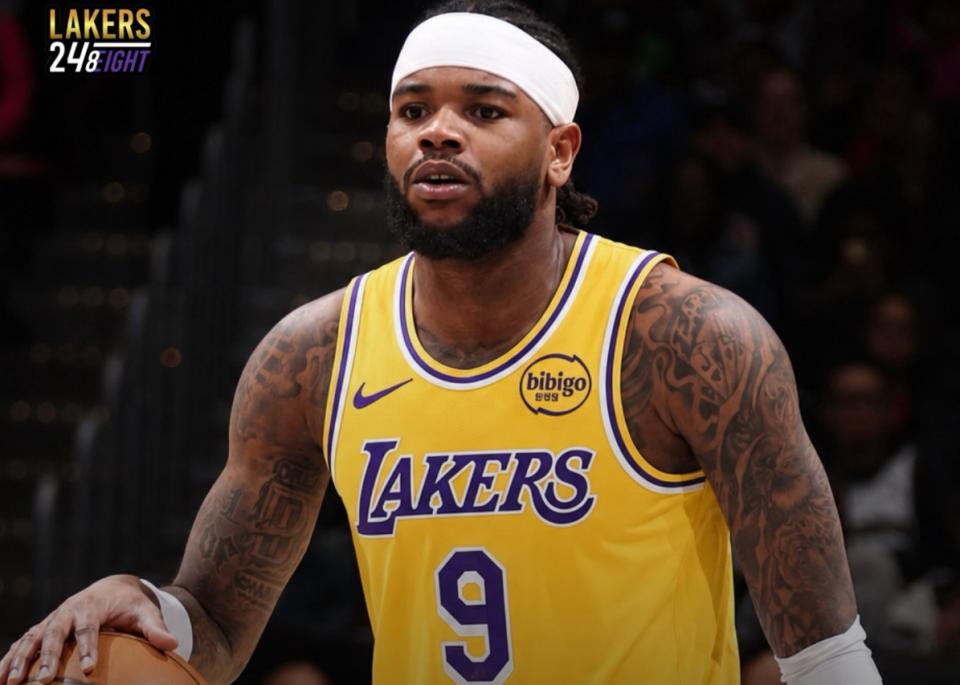
Jaden Hardy
Hardy is 6'3" and 198 lbs, bigger than Sexton and Nick Smith Jr. His playmaking ability is even worse than Sexton's; over the past two seasons, his assists have been consistently lower than his turnovers, and his overall scoring efficiency is low. However, his three-point shooting has improved, hitting 39.2% over the last two years, compared to Smith's 39.5% last season, so their outside shooting is comparable.
Defensively, his length and strength are enough to guard up against bigger guards, but he lacks rebounding instincts and has recorded only 83 steals in 3,502 career minutes.
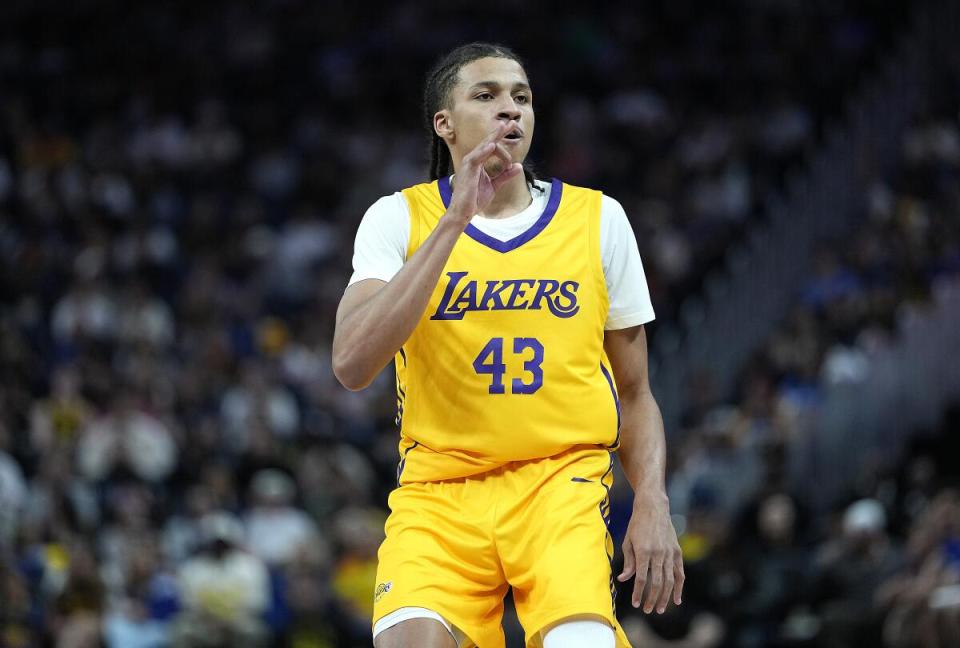
Cameron Carr
If no further trades are made, next season he will compete for a second-unit rotation spot, vying with Hardy for playing time. Carr has better height and length, and impressive athleticism; but it's more likely he will remain in the developmental youth pipeline, ready to step in when injuries hit the rotation.
Summary
The Lakers' offseason success largely hinges on whether Dončić can consistently create easy scoring opportunities for his teammates. The offensive foundation remains intact: Sexton, Grimes, and Mamukelashvili are all highly aggressive scorers, while the team also added Kessler, who has All-Defensive team potential, and Carr has significant upside.
However, none of the new additions have proven themselves in high-pressure playoff situations: Kessler and Sexton have never played a playoff game in their careers. Defensive concerns remain glaring—Kessler lacks a second-line rim-protection partner and cannot switch onto perimeter stars.
Even if Dončić and Reaves avoid extended absences in the short term, LeBron James' departure has simultaneously lowered both the ceiling and the floor for the Lakers' performance.


Wonderfulshortvideo
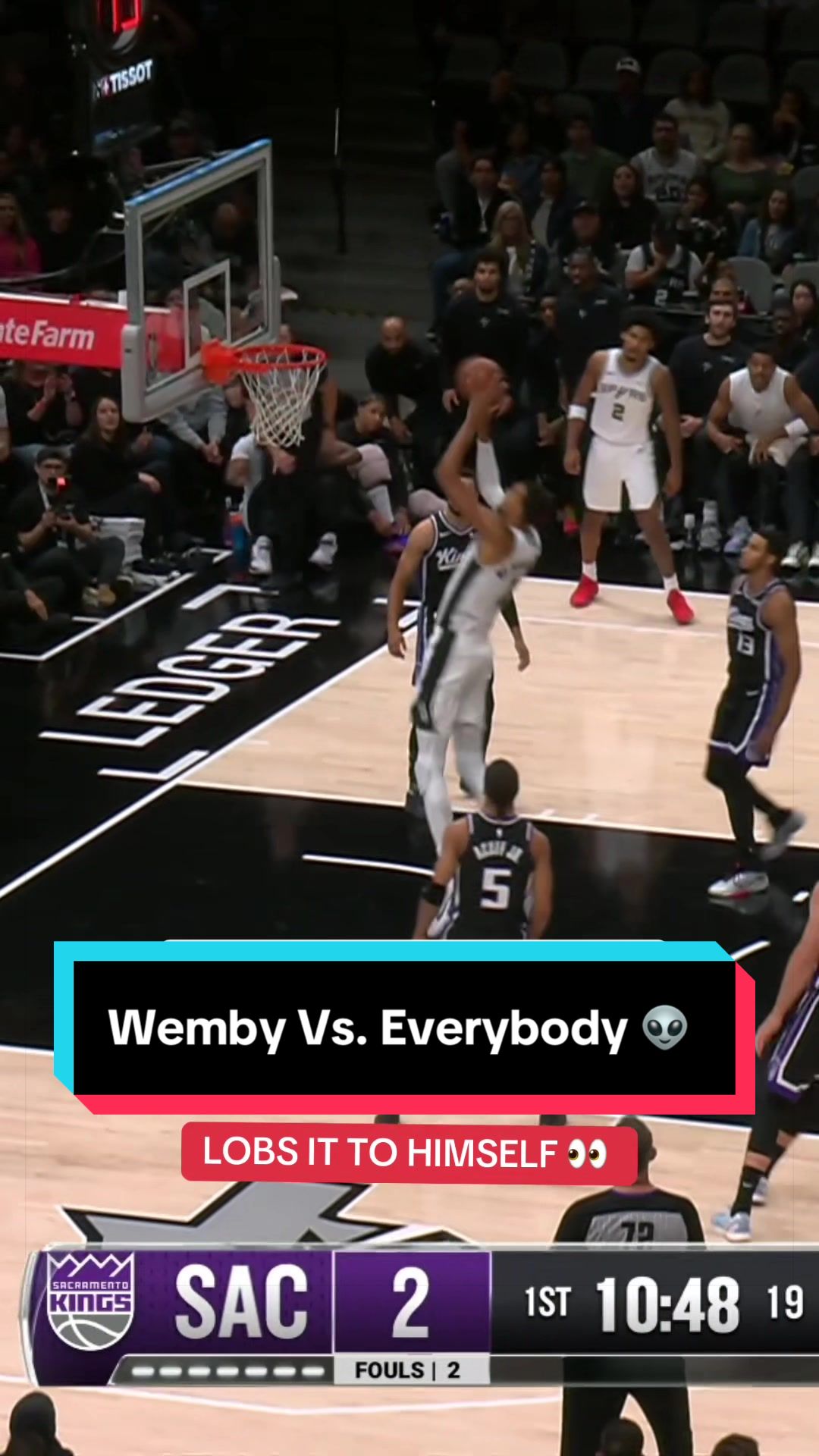
WEMBY IS UNREAL 👽


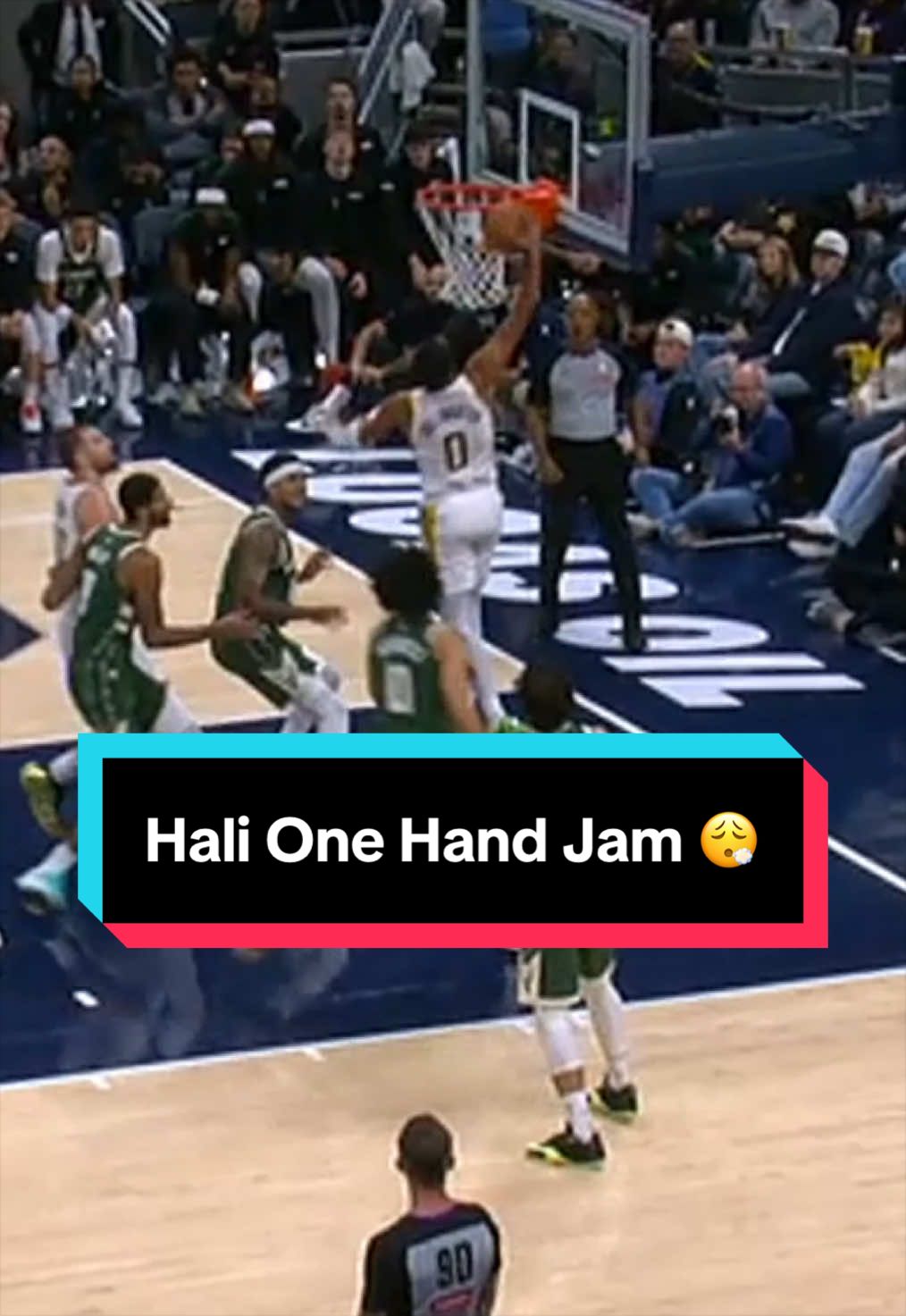
Hali with the BIG one hand jam 💪
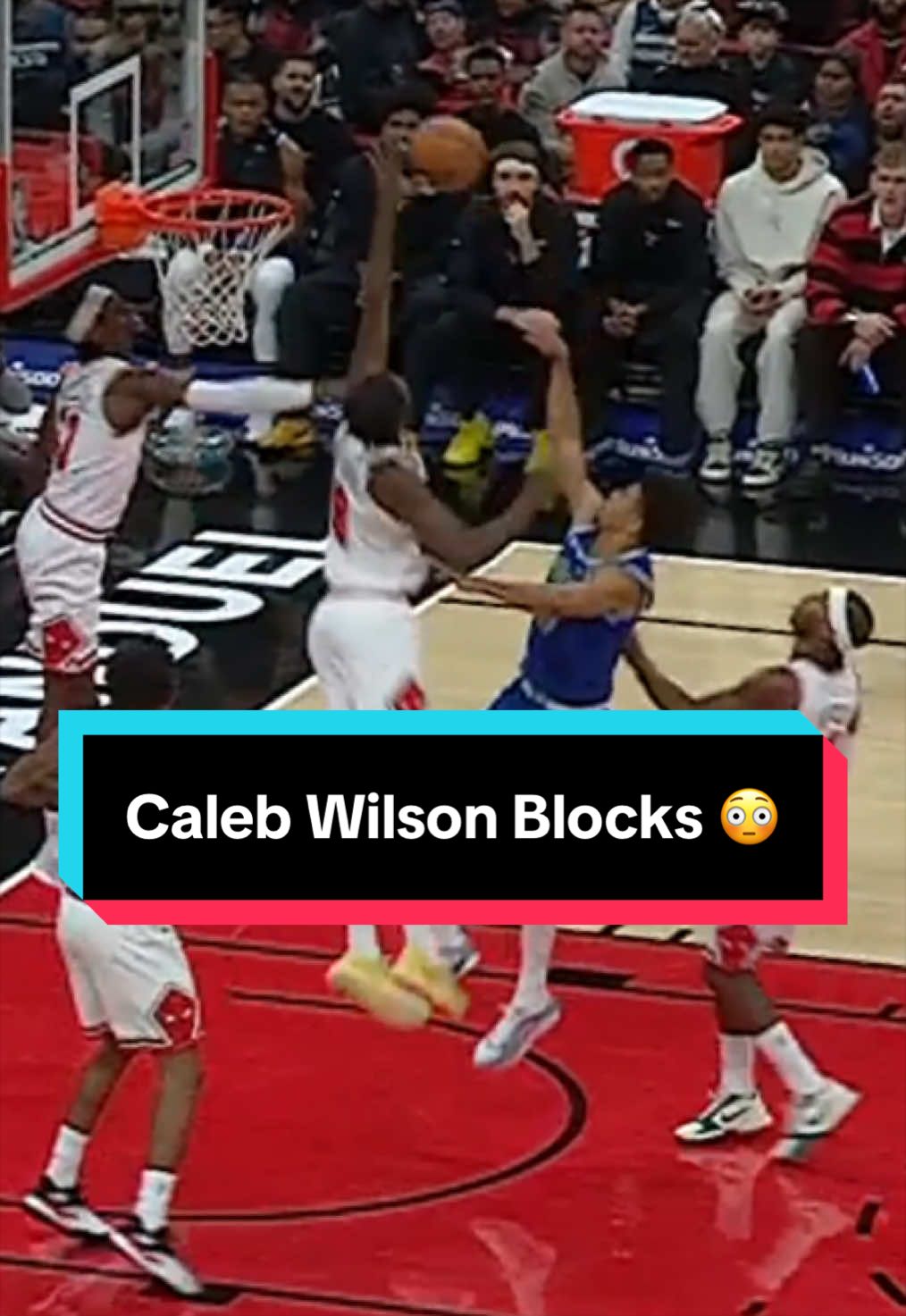
One with his left, one with his right 🙌
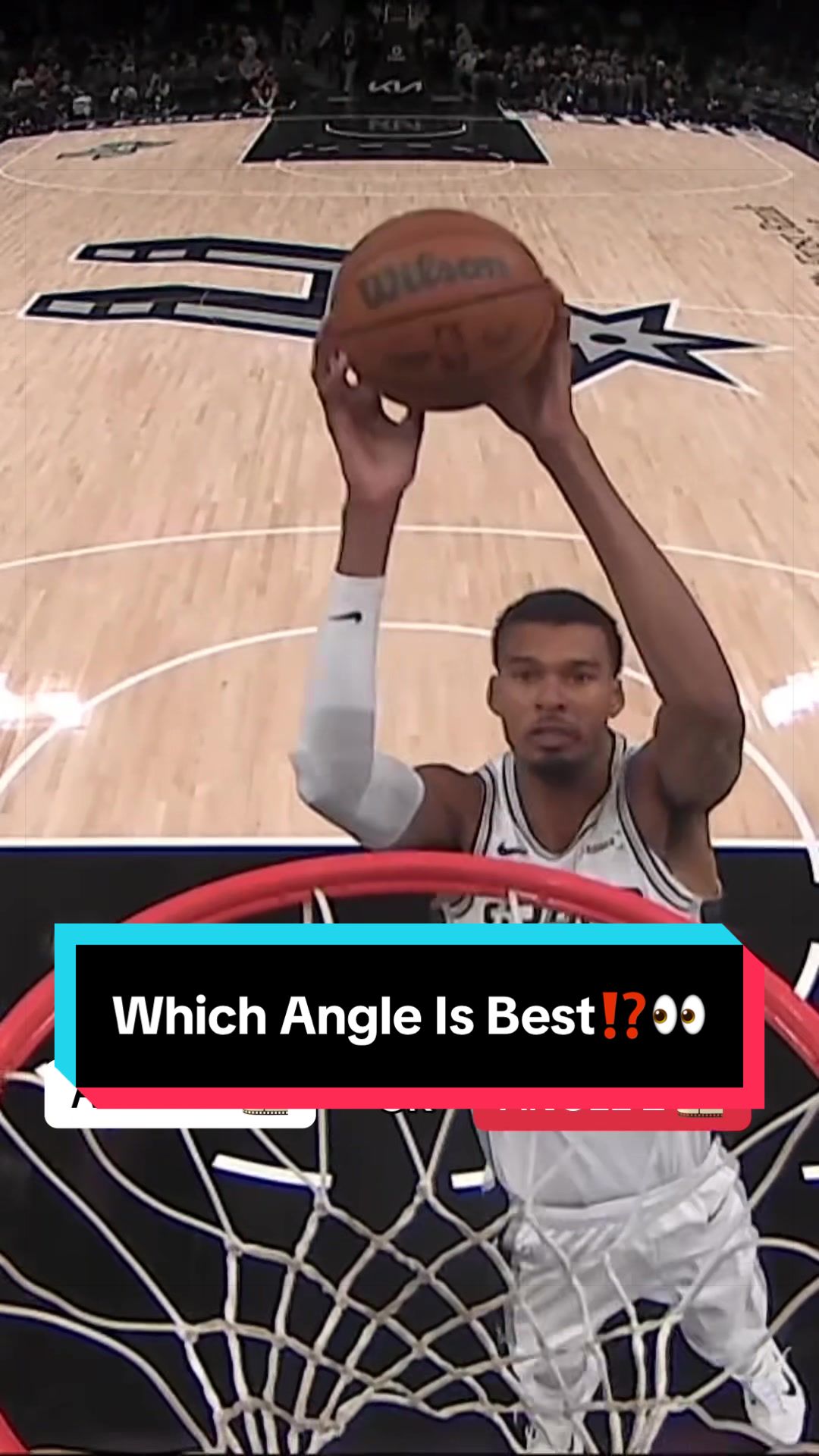
Replying to @NBA This Wemby self-lob for the two-hand jam was just too crazy 🥵
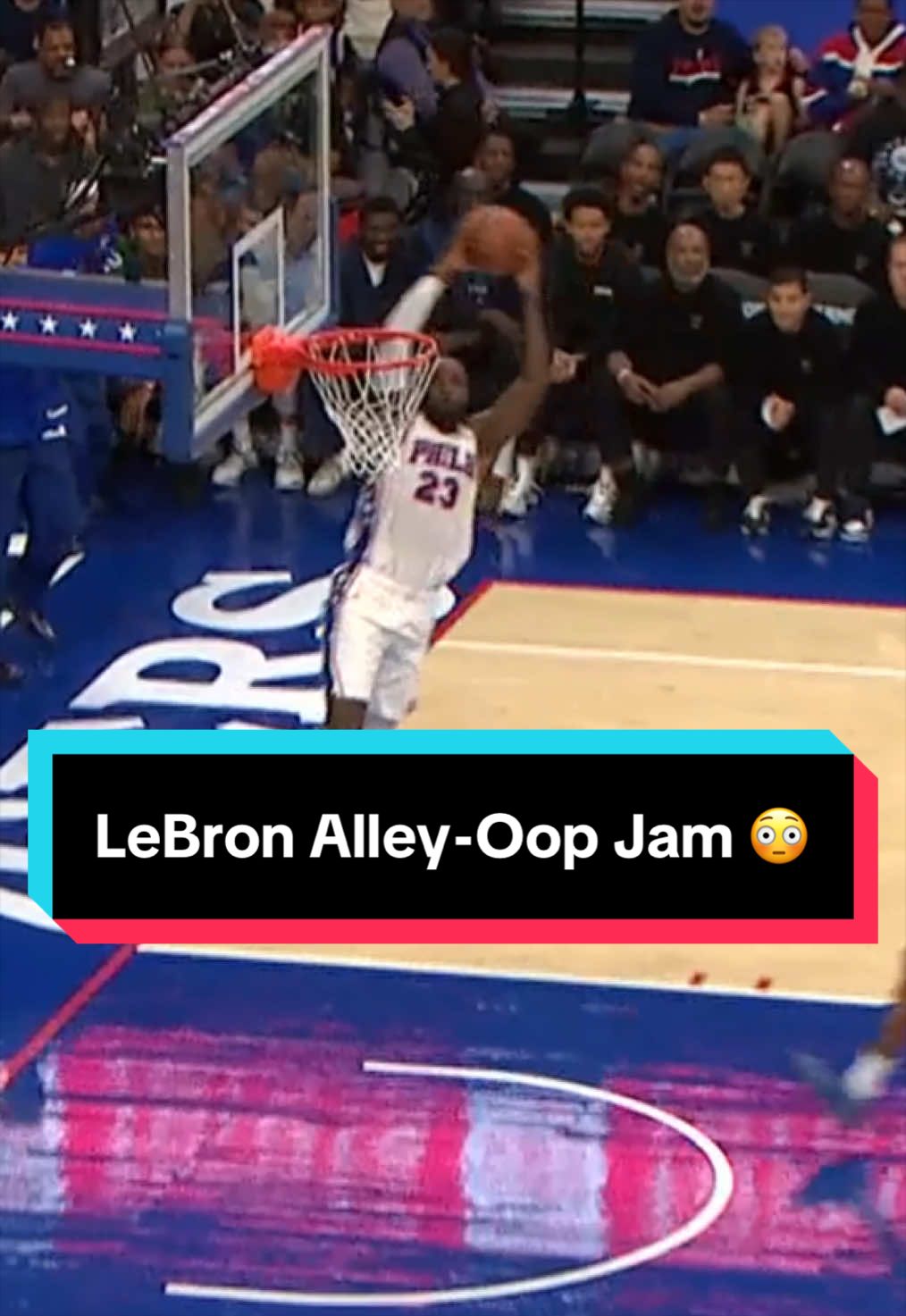
Maxey ➡️ LeBron for the slam ‼️
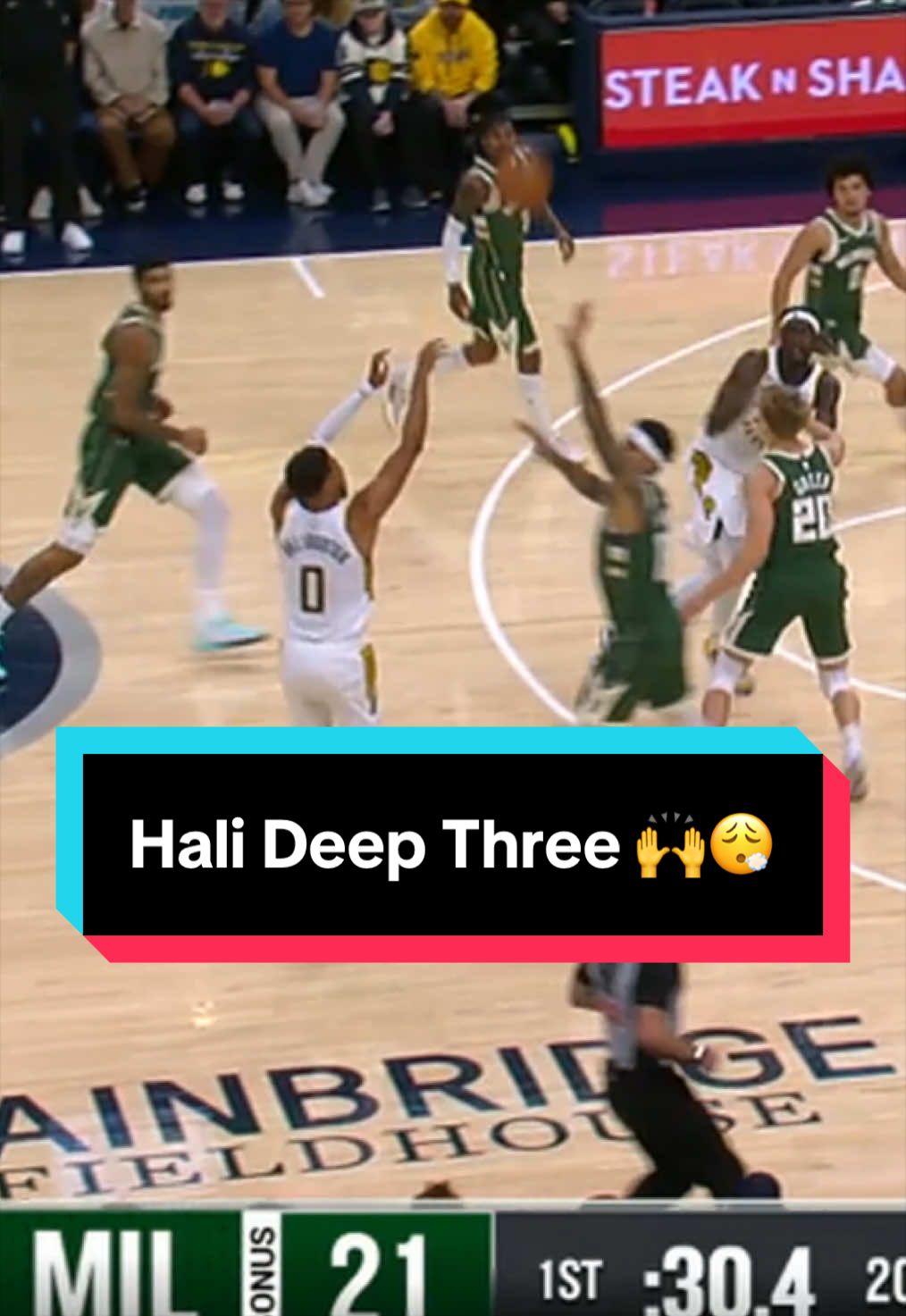
Hali knocks it down near the logo 🔥
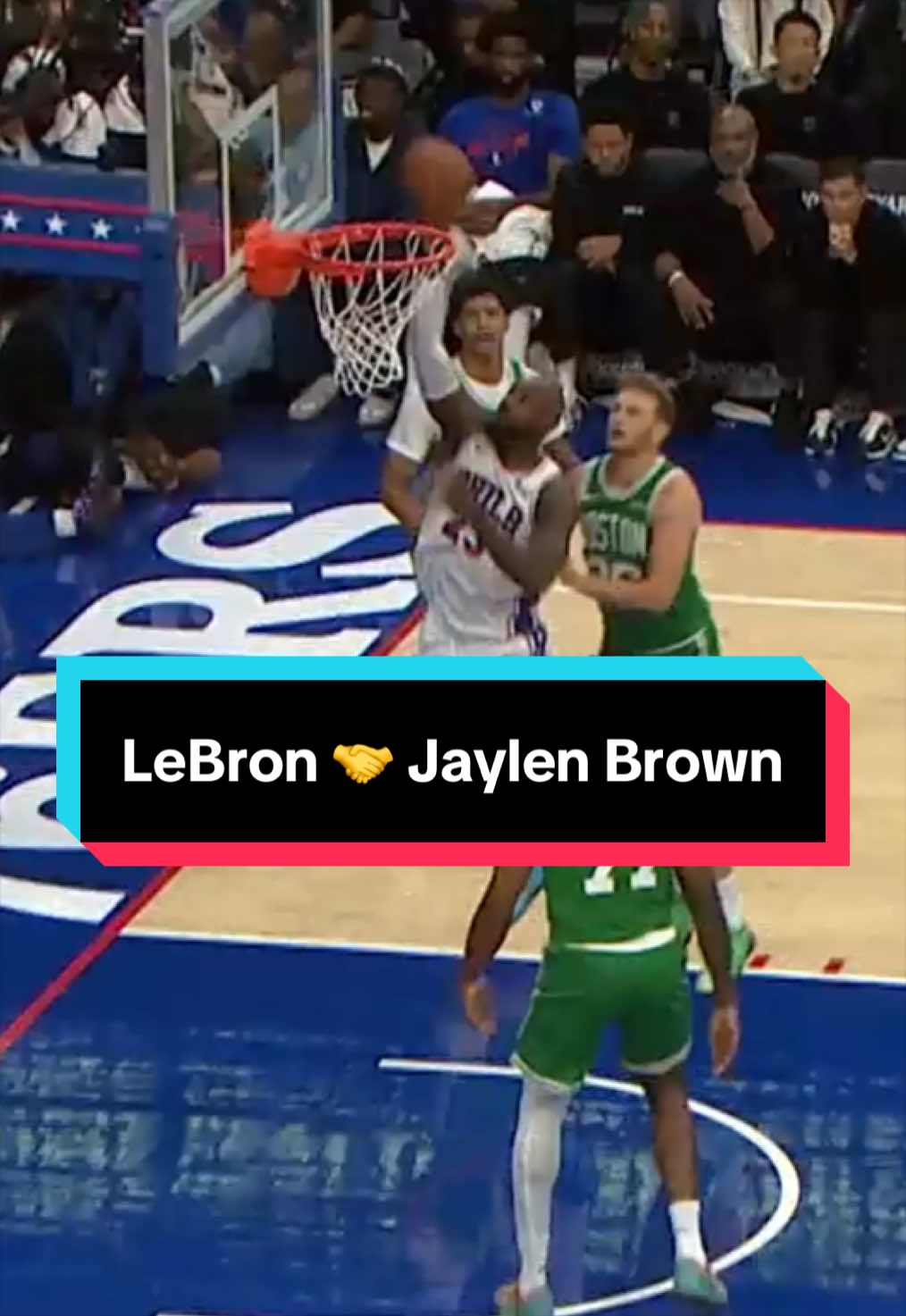
LeBron and Jaylen out here making plays 😮💨
 Links
Links
 Contact
 App
App


