



US media reviews 5 most overpriced new contracts this summer! Kessler 4-year $130M ranks 2nd, Trae Young $212M tops the list



Every year around this time, it feels like the basketball gods team up with fate to shower massive salary contracts on the new batch of NBA free agents. However, some contracts are so overpriced that the money far exceeds the player's value.
With the league now entering the luxury tax era, teams are more prudent with their spending, making astronomically overpriced contracts less common. Even so, this offseason's spending spree has still produced several clearly unfavorable deals, and many mid-sized extensions are likely to become decisions that management will regret in the future.
Well-known US media outlet Bleacher Report has reviewed five major long-term contracts signed so far this summer. From the perspective of on-court contribution matching, these signings are the most likely to yield poor returns, offering an early retrospective analysis—
5th Place: John Collins | Pistons
Contract: 3 years, $51 million
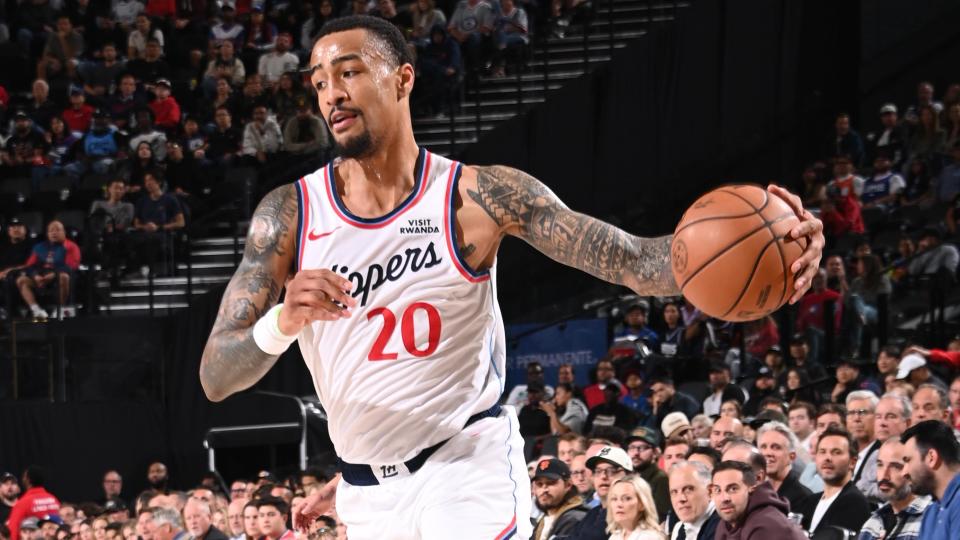
Under the old collective bargaining agreement, this investment might not have raised eyebrows, but now that every dollar of cap space must be maximized, this extension is clearly overpriced.
Collins is a reliable finisher at the rim and an active rebounder, but aside from that, he offers little else. He cannot create his own offense nor generate opportunities for teammates; his shooting efficiency is decent, but his three-point and free-throw attempt rates are very low. Defensively, he has occasional bright moments, but his matchup versatility is poor, and he can be targeted by both quick guards and strong big men.
Frankly, in a league driven by data-based roster construction, this type of player shouldn't command a high salary. In the 2025-26 season, the Clippers scored 3.9 more points per 100 possessions with Collins off the court. Over the past five seasons, his team performed better overall when he came off the bench in four of those years.
Not only did the Pistons sign him to a big contract, but they also plan to have him play a central role in the frontcourt. The team has now lost its primary rim protector, Jalen Duren, and its second-leading playoff scorer, Tobias Harris. Collins will be tasked with responsibilities that exceed his capabilities, and the team's expectations for him are destined to be difficult to meet.
4th Place: Ayo Dosunmu | Timberwolves
Contract: 5 years, $112 million (includes player option)
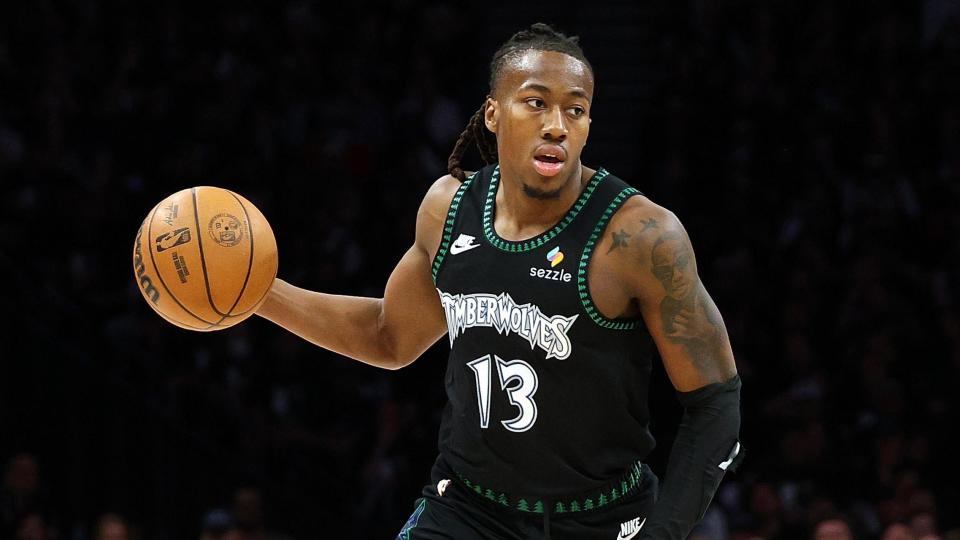
Everyone remembers Dosunmu's standout performances in the first round against the Nuggets this year, and the Timberwolves apparently based this big contract on that brief burst of excellence.
But management seems to have forgotten the steep decline he experienced after those highlights: in the second round against the Spurs, he averaged just 9.4 points per game, shooting 36% from the field, 27.8% from three, and 85.7% from the free-throw line. Prior to this outburst, he had been consistently average, merely a competent multi-functional role player—a profile that hardly warrants a nine-figure contract.
Dosunmu has a diverse set of skills, but none are elite. He is adequate as a secondary playmaker but cannot carry a team's offense alone; his three-point percentage occasionally looks good, but his total attempts are low; defensively, he is rarely targeted but produces almost no steals or blocks (career average of 1.2 combined steals and blocks per game).
With Donte DiVincenzo suffering an Achilles tear, the team's perimeter rotation depth is severely depleted, seemingly forcing the Timberwolves to offer a high price. However, the objective reasons for the signing do not change the fact that this contract is an overpay. The Wolves can only hope that his brief explosion against the Nuggets—where he scored 68 points on 23-of-32 shooting, exploiting the Nuggets' clear defensive weaknesses—reflects his true level. Otherwise, Dosunmu has no other performance to justify this large contract.
3rd Place: Kevin Huerter | Pistons
Contract: 3 years, $27 million
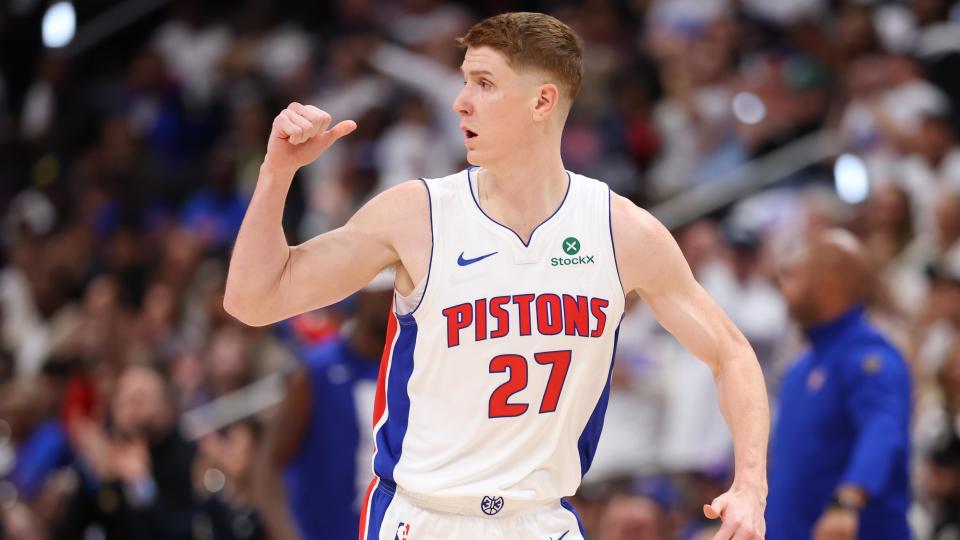
A three-year deal averaging under $10 million annually for a dedicated shooter seems like a bargain, right? But if that shooter's accuracy has been declining year after year, the math needs a second look.
That might be a bit exaggerated, but just look at Huerter's plummeting three-point percentage over the years. When he helped the Kings end their playoff drought, he posted a career-high 40.2% from three. Since then, it has declined for three consecutive seasons: 36.1%, 33.8%, and 30.8%.
The Pistons were desperate for floor spacing last season, shooting 35.6% from three as a team. Even the league-worst Nets managed 34%, and Huerter has been below that mark for two straight seasons.
Under normal circumstances, a shooter experiencing prolonged poor shooting form would only receive a short-term, prove-it contract. Instead, the Pistons handed him a guaranteed three-year deal, assuming he would bounce back without any supporting data. After being traded to the Pistons at the deadline, his playoff three-point percentage was just 29.9%.
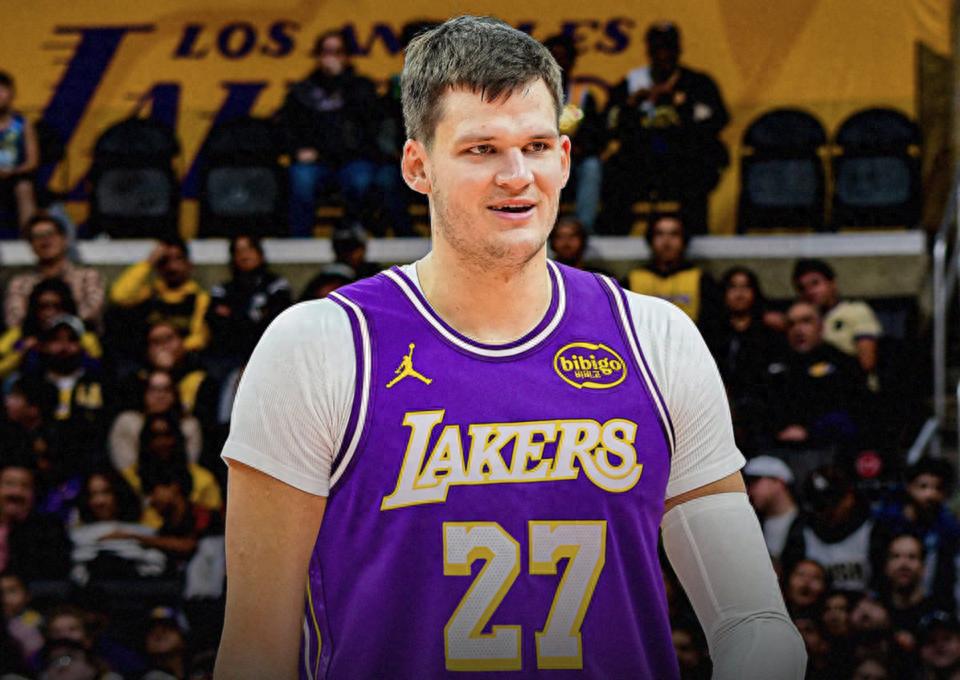
2nd Place: Walker Kessler | Lakers
Contract: 4 years, $130 million (includes player option, 15% trade kicker)
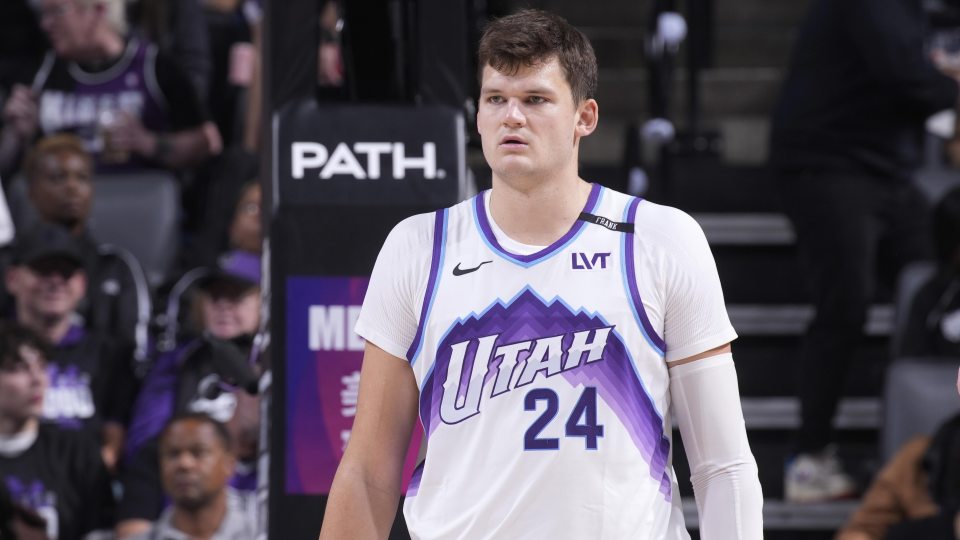
This max contract with a trade kicker is a significant overpay for Kessler. He has never been an All-Star or made an All-NBA team; despite working on his outside shooting, his offensive range remains limited to the paint; while he is mobile for his size, his defensive versatility is not elite.
He excels at rim protection and rebounding, his primary role, but is that enough to warrant such a large, long-term deal? Having played only 127 total games over the past three seasons, his ability to stay healthy and available is a major question mark.
The risks for the Lakers go far beyond this high-priced contract. To acquire Kessler, a restricted free agent, from the Jazz, the Lakers had to give up nearly all their future draft assets: unprotected first-round picks in 2031 and 2033, plus swap rights for their first-round picks in 2028 and 2030.
The Lakers desperately needed a rim-protecting center to support Luka Doncic (according to team reporter Woike, Doncic's most desired frontcourt player was Kessler). Appeasing a superstar is a crucial part of team operations, which is understandable. However, a reasonable motive does not make the signing decision wise. Unless Kessler leads the team to impressive results, this contract will undoubtedly be viewed as a severe overpay in the future.
1st Place: Trae Young | Wizards
Contract: 4 years, $212 million
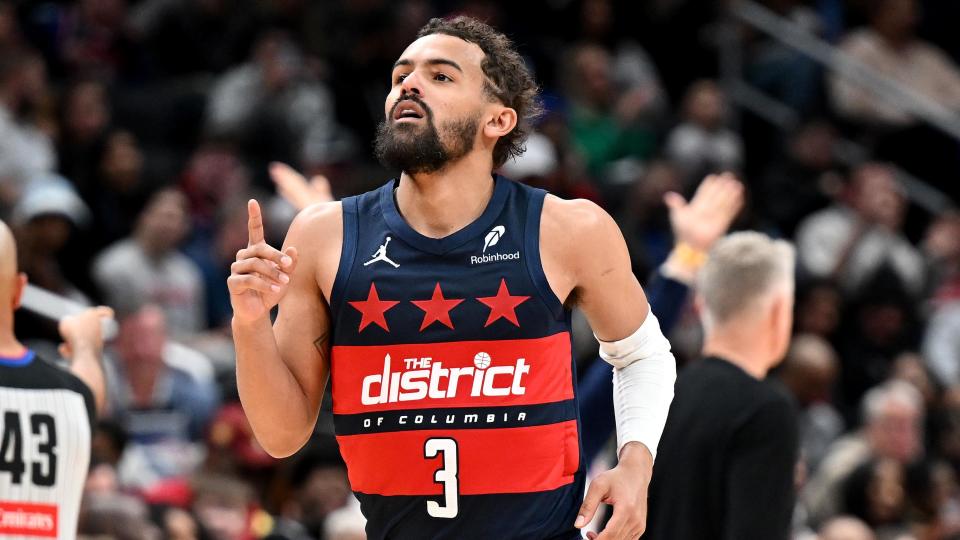
The previous contracts could be somewhat justified, but this one finds no reasonable explanation. When Trae Young declined his nearly $49 million player option for next season, it was widely expected he would take a pay cut to re-sign with the Wizards.
Instead, the final deal was for an average annual value of $53 million over four years, including a player option. This player is only strong on offense, with mediocre shooting efficiency (career: 43.3% FG, 35.2% 3PT, 87.2% FT), averages 4.2 turnovers per game (among the league leaders), and has been plagued by injuries in two of the past three seasons.
This signing is astonishing and completely baffling. When the Wizards acquired Trae Young in January for just CJ McCollum and Corey Kispert, everyone thought they had pulled off a steal, allowing their young core to experiment with a star player. Just six months later, after Young had played only 5 games for the team, the initial bargain had completely evaporated.
His stats remain flashy, but his offensive efficiency has steadily declined. He gets to the free-throw line less often, his three-point percentage has dropped year after year, and over the past four seasons, he has shot below 34% from three three times, failing to live up to the reputation of an "elite, no-weakness shooter."
Trae Young is still very good offensively, but when his offensive efficiency dips, his massive defensive liability becomes glaringly exposed. The Wizards will likely regret this extension in the future, especially when their other young core players begin negotiating their own extensions, as it will completely lock up their salary cap space.


Wonderfulshortvideo
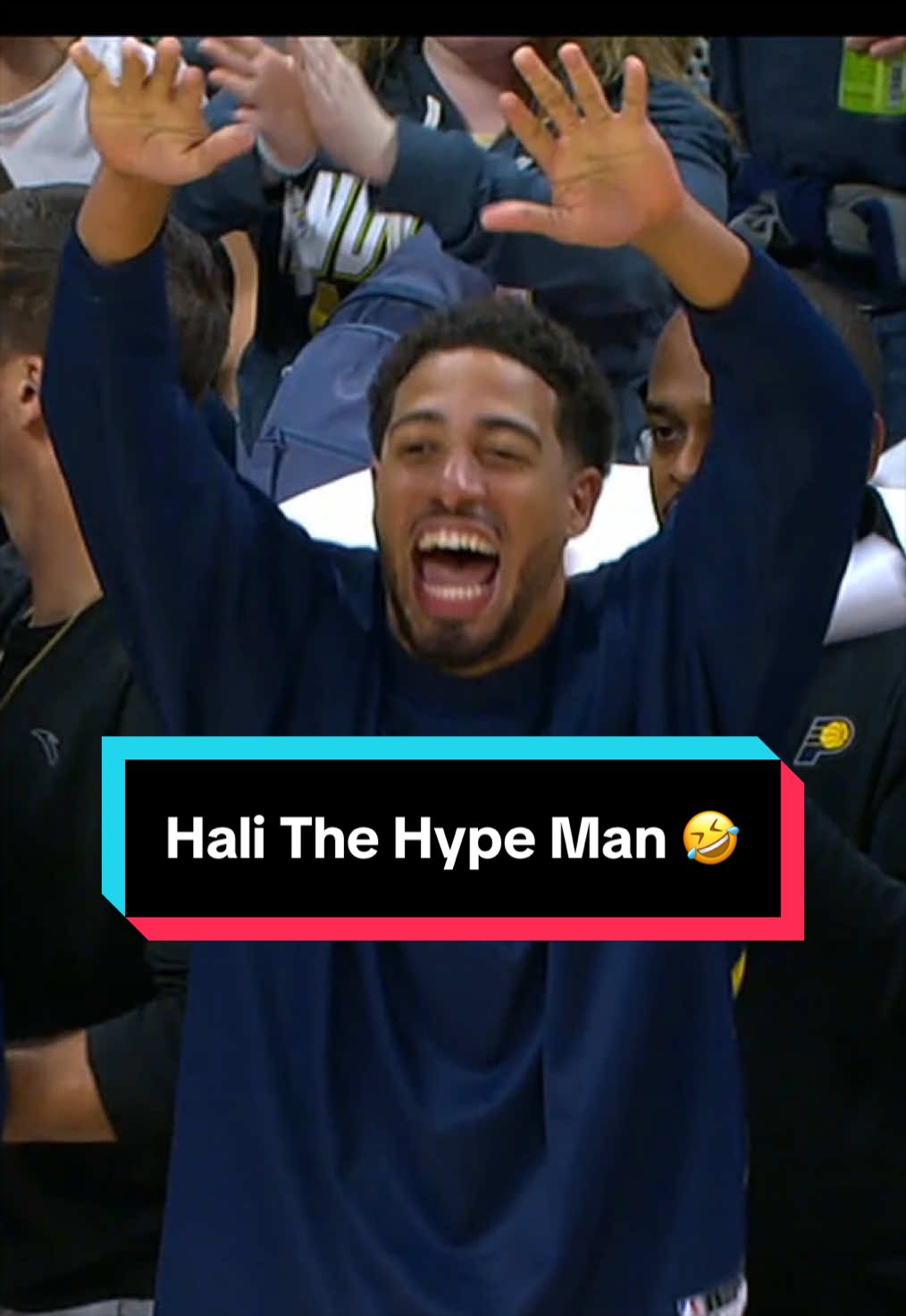
Hali is the ultimate hype man 🤣


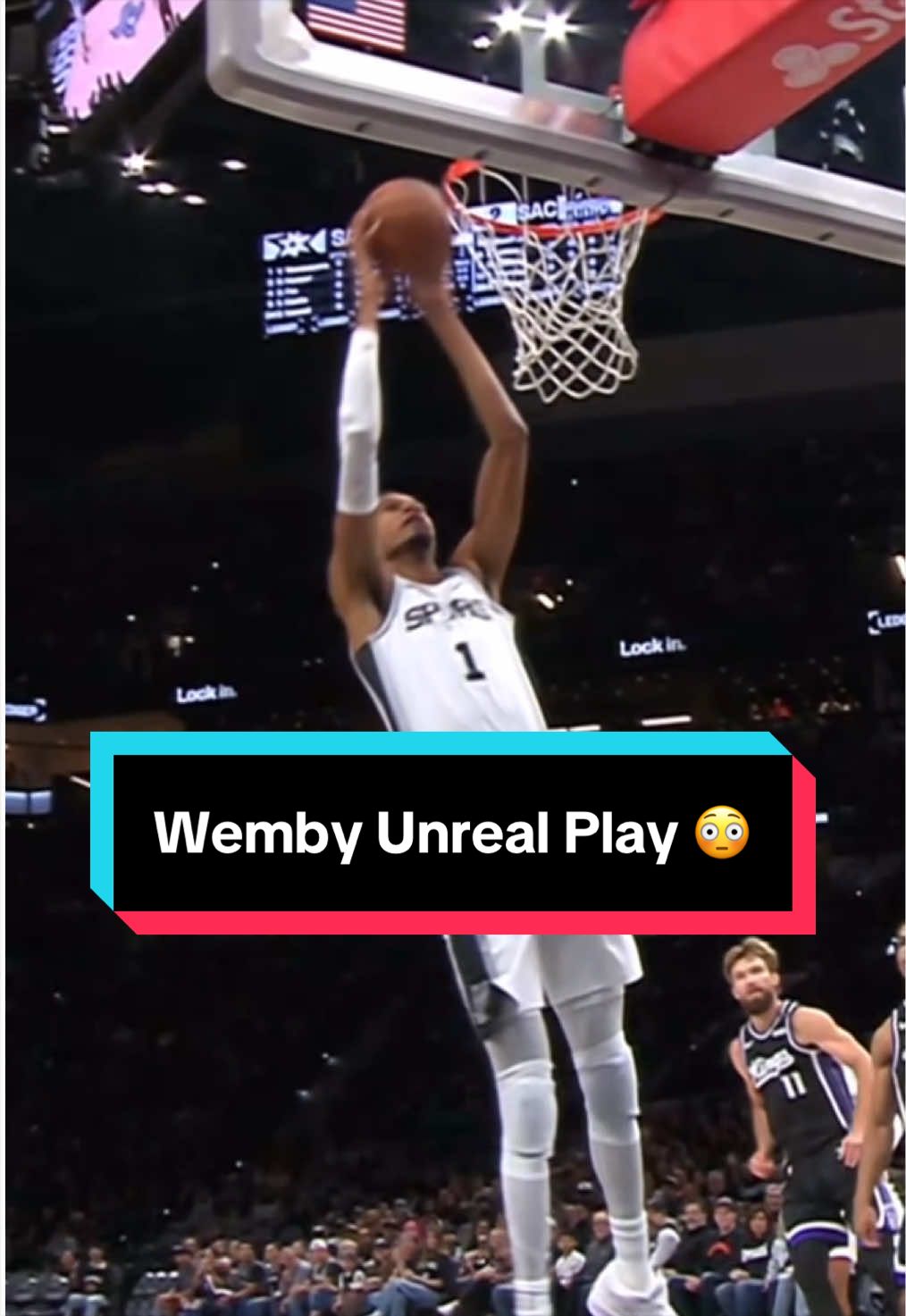
Still not over this Wemby self-lob 😮💨
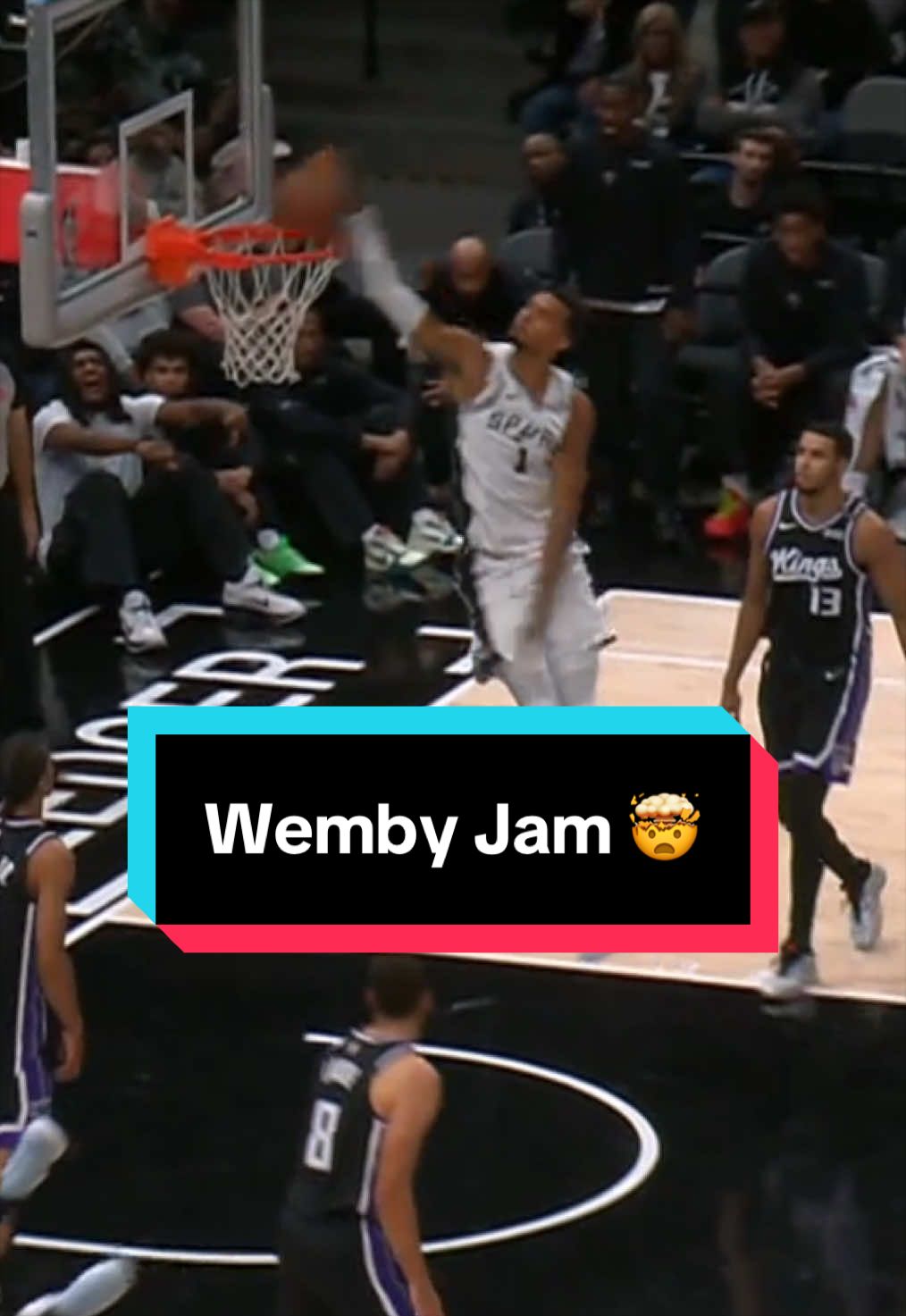
Wemby just keeps going 😮💨
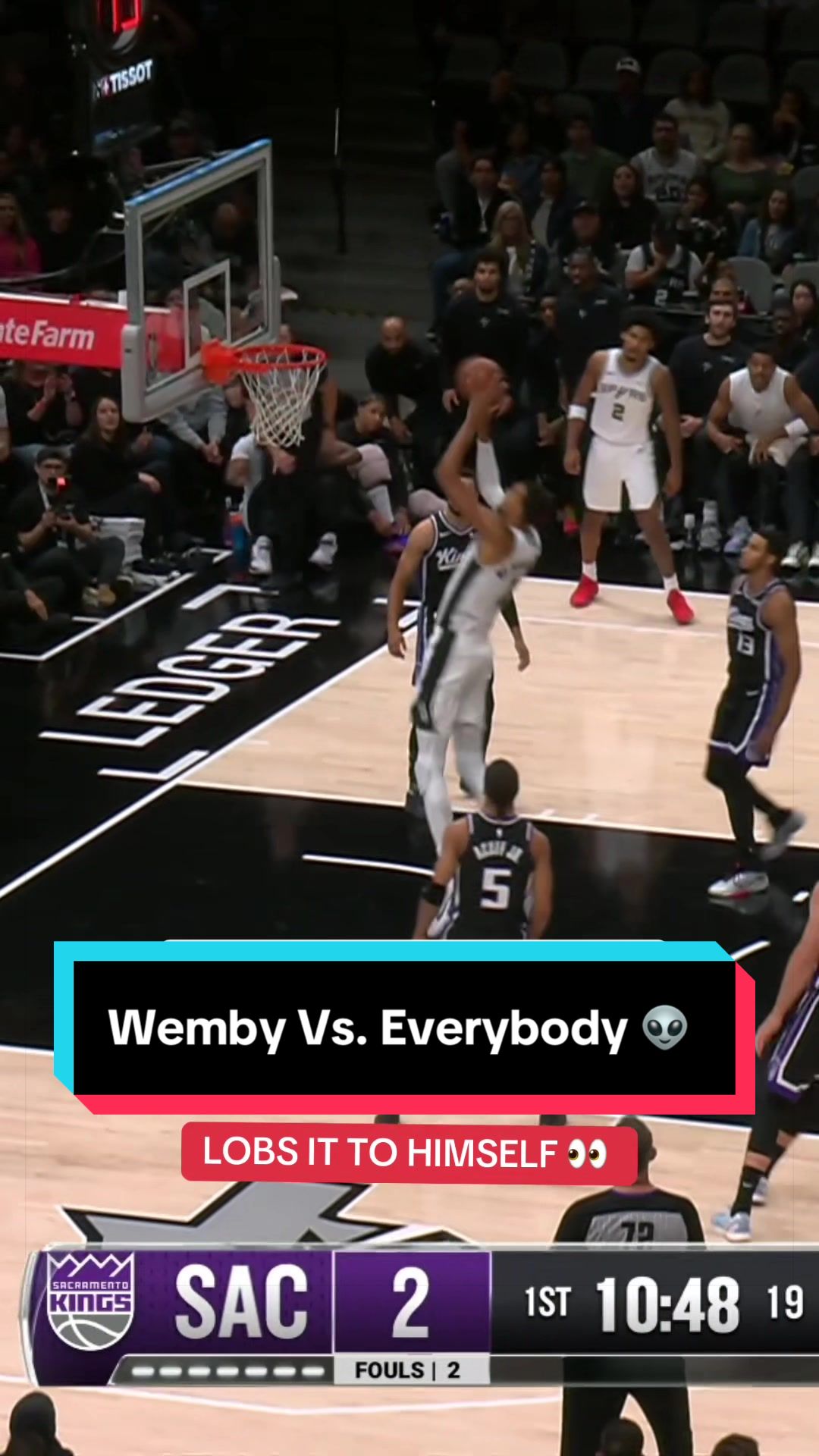
WEMBY IS UNREAL 👽
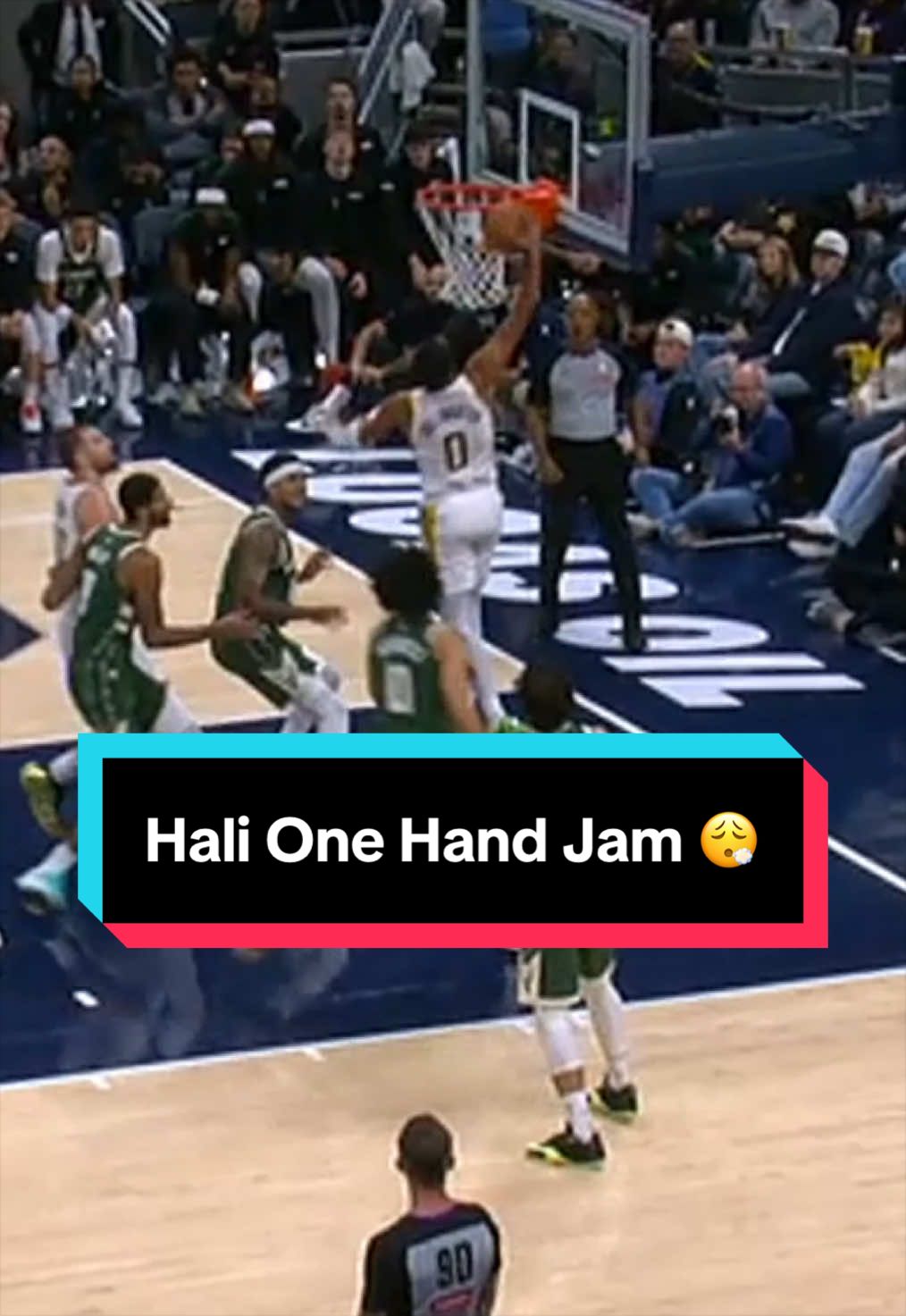
Hali with the BIG one hand jam 💪
One with his left, one with his right 🙌
Replying to @NBA This Wemby self-lob for the two-hand jam was just too crazy 🥵
 Links
Links
 Contact
 App
App


