



and



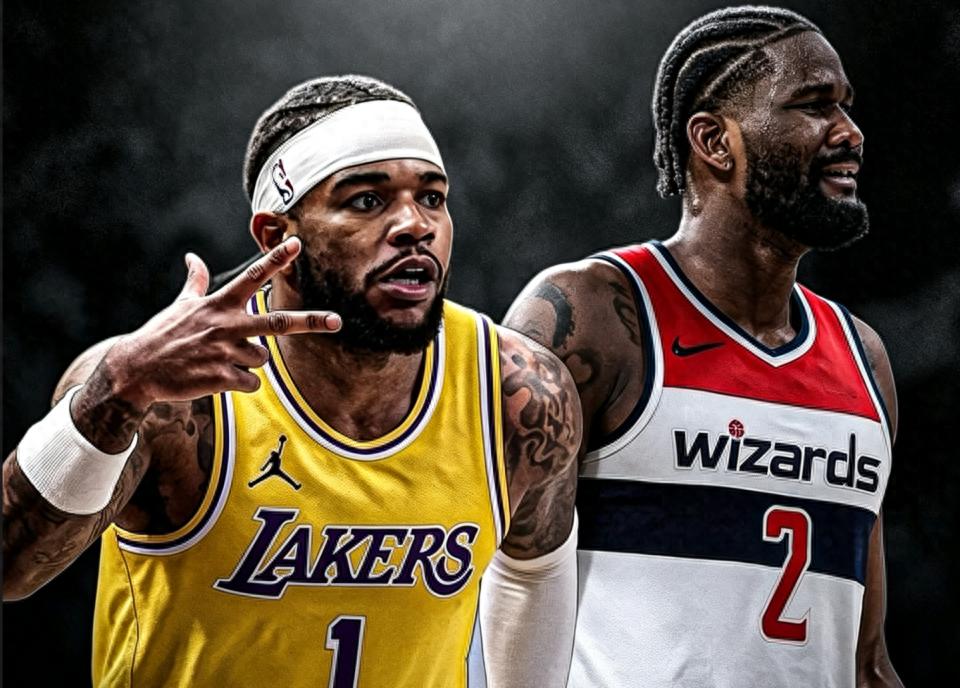
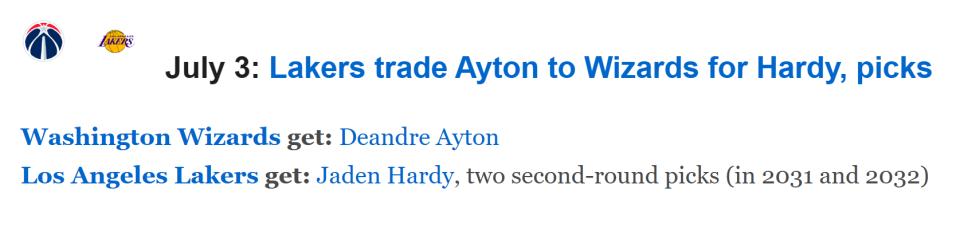
On Beijing time, July 4, the Lakers and Wizards executed a 1-for-3 trade: Los Angeles sent Ayton to Washington for Hardy and two second-round picks (2031 and 2032). ESPN assessed the deal, rating the Wizards a C and the Lakers a B. The analysis follows—
Wizards Trade Grade: C
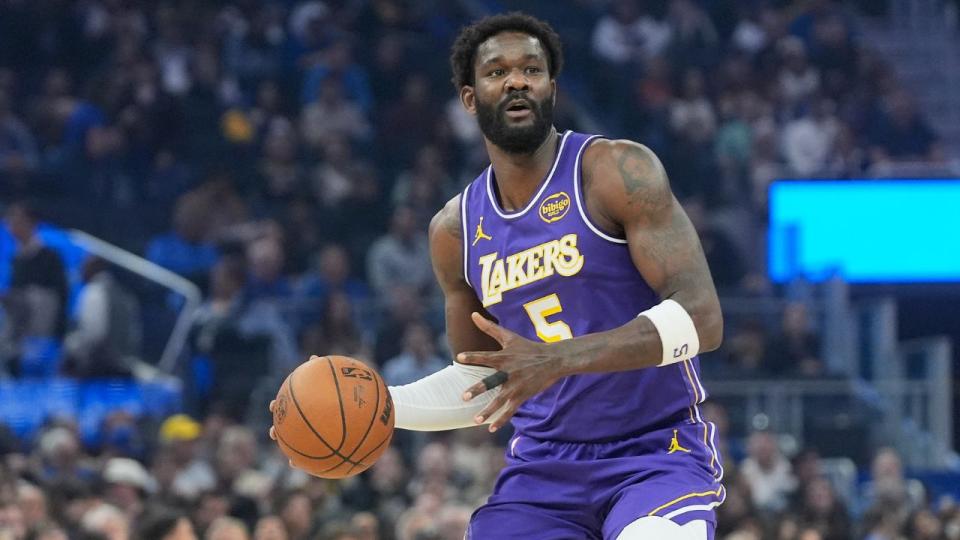
Ayton previously started at center for the Lakers as Anthony Davis’ replacement. He will now unite with Davis in Washington. Alongside D’Bansa and Sarr, the Wizards’ frontcourt now boasts three former No.1 overall picks and one former No.2 pick; the roster also retains another former second overall pick, Russell.
Undeniably, Ayton is no longer performing at a No.1 pick level, but the Wizards never expected him to anchor their interior core. ESPN reporter McMenamin revealed that Washington acquired Ayton primarily to provide insurance at center while Sarr recovers from offseason foot surgery.
Ayton is fully capable of fulfilling this backup rim-protection role. If the Wizards plan to trade Davis before next summer, his value could increase further. Davis holds a $62.8 million player option next season; if he declines it, he becomes a free agent. Last season, Ayton averaged 12.5 points and 8 rebounds per game.
However, this trade has two obvious flaws from the Wizards’ perspective:
First, the move exposes contradictions in the team’s positioning of Sarr. Stats show that Sarr played exclusively at center last season. During his rookie year, his average shot distance was 14.4 feet, which shortened to 10.5 feet last season, leading to a significant statistical surge.
But now, with both Davis and Ayton on the roster, the Wizards will likely have to shift Sarr to power forward. Crowding the paint with multiple non-shooting bigs will severely compress Sarr’s interior operating space.
Second, the cost-effectiveness is too low: the team gave up Hardy and draft assets just to acquire a center of Ayton’s caliber, while similar interior players on the market are generally available at a low cost.
The Wizards already have an internal alternative: 23-year-old Vukcevic. He is younger than Ayton, with a lower salary ($3 million this season, plus a team option of the same amount next season), and posted impressive stats last season. This big man scores 23.7 points per 36 minutes, takes a high volume of three-pointers, and hits them at a 35% clip.
Ayton, a former No.1 pick, is being traded for the fourth time in five years—no coincidence. Over his first four seasons, Ayton posted positive plus-minus on the court, with the team performing better on both ends when he played. But in three of the last four seasons, his on-court plus-minus has been significantly negative. Data shows that last season, when Ayton was on the floor, the Lakers were outscored by 0.4 points per 100 possessions; when he sat, they outscored opponents by 5.3 points per 100 possessions.
Lakers Trade Grade: B
After Ayton exercised his $8.1 million player option for the 2026-27 season, his departure was inevitable. The Lakers’ urgency to trade him intensified after acquiring Kessler via a large sign-and-trade deal.
Sending Ayton out saves the Lakers $2.1 million in salary (the difference between Ayton and Hardy’s contracts), creating space for upcoming free-agent signings. Next season, Kessler will handle the majority of center minutes, and the backup center role can be filled on the free-agent market. Shams reports that the Lakers are interested in signing veteran bigs like Drummond, Valančiūnas, and Looney.
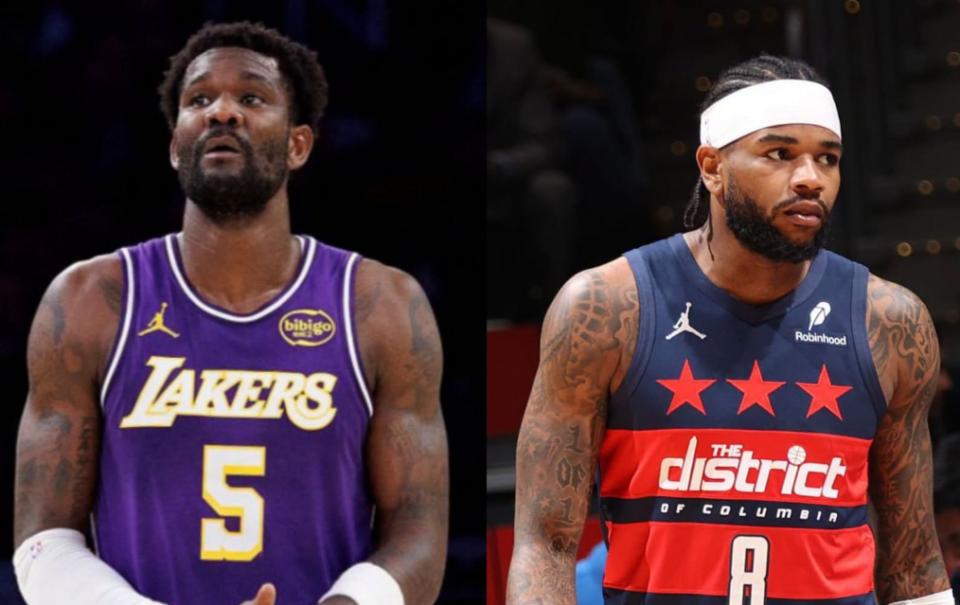
Although the return from the Wizards is not massive, its value is noteworthy: Hardy broke out after a midseason trade to Washington, averaging 22.2 points per 36 minutes with 42% three-point shooting. He can either stay to bolster the wing or serve as a trade chip to fill other roster gaps. Meanwhile, the two second-round picks replenish the Lakers’ scarce draft assets—before this trade, the Lakers had only one tradable 2032 first-round pick (subject to swap) and one tradable 2033 second-round pick.
On paper, Ayton’s numbers will likely outperform those of his replacement at center. The Lakers previously invested heavily to acquire Kessler, who played only five games last season. Moving Ayton also means the team’s interior success will hinge more on Kessler’s health. However, given the dual boost in salary flexibility and draft capital, this trade benefits the Lakers more than it costs them.


Wonderfulshortvideo
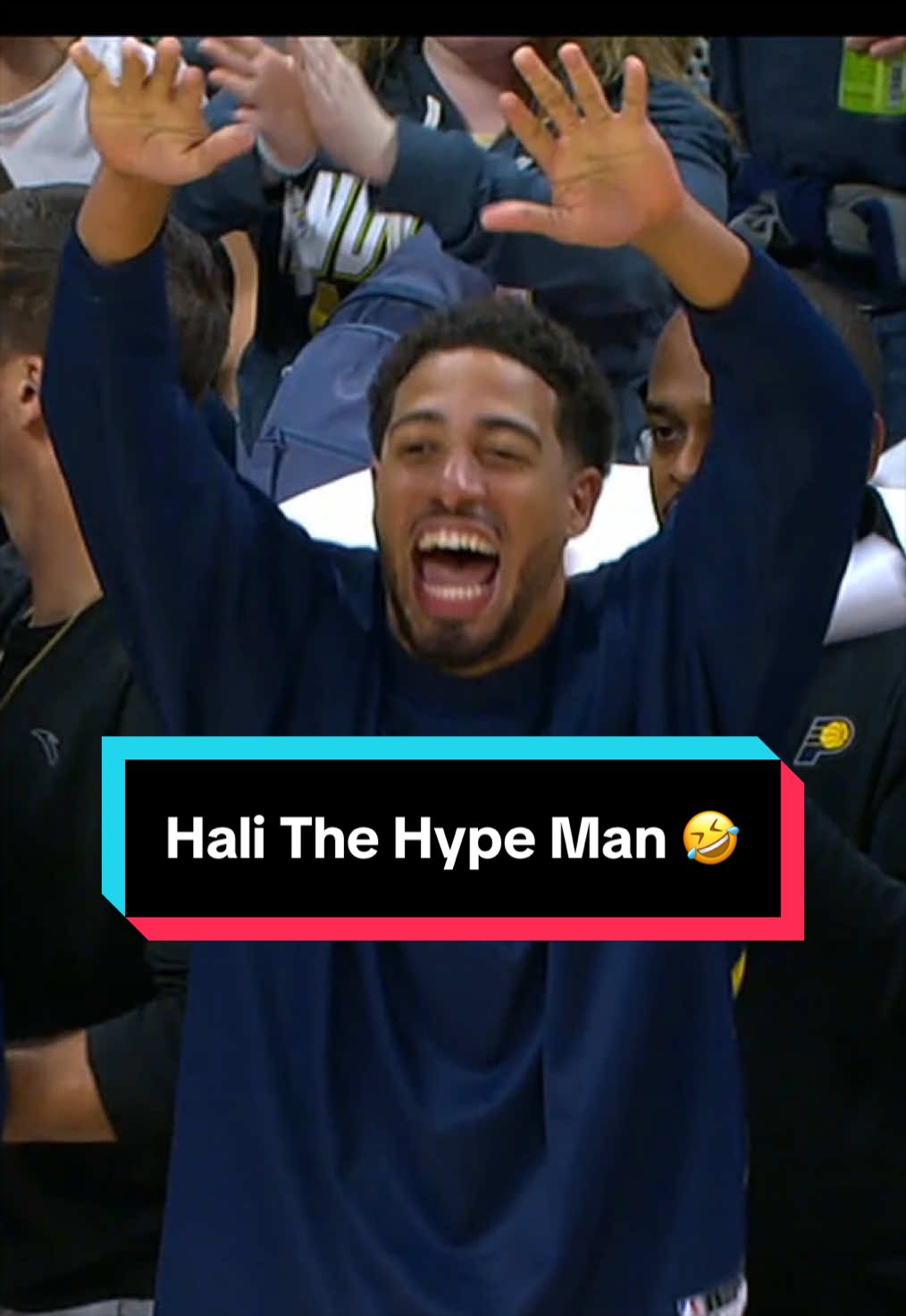
Hali is the ultimate hype man 🤣


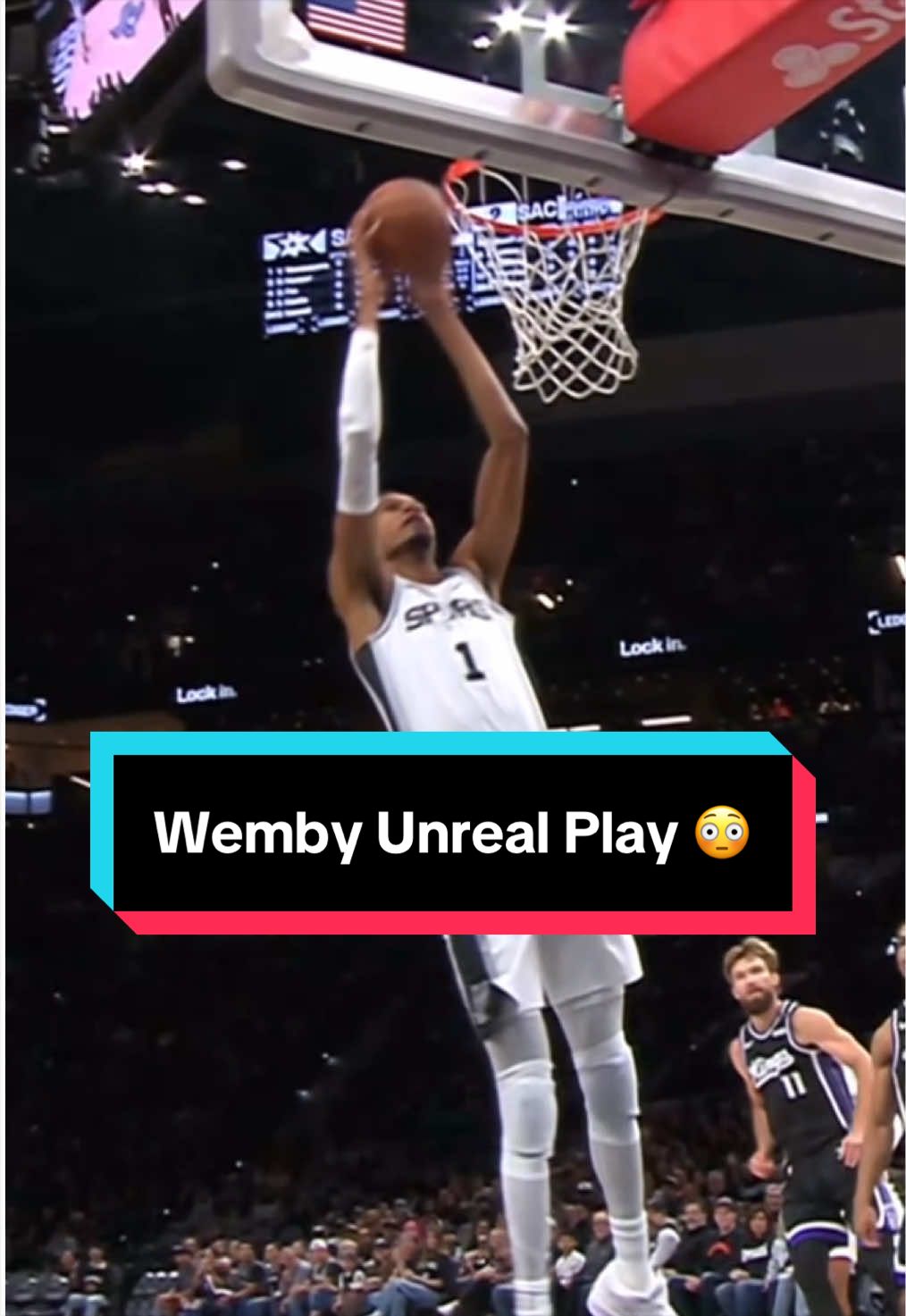
Still not over this Wemby self-lob 😮💨
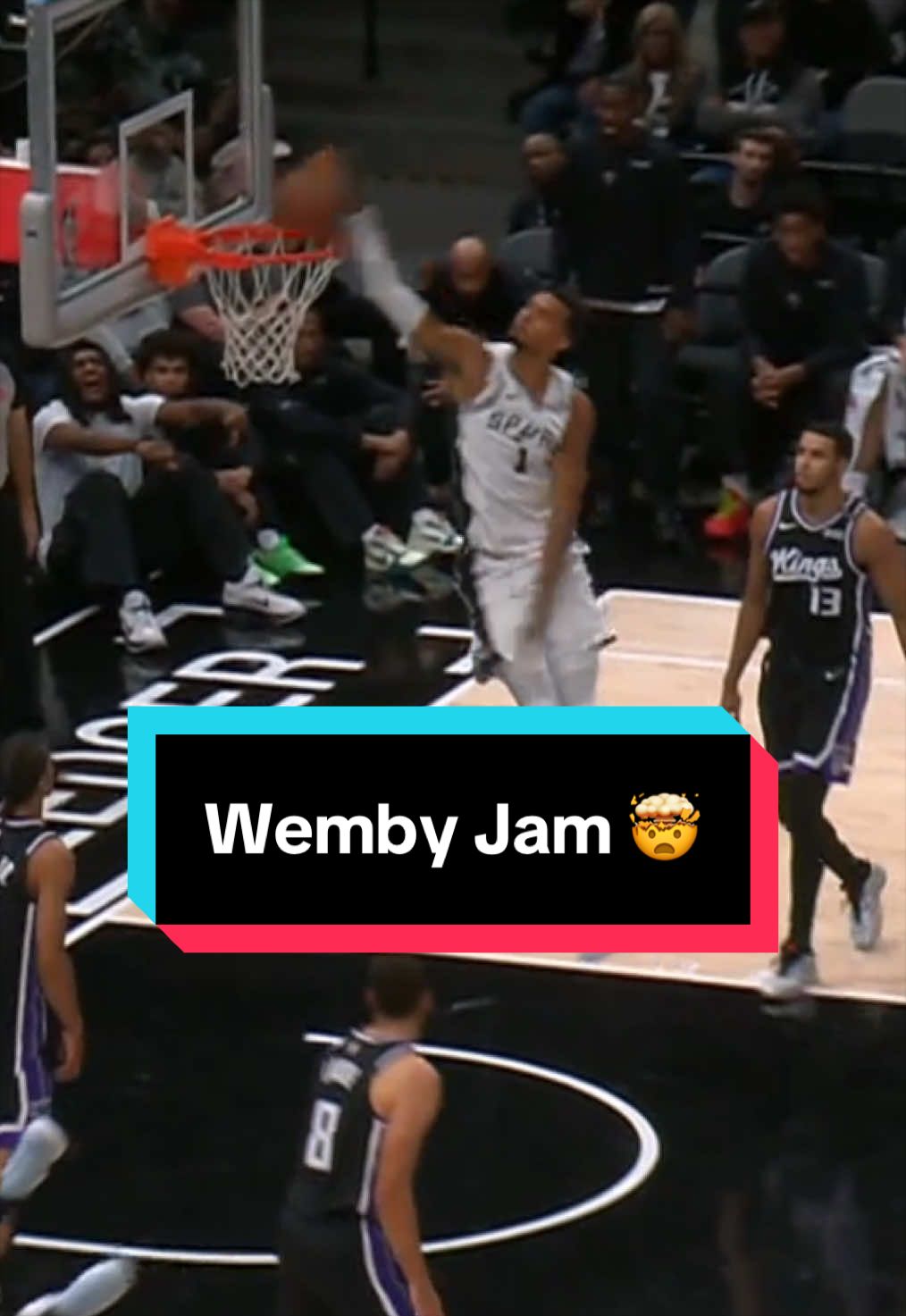
Wemby just keeps going 😮💨
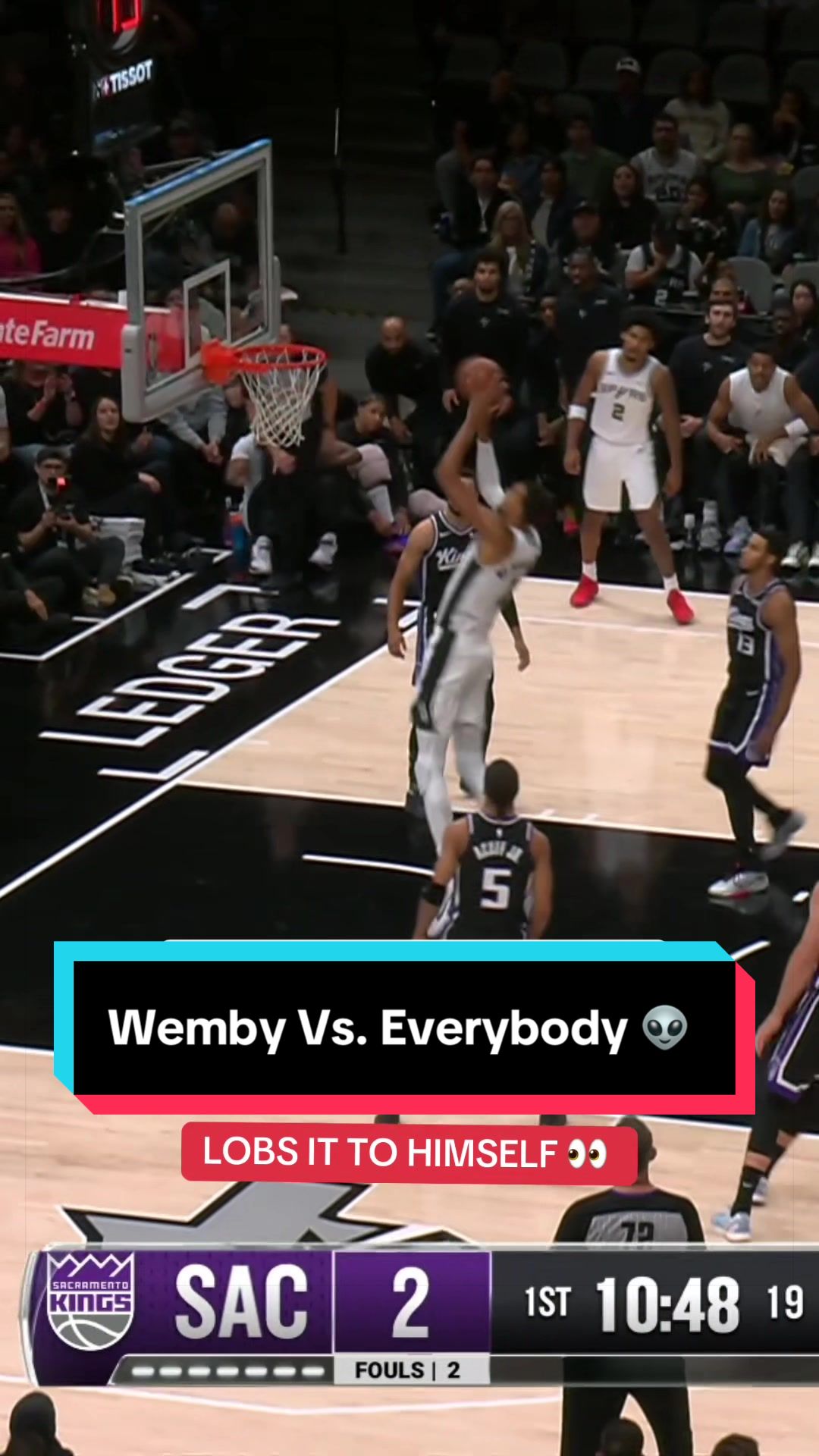
WEMBY IS UNREAL 👽
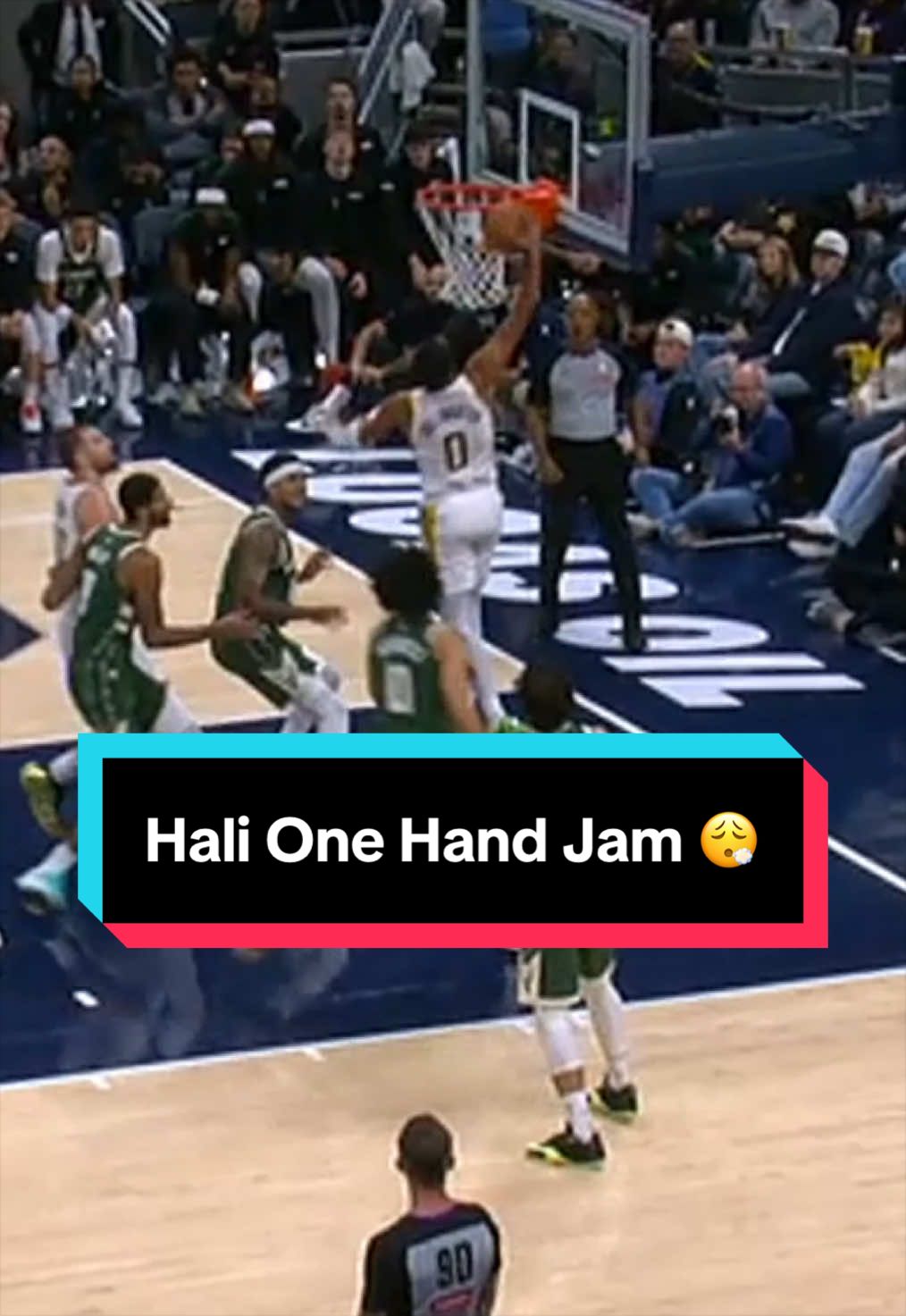
Hali with the BIG one hand jam 💪
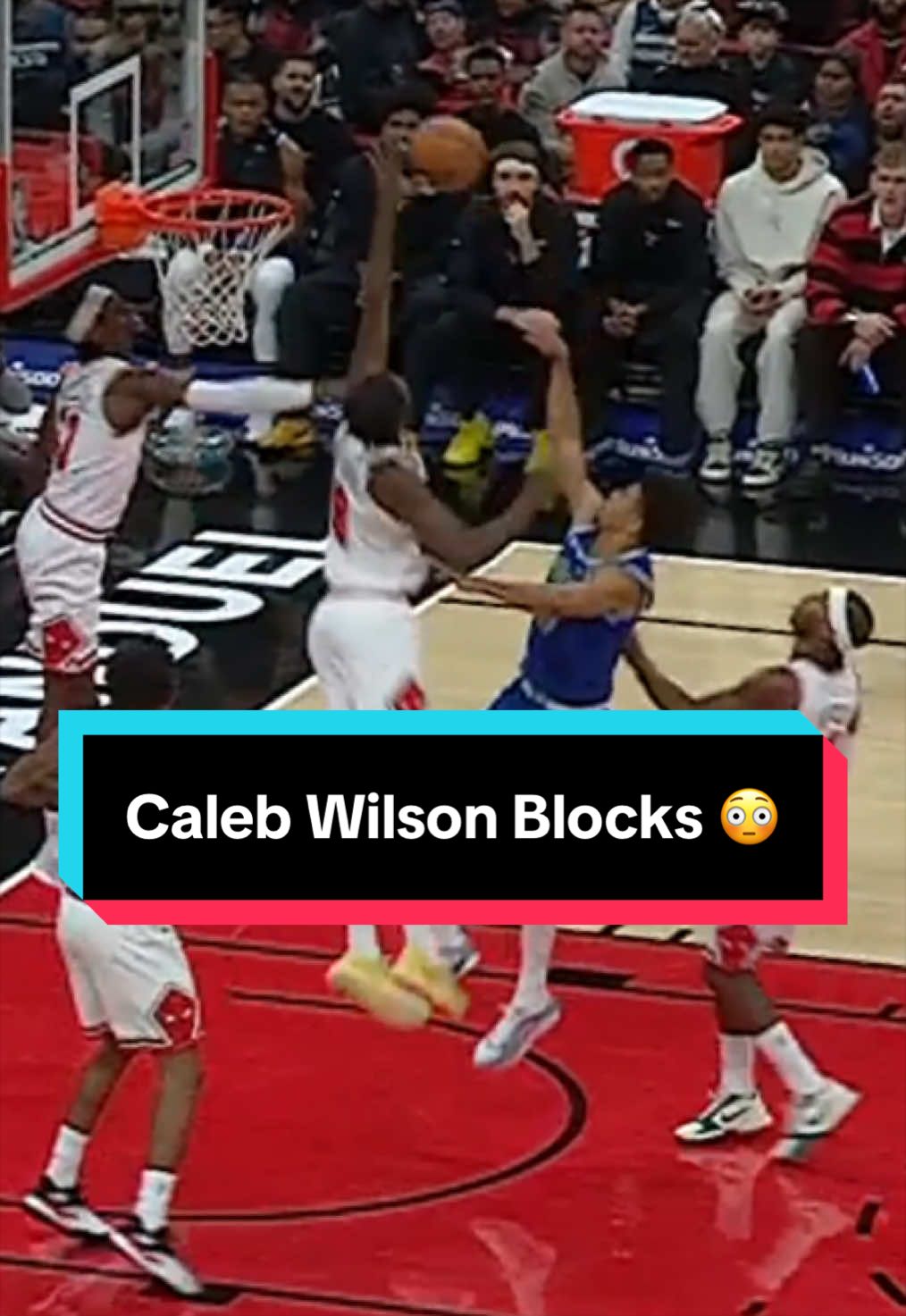
One with his left, one with his right 🙌
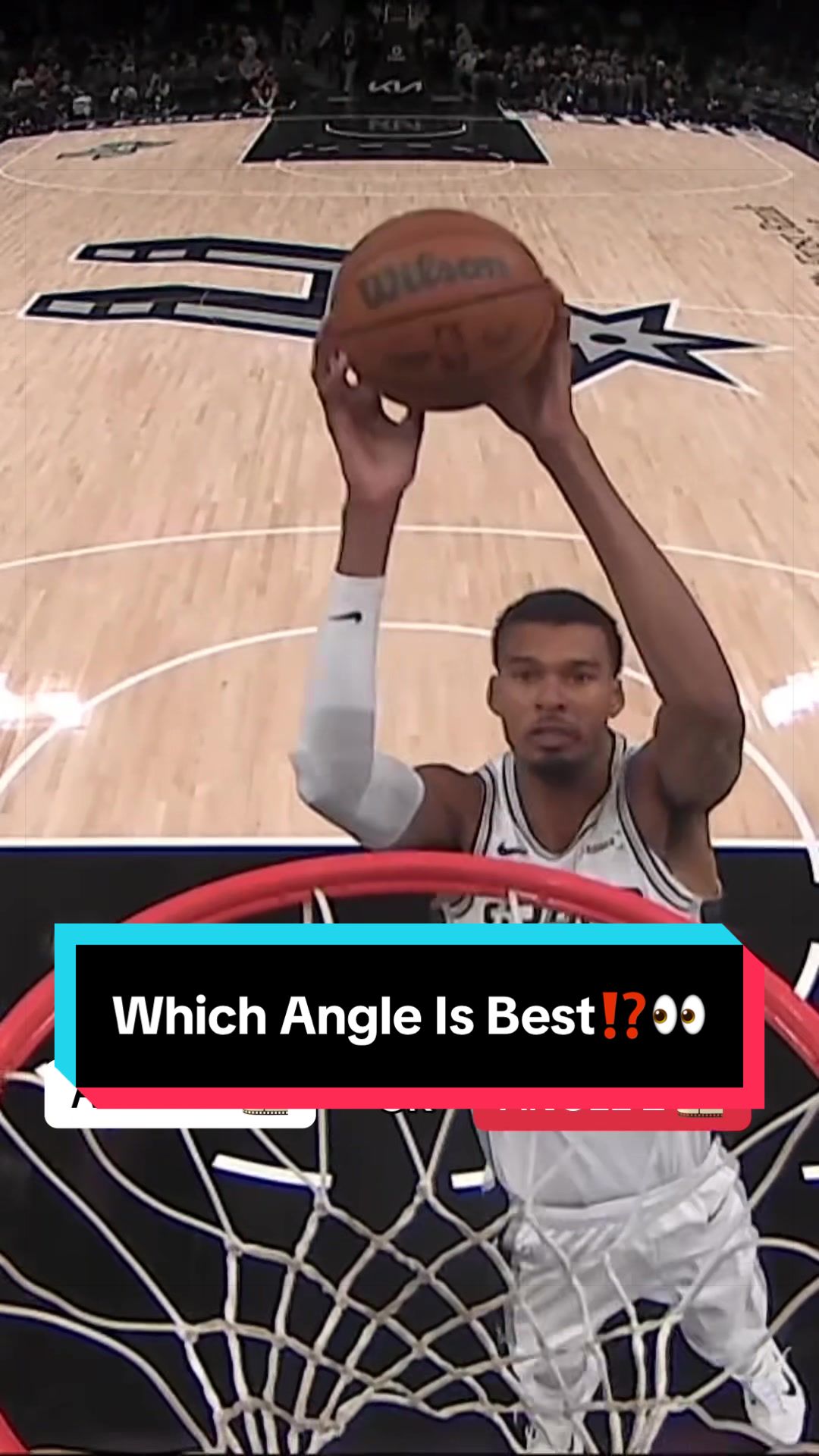
Replying to @NBA This Wemby self-lob for the two-hand jam was just too crazy 🥵
 Links
Links
 Contact
 App
App


