



The Lakers went all-in, but only for Luka Doncic.



"All-in is a form of wisdom." Many take this phrase as a joke, but only Rob Pelinka took it seriously.
Shortly after the free agency period opened, Pelinka spent almost all of his resources in less than half an hour, fearing that if he waited a few more minutes, these players would no longer sign with the Lakers. Thanks to LeBron James' departure, the Lakers had the most cap space available in free agency. However, Pelinka's swift signings used up all that space. It felt good in the moment, but what did the Lakers actually gain?
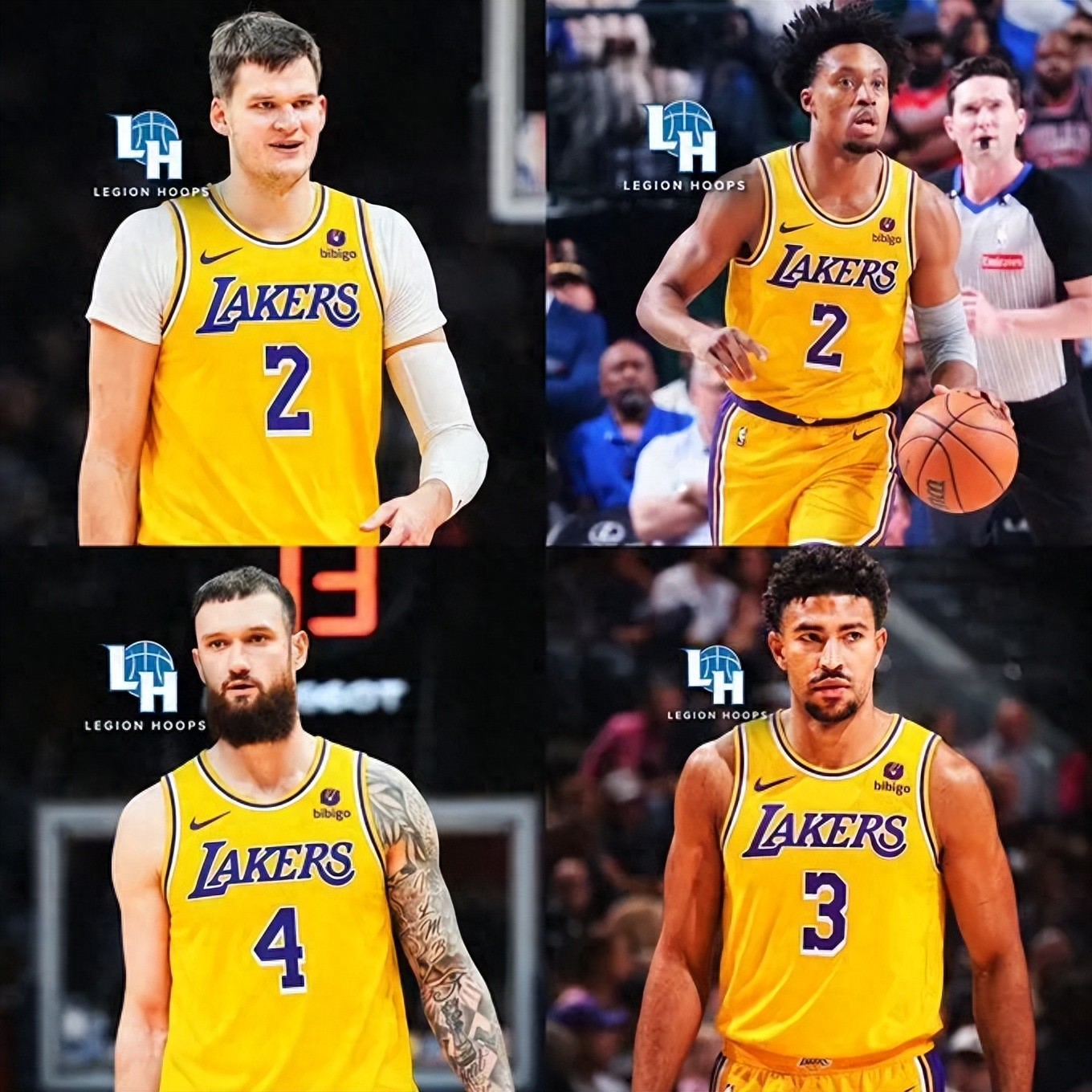
The Lakers first executed a sign-and-trade with the Jazz to acquire Kessler, using their cap space to absorb Kessler's four-year, $130 million contract without offloading bad contracts like Vanderbilt's. In the process, the Lakers gave the Jazz two first-round picks and two pick swaps, exhausting all controllable first-round picks over the next seven years.
A four-year, $52 million contract for Mamu, with a player option in the fourth year. A four-year, $60 million contract for Grimes, also with a player option in the fourth year. A two-year, $19 million contract for Sexton, with a player option in the second year. Pelinka's three consecutive signings left me baffled. I wondered if the CBA had secretly changed to require player options on all contracts.
There's nothing inherently wrong with signing these players, but Pelinka's negotiation skills haven't improved at all over the years. His approach is to offer premium long-term contracts with player options, signing players first without considering the risks behind the deals.
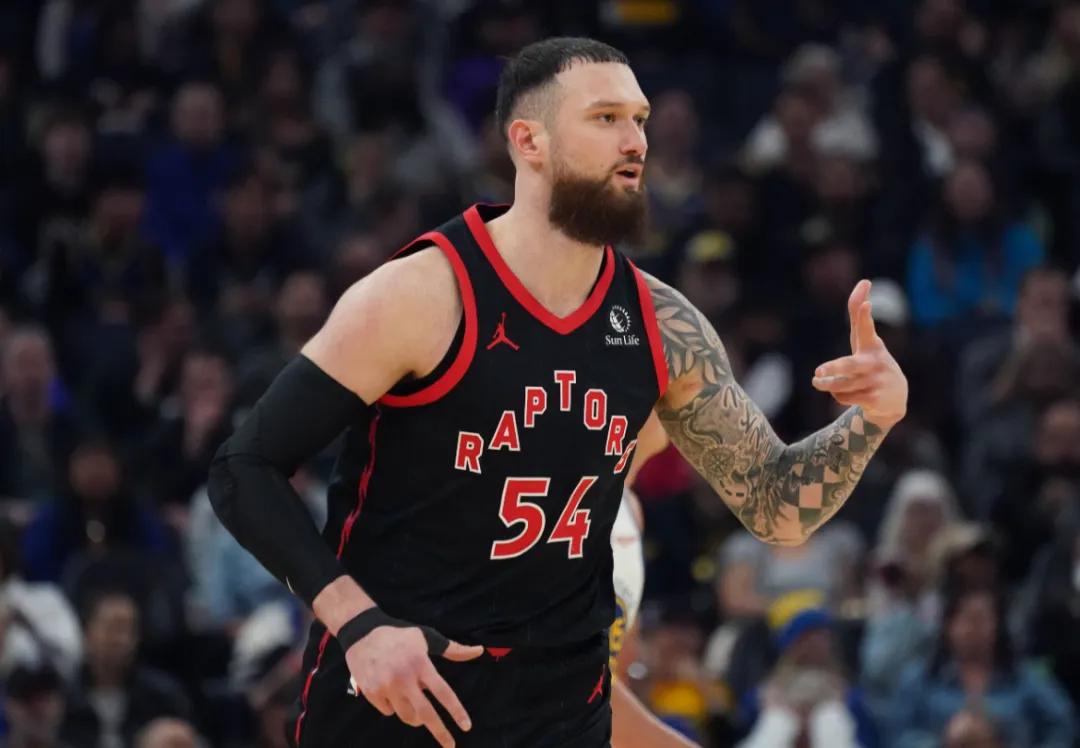
Mamu is a stretch big capable of playing the four or the five. He has a relatively reliable spot-up three-pointer and is decent in pick-and-roll situations. He made a name for himself in San Antonio and signed a two-year, $5.26 million deal with the Raptors last season. During the regular season, he was a key rotation player in Toronto, but his role diminished in the playoffs, averaging just five points.
In my view, Mamu's fair market value should be around $8-10 million per year on a short-term deal. For a four-year contract, it shouldn't exceed $40 million. Yet the Lakers handed out a four-year, $52 million contract without hesitation. Generous indeed.
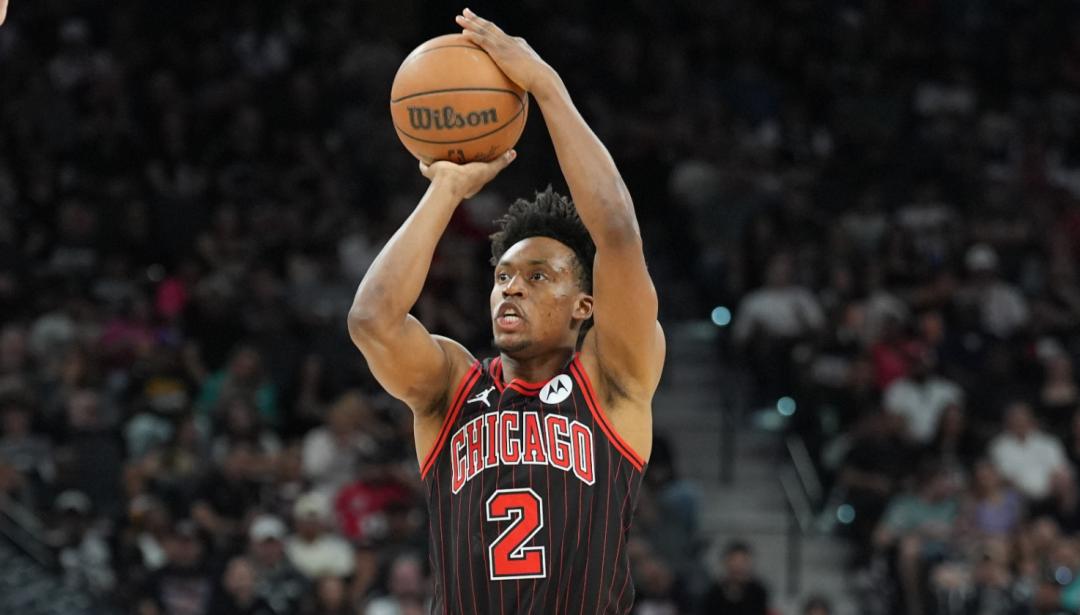
Grimes once played alongside Doncic in Dallas and is known as a scoring flurry specialist. He doesn't clearly fit the 3-and-D mold but can defend. He performed decently in Philadelphia but also saw his production decline in the playoffs. Sexton's price isn't overly expensive. He provides ball-handling off the bench and had a decent three-point shooting season last year, but the player option in the second year gives control back to the player.
Pelinka truly lives up to his reputation as a former agent. Whether in signings or trades, he always considers things from the players' perspective. The Lakers finally had significant cap space to work with, and Pelinka spent it all like a spree spender. Looking at the Lakers' roster now, it's just okay.
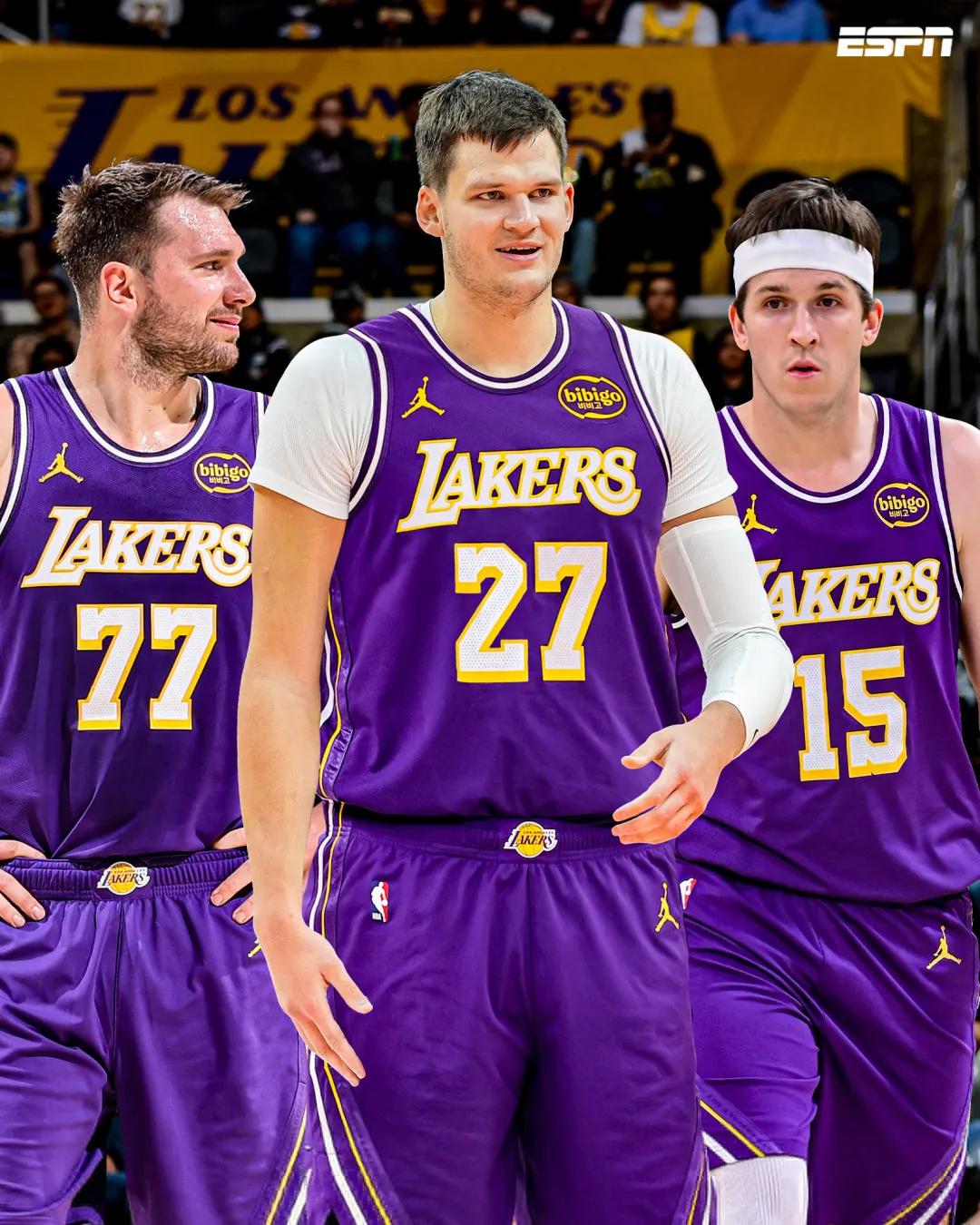
Kessler is, of course, a very effective blue-collar center—top-tier among his kind in the league and meeting Doncic's description of an "A-level center." His rim protection ranks second only to Wembanyama's, his screening quality is excellent, and he appears to have developed a three-point shot (based on a five-game sample last season, as he was sidelined after just five games).
The Lakers have coveted Kessler for a long time. Even when Davis was still with the team, there were rumors linking them to Kessler. However, at that time, the Lakers refused to part with future first-round picks. Kessler was still on a rookie contract, offering incredible value, but the Lakers still wouldn't get a center for Davis.
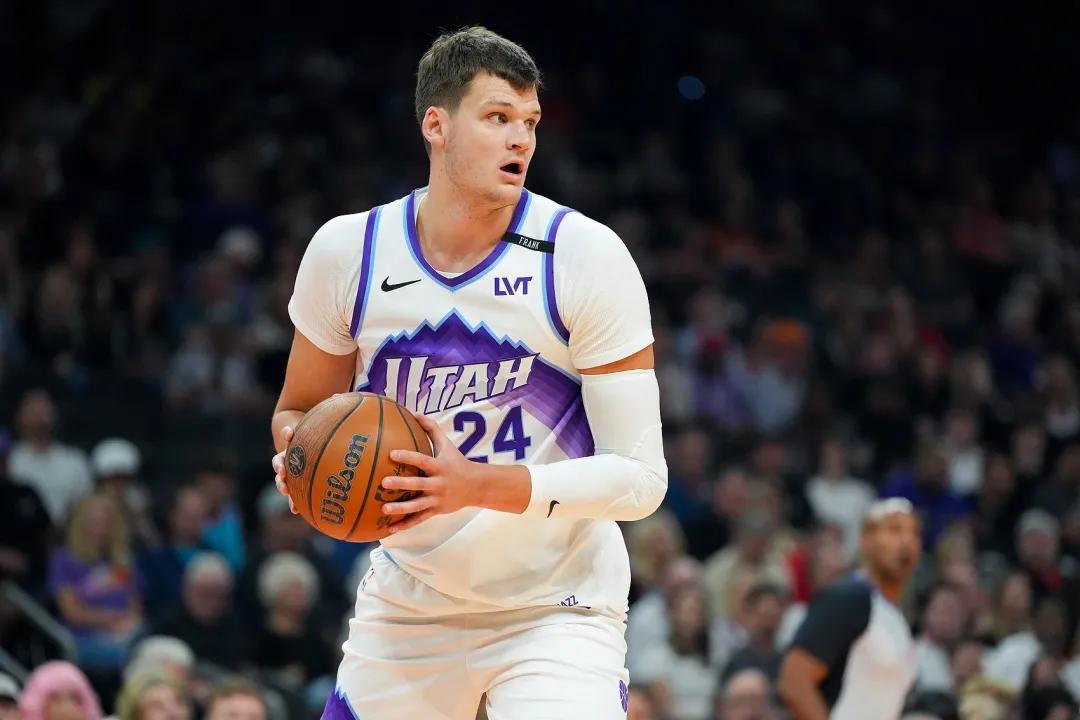
But then Doncic made one statement, and the Lakers went all-in for Kessler, sacrificing everything. They offered a four-year, $130 million contract and, to persuade the Jazz to let Kessler go, handed over unprotected first-round picks in 2031 and 2033 and pick swaps in 2028 and 2030. After this trade, the Lakers have no tradeable first-round picks for the next seven years and lose most of their second-round picks as well.
I still can't understand why the Lakers gave the Jazz so many assets, especially when they could have simply offered Kessler a bigger contract to prevent the Jazz from matching. Remember, the Jazz already have JJJ's max contract, Markkanen on the roster, and plans to re-sign George. Matching Kessler's max deal would have been nearly impossible.
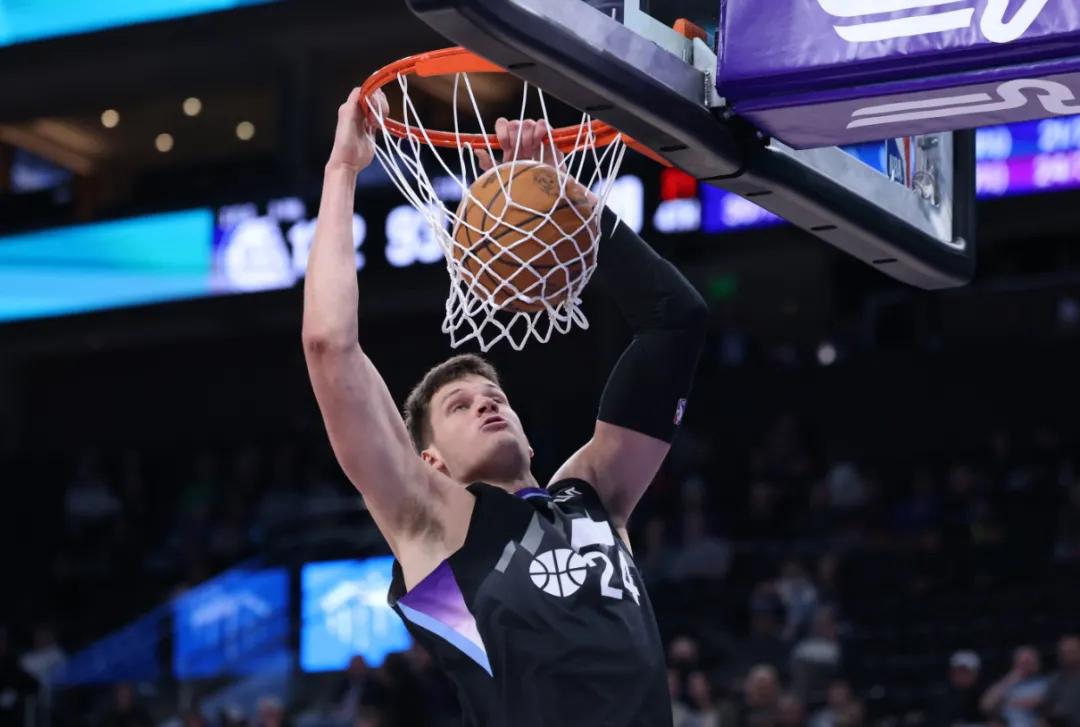
Back when Kessler was on his rookie contract and offered incredible value, the Lakers hesitated to trade a first-round pick for him. Now, with Kessler on a max deal, the Lakers didn't hesitate to offer two first-rounders and two pick swaps. The Jazz were stunned—they thought the Lakers were just joking, but the Lakers actually delivered.
The Lakers have given everything to build a "relatively satisfactory" roster for Doncic. The center Doncic wanted most? Done, but at the cost of the team's future. The shooters and stretch bigs Doncic requested? Acquired. Now, the Lakers are less than $6 million below the luxury tax line, and this roster is basically set for next season.
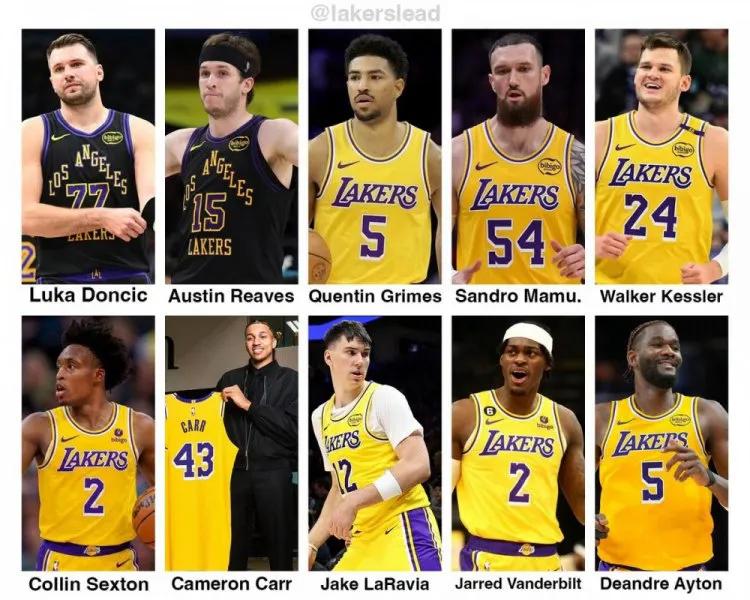
It's hard to say if this roster is stronger than last season's. Without LeBron's playmaking, Hachimura and Kennard's shooting accuracy, or Smart's defense, the Lakers have instead built a system centered entirely around Doncic. Doncic will still produce All-NBA-caliber numbers and might even enter MVP discussions for a time.
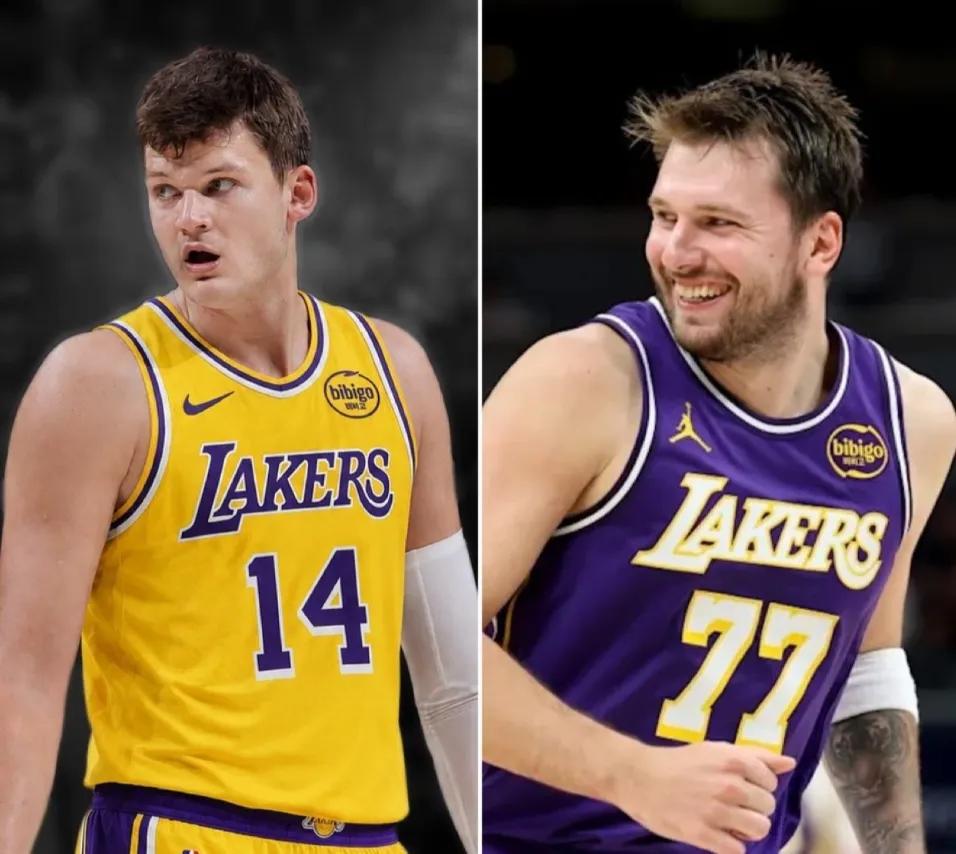
The Lakers will likely secure a supermax extension with Doncic next summer, maintaining the tradition of having a superstar on the roster. As for competing for a championship? That's a concern for another day—something the Lakers don't have to think about right now.


Wonderfulshortvideo
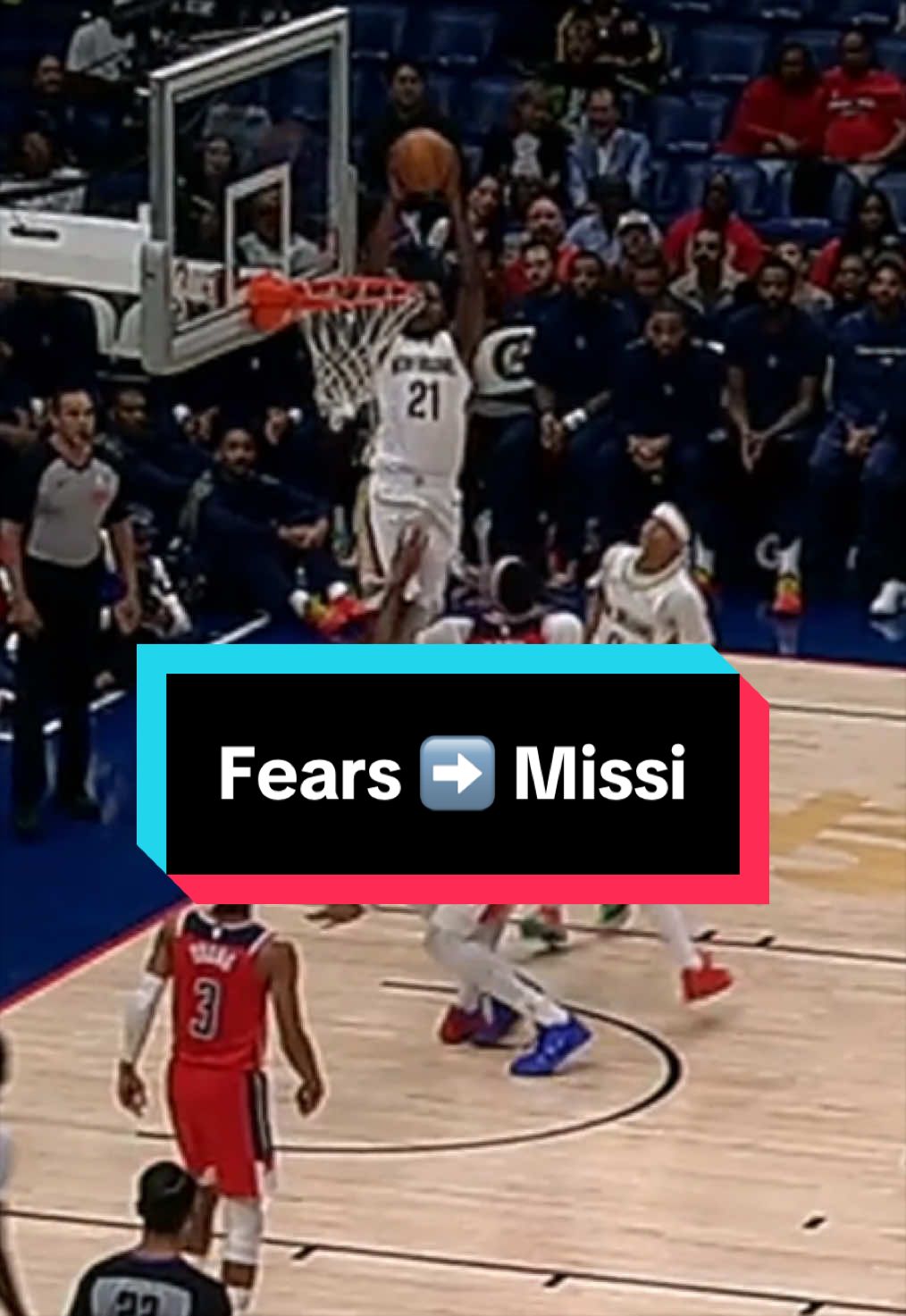
And sets up the perfect lob 👏


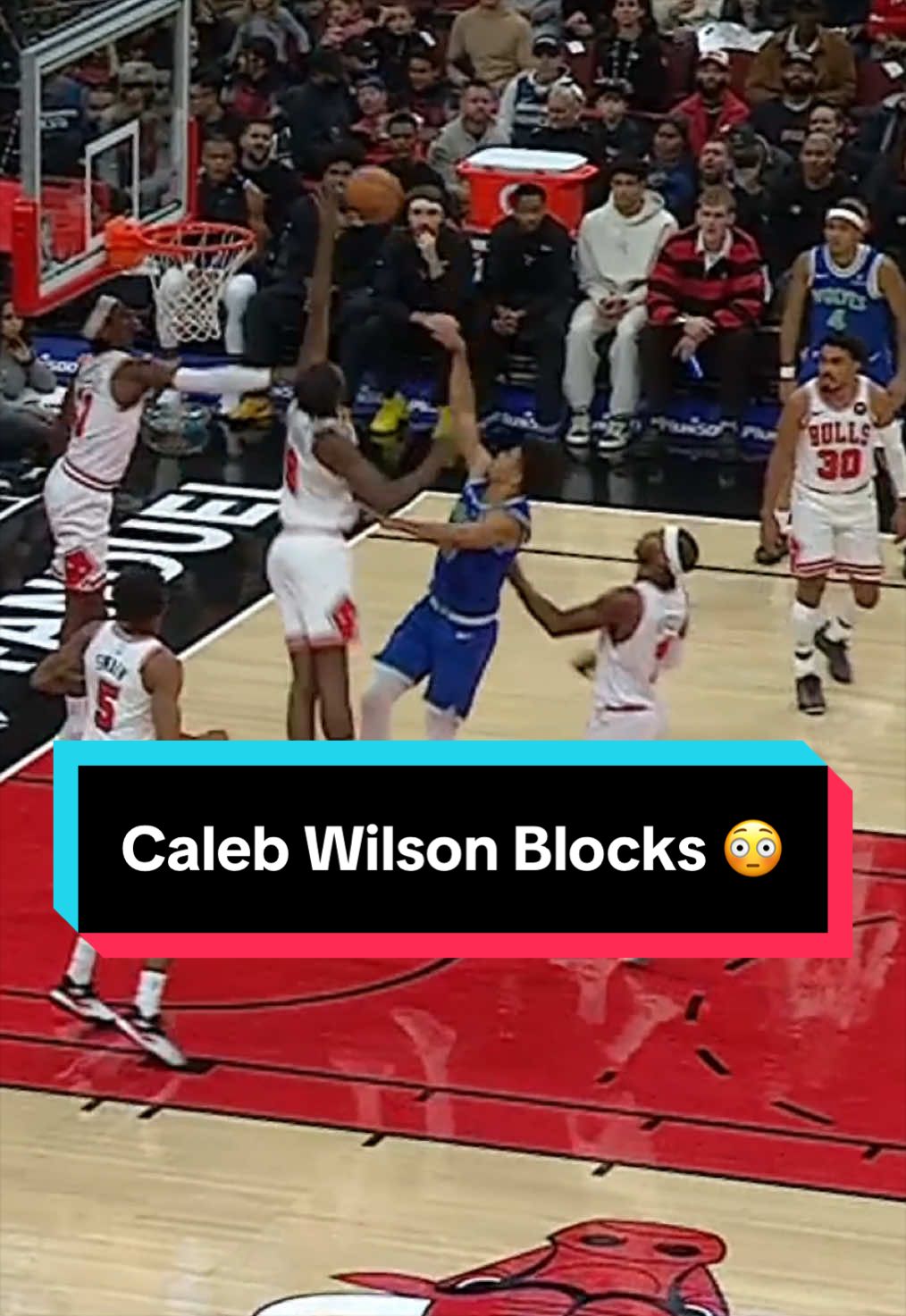
Block so nice, Caleb had to do it twice 🙌
Quick rewind, full recap. Here’s everything from tonight’s @Bucks vs. @Pacers matchup ⏪ 🏀
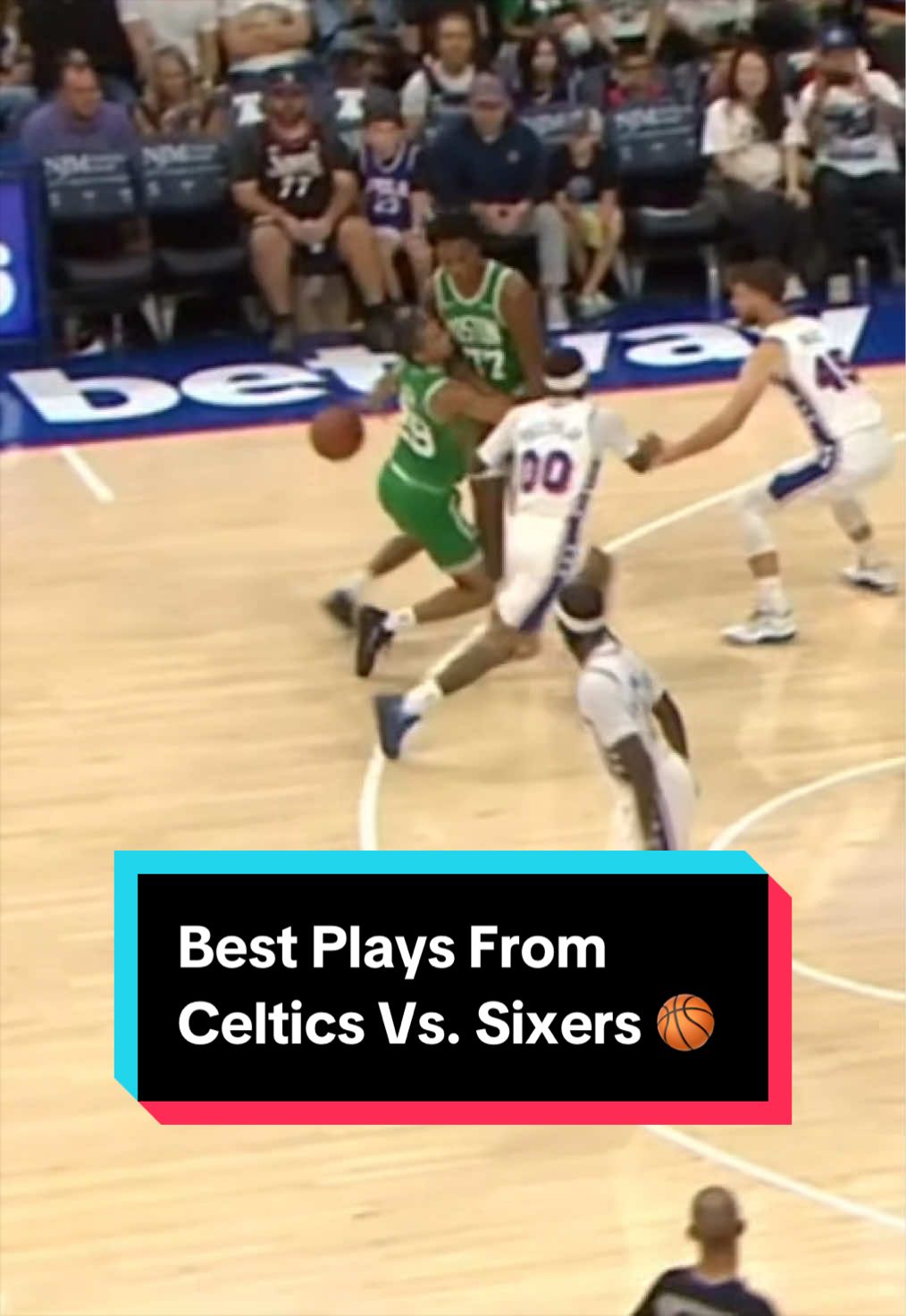
Quick rewind ⏮️. Full recap. Here’s everything from tonight @Boston Celtics vs. @Philadelphia 76ers 🏀
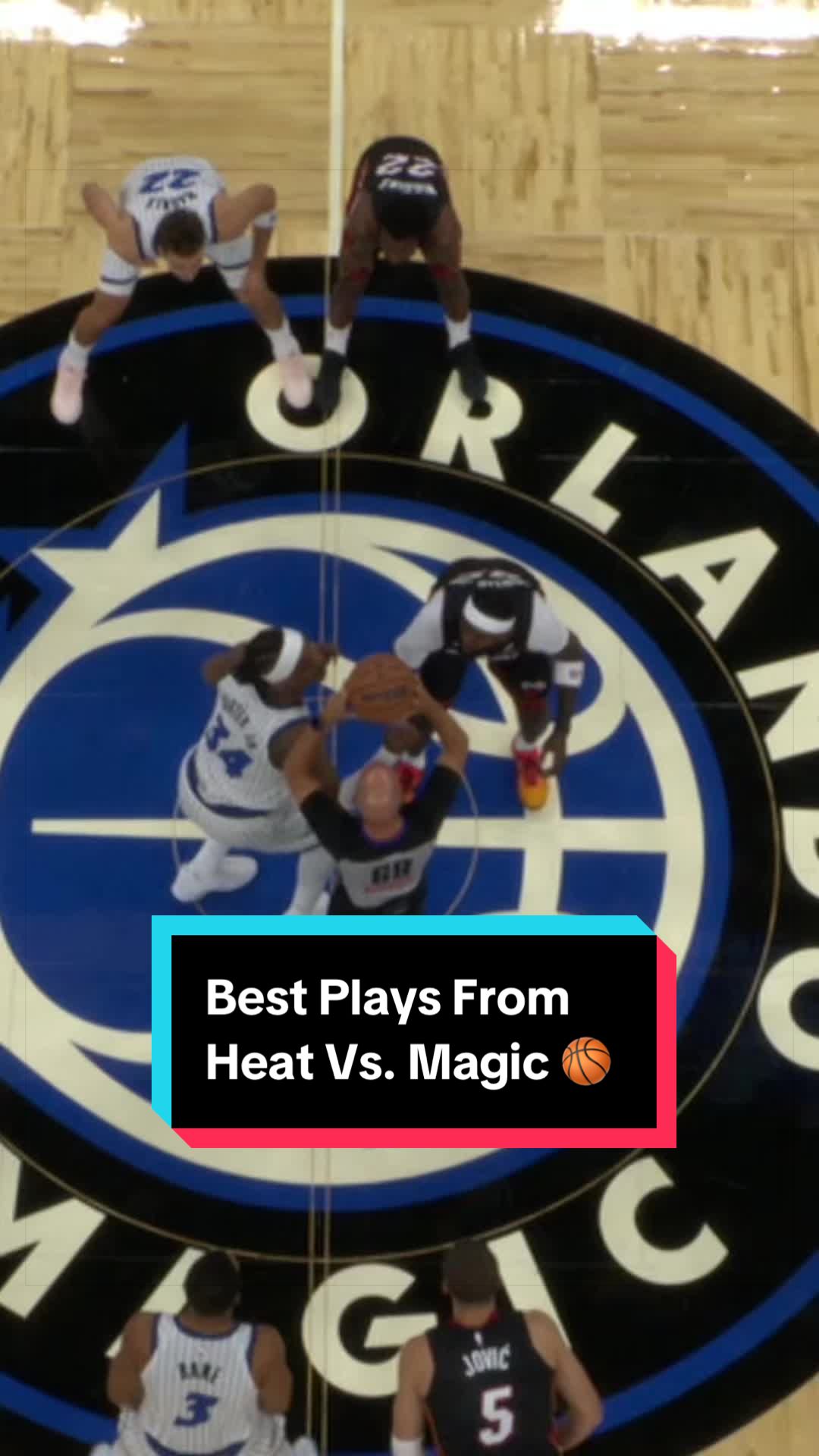
Quick rewind. Full recap. Here’s everything from tonight’s @Miami HEAT vs. @Orlando Magic matchup ⏪ 🏀
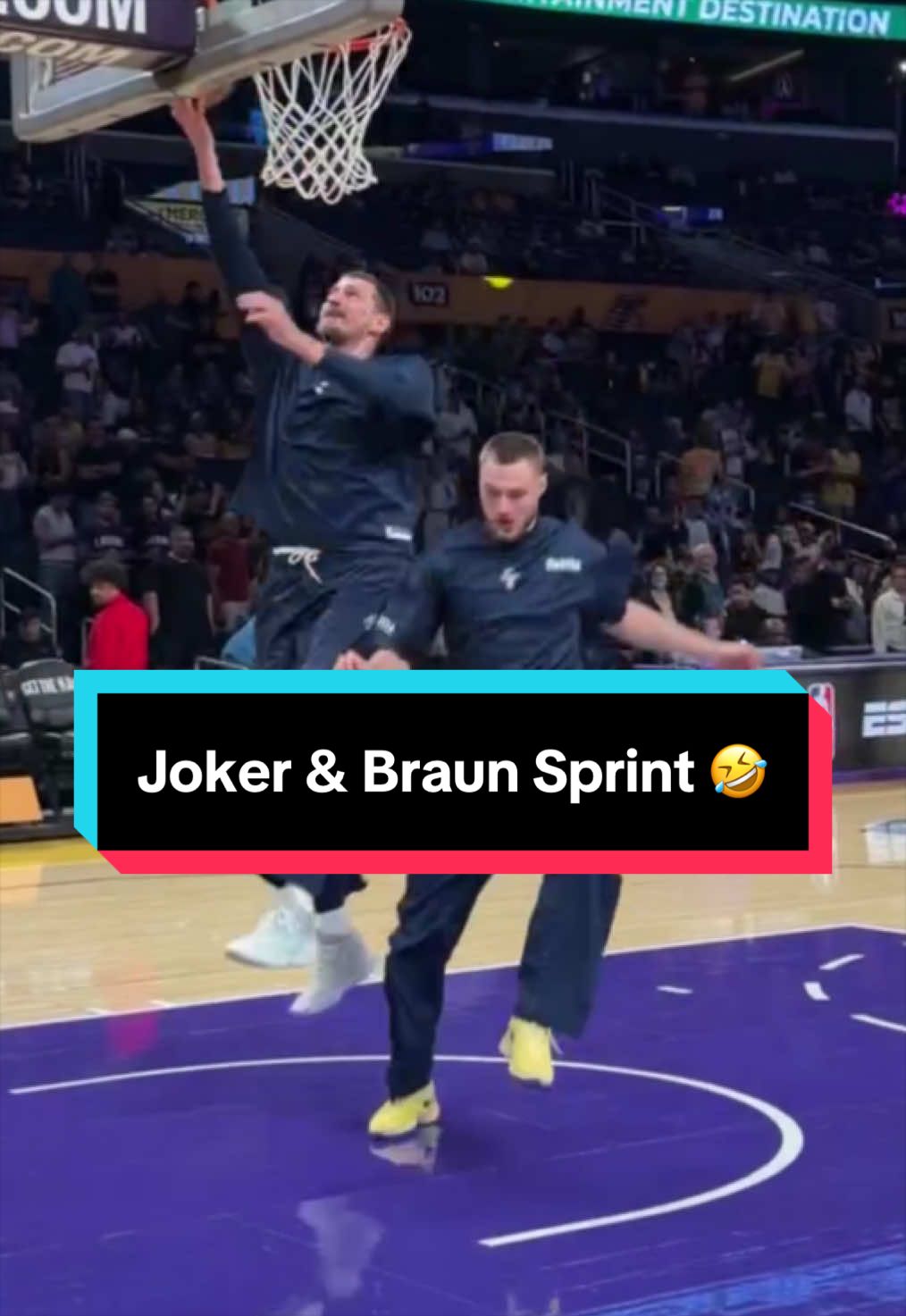
Jokić put his foot on the gas for this one 🤣
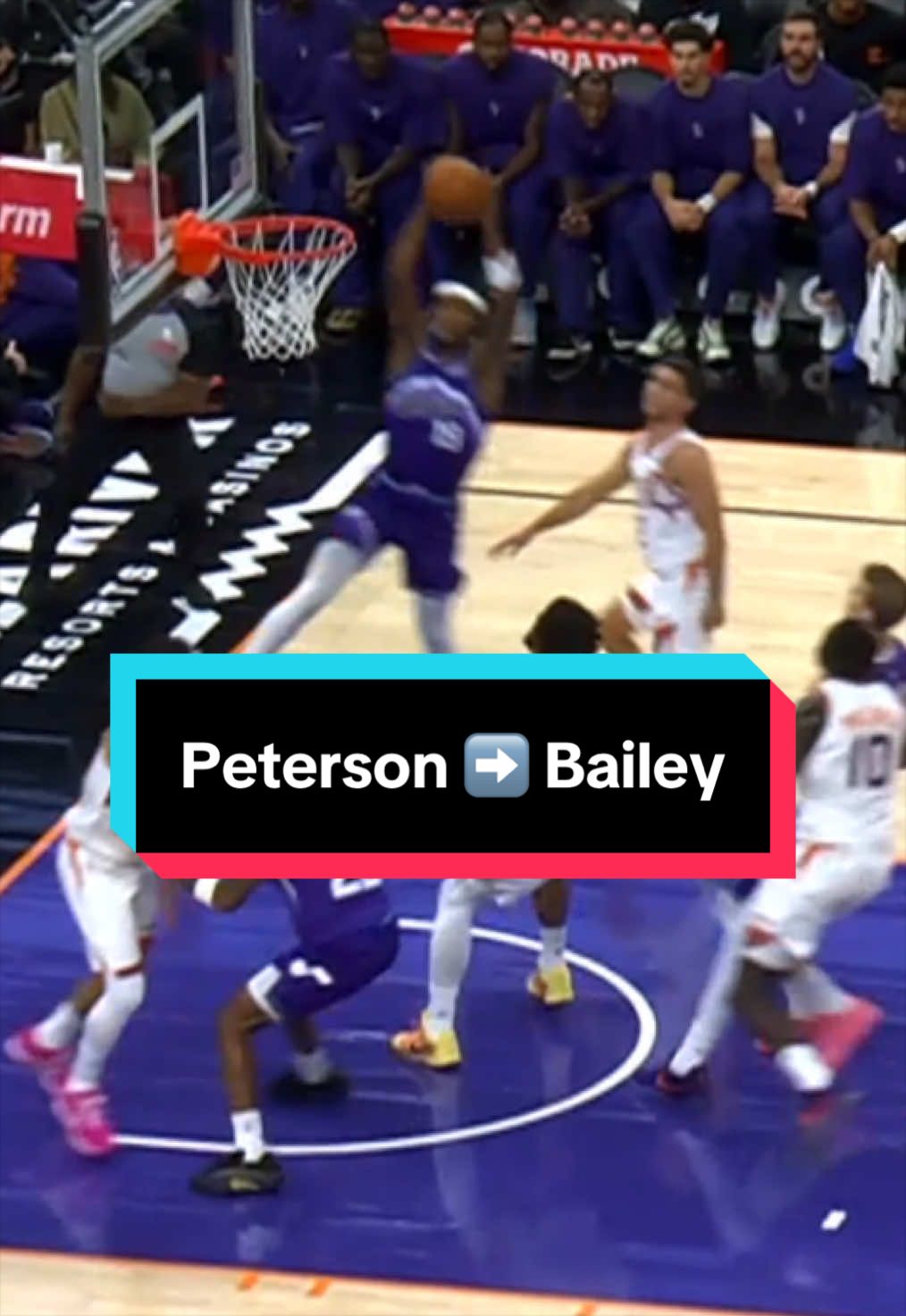
Loving the connection between these two 👏
 Links
Links
 Contact
 App
App


