



US media predicts free agency: LeBron James chooses between Lakers and Warriors; Harden's guaranteed salary under $40 million


On June 29, Beijing time, the 2026 NBA Draft has concluded, and the league's attention now turns to the final major transaction period of the offseason: the free agent market. This year's free agent class is relatively weak overall, which has instead intensified competition for the top stars. LeBron James is the biggest name available, along with James Harden, Jalen Duren, Walker Kessler, and other key players.


Where will these stars land? In a market where most teams have limited salary cap space, what kind of contracts can they secure?
Predicting the free agent market is always risky, as surprising deals emerge every year. For example, the Wizards' massive $212 million extension for Trae Young still shocks everyone.知名 US media outlet BR has made bold predictions about the potential major twists this year——
1. LeBron James: Lakers or Warriors

Let's start with an assumption: The Warriors re-sign Draymond Green at a discount, retain Kristaps Porziņģis, trade Jimmy Butler for Kawhi Leonard, and still have some or all of the mid-level exception to sign free agents.
Under this scenario, LeBron would likely view the Warriors as his best destination.
He has long wanted to play alongside Stephen Curry; San Francisco is a short private jet flight from Southern California; plus, the Lakers delayed offering him an extension last offseason, which may have created disappointment. Multiple factors could combine to make this signing happen.
Additionally, LeBron's media company is interested in documenting a "Last Dance" -style farewell narrative, chronicling this aging Warriors squad's final championship push. Revenue from broadcasting and documentary rights alone could offset the difference between a mid-level contract and a max salary.
Of course, the safest prediction remains LeBron returning to the Lakers: he enjoys living near home, the Lakers can offer him a solid contract, and theoretically, they are still contenders. But simply staying with the Lakers lacks enough intrigue and drama.
2. Jalen Duren's total contract will not exceed $180 million

By making an All-NBA team, Duren unlocked max contract eligibility, allowing him to sign a five-year deal starting at 30% of the salary cap, worth up to $287.1 million. But he won't get that figure.
Even without the All-NBA boost, the Pistons could have offered him a five-year, $239 million deal, but the actual offer will be far lower.
Other teams can offer Duren at most a four-year, $177.4 million contract. The Lakers might be interested at that price, but if they first re-sign LeBron and then use Bird rights to keep Austin Reaves, they won't have enough cap space. Likely, no team other than the Pistons will make a serious offer.
The Pistons need to manage their total payroll while keeping their 22-year-old big man happy. Although Duren underperformed in some crucial games, he was instrumental in the team's 60-win regular season, and his game will only improve as he enters his prime.
Prediction: The Pistons offer a four-year, $165 million contract. If Duren prefers a shorter, higher-annual-value three-year deal, the Pistons would likely accept that too.
3. Lakers will sign Robert Williams

Duren and Kessler are both restricted free agents, meaning their current teams have the right to match any offer, making it nearly impossible for them to leave. The Lakers, needing a new starting center, will have to lower their expectations.
Robert Williams is an unrestricted free agent, so the Lakers can sign him directly using cap space without any obstacles. Choosing him among the available big men is already a bold move. While predicting player destinations is risky, this article is confident the Lakers will lock down Rob Williams.
Williams has been plagued by injury concerns throughout his career, but the Lakers value his playoff impact: elite rim protection, lob-catching ability, and clever, efficient passing from the center position.
Last season, Williams played 59 games for the Trail Blazers, his healthiest season since 2021-22. That year, he finished seventh in Defensive Player of the Year voting, shot 73.6% from the field, and helped lead the Celtics to the NBA Finals as their starting center.
If they can land him with the mid-level exception, the Lakers won't hesitate to take that risk.
4. Draymond Green's average annual salary drops below $20 million

Green will decline his $27.7 million player option and re-sign with the Warriors on a two-year, $36 million deal, marking his first average annual salary below $20 million since the 2019-20 season.
Green is turning 36, has seen a decline in overall performance, and his offensive impact continues to shrink. He could opt to exercise his player option and test free agency in 2027. But with the Warriors extending head coach Steve Kerr for two years, Green is likely to stay, securing a two-year guaranteed contract slightly above the mid-level exception.
If the Warriors want to show goodwill, they could make the second year a player option.
Most importantly, an $18 million annual salary would put Green slightly above Coach Kerr, who will earn $17.5 million per year under his new deal.
The two have weathered countless storms together and share a deep bond, but having Green earn slightly more than the head coach is a small detail the team needs to consider.
5. James Harden's guaranteed salary does not exceed $40 million

When negotiating a new contract with the Cavaliers, Harden's only leverage was threatening to decline his $42.3 million player option and leave as a free agent, but that threat holds little weight.
At 36, Harden has far fewer suitors than players like Reaves or LeBron. The Cavaliers know this and can use his age and playoff struggles as bargaining chips, offering a contract with total guaranteed money no more than $40 million.
Harden cannot simply exercise his current option to take $42.3 million: only $13.3 million of his 2026-27 salary is guaranteed. If he wants to earn more than next season's $15.1 million mid-level exception from another team, he must accept a short-term, low-guarantee structure similar to the deal he signed with the Clippers in 2025.
The Cavaliers will keep his 2026-27 guaranteed salary below $28 million to avoid triggering the second apron; assuming a total of $32 million for 2027-28, only $12 million would be guaranteed. Harden's camp could publicly claim a two-year, $60 million deal; if the Cavs want to be generous, they could add a third year at $30 million, but all of it would be team options or non-guaranteed.
Harden's agent will then leak that he signed a three-year, $90 million contract, but the actual guaranteed money he receives will be just $40 million.
6. Heat sign Tim Hardaway Jr.

To acquire Giannis Antetokounmpo in a trade, the Heat essentially emptied their roster. To rebuild a decent rotation, they must rely on market bargains.
The Heat are already hard-capped above the first apron. If they fill the roster entirely with minimum contracts, they'll have only about $12 million left to re-sign guard Norman Powell, which is unlikely to match outside offers. Even if Andrew Wiggins declines his player option and agrees to a long-term discounted deal, the situation won't improve much.
Even so, the Heat need to add veterans with three-point shooting and backcourt playmaking, players willing to sacrifice some salary for a larger role in the core lineup.
Tim Hardaway Jr., 34, played 80 games for the Nuggets last season, shooting 40.7% from three. His normal market value is far above the minimum. This journeyman might accept a pay cut to join the Heat, leveraging Giannis's system for more playing time.
7. Walker Kessler inks $140 million contract

Trae Young and Ayo Dosunmu have already signed nine-figure deals. Austin Reaves and Jalen Duren will soon join that club, and Walker Kessler will become the fifth member, re-signing with the Jazz.
This prediction rests on two assumptions: The Jazz view Kessler as their starting center in a frontcourt duo (alongside Jaren Jackson Jr. and Lauri Markkanen); and although Kessler has been internally frustrated, he still wants to stay in Salt Lake City.
Kessler played only five games last season before being shut down due to a shoulder injury. Before the injury, Utah did not extend him early, aiming to preserve cap flexibility rather than signaling a lack of faith. In 2024-25, Kessler led the league in offensive rebounds per game and shot 66.3% from the floor.
As a restricted free agent, the Jazz can drive a hard bargain, forcing Kessler to prove another team will offer a price high enough for Utah to decline matching—which is unlikely. But to show good faith, the Jazz will either offer a five-year, $140 million deal or a shorter, higher-annual-value contract to appease him.
There is no real conflict between the two sides: Kessler simply wants the best possible contract, and the Jazz have no reason to overpay to keep him.


Wonderfulshortvideo

These two are always up to something 😭


Quick rewind, full recap. Here’s everything from tonight’s @Utah Jazz vs. @Phoenix Suns ⏪ 🏀
Quick rewind, full recap. Here’s everything from tonight’s @Denver Nuggets vs. @Lakers matchup ⏪ 🏀
Brandin Podziemski hits his best Steph Curry 4-pt play celly ‼️
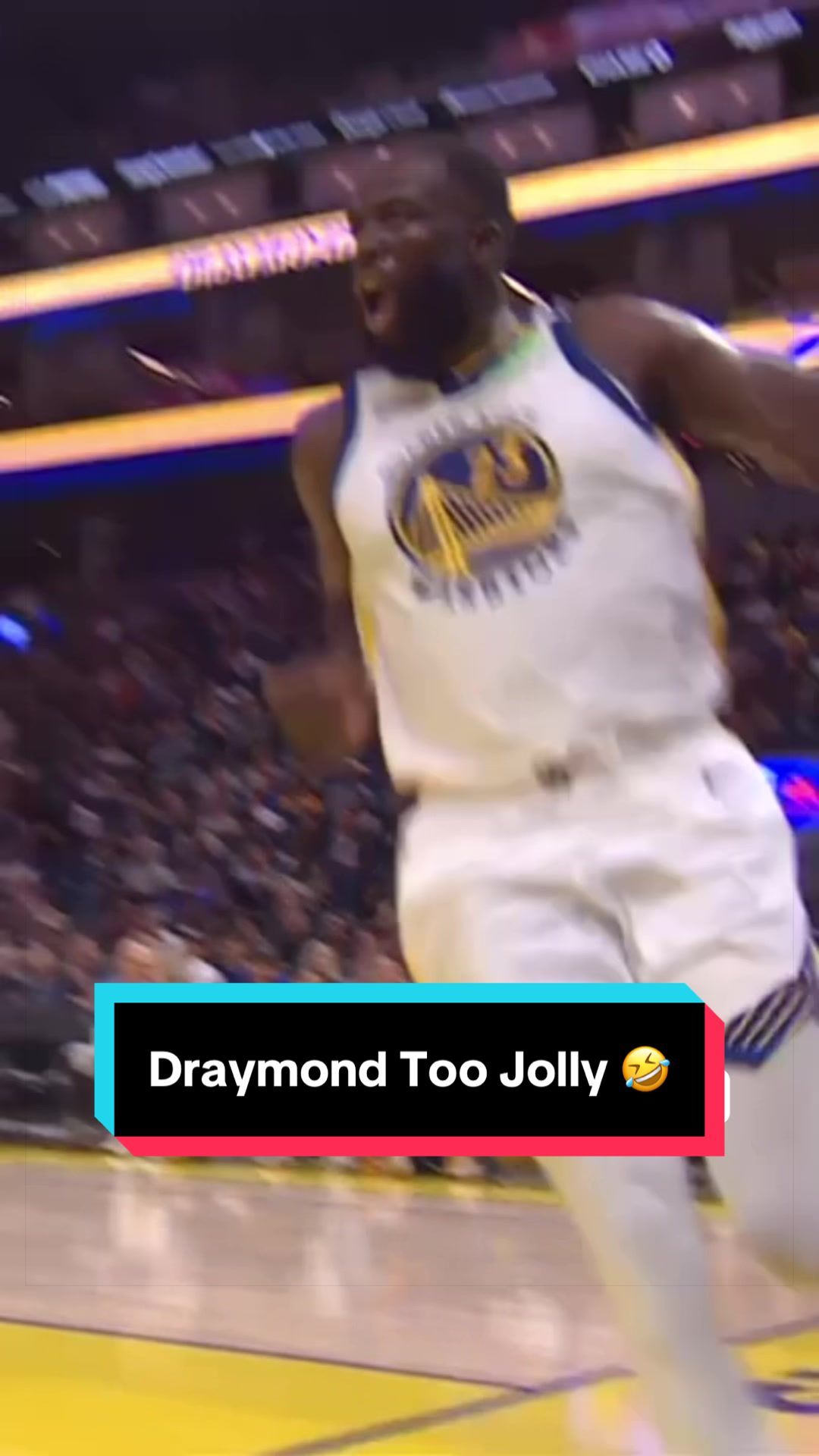
Draymond had to take a lap with all the energy he got 🤣🤣
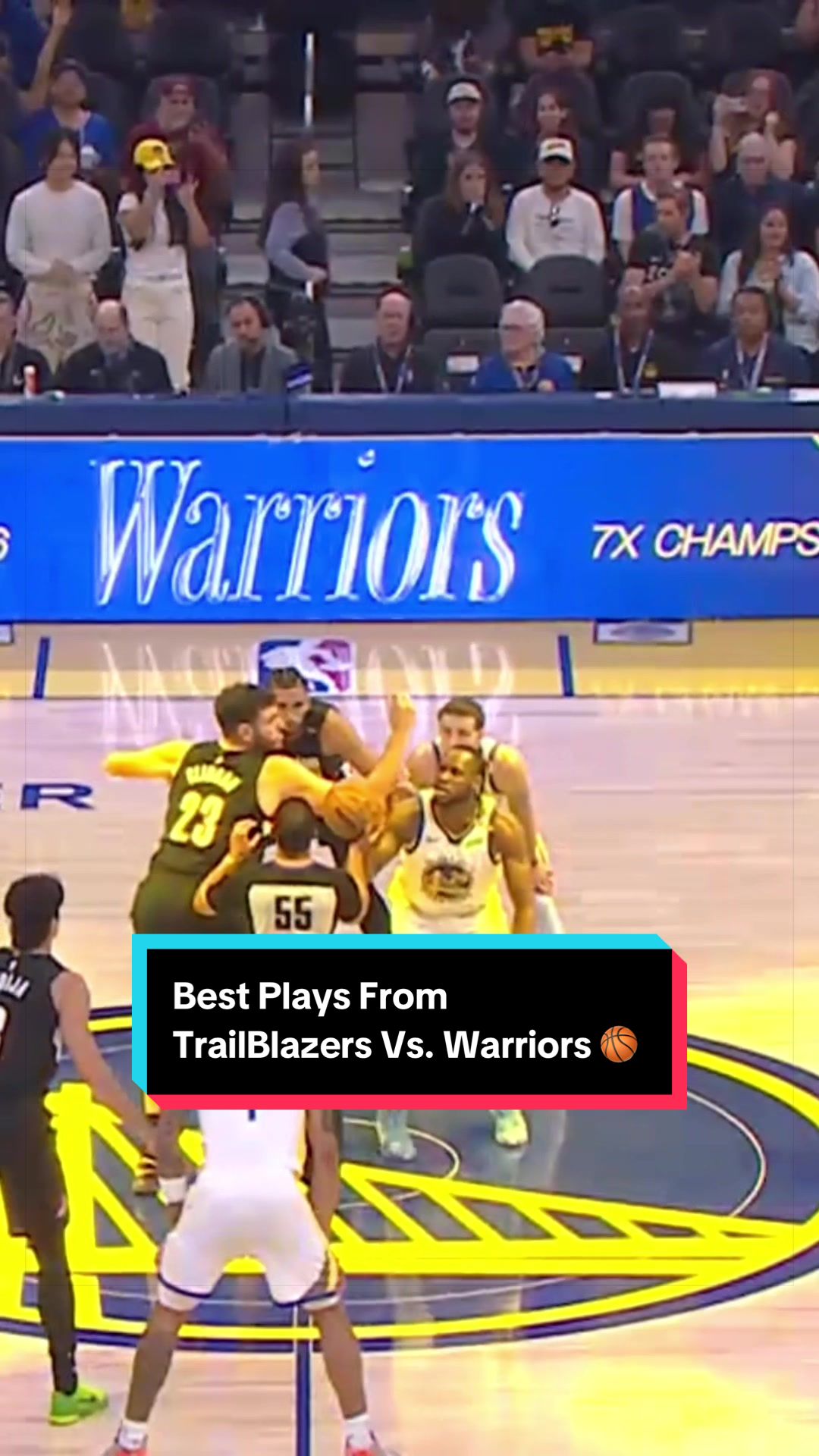
Quick rewind, full recap. Here’s everything from tonight’s @Trail Blazers vs. @warriors matchup ⏪ 🏀
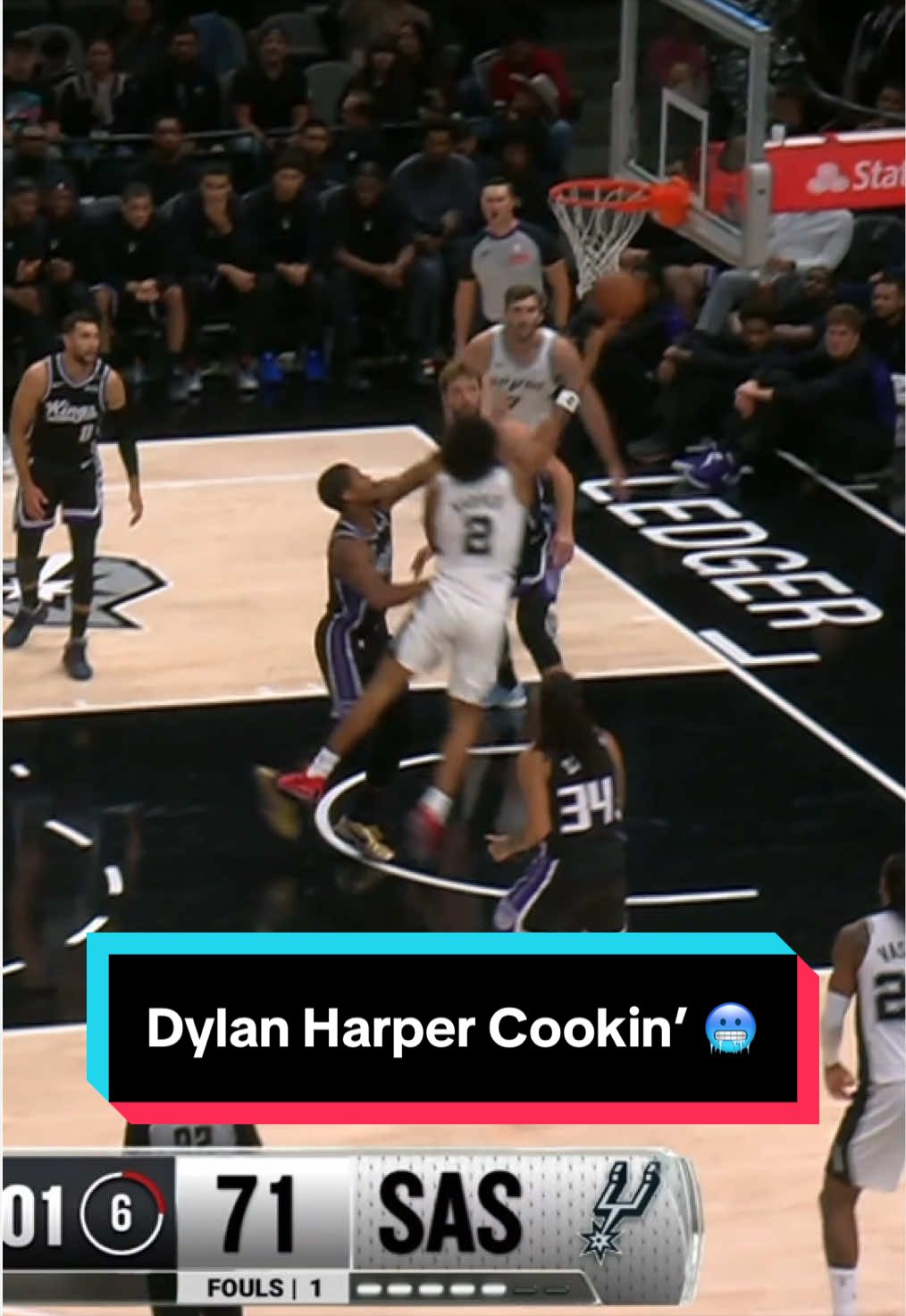
Dylan Harper was automatic to open the third quarter with 14 straight points 🔥
 Links
Links
 Contact
 App
App


