



Trending first! South Korea eliminated, agonizing 71-hour wait



After a grueling 71-hour wait, South Korea was eliminated from the World Cup, failing to reach the round of 32, and this became the top trending topic in our country.
Korean fans endured despair and agony, repeatedly lamenting the cruel, ever-changing standings, only to face a bizarre and bitter exit.
With the World Cup expanded to 48 teams, the top two from each of the 12 groups advance directly, while the eight best third-place teams fill the remaining knockout spots—arguably the most lenient qualification rules in World Cup history.
For the Taeguk Warriors, advancing was supposed to be a foregone conclusion, something they could secure without relying on any other team's results.
As a top-tier Asian football powerhouse, boasting core players like Son Heung-min, Lee Kang-in, and Hwang Hee-chan—all key figures in European leagues—they are widely regarded as the golden generation of Korean football over the past decade.
These players regularly compete in the Premier League, Serie A, and Bundesliga, with individual skills, big-game experience, and physicality firmly ranking among the elite in Asia.
So what happened? A steady start: they won a crucial opening match against Czech Republic, accumulating three points after two rounds and putting themselves in a very favorable position to advance.
In the final group match against South Africa—a team far below them in world rankings and overall strength—they had the most lenient scenario: a draw would have been enough to secure a knockout spot and keep their fate entirely in their own hands.
But arrogance and complacency ultimately squandered every advantage.
South Korean head coach Hong Myung-bo made a highly controversial decision in the decisive match, benching the team's absolute star Son Heung-min, showing excessive overconfidence and reckless rotation, underestimating the defensive resilience and counter-attacking speed of the African side.
Throughout the match, South Korea dominated with 68% possession and overwhelming stats in passes, shots, and corner kicks, appearing to control the tempo, but in reality, they played loosely, lazily, and without any coherent strategy.
Football never forgives complacency and negligence.
In the 63rd minute, South Africa seized a rare quick counter-attack opportunity, executing a simple yet efficient combination to break the deadlock and take the lead.
...
That's football.
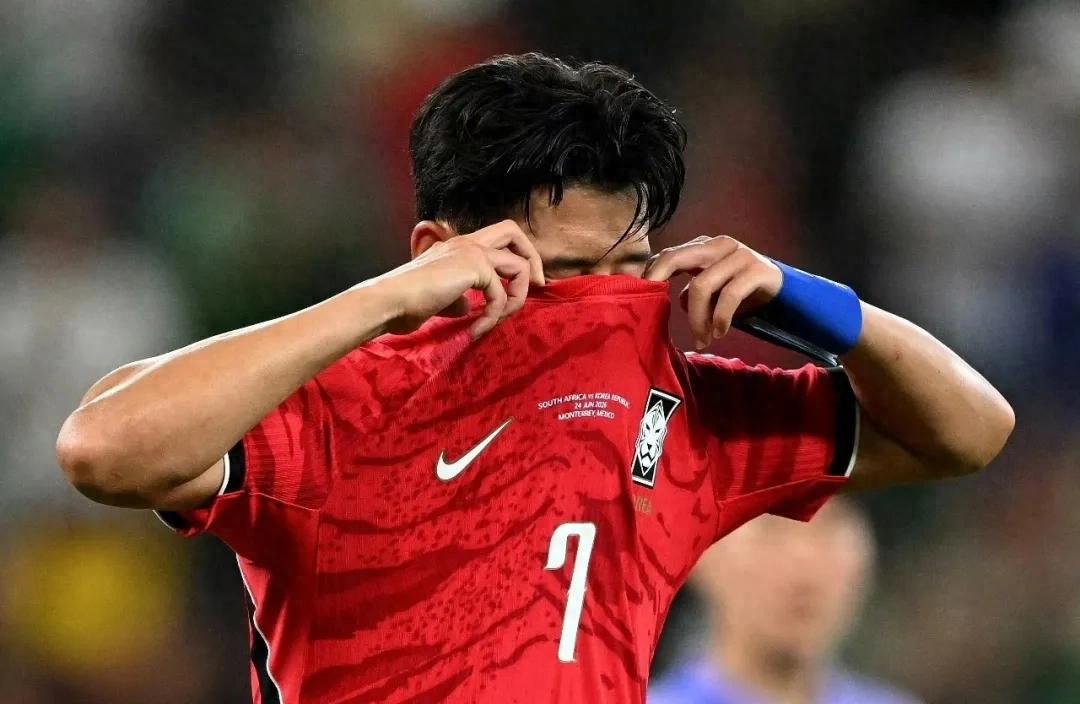
This loss was the root of all the tragedy.
After the defeat, South Korea dropped to third in the group with one win and two losses, three points, a negative goal difference, and a low goal tally—completely losing control of their own destiny.
From that moment on, they were forced onto the most passive path: abandoning self-recovery and pinning all their hopes on others.
The following 71 hours became the most ironic and agonizing wait in Korean football history.
The entire team and countless Korean fans stopped focusing on their own shortcomings and instead stared intently at matches in other groups.
They prayed for upsets against stronger opponents, for favored teams to stumble, for favorable changes in the standings.
They hoped that results from unfamiliar teams would save them, that others' mistakes would compensate for their own, that luck could replace strength and pay for their carelessness and defeat.
But when Congo defeated Uzbekistan, all of South Korea's illusions completely shattered.
In the face of the cruel standings, every bit of wishful thinking, expectation, and self-comfort evaporated into thin air.
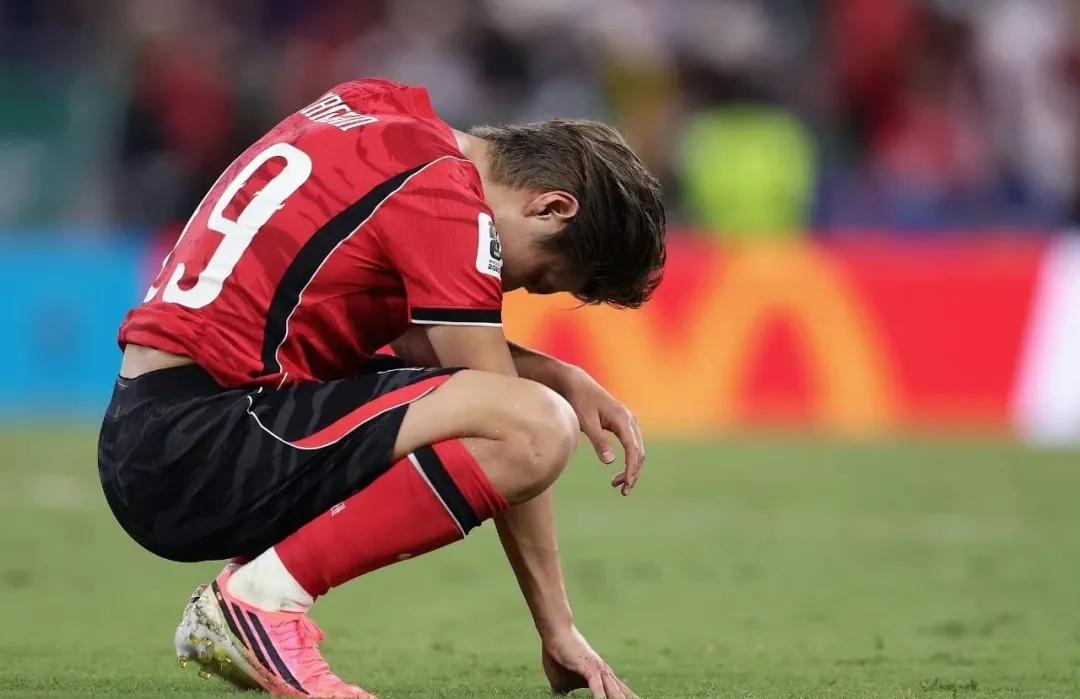
This is the iron law of competitive sports: the ultimate price of placing your hopes in others.
"Calculating points" is something Chinese fans know all too well.
He who relies on others is weak; he who relies on himself is strong.


Wonderfulshortvideo

These two are always up to something 😭



Quick rewind, full recap. Here’s everything from tonight’s @Utah Jazz vs. @Phoenix Suns ⏪ 🏀
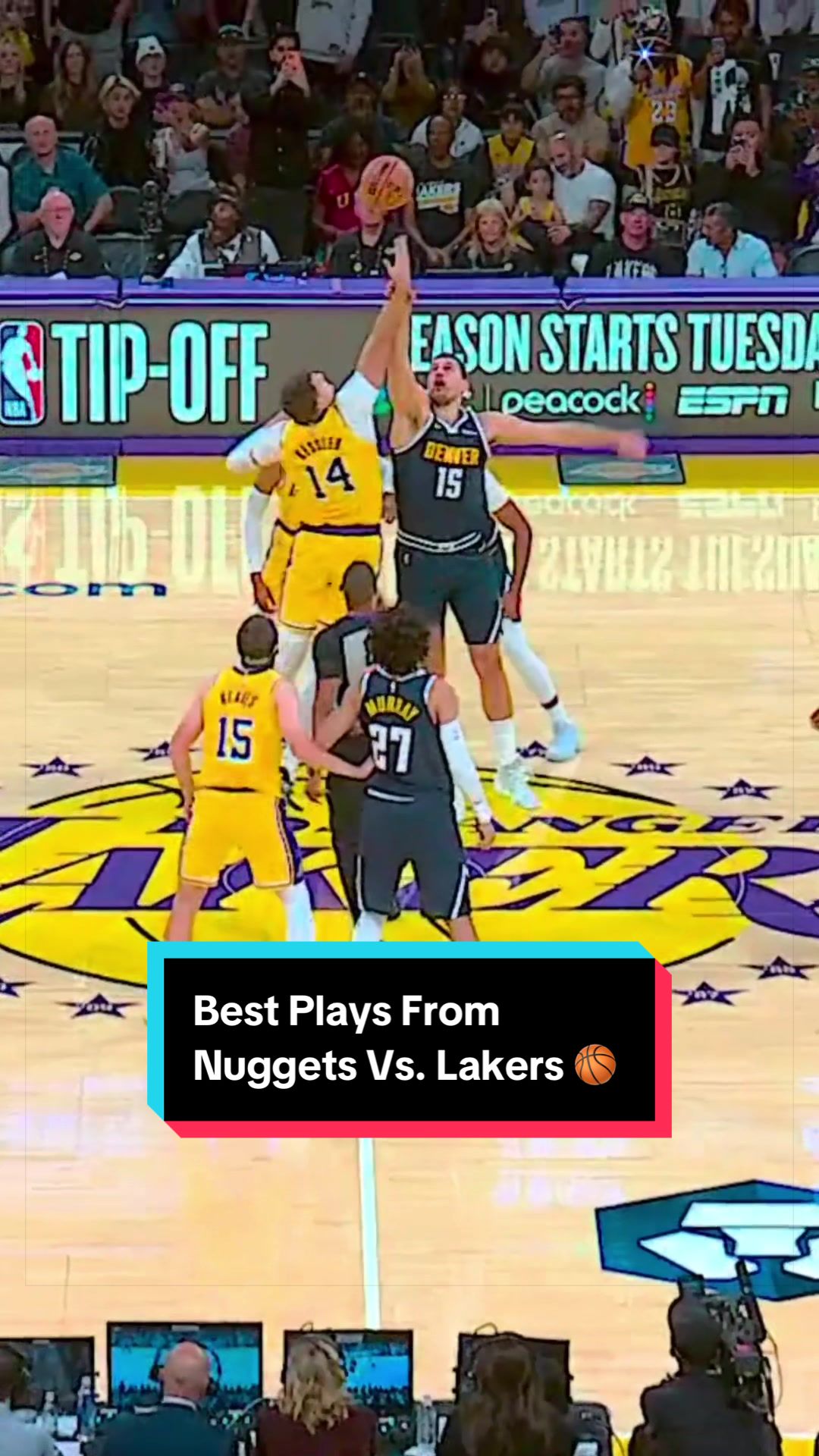
Quick rewind, full recap. Here’s everything from tonight’s @Denver Nuggets vs. @Lakers matchup ⏪ 🏀

Brandin Podziemski hits his best Steph Curry 4-pt play celly ‼️
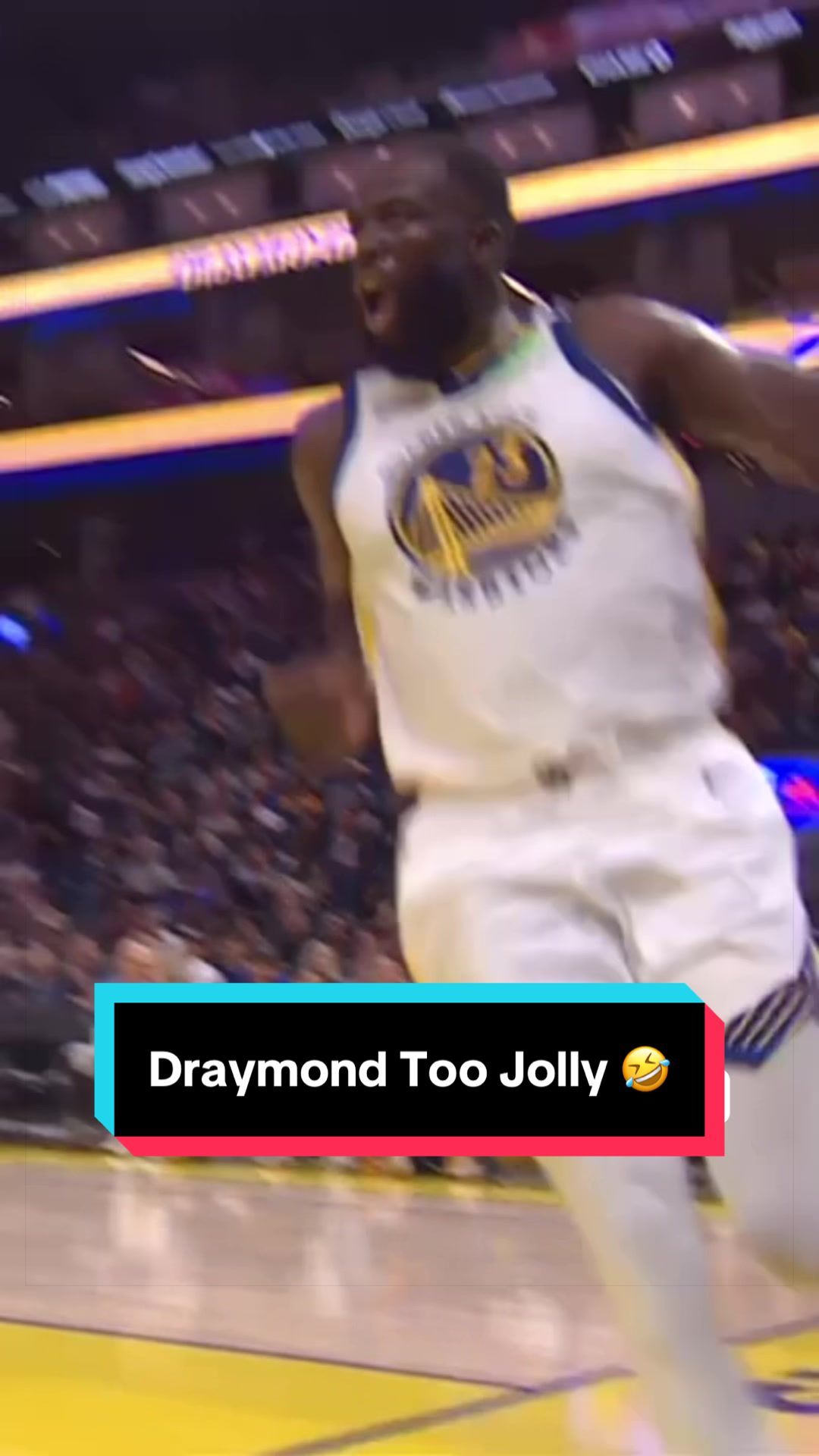
Draymond had to take a lap with all the energy he got 🤣🤣
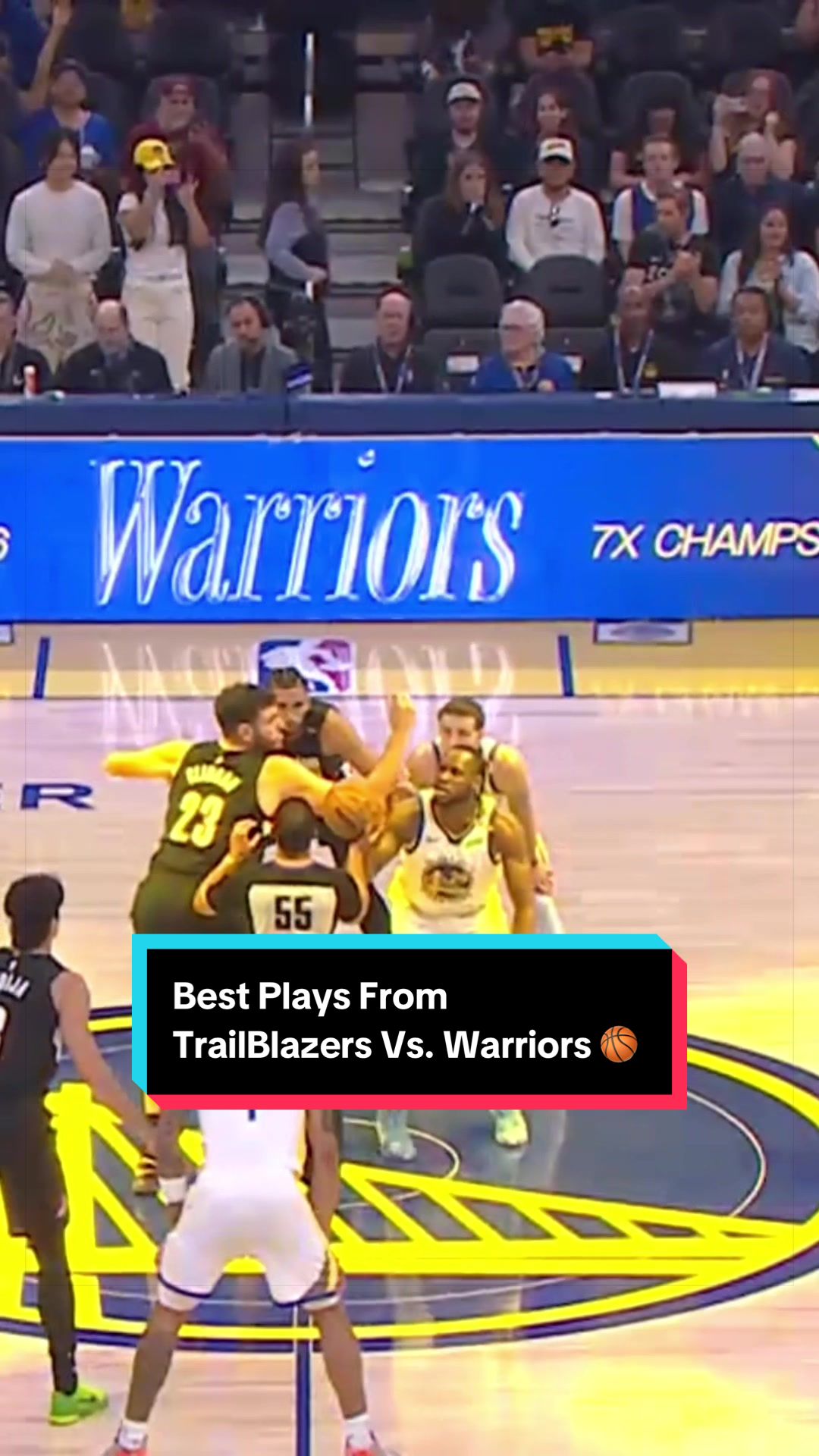
Quick rewind, full recap. Here’s everything from tonight’s @Trail Blazers vs. @warriors matchup ⏪ 🏀
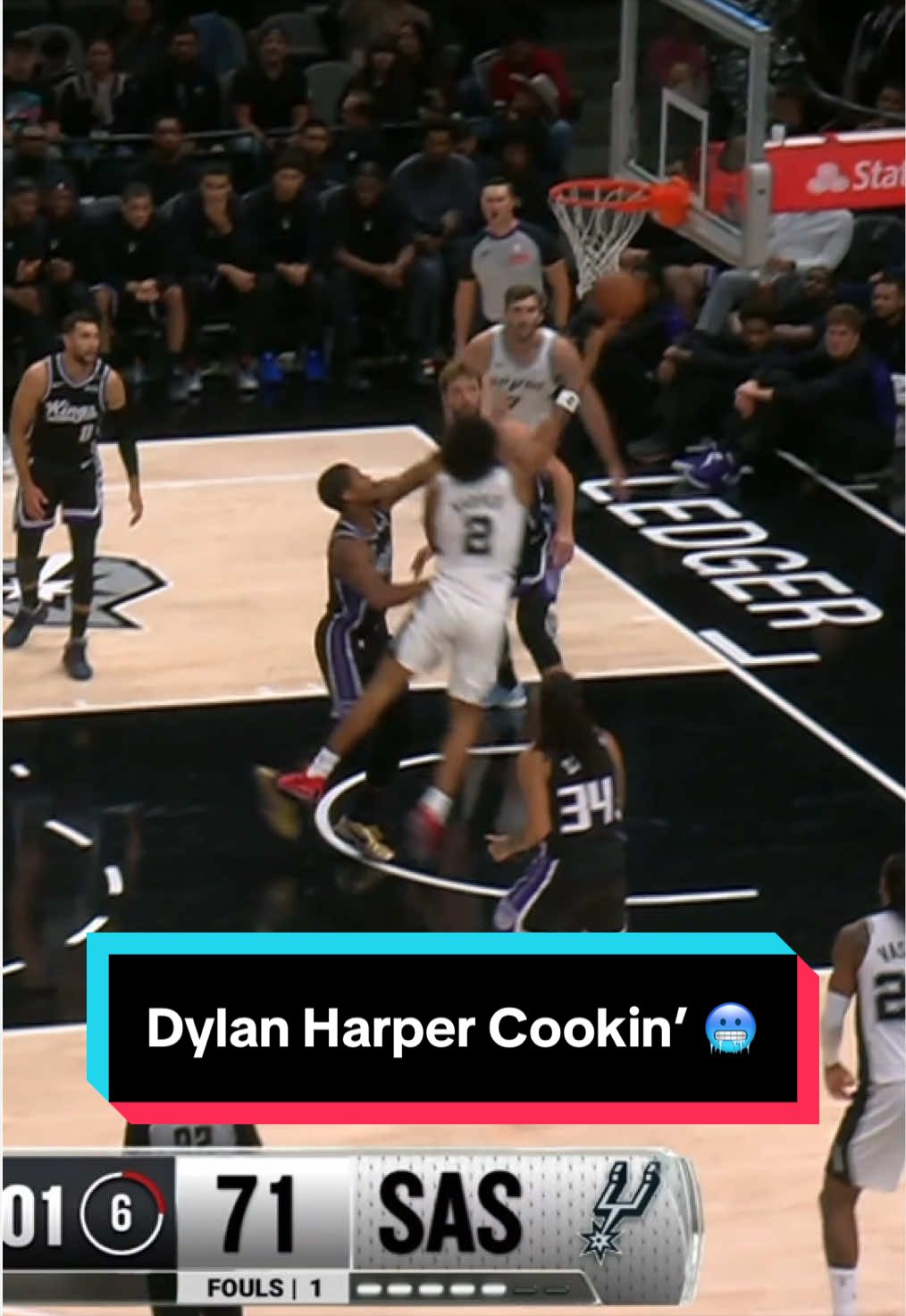
Dylan Harper was automatic to open the third quarter with 14 straight points 🔥
 Links
Links
 Contact
 App
App


