



The father of the player the Lakers snatched up once served as Kobe Bryant’s backdrop in a dunk contest.



Pelinka's draft-day maneuvering in the 2026 first round was quite comical. He swapped the 25th pick with cash considerations for the 24th pick, worried that New York would grab the player they wanted. However, the Knicks weren't planning to use their first-rounder at all and ended up trading away the 25th selection.
In the second round, the Lakers initially had no pick. They bought the 56th pick from the Bulls with cash. After their desired player was taken, they used that pick to select a guard and immediately traded him to the Mavericks for cash. After all that maneuvering, Pelinka ended up with nothing—reportedly even losing money in the process.
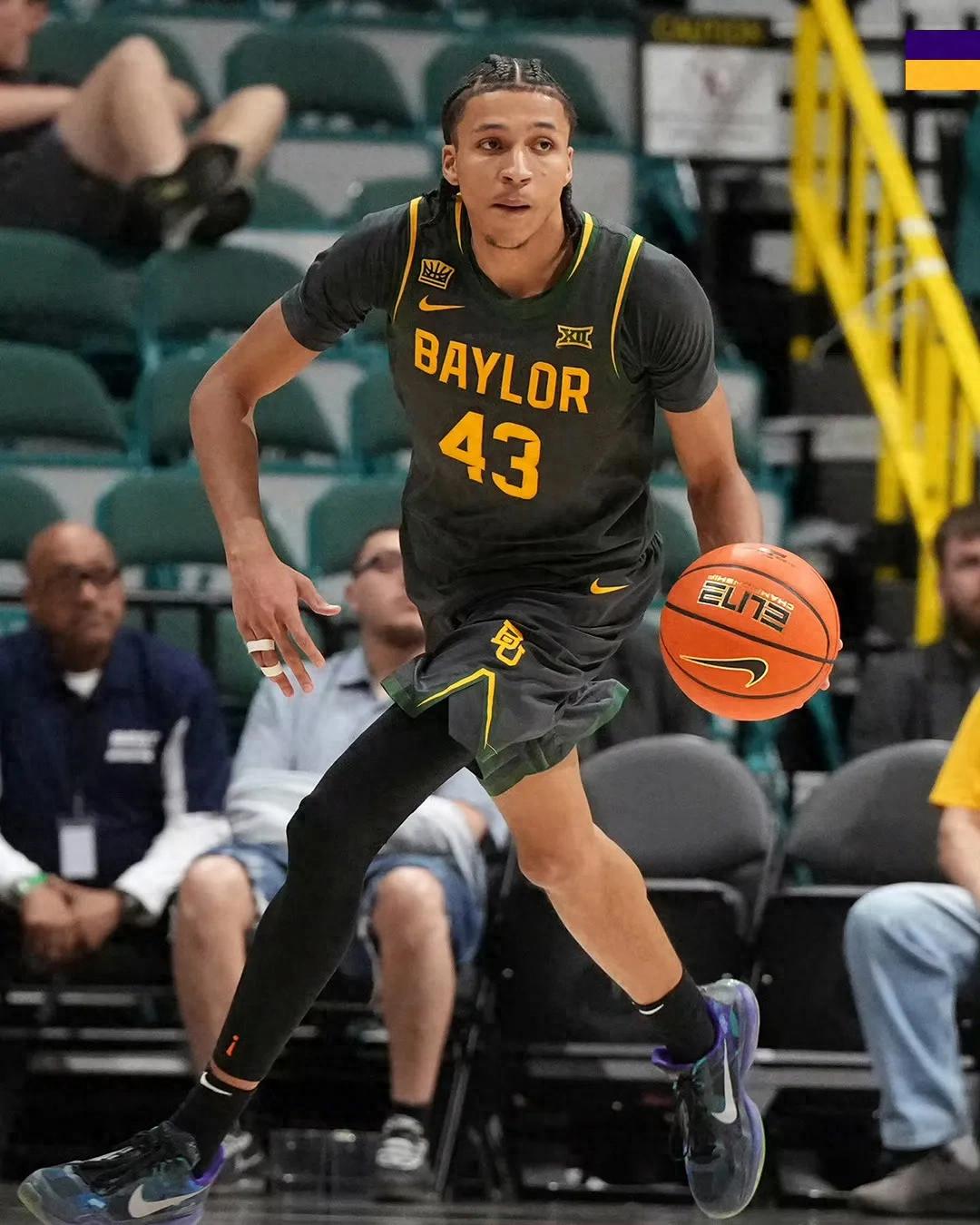
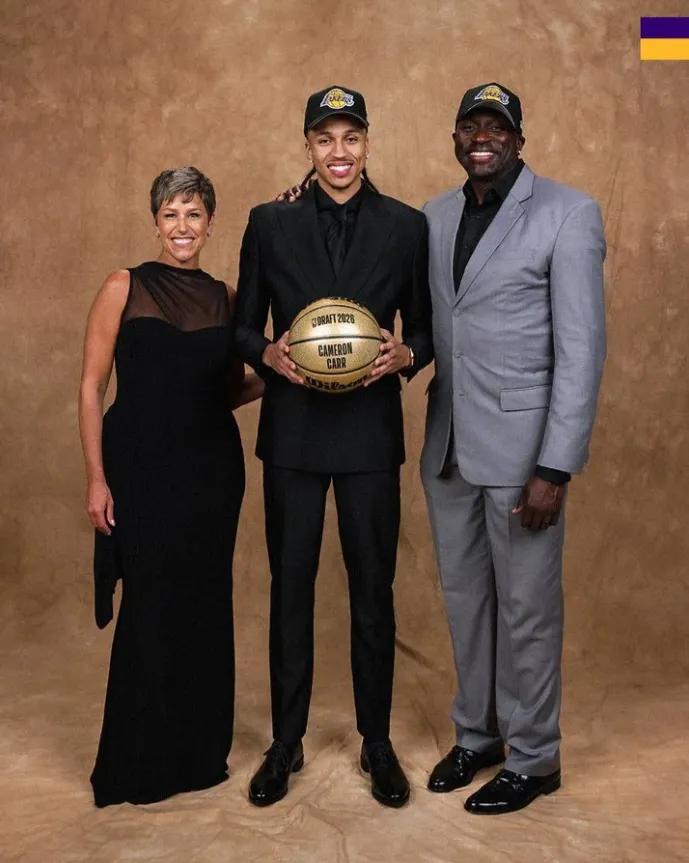
Despite the bizarre moves, the Lakers did manage a solid pick at No. 24: 3-and-D wing Cameron Carr, who had been projected in the 15-to-20 range in mock drafts. His slide to the 24th spot was a modest steal for Los Angeles. The Lakers apparently didn't expect Carr to fall that far, which explains their frantic worry about the Knicks snatching him.
Interestingly, Cameron Carr's father, Chris Carr, was also an NBA player who lasted six seasons. His most memorable moment came in the 1997 Slam Dunk Contest—the same year rookie Kobe Bryant won. Chris Carr defeated several strong competitors and stood alongside Kobe in the finals, ultimately losing to him in a close contest.
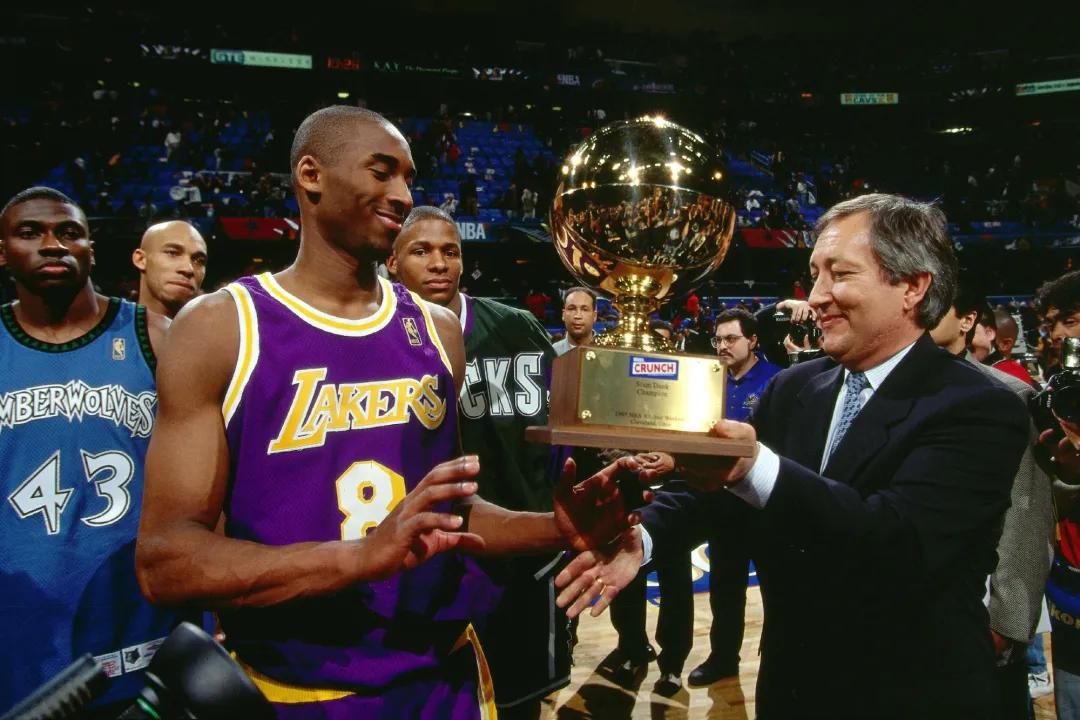
Back then, Chris Carr had no idea that the dazzling young man beside him would become a Lakers legend, nor that 29 years later, his own son would be drafted by the same franchise and become part of the purple and gold.
Cameron Carr's journey from high school to college to the NBA has been quite winding. Out of high school, he was a four-star recruit who committed to Tennessee, where the team's star was Dalton Knecht—the same player the Lakers picked in the first round of 2024. As a freshman, Carr saw limited playing time. After Knecht left for the NBA, Carr suffered an injury during his sophomore year that sidelined him for most of the season.
So Carr transferred to Baylor University, a decision that transformed his career. In his junior year, he became the focal point of the Bears' offense. Although Baylor's record dropped significantly, Carr put up impressive numbers: 18.9 points, 5.1 rebounds, 2.6 assists, and 1.3 blocks per game, shooting 49.4% from the field and 37.4% from three. His 18.9 points per game set a Baylor single-season record, and his draft stock soared into the first round.
The pre-draft combine further boosted Carr's stock. His standing vertical leap of 96.5 cm and max vertical of 108 cm were both records at this year's combine, confirming his elite athleticism. In the subsequent scrimmage, Carr dropped 30 points, 7 rebounds, and hit 6 of 12 three-pointers, earning MVP honors for the day and showcasing his shooting ability.
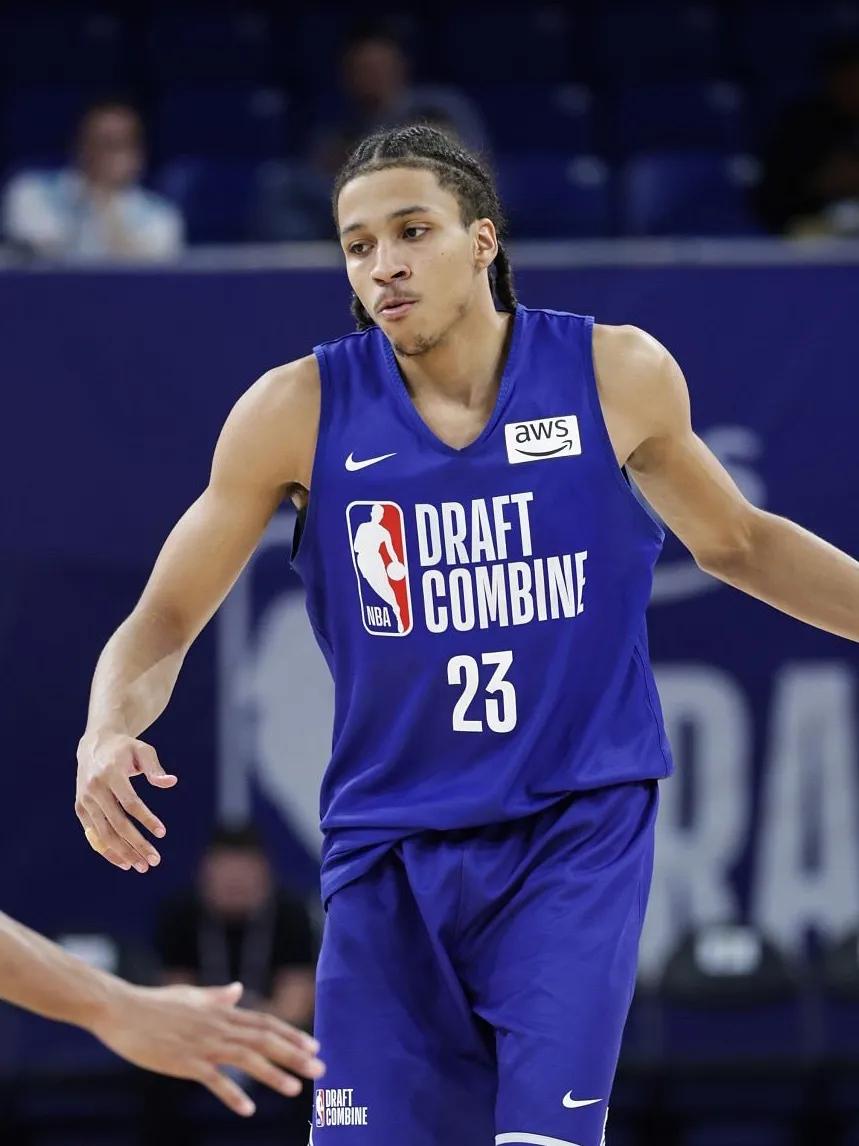
It's safe to say that Carr's trajectory has been on a steady rise since the summer of 2025, when he averaged 18.2 points for the USA in the World University Games. He peaked just before the draft, which is why the Lakers getting him at No. 24 is considered a true steal.
Of course, there are reasons Carr fell to the late first round. Standing at 6'5" (1.96 m) with a 7'1" (2.15 m) wingspan, his nearly 8-inch (20 cm) reach advantage is the best among guards in this class. However, he weighs only 184 pounds (83.5 kg), raising concerns about his ability to handle physical play.
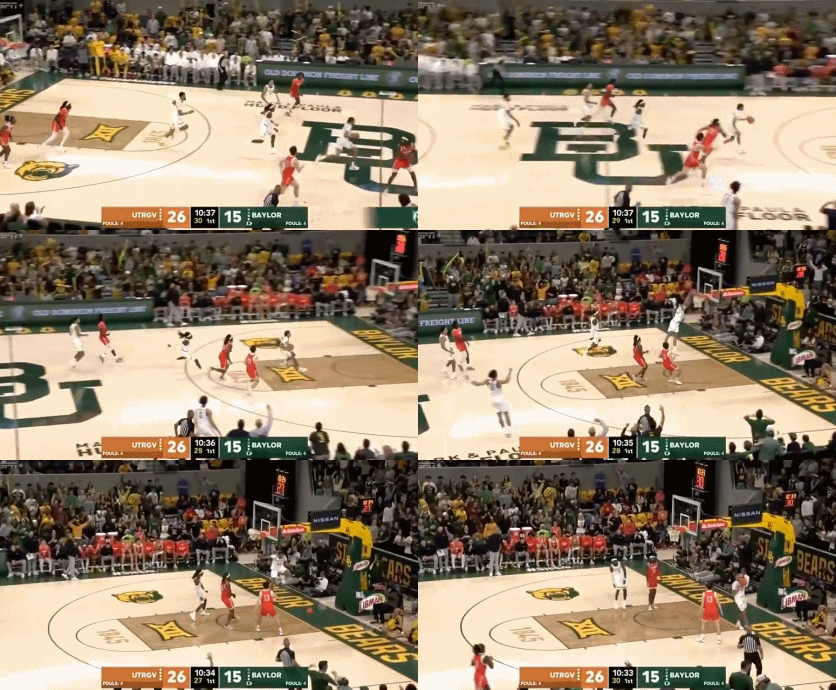
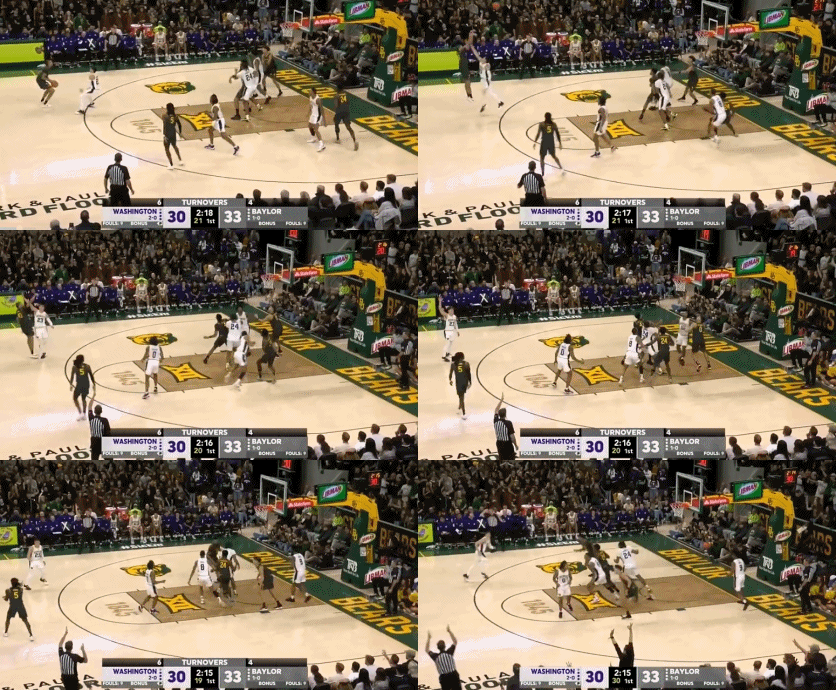
Being a quality 3-and-D player requires good length, but physical strength is often more crucial than wingspan. Defense is built on body contact; if you can't hold your ground against an offensive player, you can't effectively contest. Bulking up is a lengthy process, meaning Carr's development timeline won't be short. At nearly 22 years old, his age is also not in his favor.
Nevertheless, Carr remains a promising 3-and-D prospect. His upside lies not only in his explosive athleticism but also in his solid shooting. He has a beautiful shooting form with a high release point, capable of launching from anywhere on the court. He already possesses NBA range, and his 37.4% three-point percentage in college is respectable.
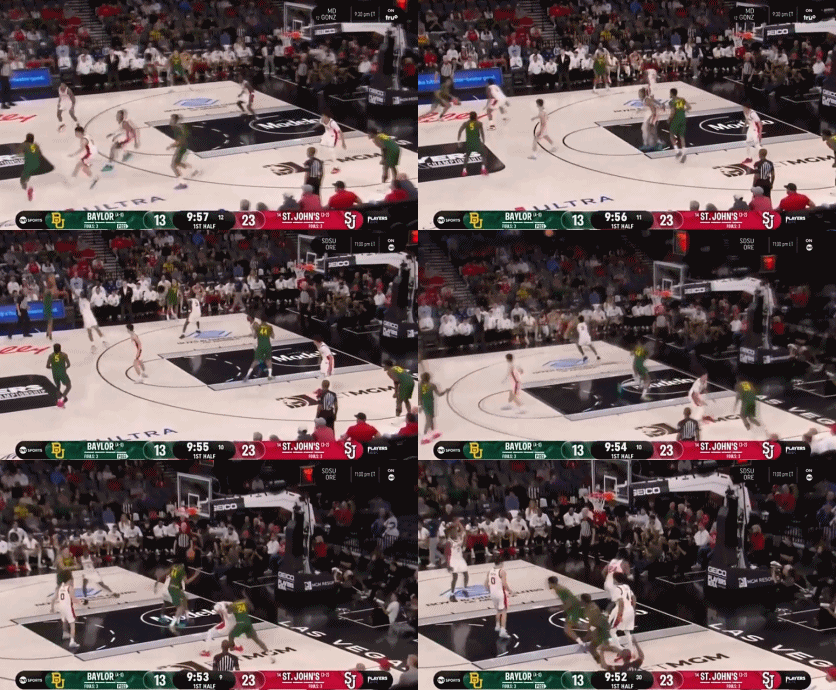
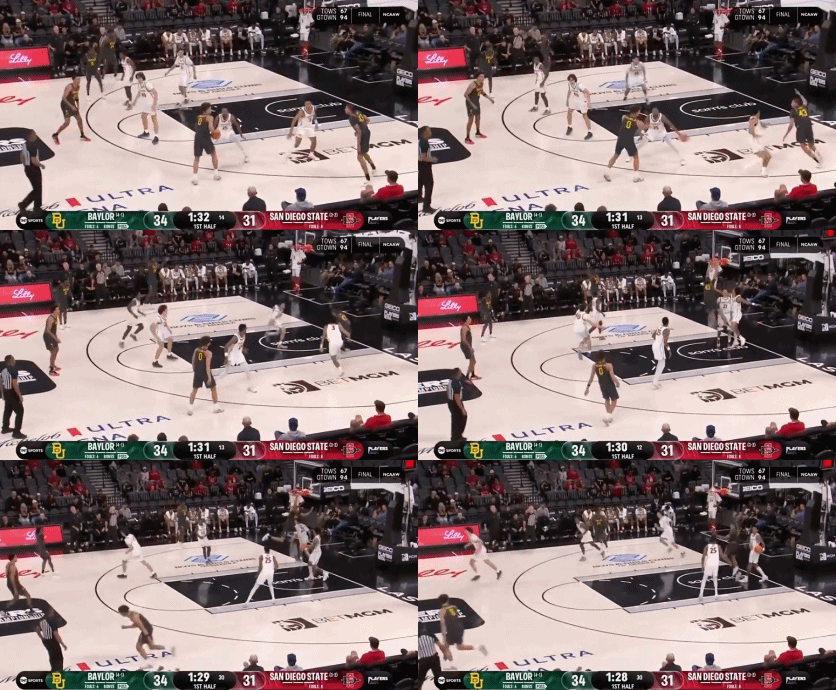
During his one year as a college star, Carr demonstrated that he is not suited to be a primary offensive option. His better role is that of a finisher. The good news is that in Los Angeles, he will only be asked to be a finisher.
His player comparisons are Devin Vassell and Trey Murphy III. Playing alongside Luka Dončić, he also has a ready-made model in Derrick Jones Jr. during his Mavericks days. Carr needs to leap high for lobs from Luka and knock down corner threes. If he can do those two things, he'll earn a spot in the Lakers' rotation.
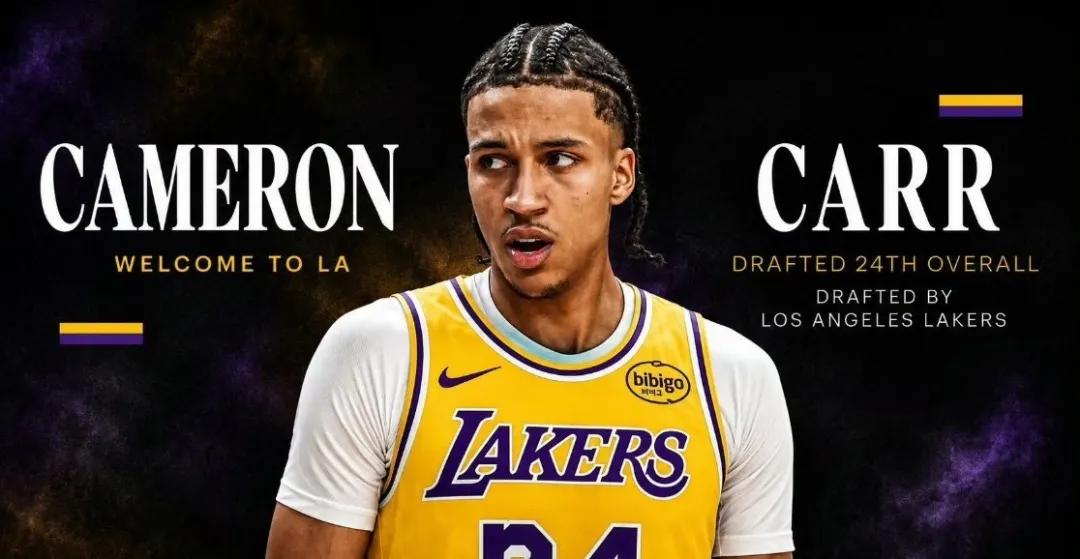
It's foreseeable that next season, Carr will join Tiero in providing some much-needed athleticism for the Lakers. He won't become the team's savior overnight, but playing next to Luka Dončić should make the start of his career a bit easier.


Wonderfulshortvideo

These two are always up to something 😭


Quick rewind, full recap. Here’s everything from tonight’s @Utah Jazz vs. @Phoenix Suns ⏪ 🏀
Quick rewind, full recap. Here’s everything from tonight’s @Denver Nuggets vs. @Lakers matchup ⏪ 🏀
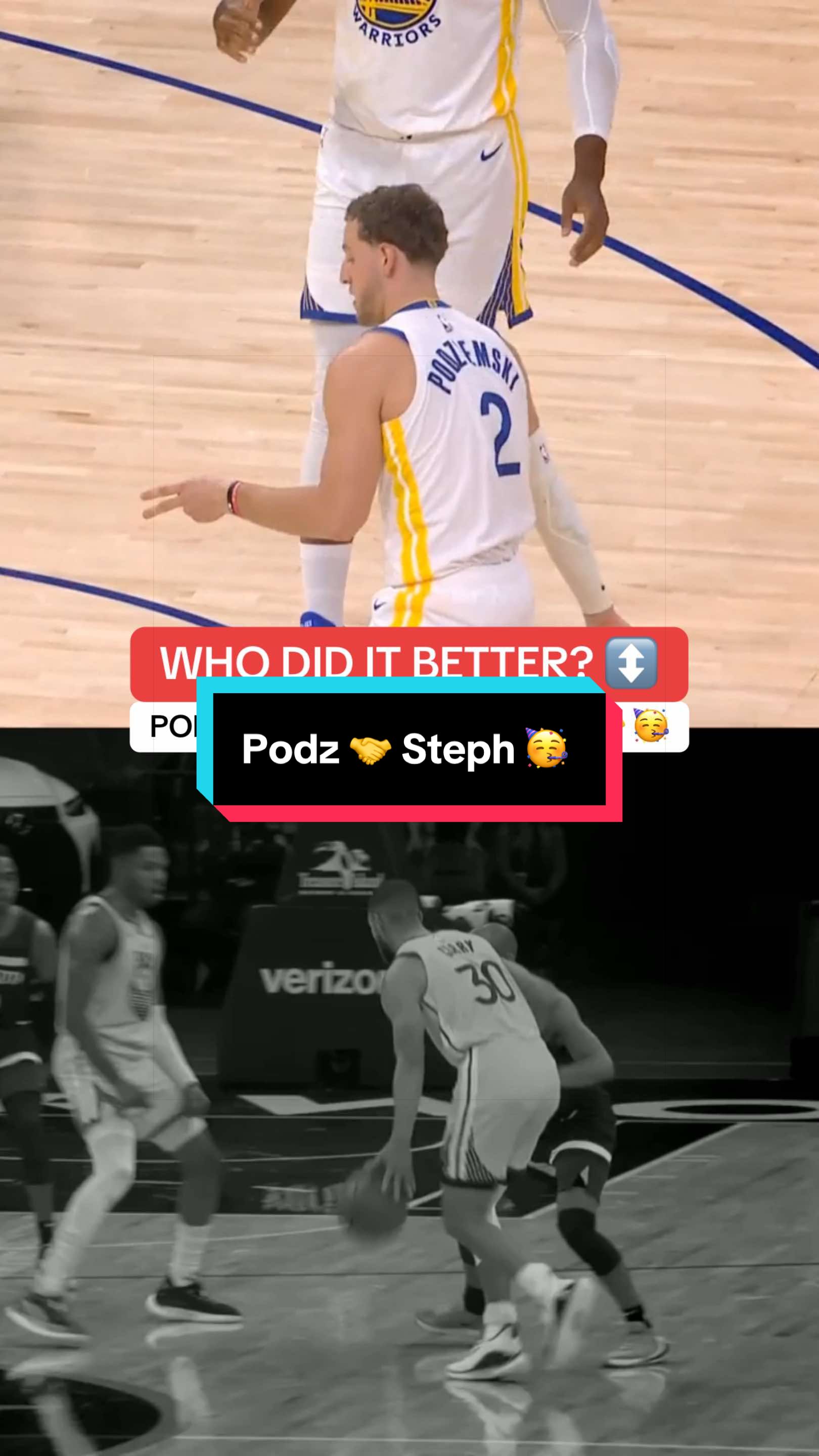
Brandin Podziemski hits his best Steph Curry 4-pt play celly ‼️
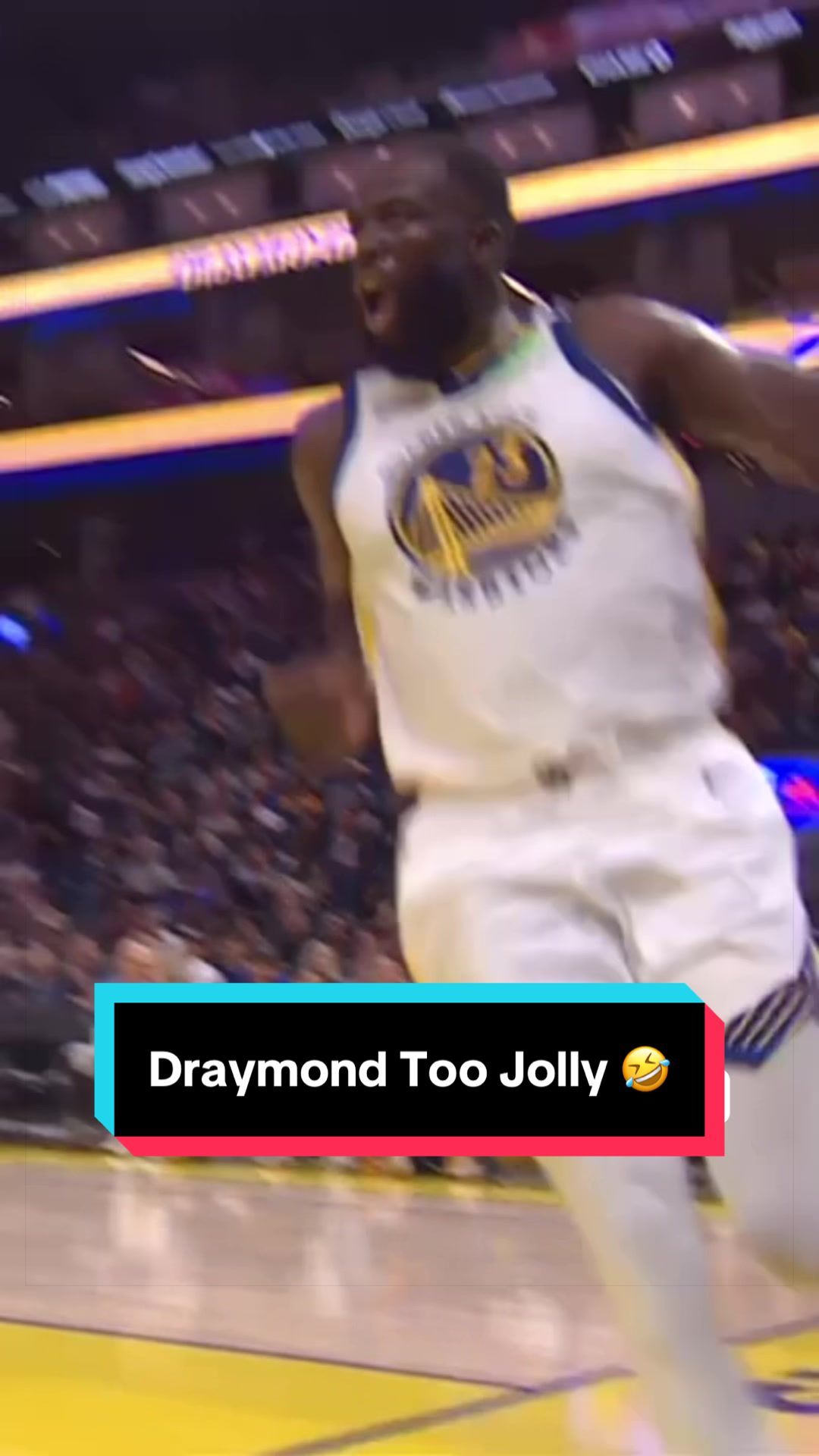
Draymond had to take a lap with all the energy he got 🤣🤣
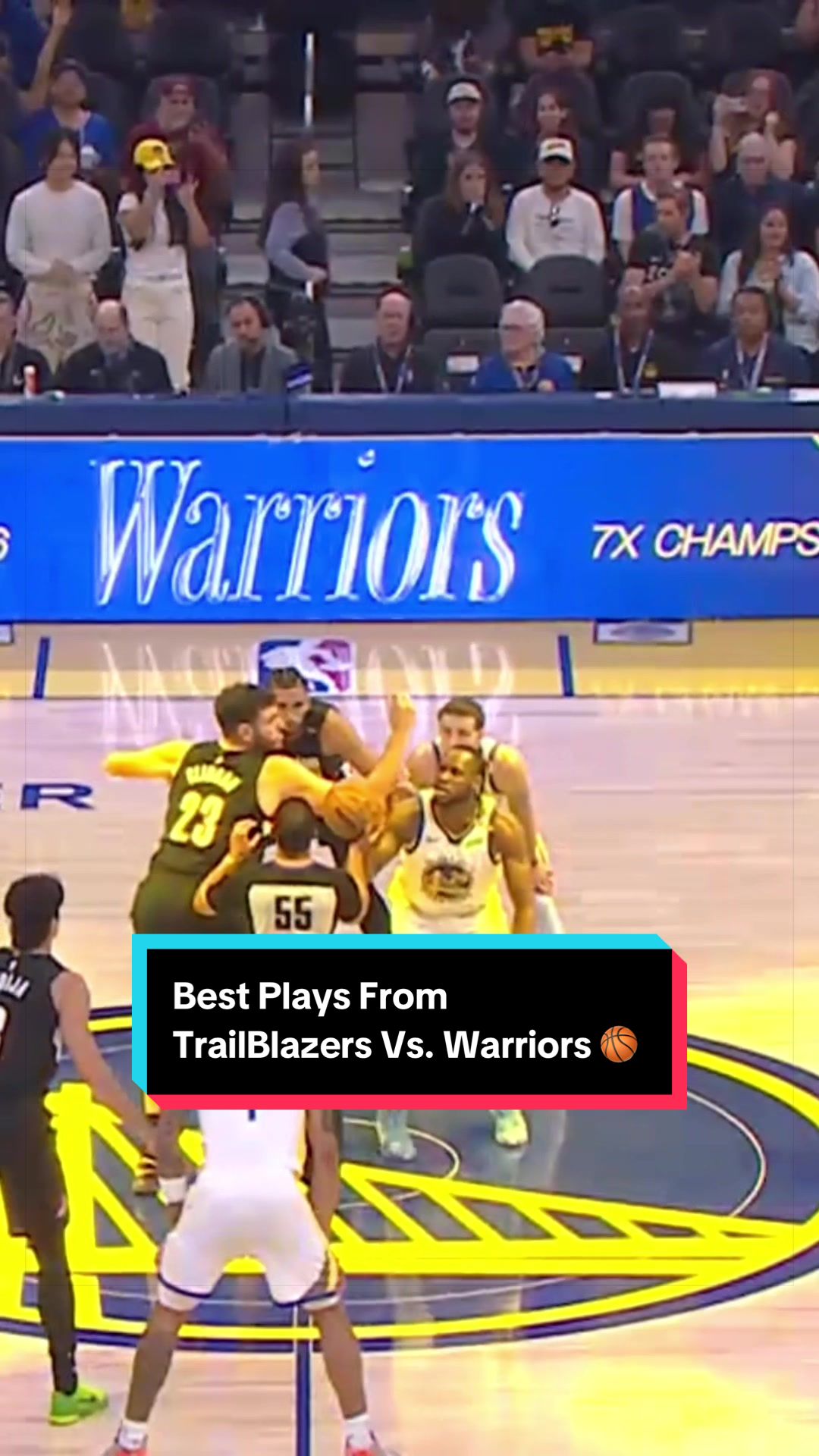
Quick rewind, full recap. Here’s everything from tonight’s @Trail Blazers vs. @warriors matchup ⏪ 🏀
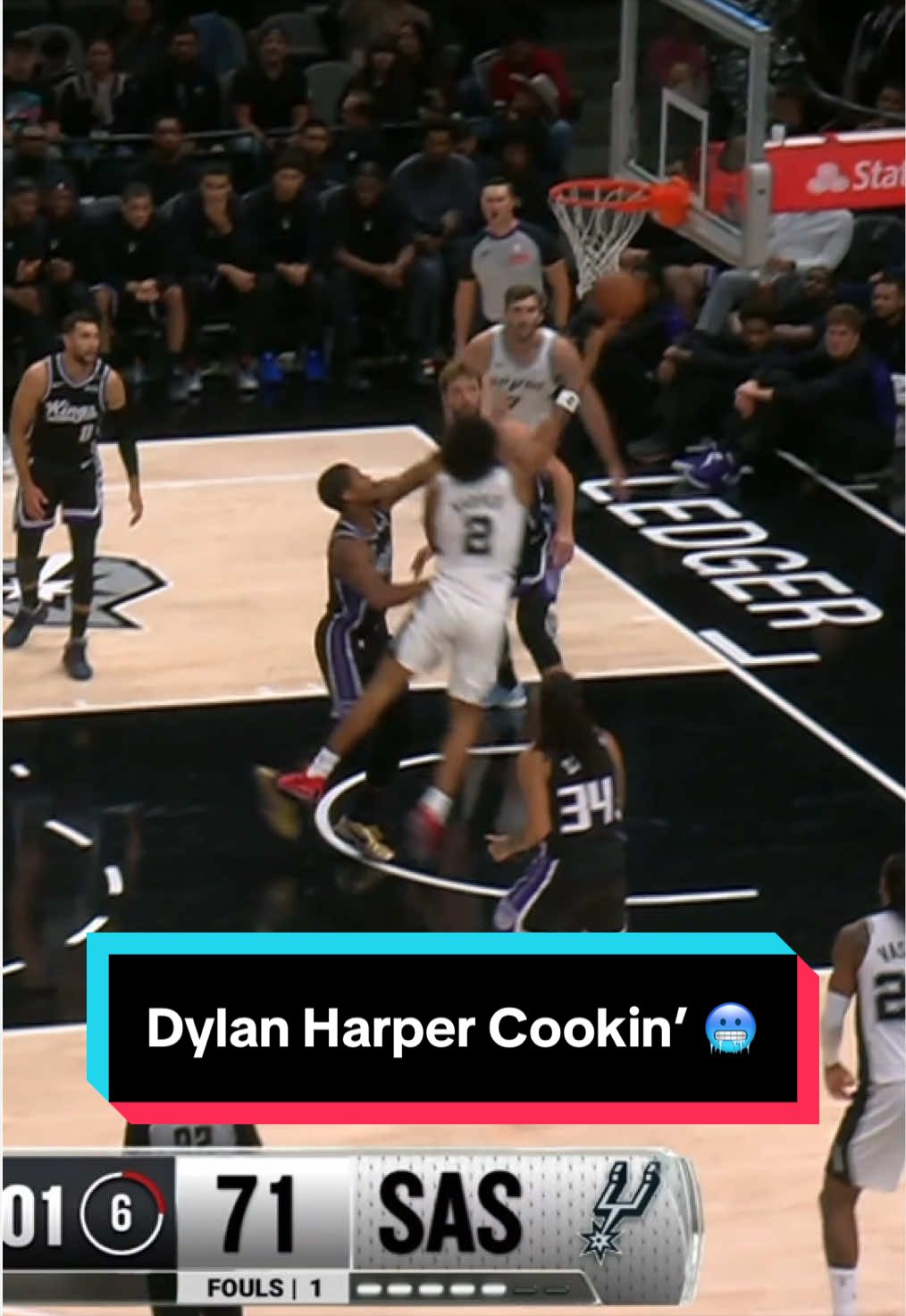
Dylan Harper was automatic to open the third quarter with 14 straight points 🔥
 Links
Links
 Contact
 App
App


