



ESPN Interview with Wembanyama: Shaolin Training Slightly Overhyped, Popovich Remains Our Captain



On June 4th Beijing time, Game 1 of the NBA Finals kicked off today, and Spurs star Victor Wembanyama did a pregame interview with ESPN. In the conversation, he mentioned that the team's inexperience has turned into a strength, that Popovich is still the guiding force of the squad, and that offseason workouts like the Shaolin training have been a bit exaggerated in their effect. Here is the full transcript—
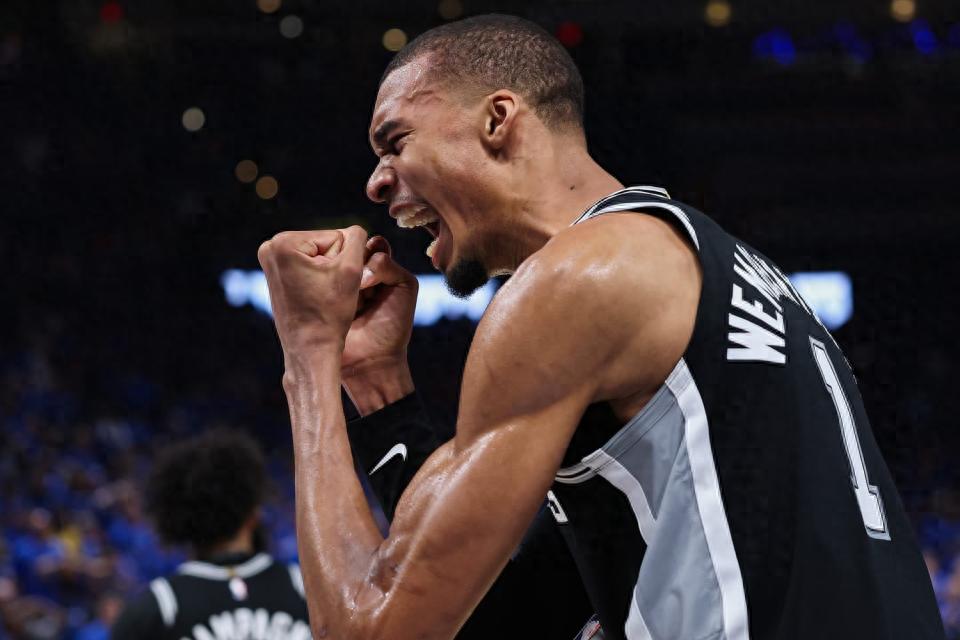
Reporter: Here we are, on the NBA Finals stage. All season long, people have kept bringing up this team's youth. But every time you're asked, you say you don't care about age or experience. Yet the truth is, you're the youngest team to reach the Finals since 1977. What makes this group special?
Wembanyama: If I had to point to something, it comes down to the people. The foundation of any team is its members—from the coaching staff to the guys on the floor—and we have talent everywhere. Also, I'd say our never-give-up mentality and what looks like a lack of big-game experience have actually become our advantage.
Reporter: How can a lack of experience be an advantage?
Wembanyama: Because no one told us what we can't do, we dare to accomplish things others think are impossible.
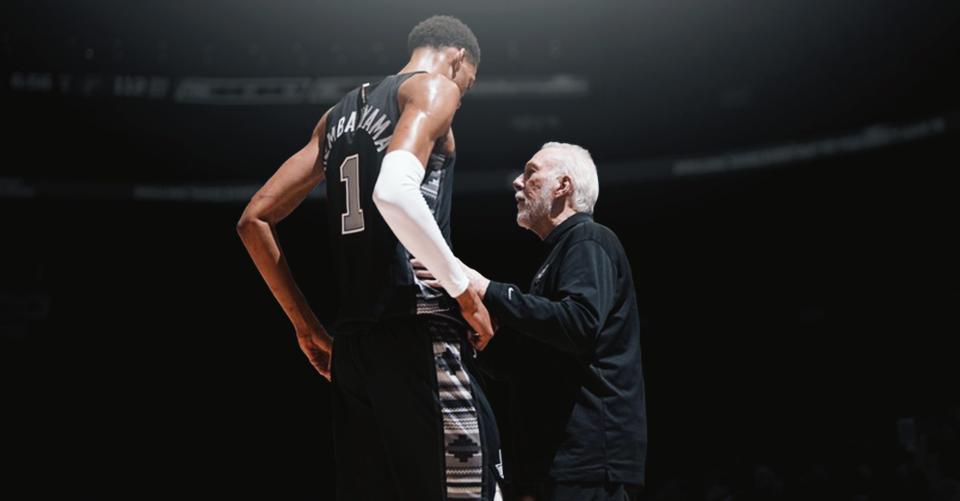
Reporter: I really like that mindset. Even though outsiders criticize the team's shallow playoff resume, the organization from top to bottom has a deep foundation, and a lot of that confidence comes from Coach Gregg Popovich. Regarding the Finals stage, what has he said to you?
Wembanyama: He hasn't said anything specific about the Finals yet. But throughout every round, in every game, he's guided us all the way—win or lose—always steering the ship forward.
Reporter: Victor, the common view around the league is: be patient, the championship will come in time, and you have to go through hardships before reaching the top.
Wembanyama: That's right.

Reporter: The look on your face just now suggests you don't fully agree with that idea.
Wembanyama: Patience is important, but there's a limit. A lot of the time, impatience is actually a valuable trait—every legendary player in history has that unwillingness to wait inside them. Out of ten rushed moves, maybe nine will be reckless mistakes, but that one time, that urgency can push you past your limits, make you overperform, and help you exceed your potential. That's the difference between a great team and a legendary one.
Reporter: I completely agree with that. To go from good to great, that burning desire to win is essential.
Wembanyama: You know, which legendary star in history was ever content to sit back and accept falling short?
Reporter: So do you aspire to join those legends?
Wembanyama: Of course. That's my ultimate goal.
Reporter: After winning the Western Conference title, you said you desperately want to win the championship, that winning is almost everything in your life. Why has winning become a necessity for you, and why must it happen right now?
Wembanyama: I can't really explain it myself. Some instincts can't be reasoned out, but basketball has run through my entire life—from childhood to now, day after day.
Reporter: No wonder you feel so strongly about it. You guys just went through a seven-game war to dethrone the defending champion Thunder. Now you're facing a completely different Knicks team. What confidence did that battle with the defending champs give you heading into the Finals?
Wembanyama: Playing the defending champion is the best possible Finals preparation. The Thunder are the most distinctive team in the league in terms of style and the most confident. Going seven games with them forced us to push our preparation and in-game execution to the absolute limit.
Reporter: Did facing such a distinct opponent further sharpen your team's system and identity?
Wembanyama: Absolutely. Those seven do-or-die games really forged our core identity. You don't eliminate the defending champion by luck—you can't win a Game 7 on chance.
Reporter: Let's talk about your first impressions of the Knicks. This Knicks team looks completely different from the regular season version.
Wembanyama: Totally different—they've elevated their whole game. Every guy on that roster is a veteran who's been around for years, but most of them have never played in the Finals. Anunoby won a title with Toronto, but he was injured during that Finals run. These guys have grinded for years, sacrificed, and fought hard to get here. They're not going to give up easily.
Reporter: Neither will you, which makes this Finals a great matchup. I want to ask about a tactical question: During the regular season, many teams would sag off Hart and use help defense. In the East Finals, Cleveland tried that and Hart made them pay. How do you see that defensive approach now?
Wembanyama: Every team is studying us and trying to anticipate our schemes, but luckily our coaching staff is always able to read their patterns and adjust on the fly.
Reporter: So the coaching staff already has a counter-plan, and you can't share anything else?
Wembanyama: Yes.
Reporter: Haha, okay—let's circle back to the legendary players and your desire to win. In an interview last December, you said a quote from Hakeem Olajuwon really struck you: 'If you're good enough, you don't have to wait for your time to win.' Now that you're about to start the Finals, has your understanding of that quote changed?
Wembanyama: That quote has become even more meaningful to me. The logic is simple and straightforward: since we already have the talent, we should go all out to win now, without hesitation or overthinking.
Reporter: Who do you play for?
Wembanyama: First and foremost, myself. It's really that simple—there's no need to overcomplicate it.
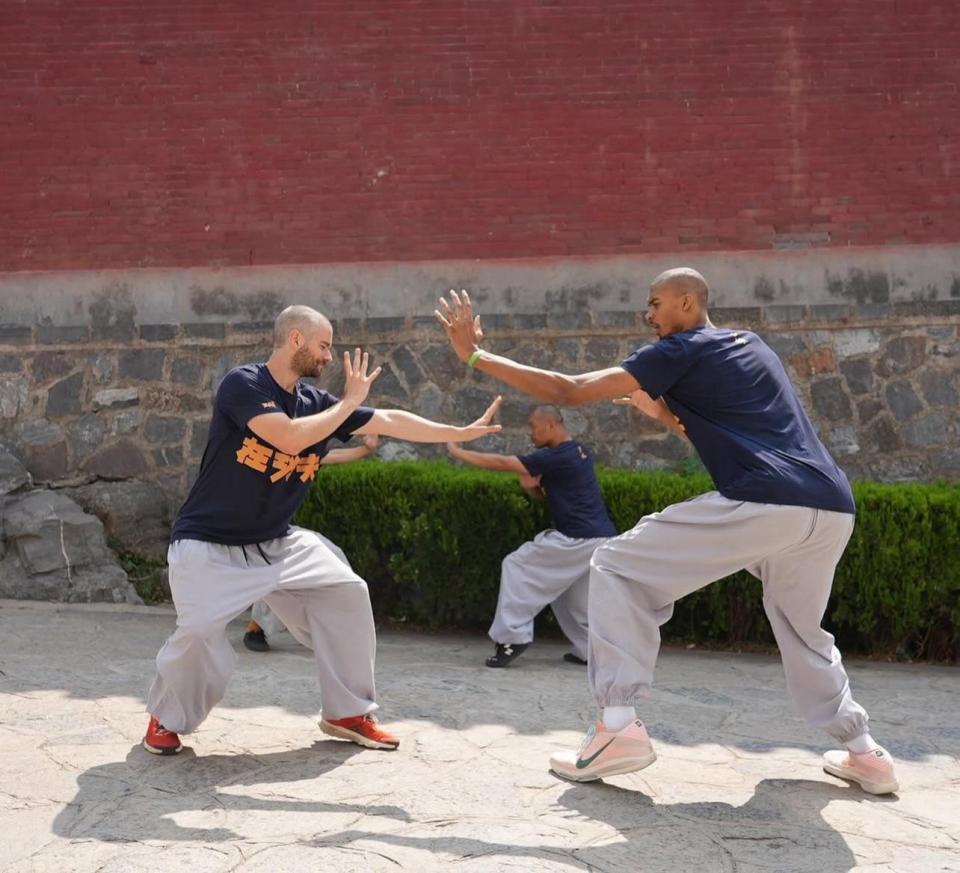
Reporter: People love to dig into your training stories: going to Shaolin to practice martial arts, working out with Hakeem, and all those underwater conditioning videos that went viral. Now that you're on the Finals stage, do you think those training sessions gave you an edge? Are people giving those workouts too much credit for your success?
Wembanyama: Who are you referring to? The media or the fans? Maybe—there is a bit of exaggeration. One offseason of special training can't completely transform you. Last summer I just followed my planned training schedule—it was a fulfilling and complete program, no regrets. But whether it's me or the whole team, our current level is the result of years of accumulation, not just a single summer's work.
Reporter: The Finals opener is here. You've dreamed of this stage since you were a kid. You often close your eyes and visualize games, mentally rehearsing. How far ahead do you usually plan? What does it feel like to have this dream come true right now?
Wembanyama: In my pregame mental visualization, I only plan for the next two games and the subsequent series. I go into detail for those two games—even the rest days in between—but for series further out, I don't think too deeply because they're still too far away.
Reporter: So you haven't started picturing the championship trophy yet?
Wembanyama: Not yet. The trophy hasn't been earned yet, and the hardest battles are still ahead of us.


Wonderfulshortvideo
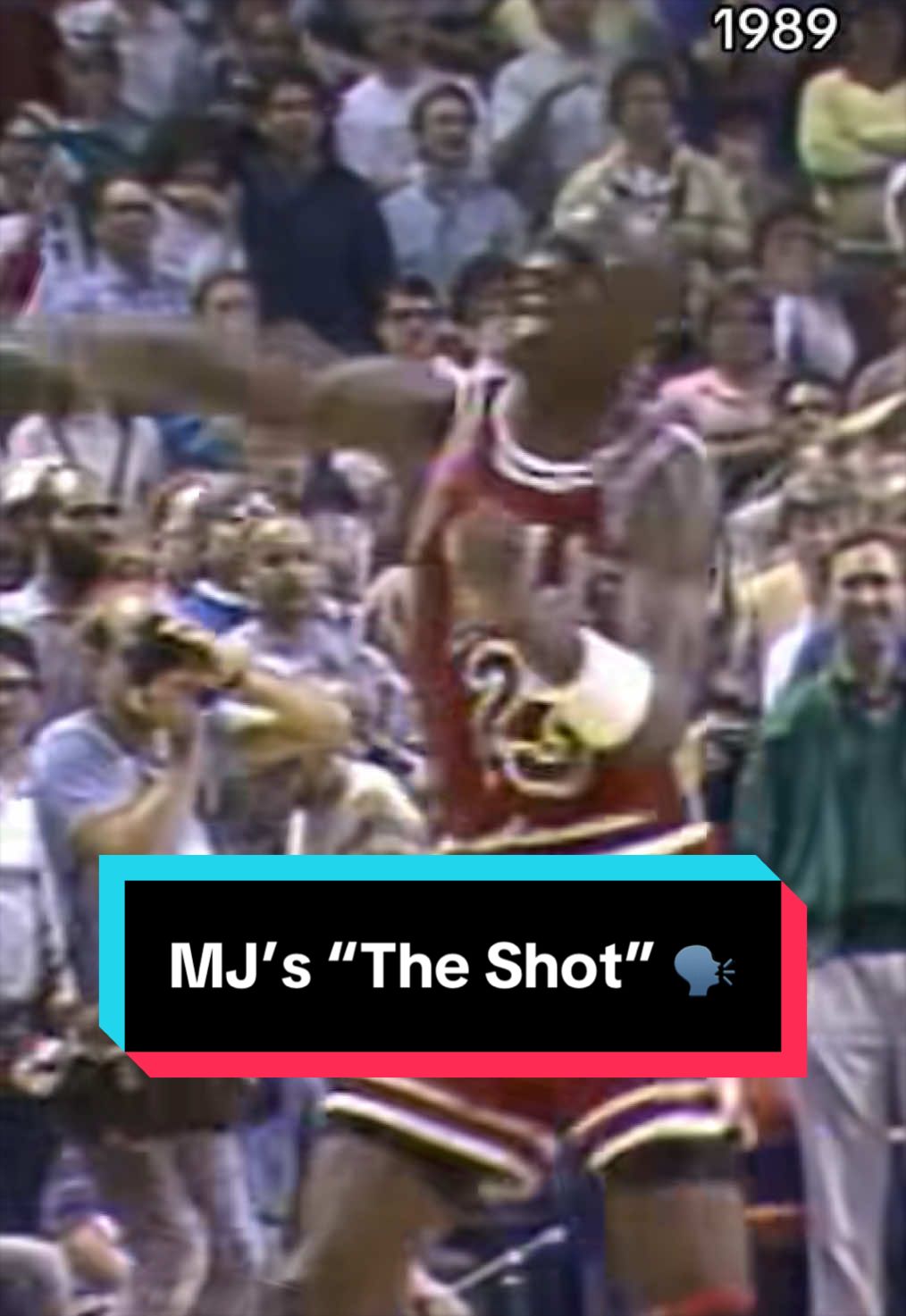
On May 7, 1989, Michael Jordan delivered one of the most legendary moments of his career ⭐


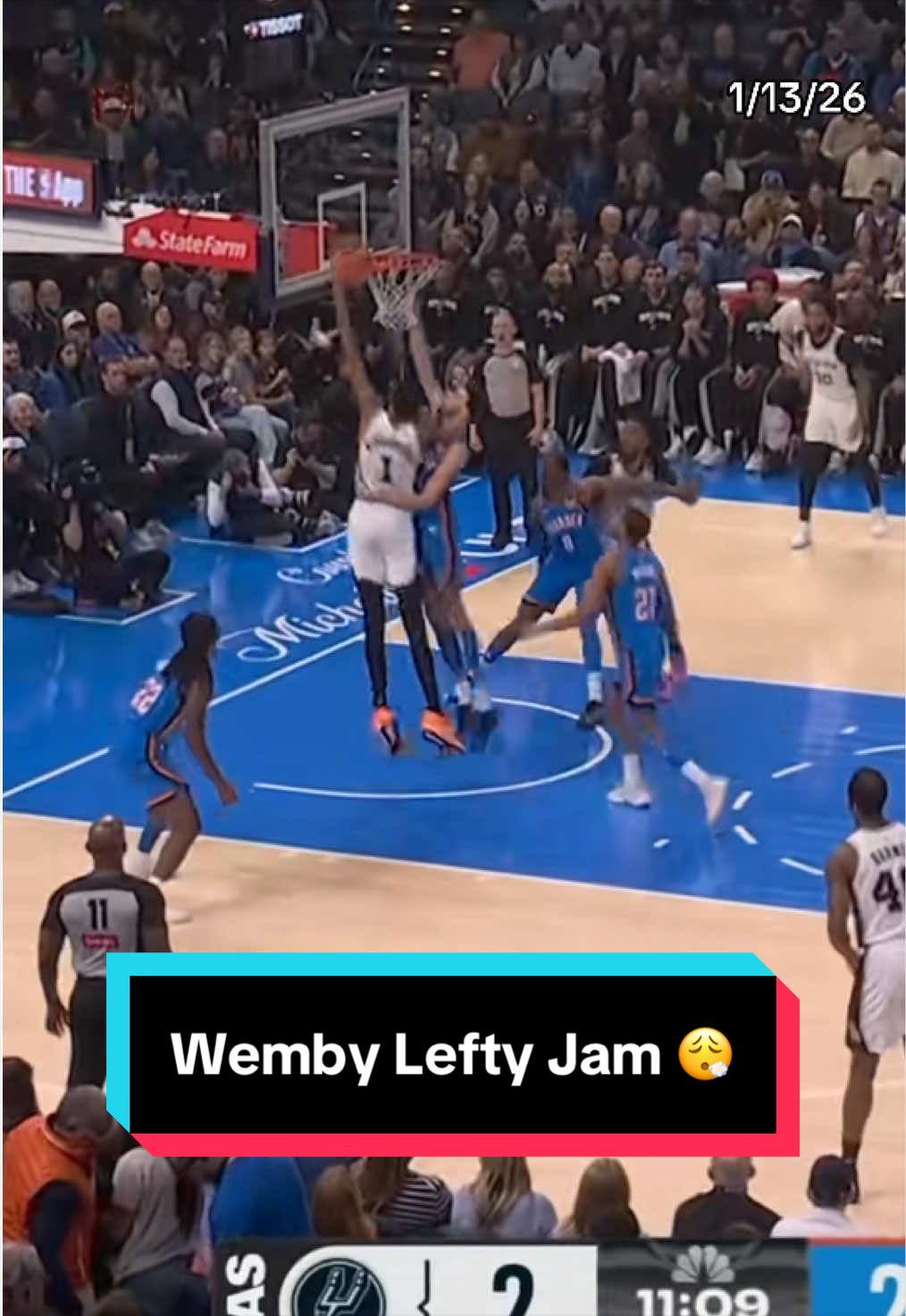
Wemby made it look easy 👀
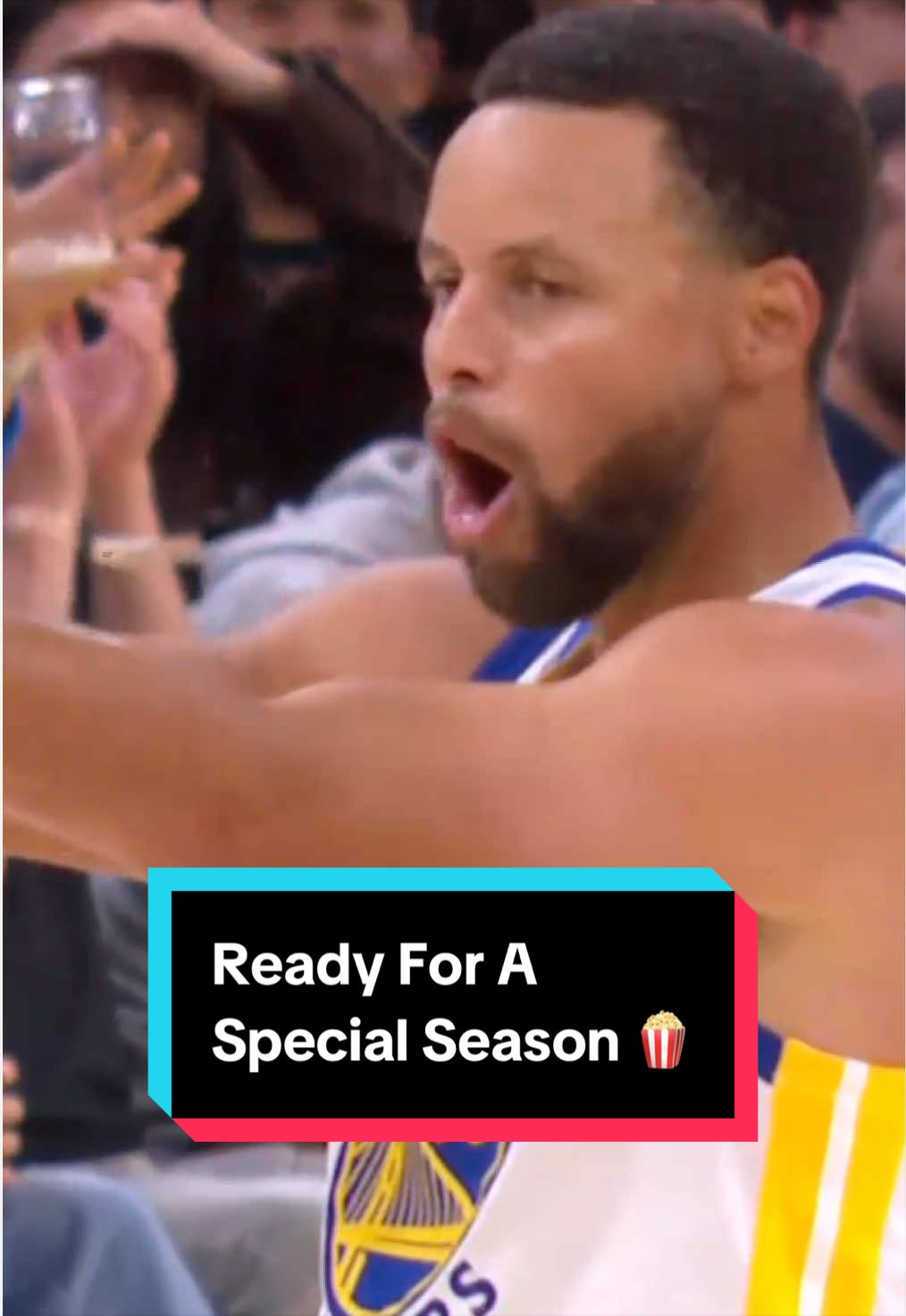
This NBA season is going to be a fun one 😮💨
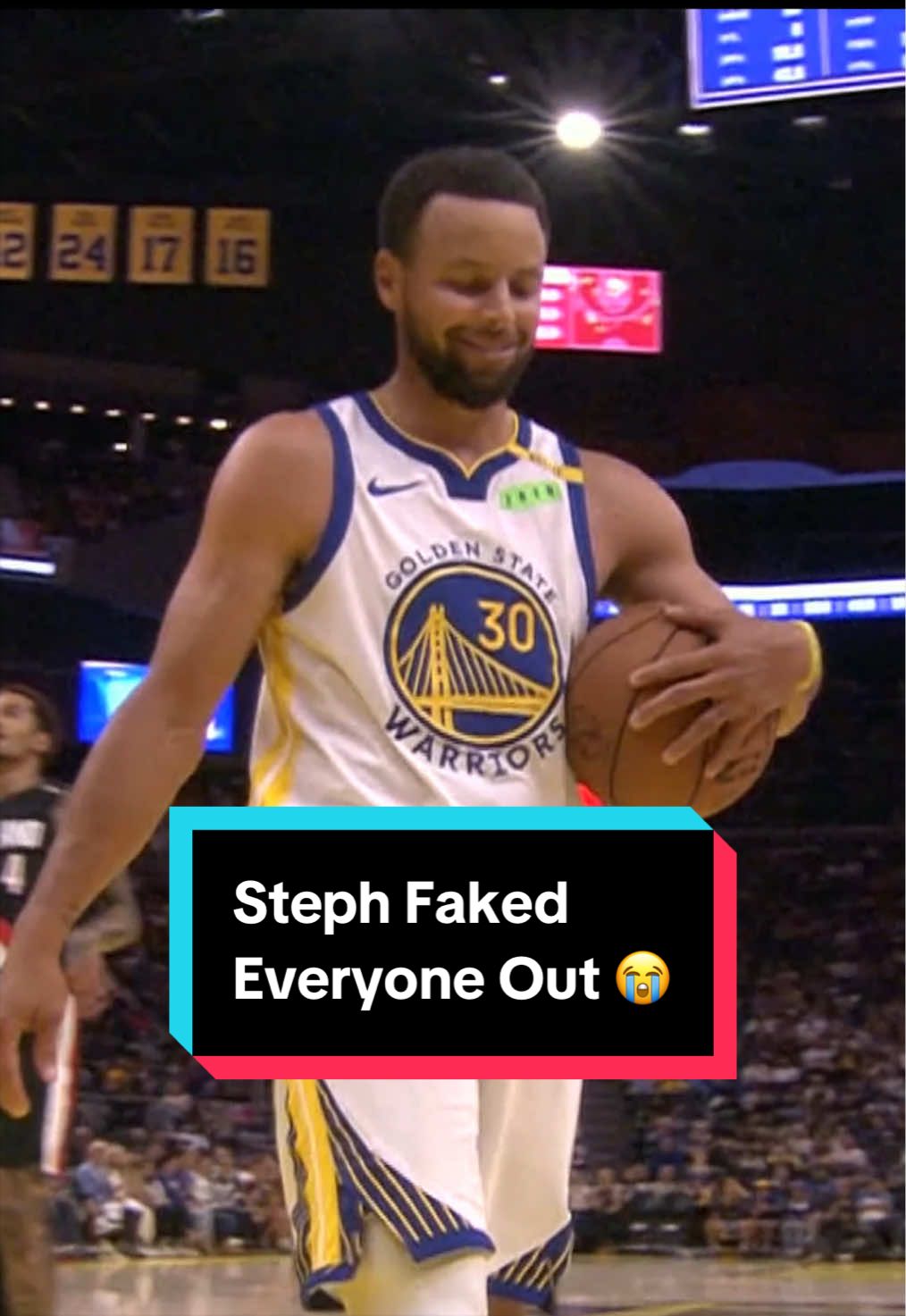
Steph couldn’t even keep a straight face after 🤣
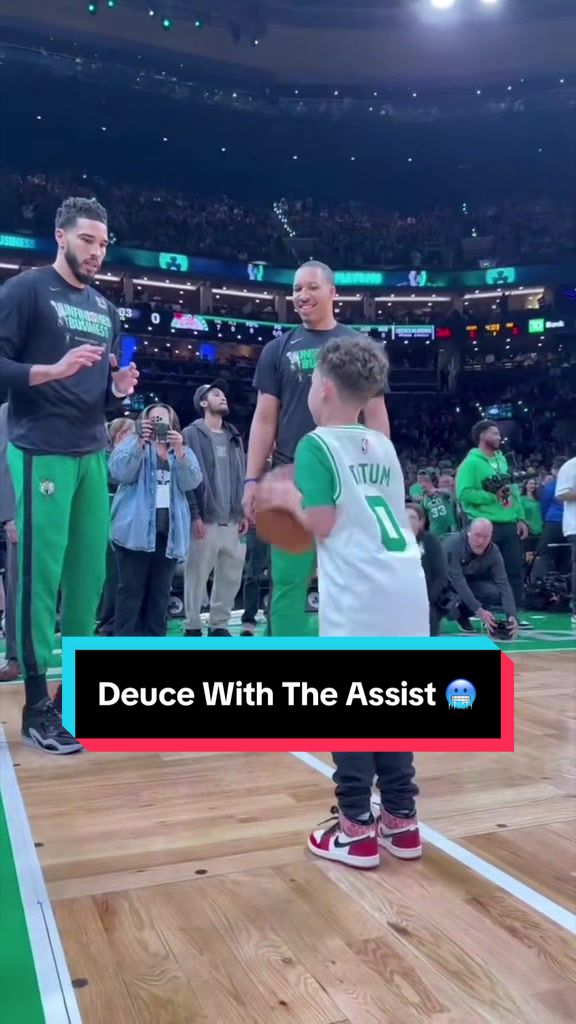
Jayson Tatum made sure Deuce got it right 😂😤
Every
A historic night for Joel Embiid when he dropped 70 points 🔥
 Links
Links
 Contact
 App
App


