



Expert Analysis on Durant's Knee Injury: Early Return Could Delay Recovery Process, Symptoms Similar to Curry and Edwards



On April 22 Beijing time, medical expert Jeffries was interviewed by Sports Illustrated, primarily discussing Durant's injury condition and also sharing his views on the injuries of two Lakers stars. Dr. Jeffries has been practicing for 12 years and has long analyzed and interpreted player injuries in major mainstream sports events. The following are the detailed contents—


1. What is a knee contusion? What makes Durant's injury particularly special?
Dr. Jeffries explained: "Simply put, a knee contusion is bruising and hematoma in the knee caused by external impact." However, he added that Durant's injury requires extra caution as it belongs to a special type of deep tissue injury.
"This time it's a deep hematoma injury in the patellar tendon," Jeffries stated. "Such injuries bring many troubles, accompanied by pain, swelling, and restricted knee joint movement."
The doctor pointed out that ordinary bruises already affect performance, but tendon hematoma poses even greater risks, easily triggering acute tendonitis and causing recurrent inflammation and persistent pain.
The playoff schedule is tight, with players having almost no sufficient time for rest and recovery. Especially since the Rockets have already lost the first game, another loss would put them in a desperate 0-2 deficit, further amplifying the injury risks. Such tendon contusions can take anywhere from a few days to several weeks to fully recover.
2. Would returning early worsen the injury further?
The good news is: Dr. Jeffries believes that Durant rushing back to play will not directly aggravate the original injury. "It cannot be said that the injury will completely worsen, but playing while injured will continuously irritate the damaged area, significantly delaying the recovery process."
3. Even if he returns, what limitations might exist on the court?
Even if Durant plays in Game 2, whenever he returns, his injury will not be fully healed. The doctor analyzed that the high-speed confrontations and repetitive actions like frequent jumping during games would be the biggest concerns: "He needs to focus on coping with the high-intensity game pace and the burden brought by repeated jumping. Just like patients with patellar tendonitis, frequent jumping leads to persistent soreness and discomfort."
Durant's playing style does not rely on extreme physical talent or speed advantages, but the Lakers will inevitably target him, especially constantly wearing him down defensively, forcing him to continuously move laterally and endure high-intensity confrontations for extended periods.

4. Which NBA stars have recently suffered similar injuries?
Several star players in the league have been plagued by similar knee injuries. The most direct impact of such injuries is significantly weakening a player's athletic ability.
"Recently, Curry and Edwards have both suffered runner's knee, with symptoms highly similar to Durant's: persistent pain in the front of the knee, greatly affected by frequent jumping, which directly drains the player's explosive athletic power."
When discussing injuries previously, Curry also admitted that knee injuries are stubborn and cause recurrent pain, with no clear recovery timeline. As seen in the Warriors' playoff loss to the Suns, Curry's performance was severely limited due to his injury.
5. Recommendations regarding Durant's return
Whether a player can play while injured depends both on personal willingness and the professional assessment of the medical team.
Based on public information, the reporter asked: From an external perspective, can Durant play in Game 2?
"Considering the critical importance of this game and the Rockets' desire to avoid a 0-2 deficit, I think he will attempt to play in Game 2. However, his actual competitive state can only be judged by on-court performance."
The urgency of the playoffs is the core factor influencing Durant's return plan. The doctor frankly stated: If it were the regular season, given the severity of the injury, the team would likely let him rest for one to two weeks, conservatively treating until the injury subsides.
According to the Rockets medical team's standards, what criteria must be met to approve Durant's return?
"In my view, he must pass the full pre-game fitness test pain-free and without movement restrictions. If the standards are not met, forcing a return could lead to secondary injuries. Durant suffered a calf strain during his Warriors tenure, and rushing back ultimately caused an Achilles tendon tear. That painful experience warrants caution."
The doctor gave his judgment: The probability of Durant not returning for the entire series is extremely low, only around 5% or less.

6. Return prospects for Doncic and Reaves in this series?
Regarding the Lakers' two other core injured players, Doncic and Reaves, the doctor offered a conservative conclusion:
"Honestly, the hope for both to return this season is very slim. So far, there have been no reports of Doncic participating in full-contact training; it's hard to regain competitive form within just a week. Only if the series extends into multiple prolonged battles might they have a chance to return."
Previously, Shams reported that Doncic is expected to miss the first round, while Reaves' recovery progress is faster, currently able to engage in one-on-one training.


Wonderfulshortvideo
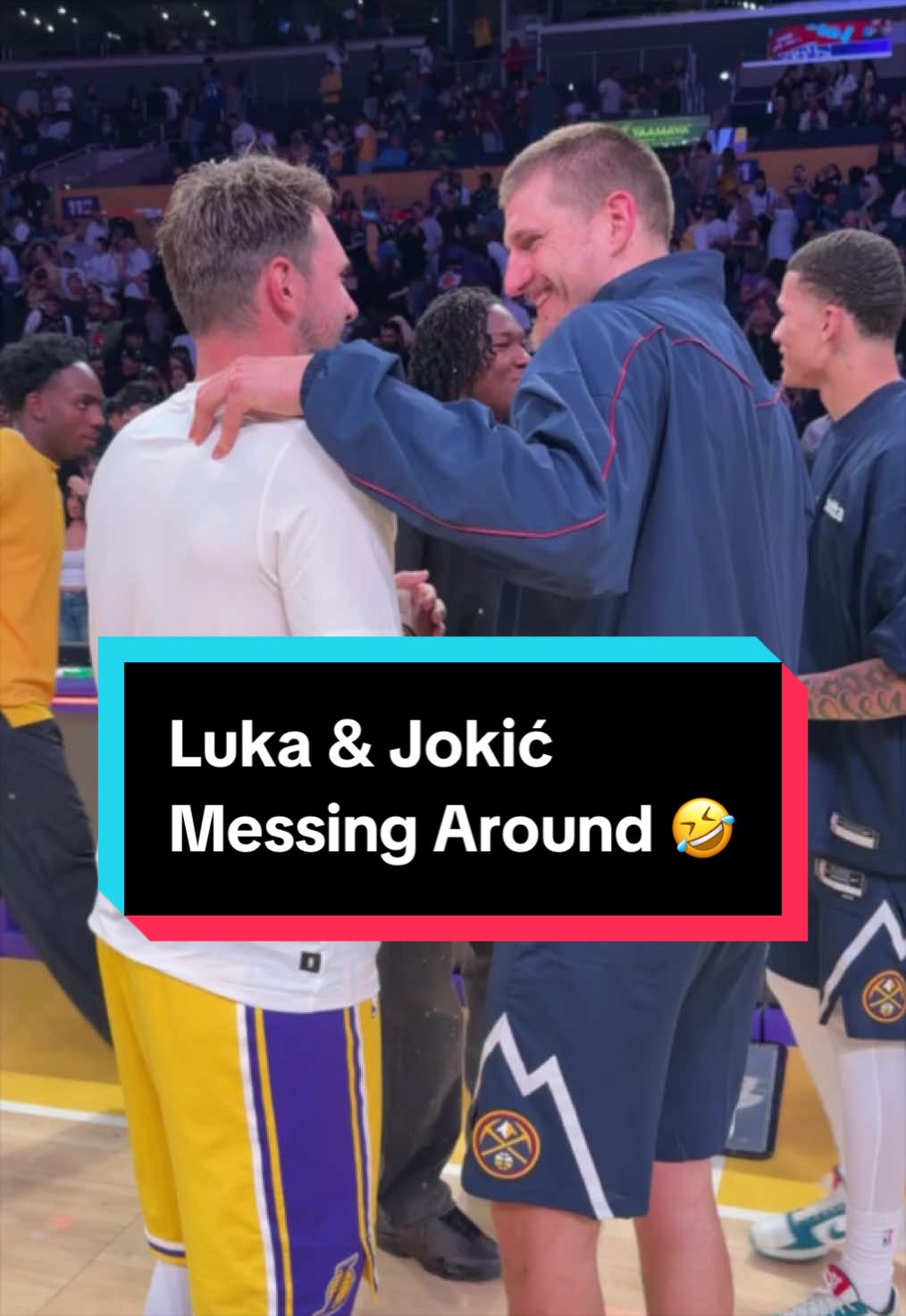
These two are always up to something 😭


Quick rewind, full recap. Here’s everything from tonight’s @Utah Jazz vs. @Phoenix Suns ⏪ 🏀
Quick rewind, full recap. Here’s everything from tonight’s @Denver Nuggets vs. @Lakers matchup ⏪ 🏀
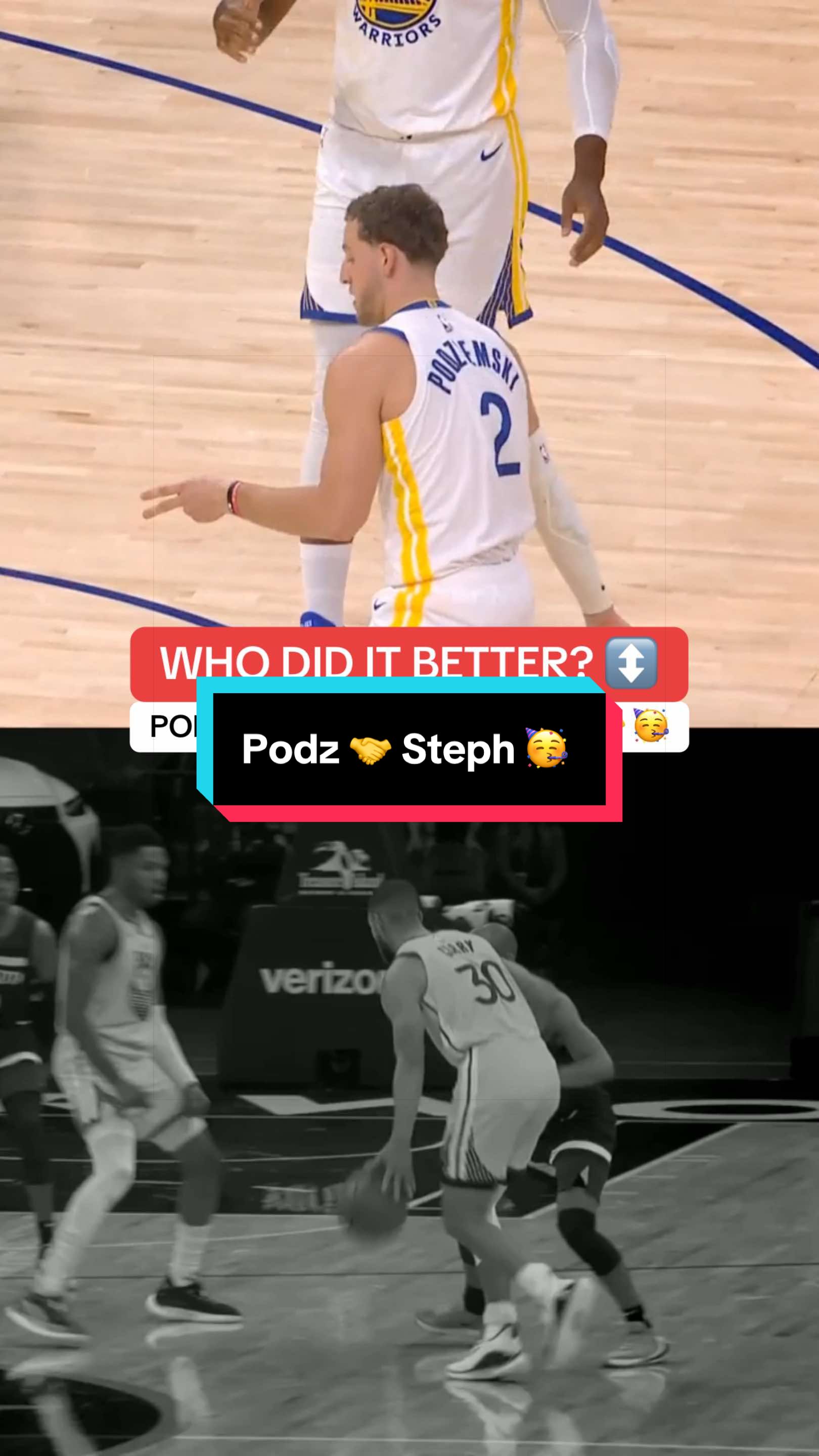
Brandin Podziemski hits his best Steph Curry 4-pt play celly ‼️
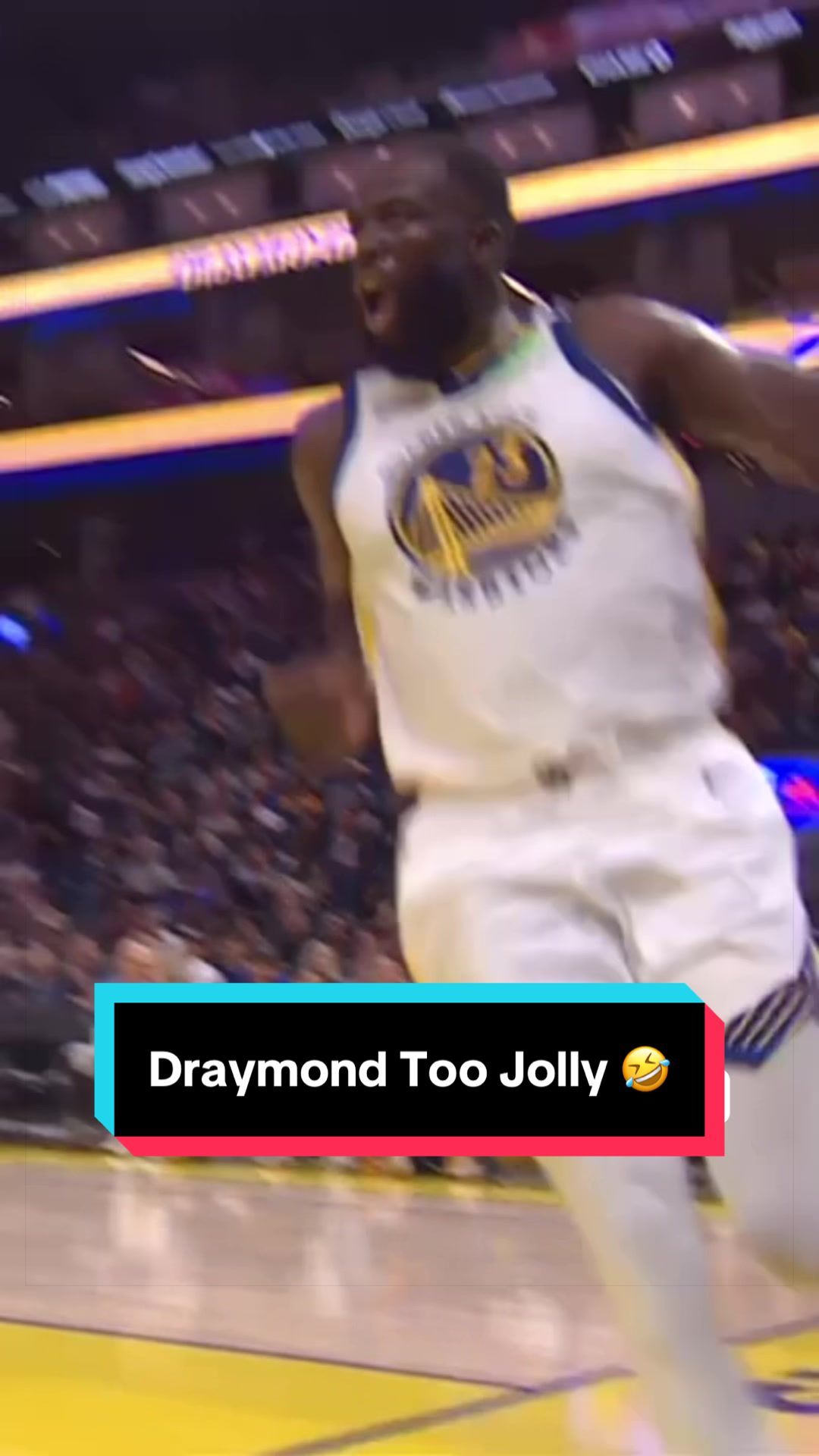
Draymond had to take a lap with all the energy he got 🤣🤣
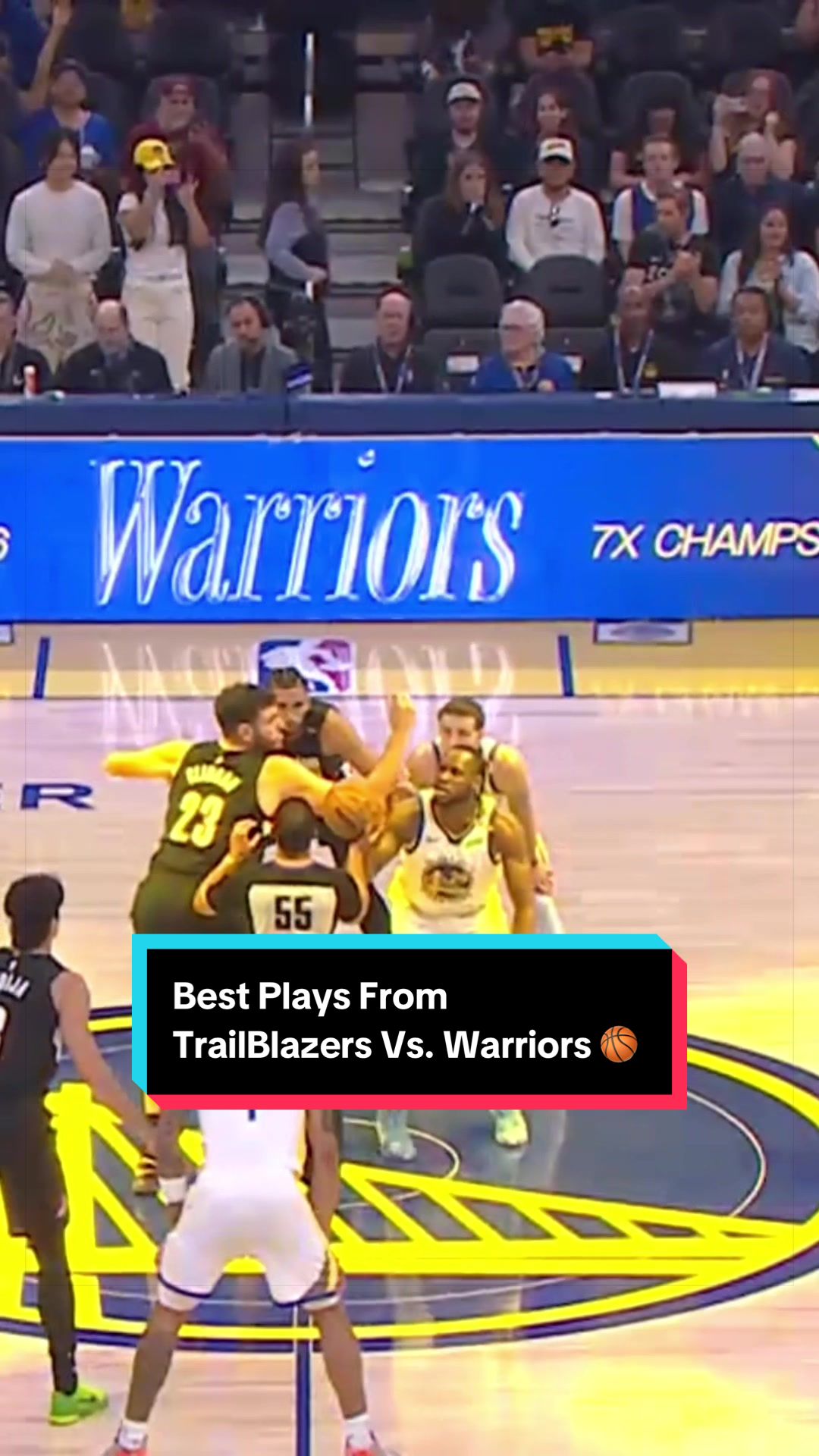
Quick rewind, full recap. Here’s everything from tonight’s @Trail Blazers vs. @warriors matchup ⏪ 🏀
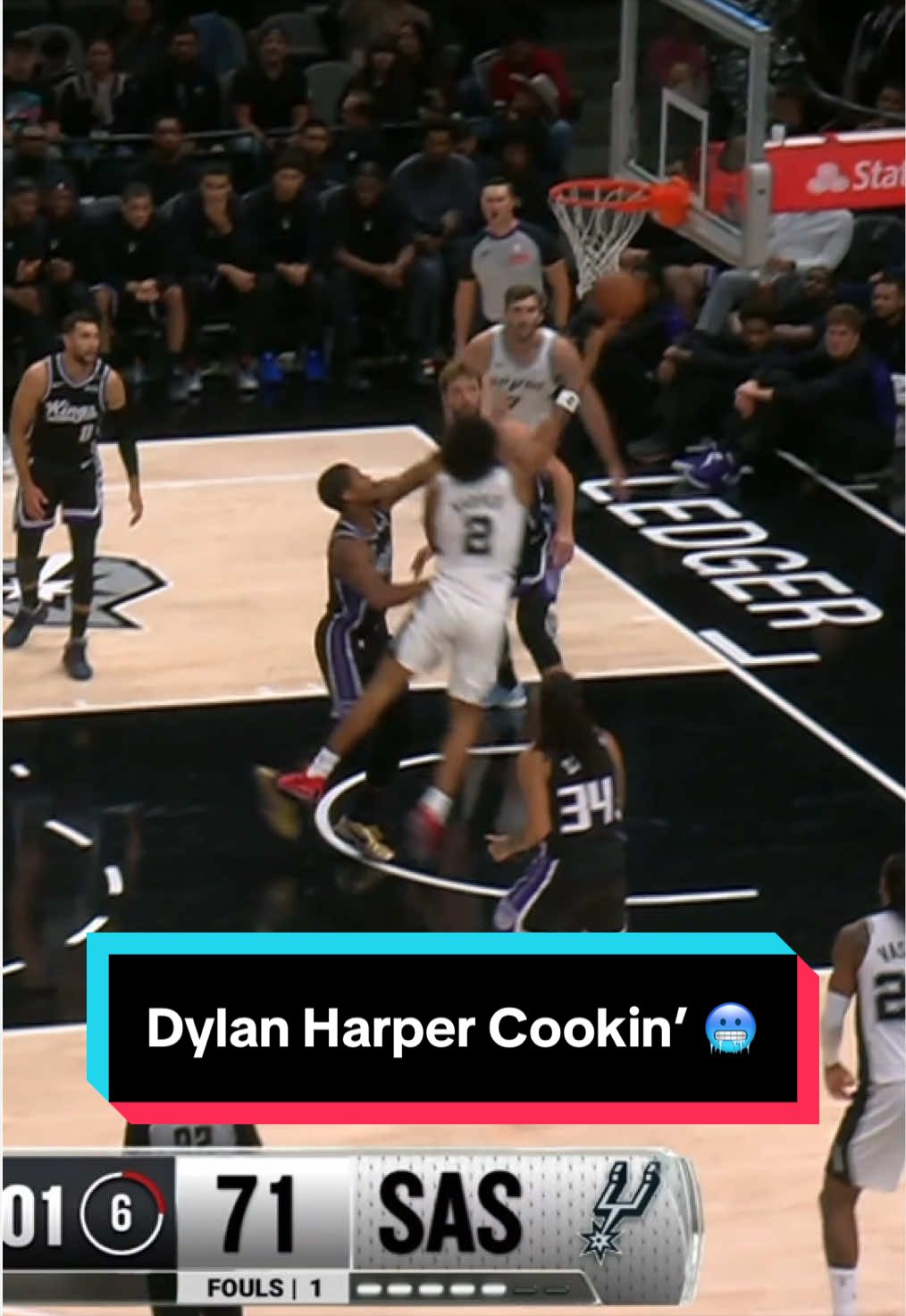
Dylan Harper was automatic to open the third quarter with 14 straight points 🔥
 Links
Links
 Contact
 App
App


