



Rather than reconciling with himself, Tatum prefers to push himself harder.


Tatum's recent game form can be characterized as getting better and better. He just recorded his first 30+ points after returning in the last game, and today, defeating the familiar opponent Heat, Tatum logged 37 minutes, making 9 of 21 shots, 4 of 13 from beyond the arc, securing 25 points, 18 rebounds, and 11 assists—his first triple-double since coming back.
It is somewhat surprising that this is only Tatum's fifth career triple-double. In memory, he has had many double-doubles throughout his career; his rebounding ability has always been strong, and as the team's organizational core, he frequently reaches double-digit assists. However, before today, he had only four triple-doubles.
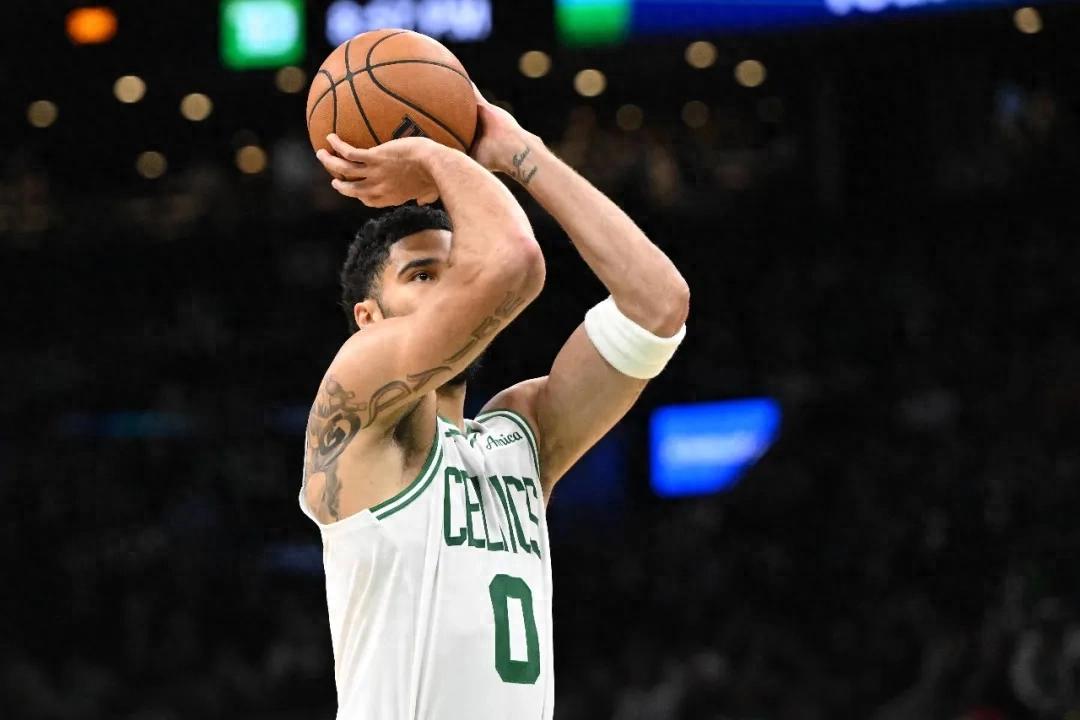
Today, the Celtics played relatively smoothly, hitting 11 three-pointers in the first quarter and scoring 53 points to break a team record. Under such circumstances, Tatum still played 37 minutes throughout the game, the same amount as Brown.
Since returning, Tatum has only had playing time under 30 minutes in the first three games due to restrictions. In the subsequent nine games, Tatum has played over 30 minutes each time. He truly loves playing basketball; missing so many games this season made him restless off the court.
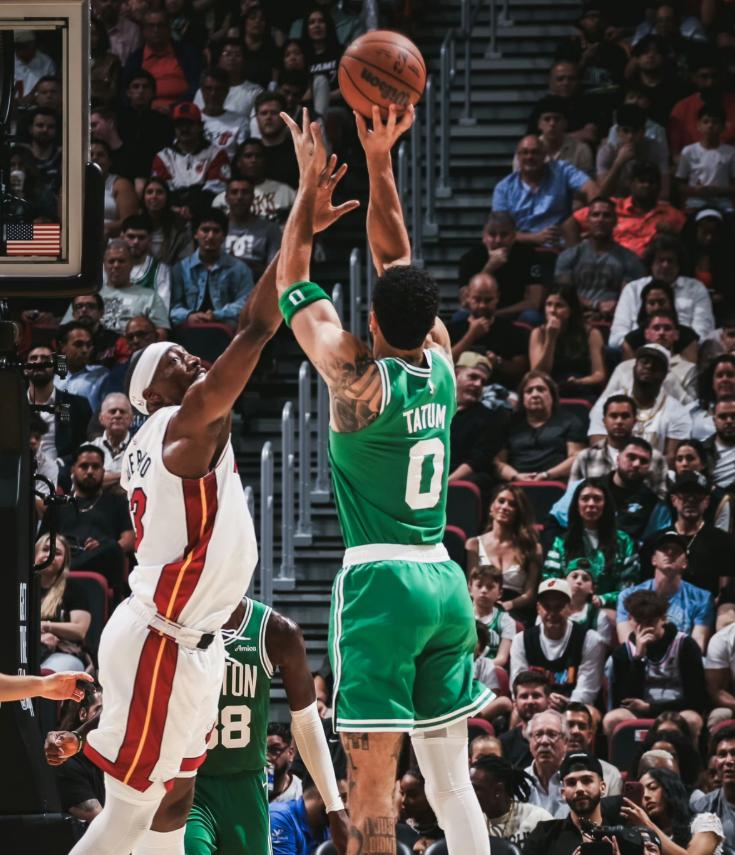
In the 12 games since his return, Tatum averages 31.5 minutes per game, contributing 21.3 points, 9.8 rebounds, and 4.8 assists, with a shooting percentage of 40.2%, a three-point percentage of 32.1%, and a true shooting percentage of only 52.7%. Clearly, his shooting efficiency hasn't yet returned to pre-injury levels; he needs to re-adapt to many things and re-acclimate to such game intensity.
In these recent games, Tatum's shooting has been decent at the start, but his efficiency declines later on. This indirectly indicates his physical condition hasn't fully recovered to its best. However, as Draymond Green noted, Tatum is regaining his explosiveness game by game, rediscovering his arsenal one match after another, becoming more comfortable.
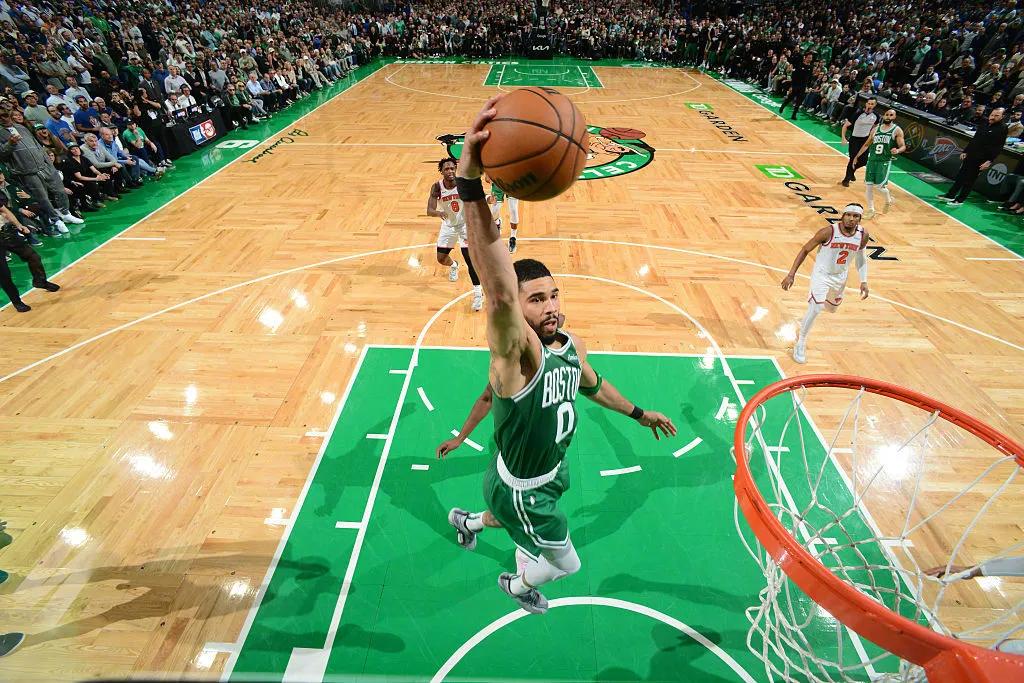
Even though he missed most of the season, Tatum can quickly integrate into the current Celtics system because whenever he is on the court, he embodies the system itself. He can handle the ball as the Celtics' organizational core; since his return, Brown's ball-handling pressure has reduced significantly, and Brown himself plays more comfortably.
He can also play off the ball, leveraging his drawing ability, and when needed to handle the ball, he is the Celtics' most reliable ball-handler. So far, he averages only 2 turnovers per game, the lowest since his third season when he became the Celtics' absolute core.
Since returning, Tatum's bigger change is increasingly resembling a pure power forward, prioritizing rebounding protection on defense; all 18 rebounds today were defensive rebounds. He has always been a versatile player, plug-and-play anywhere; the Celtics never worried about whether he could re-adapt to the team system.
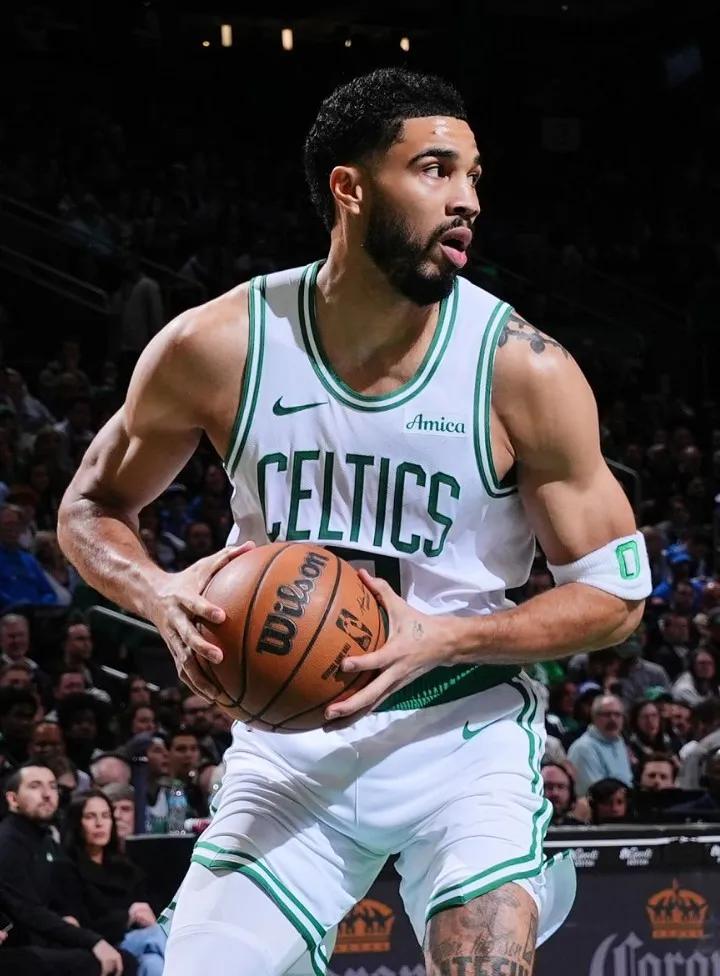
You might focus on his moments of poor shooting, but Tatum says his mindset is always "next play," putting missed shots behind him and concentrating on the next opportunity. During over 60 games he couldn't play, he had to wait off the court; he still remembers those days when he couldn't walk or run. Now, being back on the court fills Tatum with gratitude and relief.
He has always been on a path to regain his peak form, but at the same time, he must constantly accept the reality: he still has a long way to go to reach his peak condition. He needs to repeatedly undergo the process of confidence being shattered and rebuilt, trying to reconcile with himself and accept his current state.
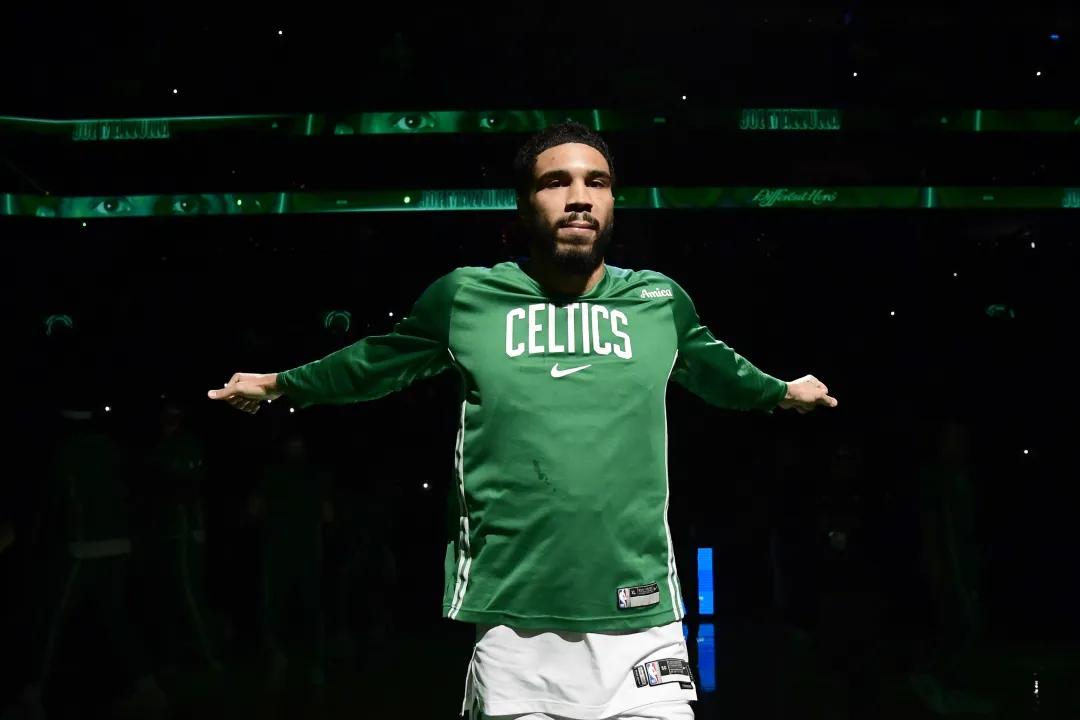
Tatum said after today's game: "Klay Thompson told me after our first matchup that he wished he had given himself more patience and leniency when he first returned. Not many people understand this kind of injury and the physical and mental ups and downs during the comeback process."
Tatum says he is already trying to reconcile with himself, but he still feels frustrated. Self-reconciliation sounds easy, but for a player at Tatum's level, from the start of his career, he climbed step by step by "pushing himself harder." Because of his competitive mindset, he became stronger; because he refused to accept his imperfections, he reached where he is today.
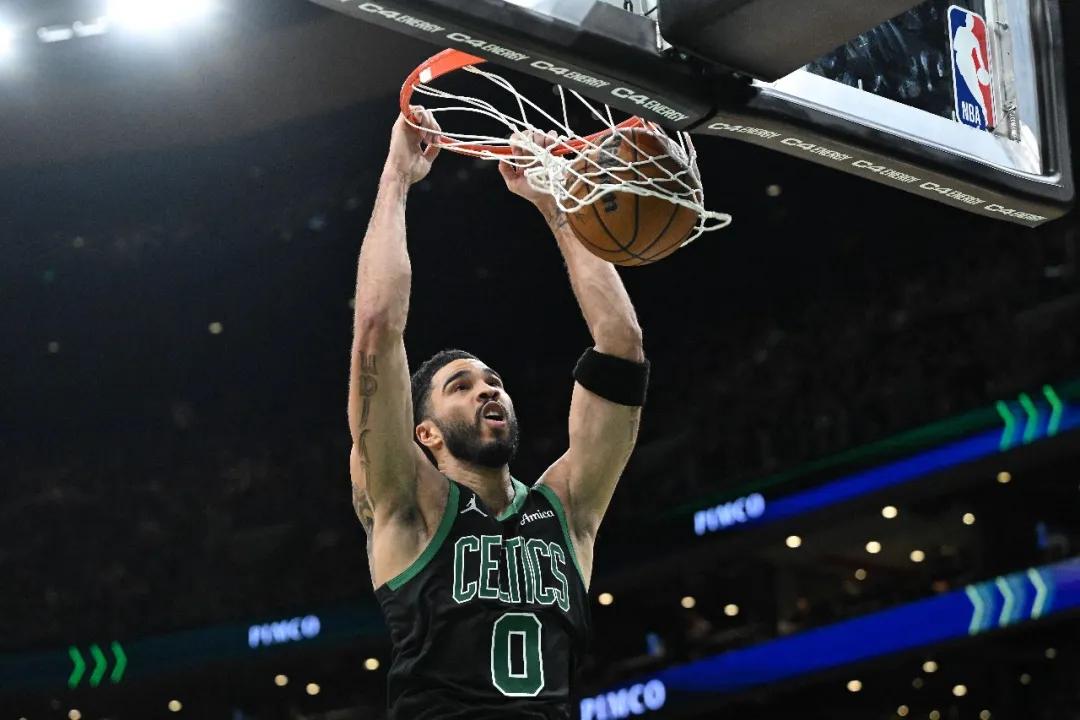
If reconciling with himself, Tatum might accept missing the entire season, adjusting his physical condition to the best in summer before returning. But from the moment he completed his first dunk 150 days after injury, it destined him to struggle relentlessly with himself and the injury.
Ignore the self-doubt brought by fluctuating performance, disregard external skepticism after inefficient shooting; simply being able to stand on the court again means everything to Tatum.


Wonderfulshortvideo
i know, they’re mine. thank you


This energy >>>>>
Listen as the crowd roars at the sight of Tatum’s first run out this season! 🤩
23 + 77 = 💯
LUKE KENNARD FROM DEEP. GOODNIGHT.
Watch as SGA drills the game-winning three 🙂↕️
Tatum gets the putback ➡️ three as his first and second buckets back since returning 🔥 🔥 🔥
 Links
Links
 Contact
Address:UNIT 1804 SOUTH BANK TOWER, 55 UPPER GROUND,LONDON ENGLAND SE1 9E
Number:+85259695367
E-mali:[email protected]
 App
App


