



Revealing the inside story of Kuminga’s fallout with the Warriors: multiple clashes with Kerr exposed, owner reluctant to admit a wrong pick


On February 12th Beijing time, ESPN Warriors reporter Slater authored a lengthy piece exposing the real reasons behind Kuminga’s break with the Warriors, including many untold details. Below is the full ESPN article —
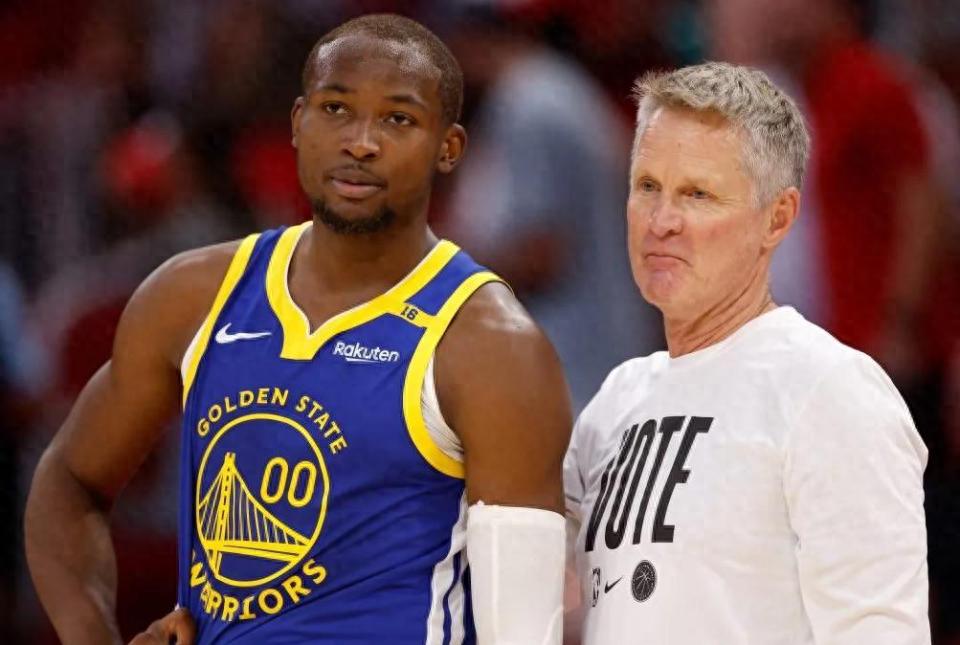

According to insiders within the Warriors, the originally civil cold war between Jonathan Kuminga and Steve Kerr escalated to its most severe outbreak on the afternoon of December 10th (local time).
Two weeks earlier, the Warriors had just been eliminated from the NBA Cup and entered a rare rest period. The team won a game in Chicago on Sunday night and did not play again until Friday.
Kuminga was well prepared for this conversation.He knew the management would criticize him for missing team-mandated activities and remind him that people around him had taken too much food from the team’s family lounge. Multiple sources said these complaints between players and the team had become “petty and exaggerated.”This five-year relationship, many believed, should have ended long ago.
Kerr has always been skilled at building deep communication with players, a strength of his coaching, but with Kuminga, it had little effect.Kerr had sent handwritten notes, lengthy texts, and tried various methods to bridge the gap, but Kuminga rarely responded, showing a cold attitude with sporadic replies.
Over multiple conversations with ESPN in the past five years, one fact became increasingly clear:Kuminga believes Kerr is the main obstacle to his career developmentHis career has long been defined by unstable playing time, inexplicable DNPs (Did Not Play), and tense relations rather than progress.
After nights with zero or minimal playing time, he often rolled his eyes and said, “Go ask him yourself.”
The team’s power structure tied the two together, forcing an awkward and prolonged professional relationship, but Kuminga knew clearly who controlled the tactics and rotations.
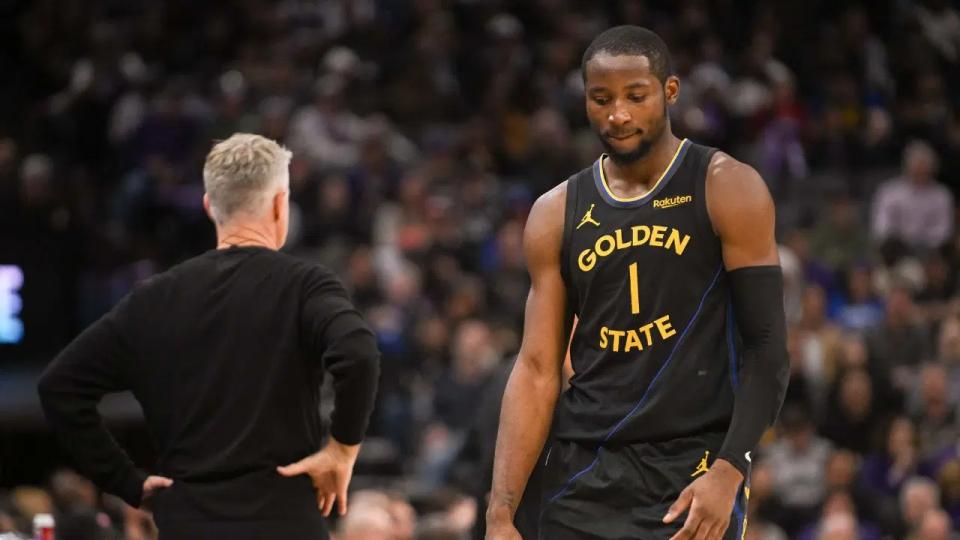
That afternoon in Kerr’s office, their anger exploded completely. The conversation escalated from minor issues to core conflicts, with both sides venting pent-up frustrations:
Kerr was upset about Kuminga’s lack of commitment to team goals and competitive spirit;
Kuminga accused Kerr of long doubting his abilities.
According to informed sources, the meeting ended with Kerr angrily throwing a whiteboard.
Interestingly, after that, Kuminga showed what Kerr called “the two most spirited training sessions I’ve seen” during practice: full sprints, attacking the paint, and tough defense.
“He did what I asked him to do,” Kerr said, “I do sympathize with him; his fate is largely controlled by my personnel decisions.”
But like all brief moments of harmony between Kuminga and the Warriors, this goodwill quickly faded, ultimately doomed by a double-layered mismatch:
At the base: the player and coach completely disagreed on career trajectory and future role;
At the top: owner Lacob had connected with Kuminga at a Miami dinner before the 2021 draft and insisted at several crossroads that Kuminga could be the face of the Warriors’ next era. However, sources say Lacob was unwilling to abandon this fantasy that didn’t fit the current roster or system, which the coaching staff was reluctant to implement.
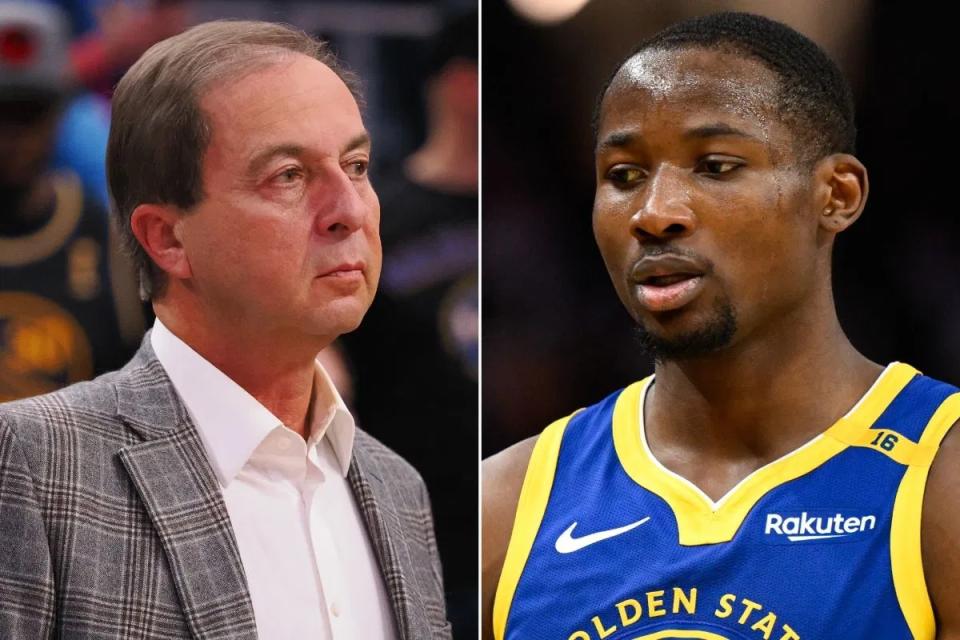
A team insider bluntly said, “Let the basketball professionals make basketball decisions.”
Last week, the Warriors finally granted Kuminga’s wish by trading him to the Atlanta Hawks in exchange for Porzingis, ending one of the NBA’s strangest five-year tenures.
“Everyone has their right and wrong, everyone shares responsibility,” another source said, “there are no winners.”
Already packed and waiting for the trade
In late December last year, during his third long DNP period this season, Kuminga had begun packing at his Bay Area home. Sources say he had anticipated the trade and was almost actively facilitating it.
He attended team events on time and cheered for teammates during games, but he brought his trainer Ant Wells to the city to train separately at other gyms outside the Warriors’ facility because he increasingly felt resistance when practicing ball-handling and playmaking in front of management and coaches.
“He hates training here,” a source said, pointing to the training court.
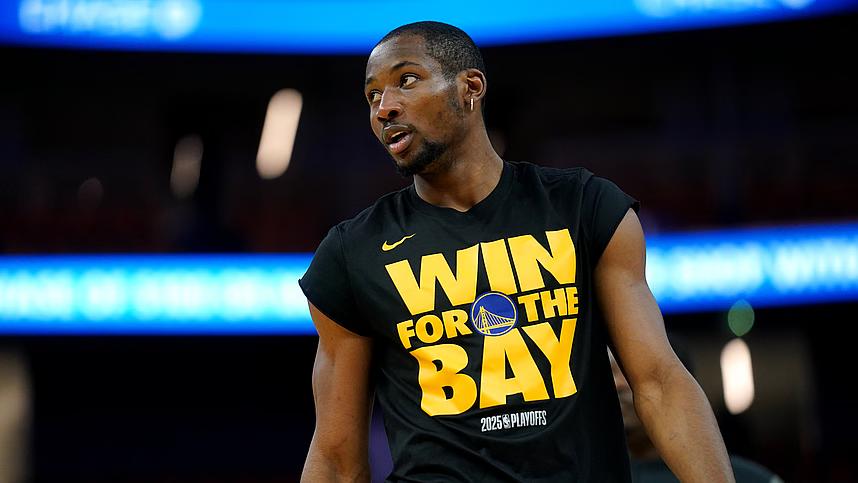
Kerr often compared Kuminga to Shawn Marion and Aaron Gordon, believing he was best suited as an energetic wing: sprinting in transition, occupying dunk spots, grabbing rebounds, and switching defensively without needing the ball. Kerr emphasized that such top-tier role players are highly valued and well-paid in the league.
But as his career progressed, Kuminga felt he had proven enough in a supporting role and deserved more stable trust and ball-handling opportunities.
The result was none of this happened as he wished, which madehim even more convinced that Kerr and GM Dunleavy only saw him as a fast, athletic player and didn’t believe he had the skills to become a core player.
In response, Kerr and Dunleavy often cited Kuminga’s low efficiency in isolation and mid-range shots as reasons. Sources say they blamed Kuminga’s agent Aaron Turner and his entourage for “training the wrong things” outside the gym, steering his career off course.
This philosophical difference affected contract negotiations, with several front office members questioning whether winning or winning on Kuminga’s terms was more important to him.
The small critiques and subtle sarcasm about his weaknesses continuously fueled Kuminga’s dissatisfaction, breeding resentment toward the coaching staff and management. His closest allies—agent Turner, trainer Wells, assistant Anthony Villain, Jimmy Butler, and others—often had to calm him down and refocus him on the ultimate goal.
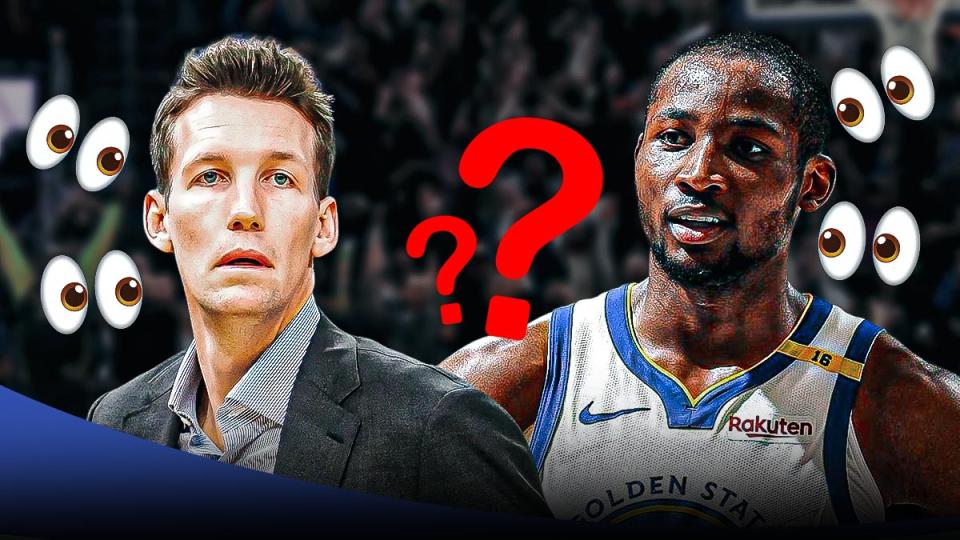
Kuminga has strong confidence in his future—he told ESPN he could become a “multiple-time All-Star.”Last May, when Curry suffered a hamstring injury and Kerr was forced to use him against the Timberwolves in the playoffs, this confidence was reinforced: he scored 18, 30, 23, and 26 points in the last four games, shooting 55%, dismantling the Timberwolves’ defense that troubled Warriors teammates.
Before the free agency market opened last July, as a restricted free agent, Kuminga trained in Cleveland for a month, with no Warriors personnel visiting him, which further convinced him thatKerr, Dunleavy, and management did not value or intend to develop him.
During a preseason training session in October, the Warriors were running a late-game offense, and assistant Terry Stotts was setting up tactics:
The instructions for starters were simple: give the ball to Curry or Butler to create opportunities;
For the bench, the instructions were vague: if Curry and Butler were not on the court, the team lacked creativity, so just give the ball to Pat Spencer and run pick-and-rolls.
Kuminga was not mentioned at all. He was furious. “These were all triggers,” agent Turner told ESPN, “all poking at him.”
Proven but never fully trusted
Despite the worsening relationship, Kuminga contributed at various stages of his Warriors career.
In his rookie season, he started three playoff games during the 2022 championship run, playing 138 minutes;
In his second season, he made a real breakthrough: with Wiggins absent for two months caring for his sick father, Kuminga averaged 24.2 minutes and 13.2 points after the All-Star break, shooting 57%, playing a key role in helping the Warriors reach the Western Conference No. 6 seed;
In his third season, with Green suspended long-term, Kuminga again got opportunities, playing 74 games averaging 16.1 points and setting a team record with 138 dunks.
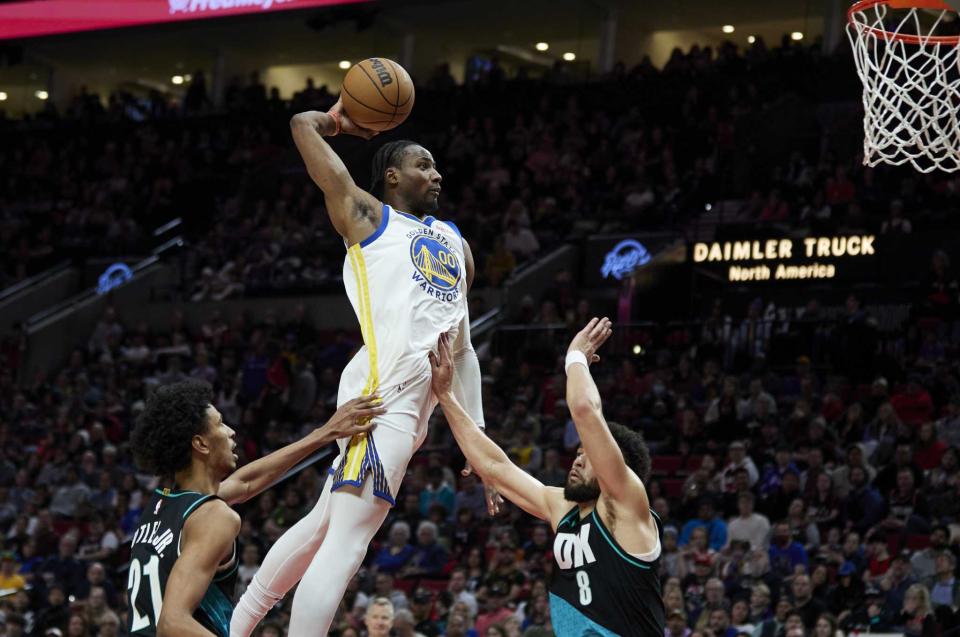
During that period, Kuminga believed Lacob and the entire management supported him. Dunleavy called him “almost untouchable” and directly told Kuminga he was seen as a “cornerstone” of the team.
But that summer’s early contract talks made no progress. The Warriors felt Turner’s expectations were too high, comparing to the Hawks’ 5-year $150 million deal for Jaylen Johnson; Turner believed the Warriors never seriously tried to re-sign him, only repeatedly emphasizing “flexibility” in negotiations.
“Kuminga has proven himself,” Green said during Kuminga’s third season, “he’s laying the foundation for this team, he’s truly our second option.”
Yet whenever the Warriors faced difficulties and Kerr sought adjustments, Kuminga was often left out.
The patient persuasion of “wait, you’ll be the cornerstone after Curry” had grown tiresome. Sources say Kuminga found this rhetoric increasingly insincere and felt the team’s view of his playing style was disrespectful.
“Regarding Kuminga and our expectations, we have always been clear,” Turner said, “the problem lies within their own internal inconsistency; they don’t even understand themselves.”
Draft root of the conflict: Lacob insisted on picking Kuminga
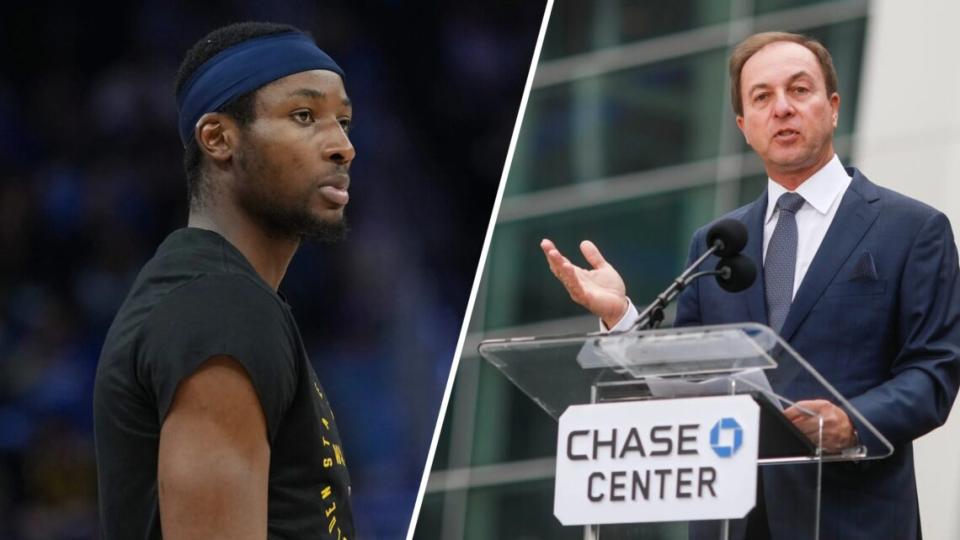
Last summer, after tense contract talks stalled for a month, Dunleavy and Lacob met Kuminga and Turner in Miami, trying to mend wounds and distrust.
The 2025 restricted free agency market was a cold shower for Kuminga and Turner, but they believed Kerr’s inability to maximize Kuminga’s skill set and his ongoing public comments about him not fitting the system were key reasons.
Sources say Lacob acknowledged the divide and flawed structure. “He didn’t even want to pick me at first,” Kuminga said during the meeting.
The Warriors selected Kuminga with the 7th overall pick in 2021, a lottery pick acquired from the Timberwolves in a trade involving Wiggins for Russell.
According to team sources, Kerr was not deeply involved in the draft at that time: he was preparing with Team USA for the Tokyo Olympics, only receiving occasional remote reports and had no clear opinion on Kuminga.
The Warriors had two lottery picks that year and tried out over 70 rookies, including Franz Wagner, who was later picked 8th by the Magic. One faction of the coaching staff attended Wagner’s tryout and firmly believed he was the perfect fit for Kerr’s system.
Six days before the draft, Lacob and then-GM Myers traveled to Miami to try out Kuminga; assistant Kenny Atkinson led the tryout and firmly believed in Kuminga until he left in 2024 to coach the Cavaliers.
On draft day, both Kuminga and Wagner were still candidates. Lacob pushed hard for Kuminga, and Myers and then-assistant GM Dunleavy did not oppose.
“Bob and I have believed for years that we need physicality, athleticism, and toughness,” Lacob said that night, “that’s what excites me about him.”
Wagner, who averaged at least 20 points over the past three years, was ultimately passed over. This draft decision became the core of long-standing internal conflicts and was seen as Lacob’s symbolic move in the post-Durant era: prioritizing talent over system, abandoning the pragmatic approach that built the dynasty.
In the following years, sources speculate Lacob publicly supported Kuminga and celebrated his highlights partly to prove his initial choice was right. This is also why he was reluctant to trade Kuminga.
This includes the 2024 trade deadline pursuit of Bulls’ Caruso, which many insiders believed was the best opportunity to act decisively. Other sources counter that the Bulls’ stance wavered late in negotiations and by then Kuminga was a key rotation player.
“Joe’s responsibility is exaggerated,” one source said, “the situation is complex, and many were very hesitant.”
Kuminga could have been part of the Warriors’ blockbuster trade pursuit of Durant at the 2025 deadline; Lacob had approved and was close to completion but was ultimately vetoed by Durant. Before the 2023 draft, there was also an opportunity to trade Kuminga to the Pacers for the 8th pick (later used on Jalen Walker).
But none of these materialized—either due to internal hesitation or external factors.
The cold war between player and coach, management and owner, continued to fester.
Refusing garbage time seen as “abandoning the team”
Last summer, Turner and Kuminga discussed sign-and-trade possibilities with the Kings and Suns. Kuminga had a video call with the Kings’ GM and coach, who promised him a core role and over 30 minutes per game, exactly the trust and growth opportunity he desired.
But the Warriors were unsatisfied with the return, showing no interest in Monk, O’Neal, Grayson Allen, or minor draft picks.
League sources revealed a common saying: Lacob would never agree.
The Warriors believed Kuminga needed to face the reality of the business environment. Kuminga, however, was tired of being a “pawn” in the team’s power struggle: unused by the coach, blocked by management, his career frozen.
Turner and Kuminga dragged external negotiations to the last moment, signing a two-year deal at the end of September. This delayed the signings of Horford, Melton, Payton Jr., and Seth Curry until after training camp, greatly frustrating Kerr. He told those involved that this was another example of Kuminga putting himself above the team.
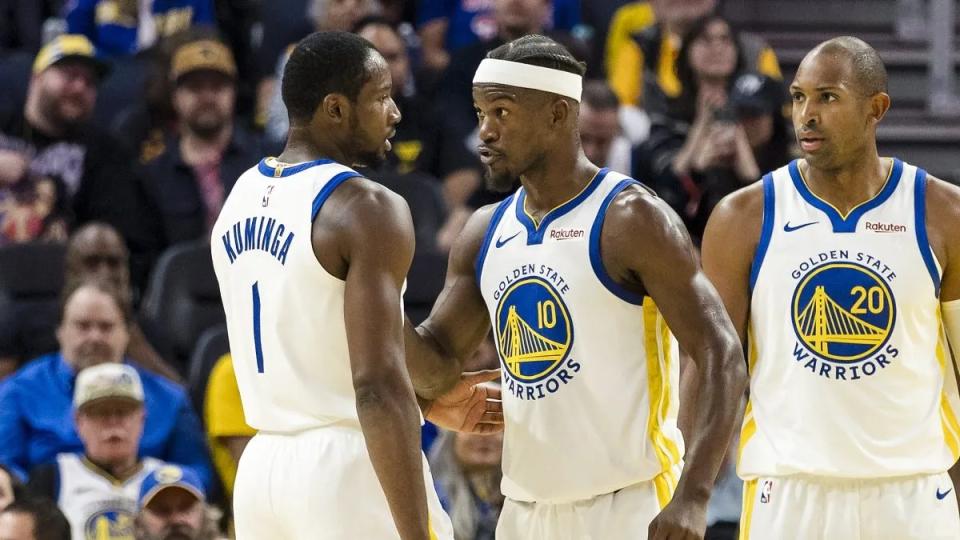
Kuminga’s teammates publicly supported him until the end but were also fed up with the endless drama.Butler took good care of Kuminga, who regarded him as a true mentor. Butler told some people he felt the team treated Kuminga with a double standard.
“Everyone likes him,” Kerr said, “I like him, he’s a great guy, fits in well, popular in the locker room. Just not the right fit.”
The last straw before the December 10th explosion
Three days before the clash in Kerr’s office on December 10, Kuminga did not play in the Warriors’ win over Chicago, marking the first time in his five-year career he was completely sidelined.
After the game, reporters surrounded Kuminga’s locker for five minutes asking about rotation issues. Kuminga said he would accept it, stay ready, and that his relationship with Kerr was fine. But these official remarks did not reflect his true private feelings.
After the reporters left, he stopped ESPN and asked:
“Did you ask him about me?”
The reporters had indeed asked. About 15 minutes earlier, Kerr was asked why Kuminga was again completely benched. Kuminga wanted to see the interview clip.
“In the league, except for stars, everyone experiences this,” Kerr said.
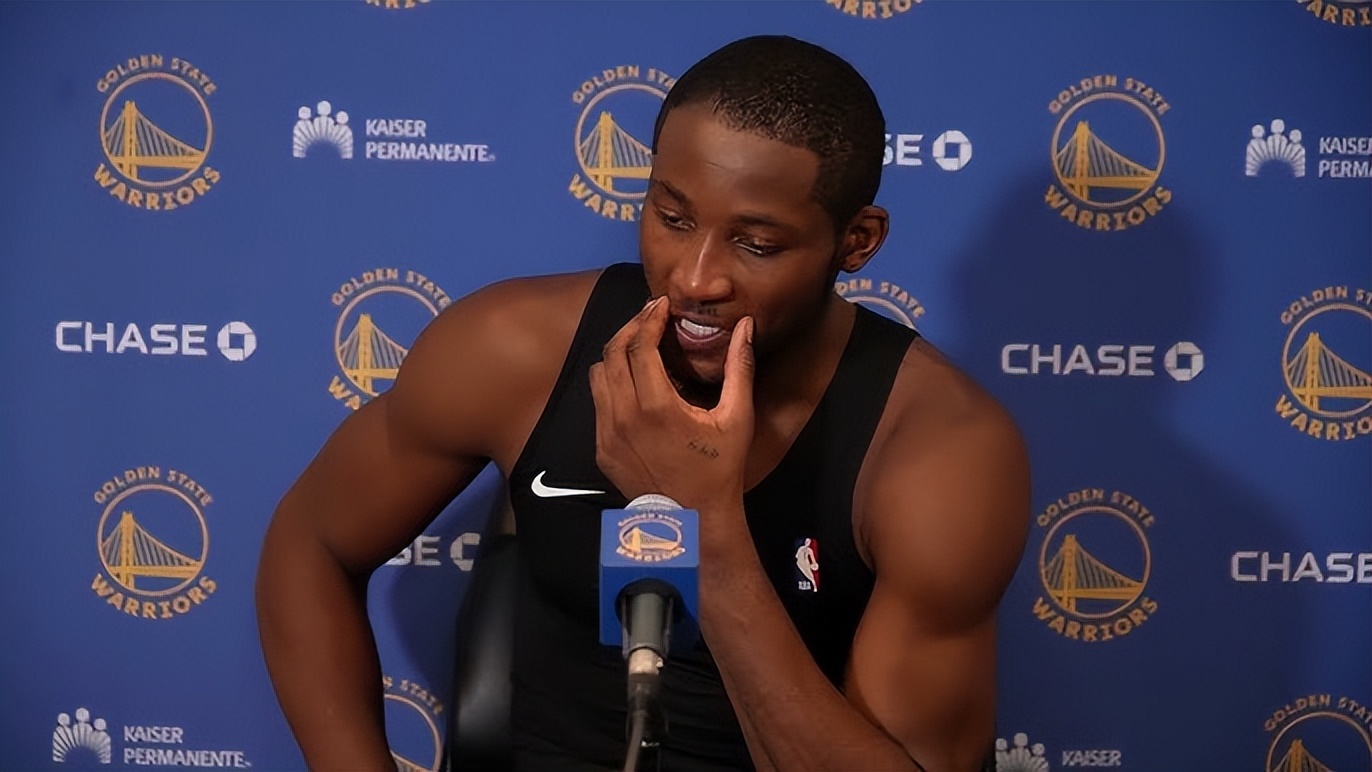
Kuminga took this last sentence as another subtle slight, publicly reminding everyone he was not the kind of core player he envisioned. “See,” Kuminga said, “that’s the kind of nonsense I’m talking about. Why does he have to say that?”
Kuminga started the first 12 games of his fifth season, serving as the offensive and defensive core of the Warriors’ 4-1 start. Kerr even declared him a fixed starter, and for a time it seemed things might really be different this time.
But insiders warned history was likely to repeat itself.
The Warriors quickly slumped, and the starting lineup space issue unfolded as Kerr predicted. He wouldn’t bench Green or Butler, so Kuminga was removed from the starting five.
Kuminga’s knee began bothering him the night before the Oklahoma City game; he played 12 minutes in the first half before leaving. The Warriors then routed the Spurs led by Curry’s 46 points.
After the game, Kerr said the Warriors “rediscovered” their team identity: “That’s how our team should be.”
Sources say Kuminga interpreted this as meaning his style did not fit the team’s core identity, and once again he became a convenient scapegoat. The wounds from the past five years were easily reopened.
Kuminga took a long time to recover from patellar tendinitis, which frustrated Kerr and management.
“I never beat around the bush,” Kerr told ESPN, “I’m honest with media and players. Sometimes you have to tell players what they don’t want to hear. I believe this is overall a healthy coaching approach. I’ve surely said things that hurt him, but nothing I said was inflammatory.”
In the following two months, Kuminga played only 117 more minutes for the Warriors, including 16 consecutive DNPs.
During this time, sources say the team offered him playing time four times, and he declined three garbage time opportunities; on January 2nd against the Thunder, Kerr said he would give him significant minutes with Curry, Butler, and Green out, but Kuminga missed the game citing back soreness.
Coaching and management saw this absence as an unofficial farewell, a sign he had given up on the team.
Kuminga, however, believed the team abandoned him first. From long stints on the bench to suddenly being put on national TV against the defending champions, he saw it as intentional humiliation. He declined the “emergency backup” role due to muscle soreness from strength training.
Trade completed: no winners, only closure
Weeks before the trade deadline, several front office members described the type of player the Warriors now needed:
A tall wing who can score, impact the game with athleticism in multiple ways, willing to be a finisher rather than the primary initiator.
“Basically, the Kuminga from a few weeks ago,” a source inside the team said, “or how he was in his third season.”
But even Kuminga’s strongest supporters (including Butler) understood there was no future here. Priorities and goals were seriously misaligned, development was a mess, and the relationship was irreparably broken.
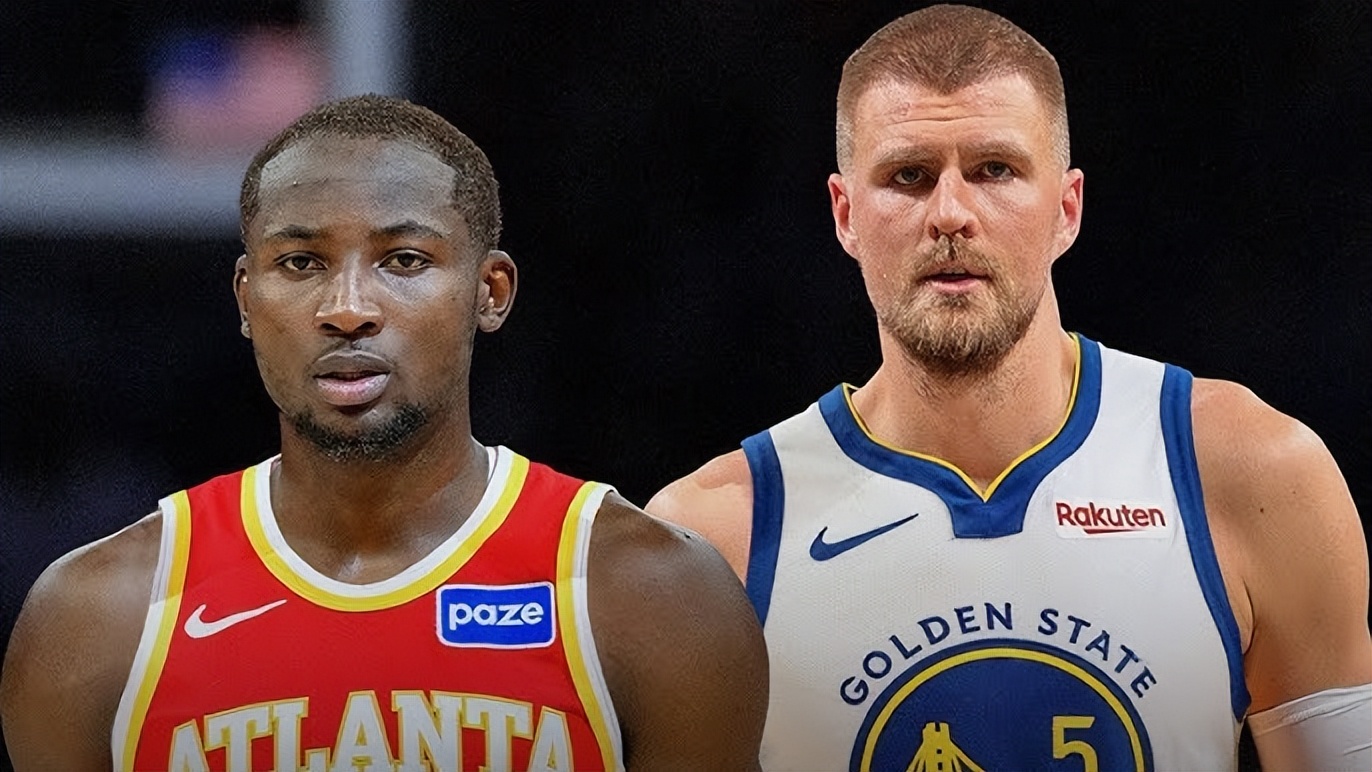
Eventually, the Warriors traded him to the Hawks for the expiring Porzingis contract. Kuminga will make his Hawks debut after the All-Star break.
The road ahead is not entirely bright but marks a fresh start. Excuses will gradually fade, and whether his talent can flourish as those around him believe—but Kerr and Dunleavy never did—time will tell.
Kerr recently expressed regret, admitting responsibility for the most emblematic failure of the dual-track team-building strategy. Dunleavy simply agreed with Kerr’s statement. Lacob declined to comment on the report. Kuminga has not publicly spoken about his departure.
“The Warriors underestimated Kuminga; we saw more in him,” agent Turner said, “the bet is placed, the game begins. Let’s see who’s right.”


Wonderfulshortvideo
LaMelo knocks down the tough one-legged three 😮💨


This game was cinema 🙌
"It's the shhh with a hyphen." More Slovenian lessons 😂
This sequence was INSANE 🤯
Jaxson Hayes really brought out the eastbay slam 😱
What a FANTASTIC FINISH by the @warriors 🤩
The @Charlotte Hornets win their 8th straight, their longest single-season win streak since 1999 🥳
 Links
Links
 Contact
Address:UNIT 1804 SOUTH BANK TOWER, 55 UPPER GROUND,LONDON ENGLAND SE1 9E
Number:+85259695367
E-mali:[email protected]
 App
App


