



Harden’s move to the Cavaliers is a path with no turning back.


Harden was rapidly traded to the Cavaliers; the news emerged yesterday and the transaction was completed today. If all NBA trades operated this smoothly, it would be ideal.
The trade was very simple because Harden’s and Garland’s salaries for this season are almost the same, so no additional pieces were required to match the salaries. Therefore, the Clippers traded Harden, and the Cavaliers sent Garland along with a second-round pick, finalizing the exchange.
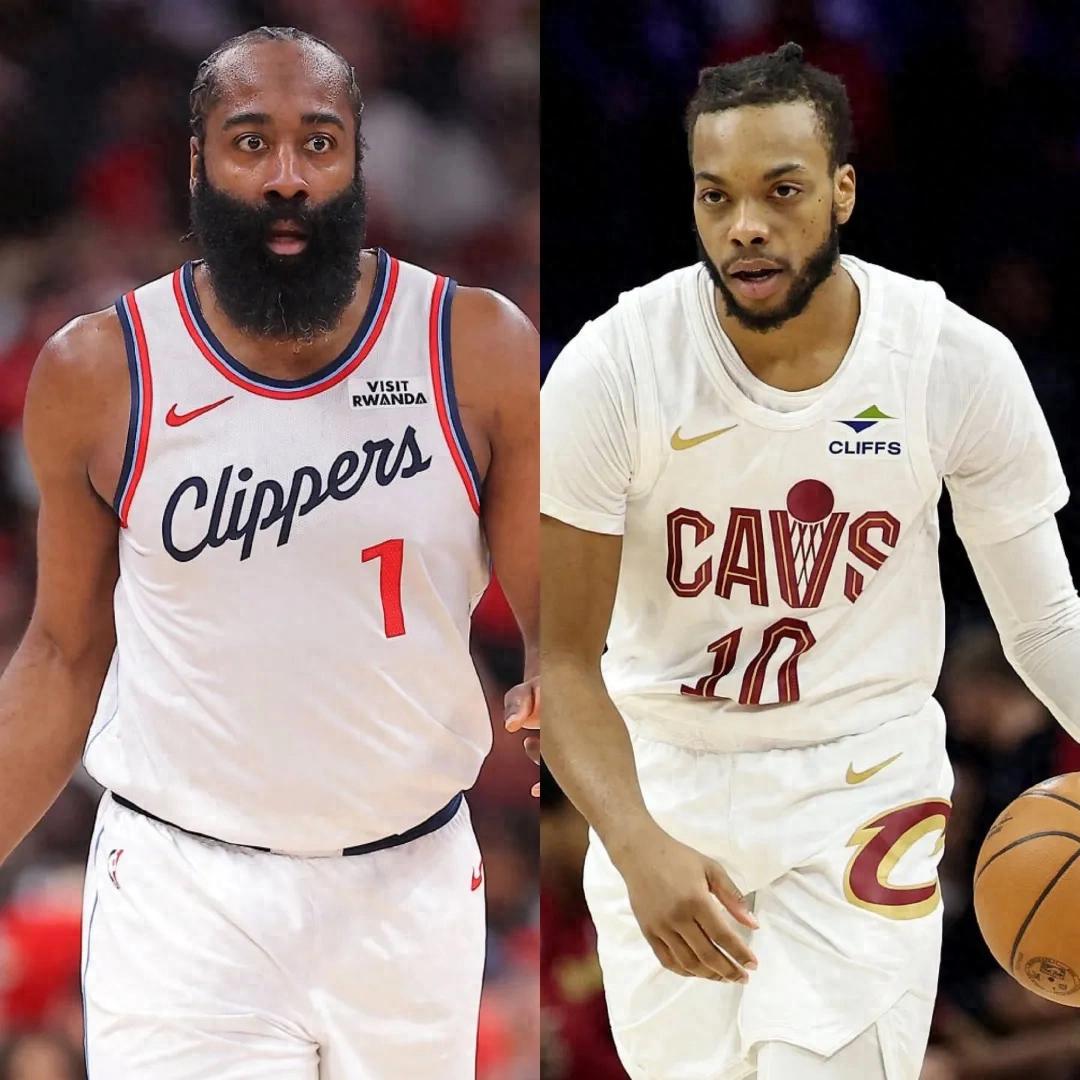
Although the trade happened quickly, some interesting rumors surfaced throughout the day. Initially, the Cavaliers even demanded a first-round pick from the Clippers, which drove the Clippers crazy—why would they have to give a first-round pick when they are already taking on Garland’s big contract?
However, this was likely just a negotiating tactic by the Cavaliers, starting with a high demand and then gradually lowering it to create the illusion of having the upper hand in negotiations. In the end, they only gave up a second-round pick to offload Garland’s large contract. When the Cavaliers first decided to move Garland, I thought they’d have to include a first-round pick to get it done. Unexpectedly, the Cavaliers paid little cost and gained a player like Harden, actually improving their current competitiveness.
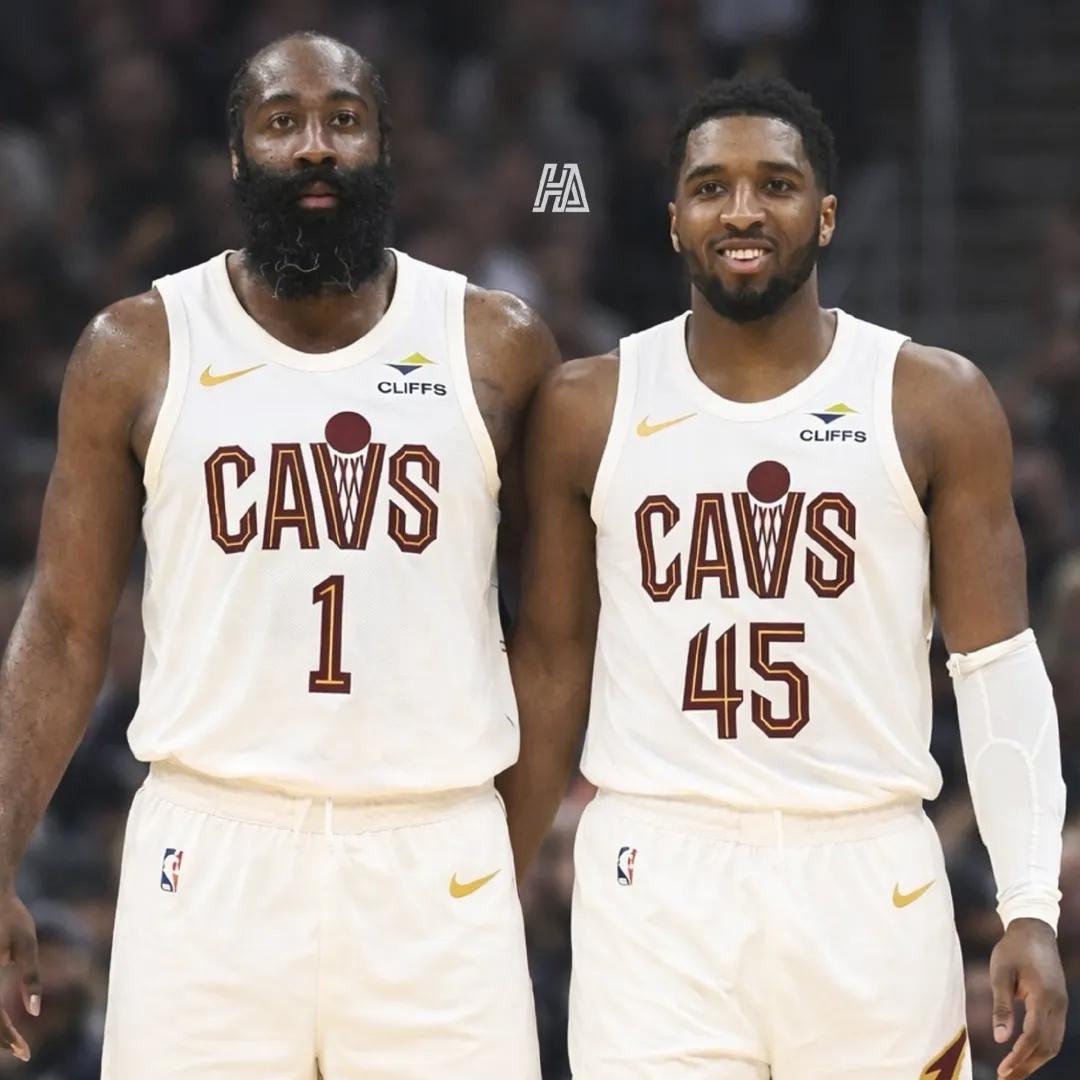
What’s puzzling is that Harden’s main reason for wanting to leave the Clippers was their unwillingness to offer him a fully guaranteed two-year $80 million contract, while the Clippers took on Garland, whose contract over the next two seasons exceeds $87 million.
The Clippers’ reluctance to give Harden a two-year extension largely stems from their long-term plan for 2027, but ironically, Garland’s contract is bigger and longer than the deal Harden wanted. The plausible explanation is that Garland is young and could potentially improve beyond his current level.
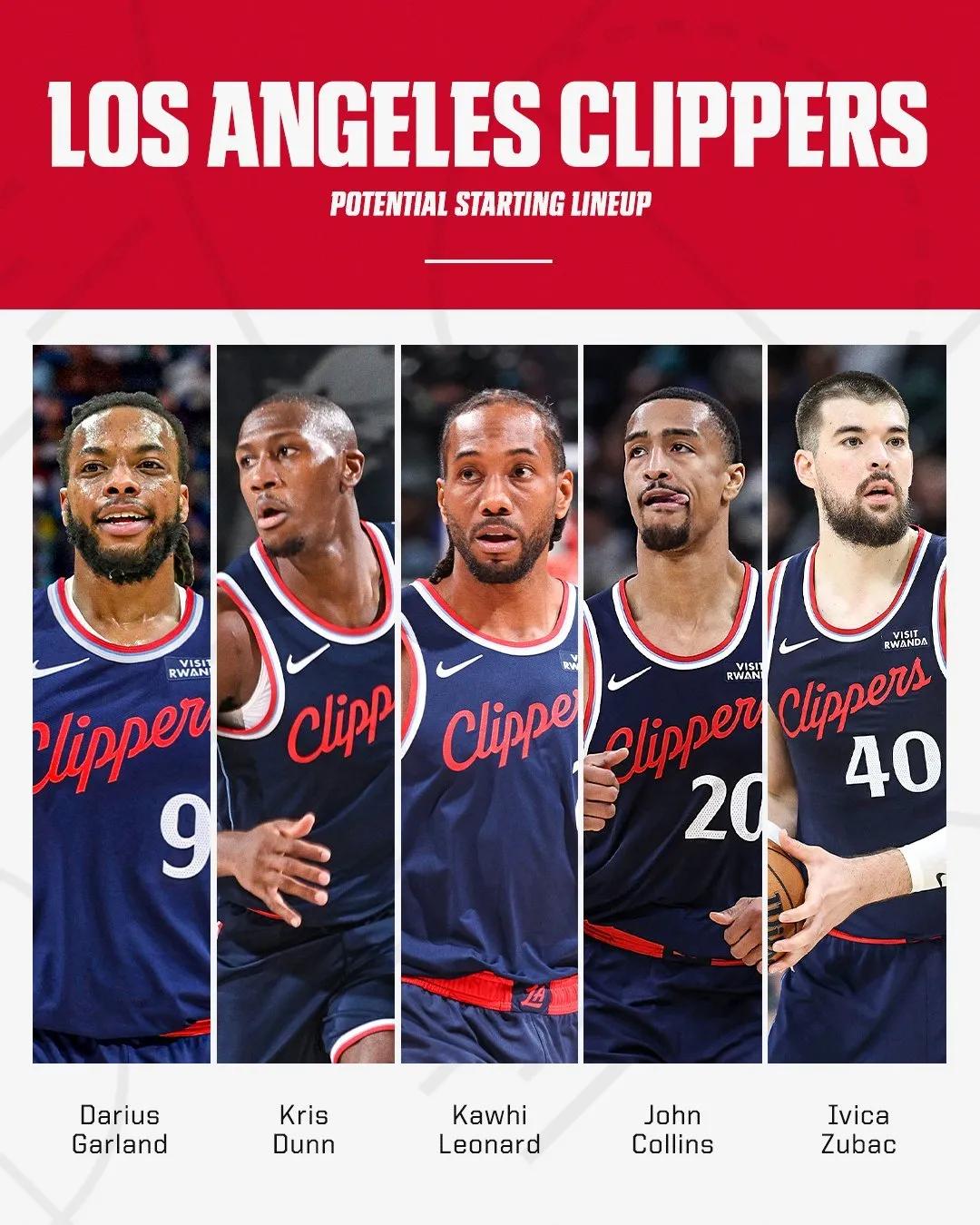
On paper, the Clippers’ roster is definitely weaker now than when Harden was there. Garland averages 18 points and 6.9 assists, but his three-point shooting is only 36%, and he has played just 26 games this season, showing poor availability. Meanwhile, Harden averages 25.4 points and 8.1 assists, with better attendance and leadership on the court.
Looking at this trade alone, the Clippers are clearly the losing side. However, after Harden requested a trade, the Clippers sent him to his preferred destination, showing good faith and parting on amicable terms.
Compared to staying with the Clippers, Harden theoretically gets closer to a championship by joining the Cavaliers. This season, the Clippers and Cavaliers might be evenly matched, but the Cavaliers play in the Eastern Conference, while the Clippers’ chances of advancing out of the Western Conference are almost zero. With Harden added, the Cavaliers have a decent shot at making a deep run in the East.
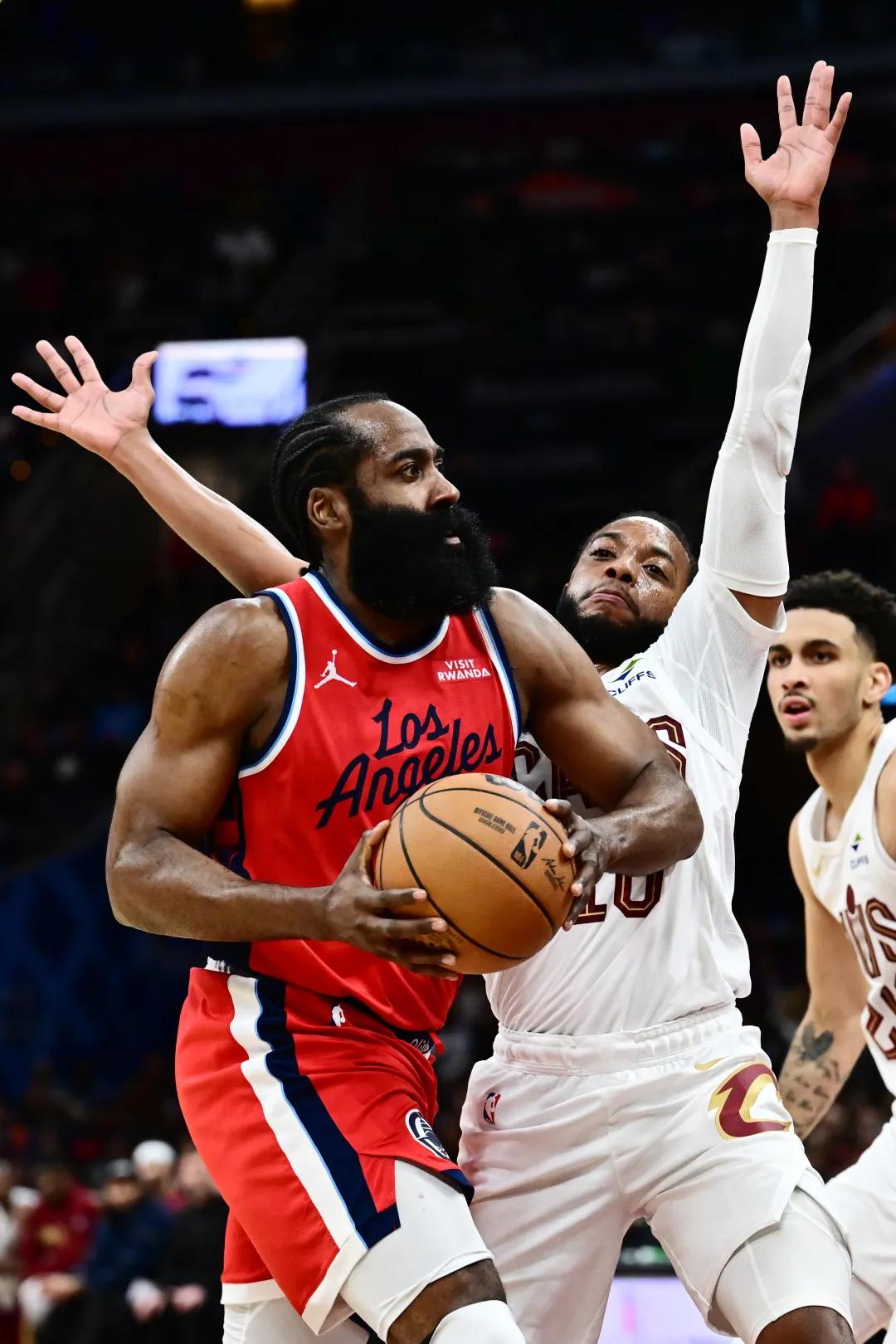
The backcourt pairing of Harden and Mitchell would have been insanely strong five or six years ago. Even with this season’s Harden combined with Mitchell’s near 29 points per game, they still represent a powerful force in the Eastern Conference.
The Cavaliers’ current starting lineup of Harden, Mitchell, Tyson, Mobley, and Allen is quite promising. Don’t forget they also have players like Schröder, Ellis, and Strus on the roster. The big men are not included here, as they will almost certainly be moved.
The Cavaliers have finally regained a version of LeBron James, just a different one—one who fits their current roster better. As the team with the highest payroll in the league, they have no time to focus on the future; every step is aimed at winning now.
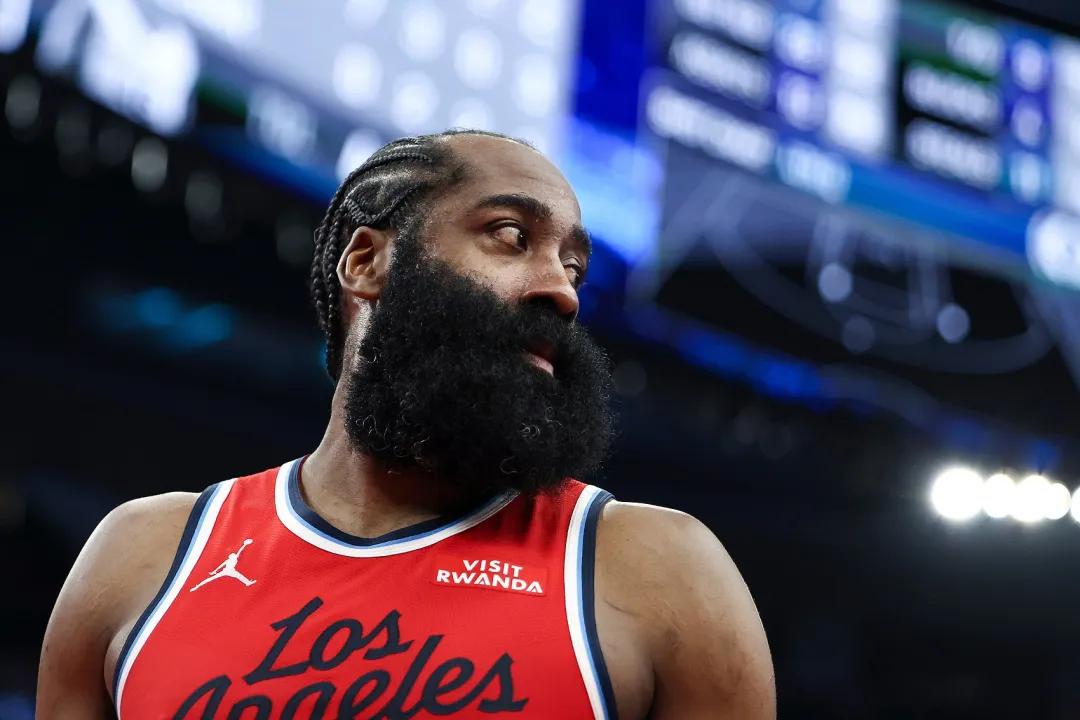
The Clippers were probably the happiest team Harden has played for since leaving Houston. In just two and a half seasons, Harden set multiple franchise records: most triple-doubles, seventh in three-pointers made, sixth in assists, and this season he scored the franchise’s single-game high of 55 points.
Jokingly speaking, this time Harden really “left without owing anything.” Although the team failed to win a playoff series in both seasons, Harden carried the team during George’s and Leonard’s absences. It’s been less than two years since their last passionate playoff run, but many of those players have now left.
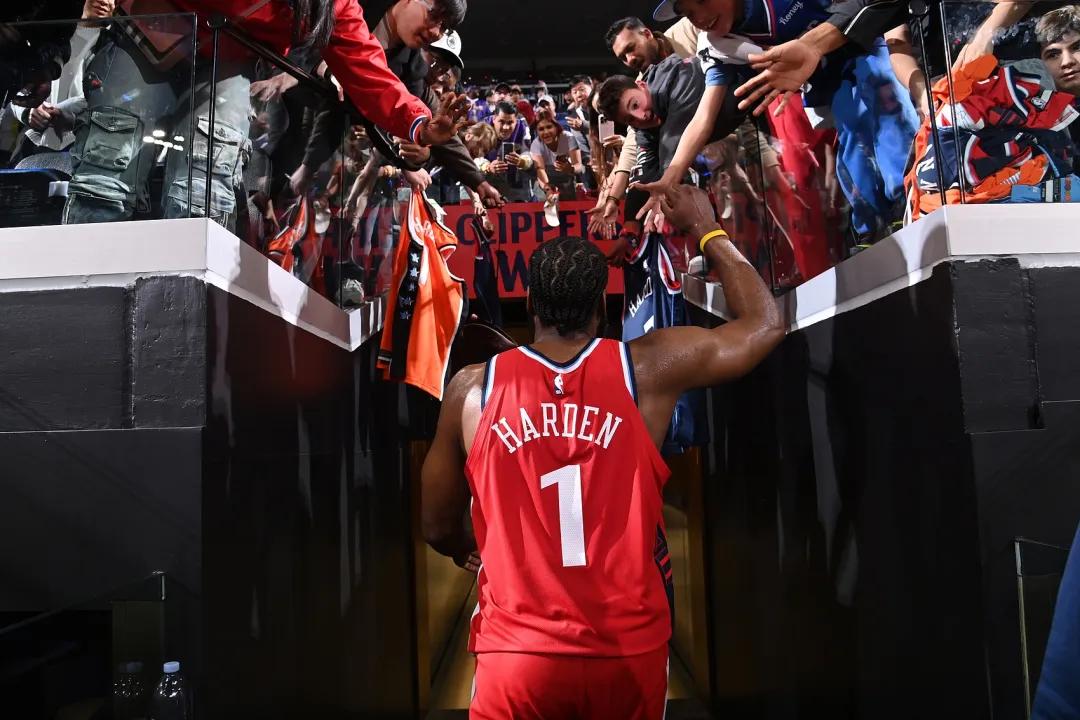
On this turbulent ship, Harden never seemed to have a stable ticket to the future. He gave everything he had, only to realize the ship was sailing further away from his destination, so he decided to disembark early.
At 36 years old, his window to chase a championship as a core player is limited to a year or two. Los Angeles is his hometown, but he can no longer afford to wait. Five years ago, he left Houston, passed through Brooklyn, Philadelphia, and Los Angeles, and now he boards a flight to Cleveland.
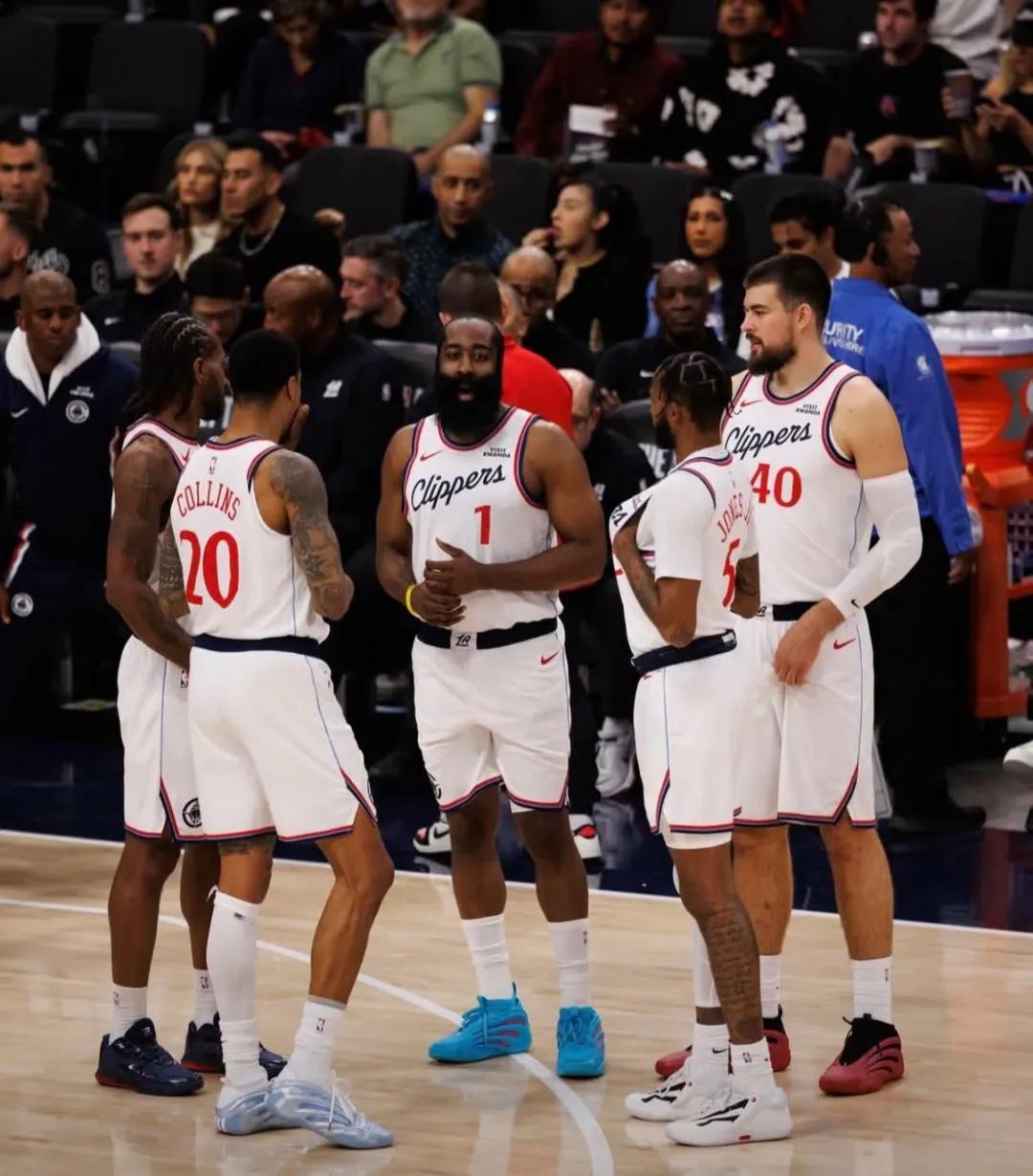
This is a road with no return; amid the jeers, Harden can only keep moving forward.


Wonderfulshortvideo
Who’s the most famous person in Snoop’s phone?


"It's the shhh with a hyphen." More Slovenian lessons 😂
Jaxson Hayes really brought out the eastbay slam 😱
Short… SIKE
What a FANTASTIC FINISH by the @Phoenix Suns 🤩
This was too tough 💪 💥
Wemby drains the tough middy 🔥
 Links
Links
 Contact
Address:UNIT 1804 SOUTH BANK TOWER, 55 UPPER GROUND,LONDON ENGLAND SE1 9E
Number:+85259695367
E-mali:[email protected]
 App
App


