



Six years, five teams, one final push! Data analysis of Harden joining the Cavaliers: he and Mitchell make 1+1 greater than 2.



On February 4th Beijing time, as reported by Shams, the Los Angeles Clippers sent Harden to the Cleveland Cavaliers, receiving Garland and a 2026 second-round pick from Cleveland in return. ESPN expert Pelton evaluated the influence of Harden joining the Cavaliers through data analysis.
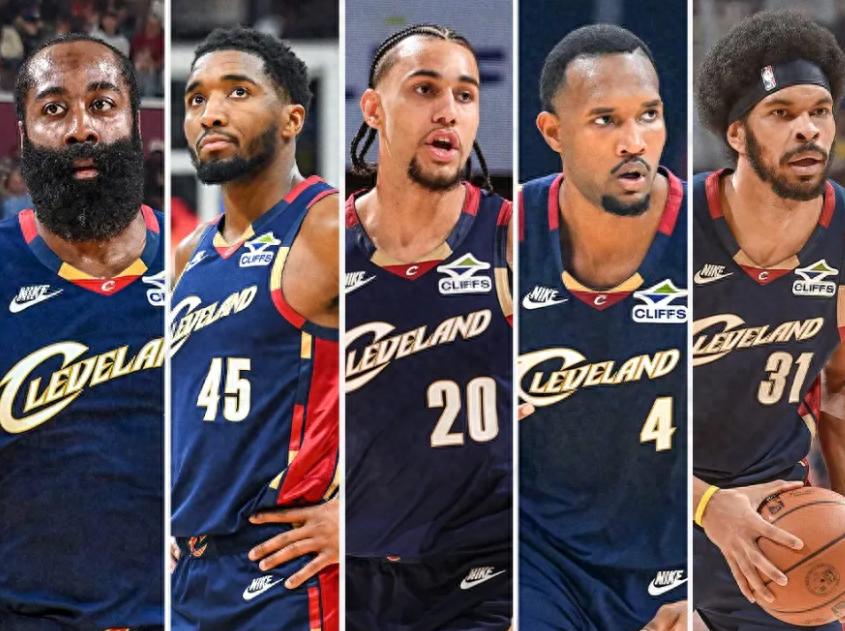
The key importance of this trade for the Cavaliers lies in Harden providing a vital spark to their offense. Last season, the Cavaliers led the league in offensive efficiency with 64 wins, but this season their offensive efficiency has dropped to eighth place.
Garland’s toe injury is a major factor behind the offensive decline. He has struggled with toe issues since April last year, and surgery during the offseason failed to resolve it. Shortly after returning in November, his old left foot injury flared up again, and now he is sidelined due to a sprain in his right big toe.
Even in games he played, Garland’s three-point shooting percentage dropped from 40% last year to 36%, his usage rate declined, and his steal rate fell to the lowest since his rookie season. These struggles are directly reflected in the team’s performance: according to NBA advanced stats,when Garland is on the court, the Cavaliers have a net rating of minus 3.0 points per 100 possessions, the worst among all players with over 500 minutes played this season.
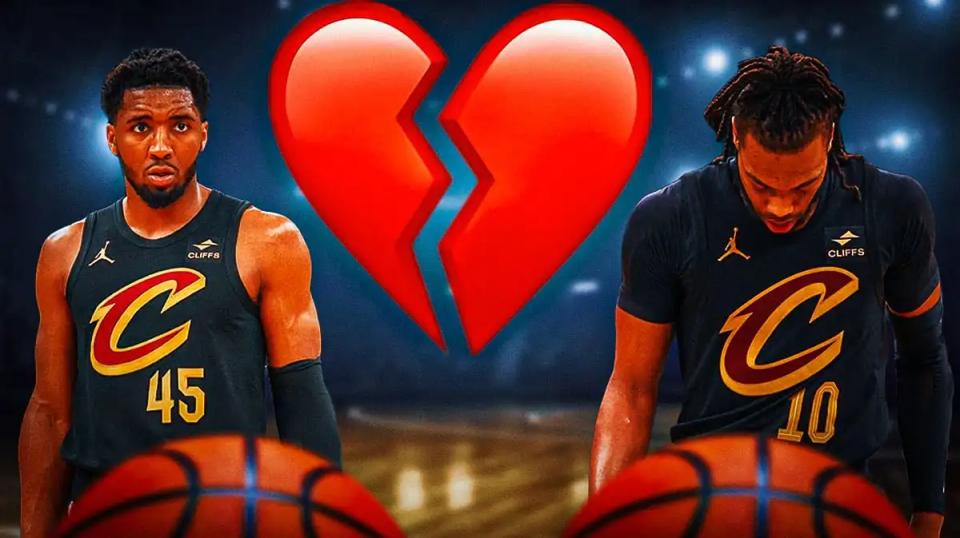
To remain competitive, the Cavaliers heavily rely on Mitchell. He averages 33.9 minutes per game with a usage rate at its highest since his time with Utah. If Mitchell is absent, it could be devastating for the Cavaliers—they are currently only two games behind the second place in the East but just three games away from falling into the play-in tournament.
More importantly, the Cavaliers want to ease Mitchell’s burden. In last season’s playoffs, Mitchell suffered a calf strain and ankle sprain, shooting only 24.5% from three-point range in the Eastern Conference semifinals against the Pacers.
At 36 years old, Harden remains at an All-Star level. This season, he ranks 11th on ESPN’s Win Above Replacement Player (WARP) list, the highest among players not selected as All-Stars.Before missing the last two games due to personal reasons, Harden played 44 out of 47 games this season, averaging 35.4 minutes per game.
Although both Harden and Mitchell require ball possession, Cavaliers coach Atkinson is trusted to apply Harden’s past experience to keep both players healthy and energized.
Back when Harden partnered with Paul on the Rockets, coach D’Antoni strictly staggered their playing time to ensure there was always a playmaker on the court during close games. Harden and Paul shared only about 20 minutes per game on the floor together, with Harden controlling the ball alone for approximately 15 minutes and Paul for about 12 minutes.
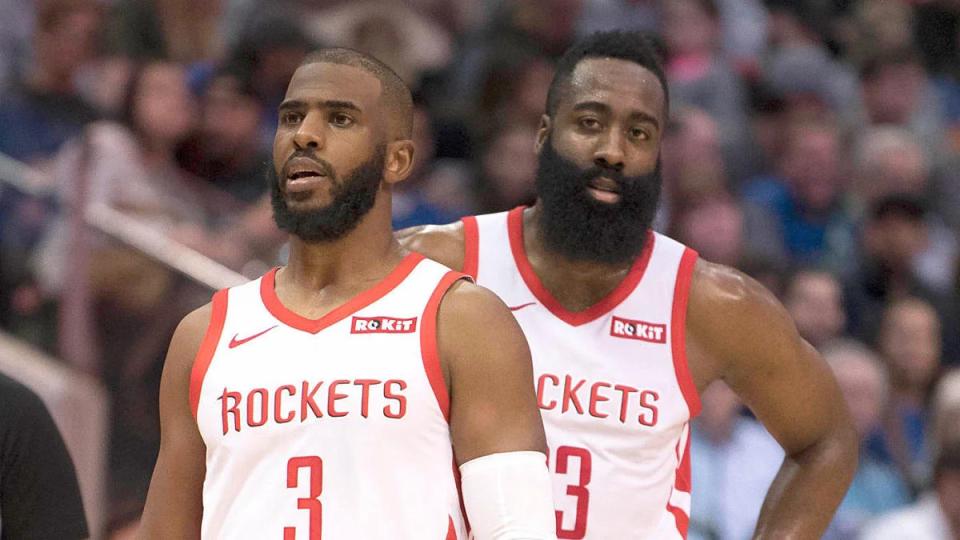
The current playing time distribution between Harden and Mitchell also suits a similar rotation, meaning their shared court time might be less than half a game. In this scenario, Harden’s Brooklyn days serve as an excellent model.
While playing alongside Durant and Irving on the Nets, Harden had a usage rate of 28% (close to Garland’s 27% last season), yet averaged over 10 assists per game. Considering Mitchell’s experience playing off-ball with a pure point guard and Allen and Mobley’s finishing ability in pick-and-rolls, Harden can replicate this success with the Cavaliers.
On defense, Harden’s 1.96-meter height provides more flexibility compared to the shorter backcourt of 1.85-meter Garland and 1.88-meter Mitchell. With Mobley’s defensive versatility, Harden can even use his strong post defense skills to occasionally guard power forwards.
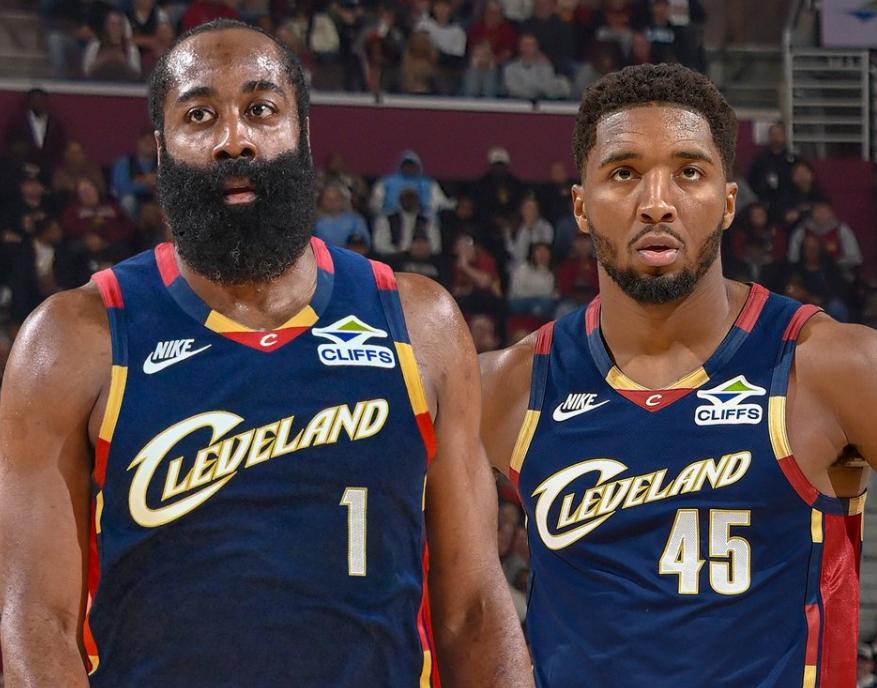
Of course, given Harden’s historically underwhelming playoff performances, there are concerns for a Cavaliers team aiming for the Finals. However, this Cavaliers squad is not the unstoppable team from last season; even without a trade, their most likely outcome is elimination in the first two rounds, similar to the past three seasons.
No one understands Garland’s health better than the Cavaliers. If they conclude that Garland cannot reliably return to his All-Star level from last season, then letting him go now is a sensible decision.
Harden is the best player the Cavaliers could acquire in a one-for-one trade. They must consider Harden’s player option for the 2026-27 season, but if it helps them reach the Eastern Conference Finals for the first time since LeBron’s departure in 2018, they would certainly be willing to pay that price.


Wonderfulshortvideo
Who’s the most famous person in Snoop’s phone?


"It's the shhh with a hyphen." More Slovenian lessons 😂
Jaxson Hayes really brought out the eastbay slam 😱
Short… SIKE
What a FANTASTIC FINISH by the @Phoenix Suns 🤩
This was too tough 💪 💥
Wemby drains the tough middy 🔥
 Links
Links
 Contact
Address:UNIT 1804 SOUTH BANK TOWER, 55 UPPER GROUND,LONDON ENGLAND SE1 9E
Number:+85259695367
E-mali:[email protected]
 App
App


