



Zhi Zhi Wang inducted into the Hall of Fame! The fifth figure in Chinese basketball history



FIBA announced the 2026 Hall of Fame list, with Wang Zhizhi inducted as a player.
He is the fifth Chinese basketball figure to be enshrined in the FIBA Hall of Fame, following Mou Zuoyun (2019, coach), Zheng Haixia (2021), Yao Ming (2023), and Miao Lijie (2024).
It should be noted that the FIBA Hall of Fame is not the same as the Naismith Basketball Hall of Fame that we often talk about.
The FIBA Hall of Fame was initiated by the International Basketball Federation (FIBA) in 2001 and officially established in 2007 to honor athletes, coaches, and other contributors who have made outstanding contributions in international basketball competitions worldwide.
Its main purpose is to recognize those who have made exceptional contributions in international basketball events such as the World Cup and the Olympics.
Candidates must meet two key criteria: achievements on the international stage and contributions to the globalization of basketball.
The four Chinese basketball figures previously inducted—Zheng Haixia, Miao Lijie, and Yao Ming—are all well known to us.
Two legendary women’s basketball players and the all-time leading man in Chinese basketball history.
Mou Zuoyun, inducted as a coach, is a veteran pioneer in basketball and can be considered a founding figure.
The CBA championship trophy is even named the “Mou Zuoyun Cup.”
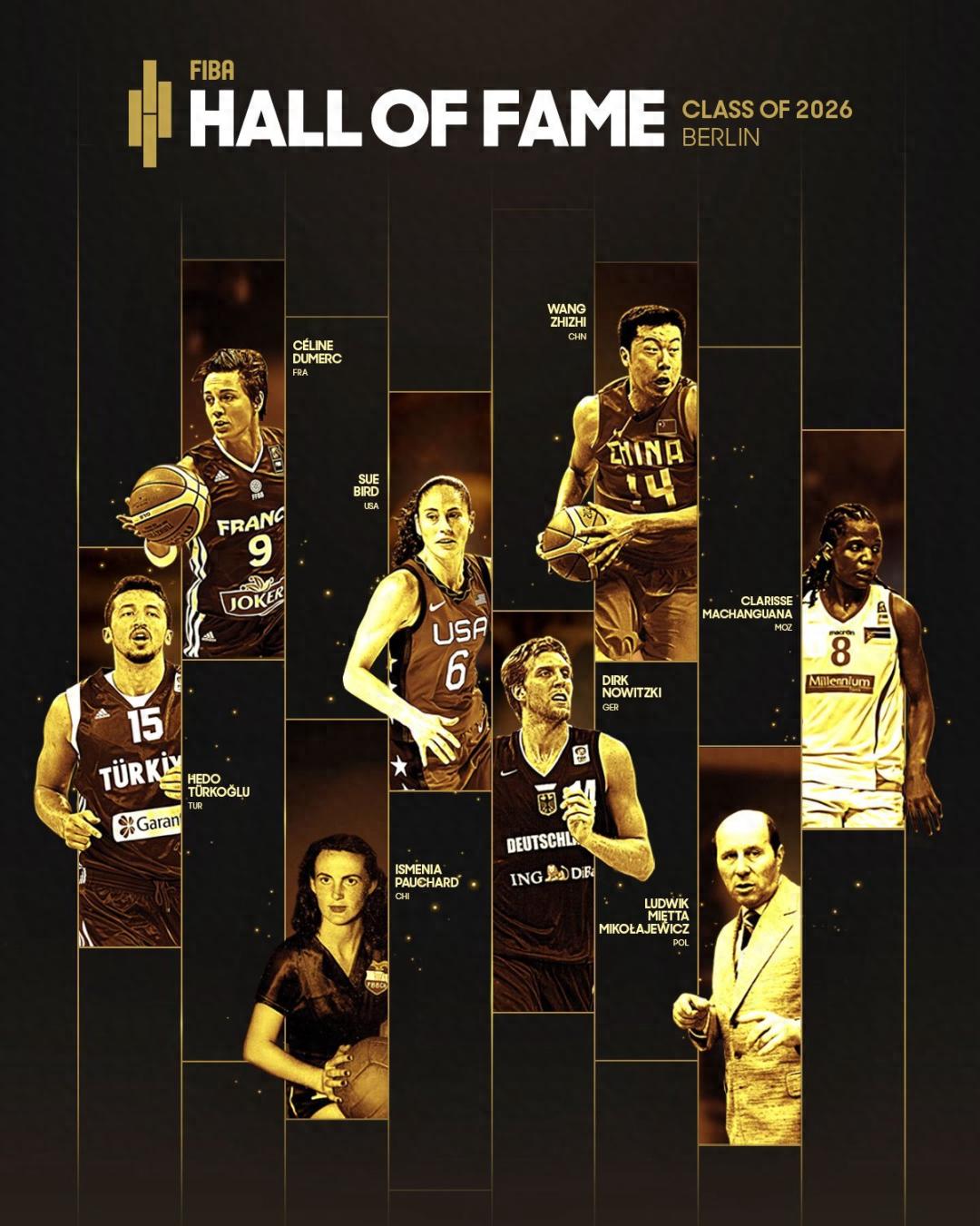
This year, the swift young player Wang Zhizhi received this distinguished honor.
Among those inducted alongside him are familiar names: German superstar Dirk Nowitzki, American women’s basketball legend Sue Bird, and Turkish forward Hedo Türkoğlu.
Objectively speaking, Wang Zhizhi’s tangible basketball achievements do not match those three. His dominance was mainly limited to the CBA and Asian basketball level.
For example, four Asian Championship titles and three Asian Games gold medals...
His best result in world competitions was eighth place.
Given this, why was he selected?
FIBA specifically highlighted Wang Zhizhi as “one of the representatives of China’s mobile Great Wall,” recognizing his breakthrough contributions to basketball development in Asia and worldwide.
This corresponds to the second selection criterion: contributions to globalization.

He was drafted by the Dallas Mavericks in 1999 and officially debuted in the NBA in 2001, becoming the first Asian player to appear in an NBA regular-season game, breaking the barrier for Chinese players competing in the world’s top league.
Many controversies arose during this process, but looking back now, one must say:
Wang Zhizhi was a true trailblazer.
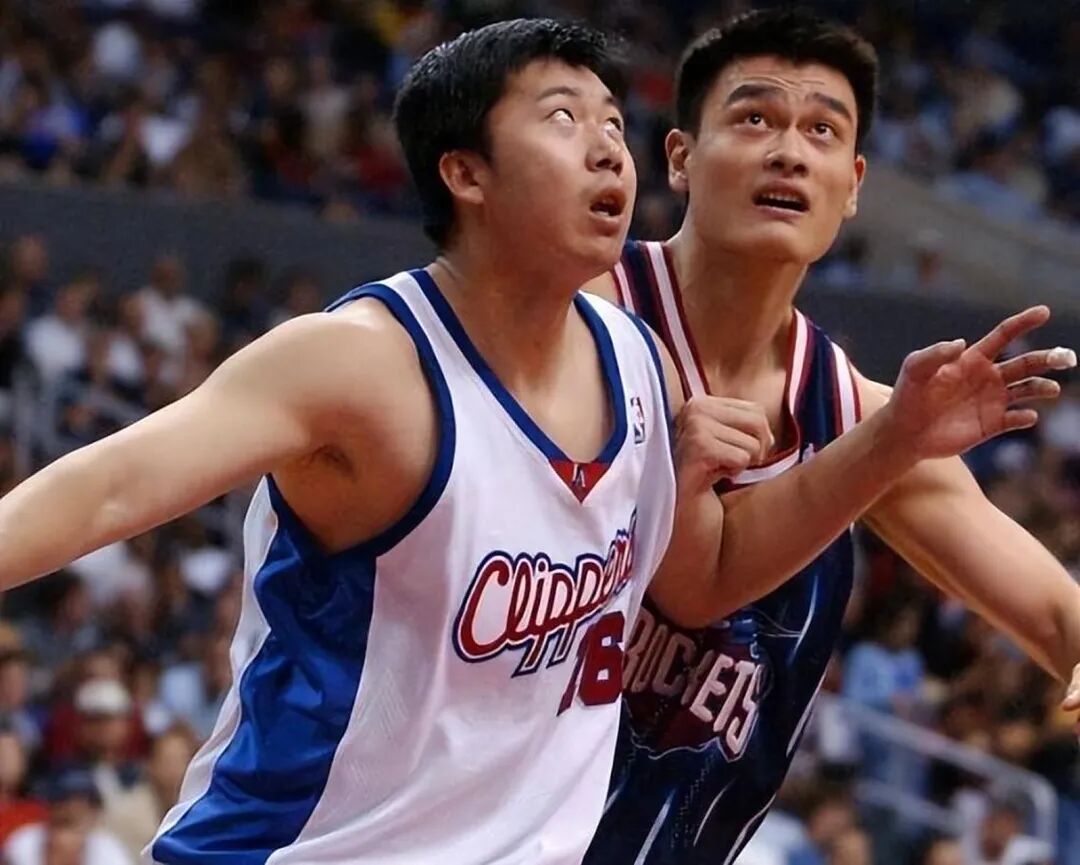
Yao Ming once said this:
“If it weren’t for me, Yao Ming, you Wang Zhizhi would still be yourself and would have succeeded early. But if it weren’t for you Wang Zhizhi, I, Yao Ming, might not be who I am today!”
This is not mere flattery.
Without Wang Zhizhi’s pioneering efforts, would we have seen the successive emergence of players like Yao Ming, Yi Jianlian, Zhou Qi, and Yang Hanshen?
Wang Zhizhi’s professional career had many regrets.
Yet it was full of brilliance and greatness.
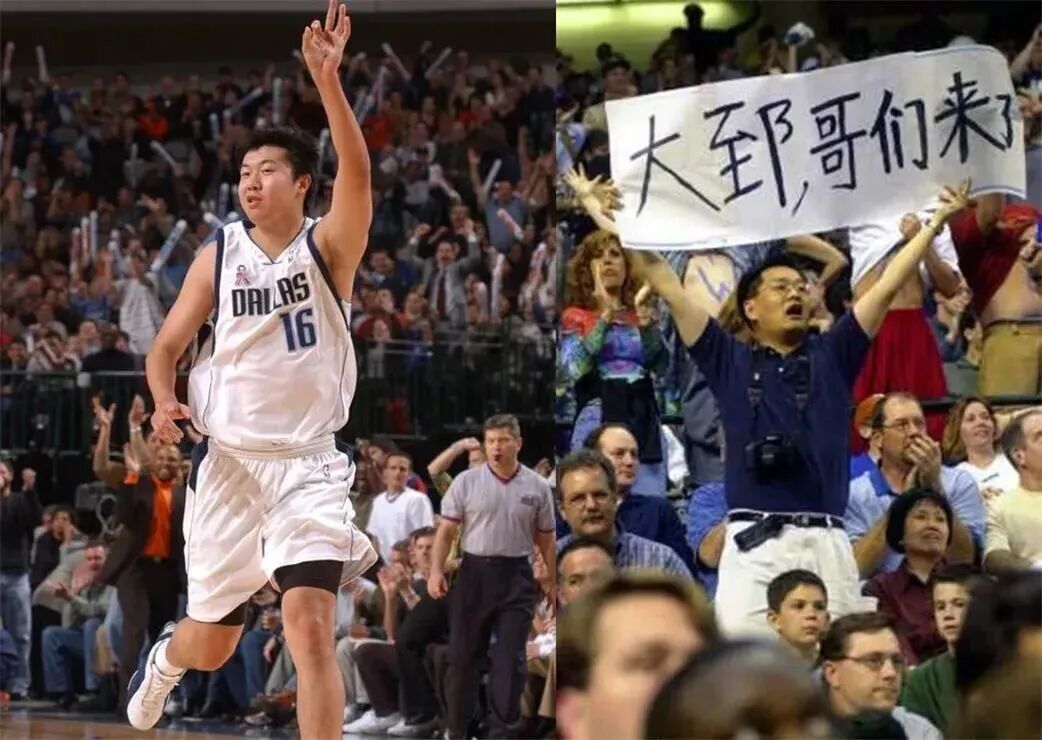
There’s no need to elaborate further on his basketball career.
Today, what I admire most about Wang Zhizhi is still his uniqueness.
Zhu Fangyu once said:
“Wang Zhizhi was the first in the national team to have a mobile phone and laptop, and he is the only person I know who still doesn’t use WeChat. We contact each other only by calls or texts.”
In places requiring QR code payments, Wang Zhizhi insists on using cash, pointing out: “The biggest problem with phones is that they stop people from communicating face to face.”
This is a rebel in an age of impatience.
Why do I deeply respect him?
Because I can’t go anywhere without my phone...


Wonderfulshortvideo
LaMelo knocks down the tough one-legged three 😮💨


This game was cinema 🙌
This sequence was INSANE 🤯
Jaxson Hayes really brought out the eastbay slam 😱
What a FANTASTIC FINISH by the @warriors 🤩
The @Charlotte Hornets win their 8th straight, their longest single-season win streak since 1999 🥳
This was too tough 💪 💥
 Links
Links
 Contact
Address:UNIT 1804 SOUTH BANK TOWER, 55 UPPER GROUND,LONDON ENGLAND SE1 9E
Number:+85259695367
E-mali:[email protected]
 App
App


