



CBA domestic players face a "crisis"!



Sharing a personal feeling after three days of the CBA season:
The marginalization crisis of domestic players.
This season, the league’s format has changed significantly.
The crisis caused by the update is directly facing every local player: there is no space for so many marginal players.
The new CBA season fully aligns with FIBA rules, reducing each quarter from 12 minutes to 10 minutes, cutting overall net time by about 20% and greatly lowering the margin for error.
However, the foreign player policy remains unchanged, still allowing 7 foreign player appearances across 4 quarters, with only one foreign player allowed in the final quarter.
With less time, teams rely more on the individual ability of foreign players for quick scoring, weakening the role of domestic core tactics.
In the first three quarters, with two foreign players on the court—one big, one small—the game turns into a two-man show, even top players like Sun Minghui and Hu Jinqiu have to play supporting roles.
Barry Brown gets tired? Tucker steps in.
Big foreign player Carlton is exhausted? Sampson is on the bench.
If even national team stars face this, imagine the survival situation for other players.
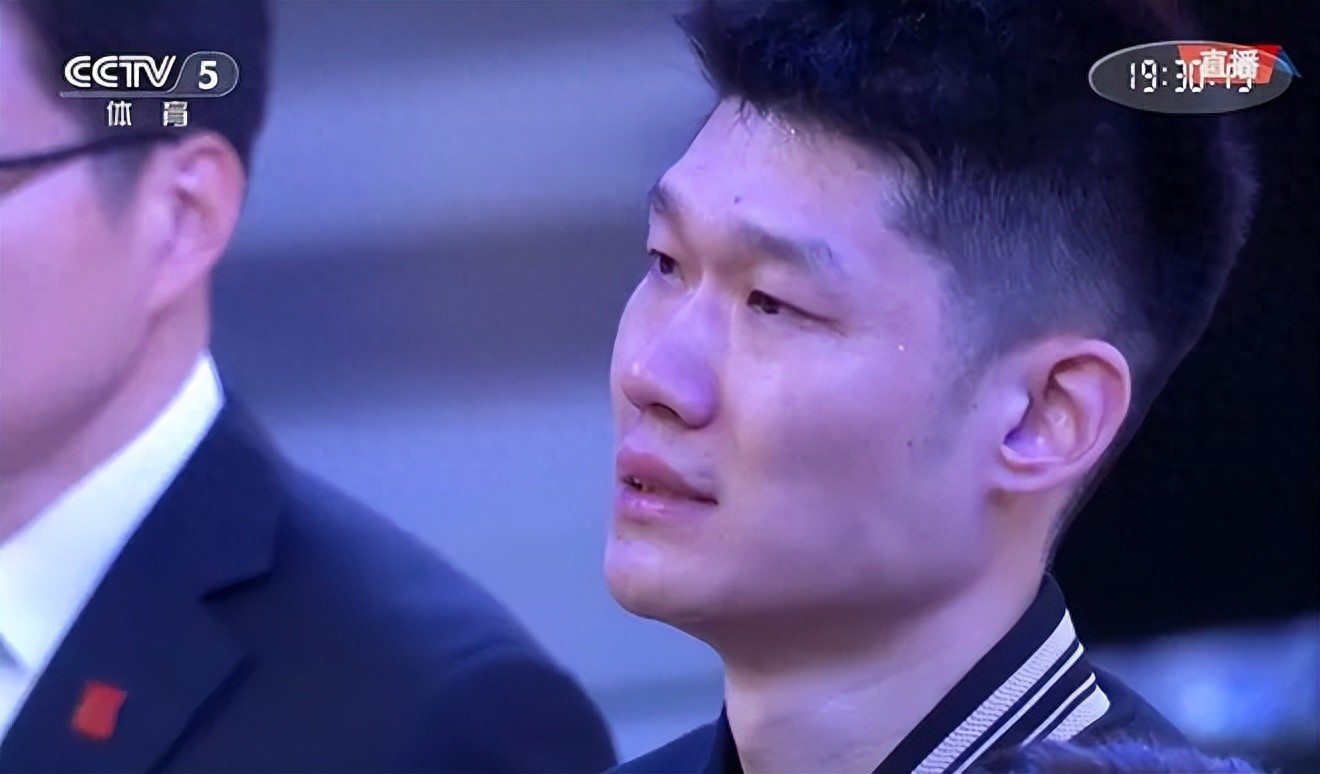
In games, crucial plays are mostly handled by foreign players, while domestic players gradually become “role players,” mainly taking on defense and spot-up shooting roles.
In the current setup, players like Zhu Junlong are highly valued.
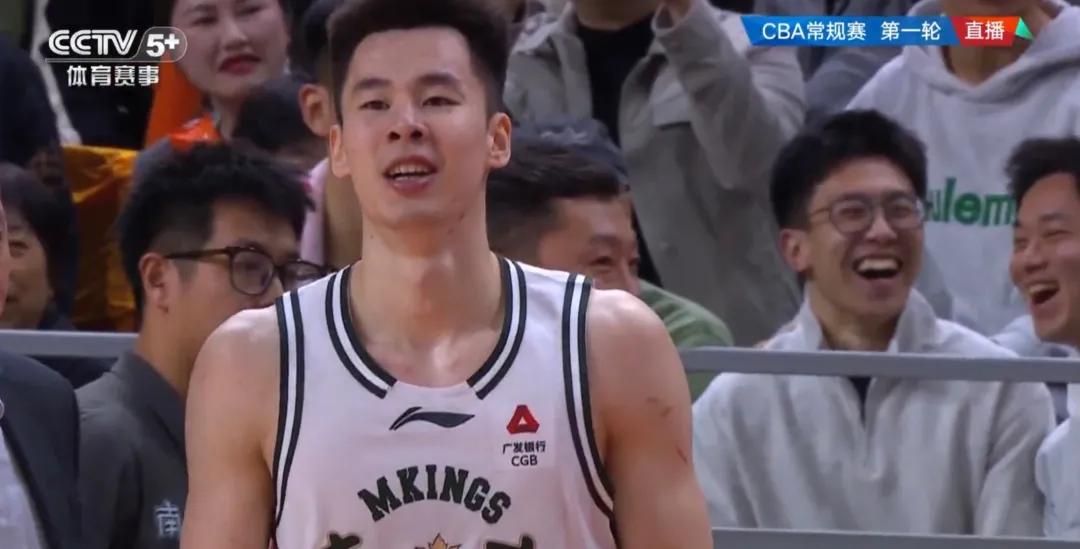
Watching the Shanxi vs. Guangsha opener, my biggest impression in the first three quarters was:
The foreign players are still overwhelmingly strong.
The reduced game time gives weaker teams more hope; having a good small foreign player essentially sets the team’s ceiling. No matter how strong your domestic players are, a good small foreign player can solve many problems.
Ningbo even beat Zhejiang Chouzhou last night...
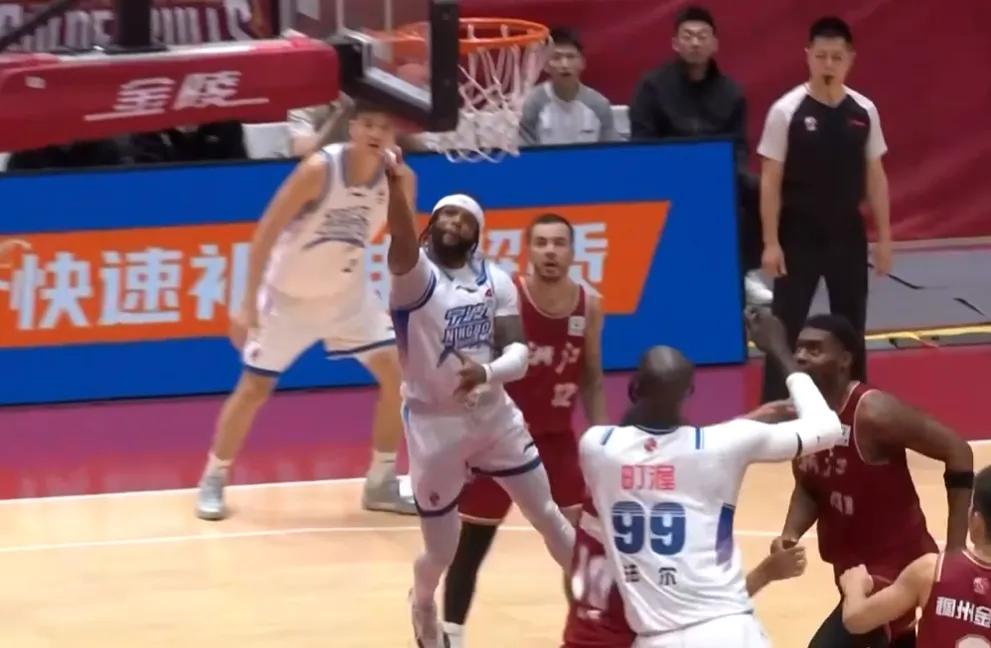
But what I want to discuss more with everyone is the survival crisis of domestic players.
Honestly, I really don’t know what foreign player policy suits our league... to some extent, it’s unsolvable.
When foreign players are restricted, people say the game quality drops and domestic players don’t get enough practice.
When foreign players are unrestricted, people say foreign players take too much time and domestic players can’t develop.
Restrict? The league becomes a greenhouse.
Unrestrict? Our players aren’t good enough.
How to find a balance? I remember mentioning before that we could start by allowing East Asian players more freely.
Each team could select certain Japanese or Korean East Asian players...
If North Korea has strong players, let them join too.
This would avoid the big gap faced with European and American players and also push domestic players to improve.
If we can’t even compete with Asian rivals like Lee Hyun-jung, how can we challenge the world’s top teams?
But this idea is unlikely to be implemented soon.
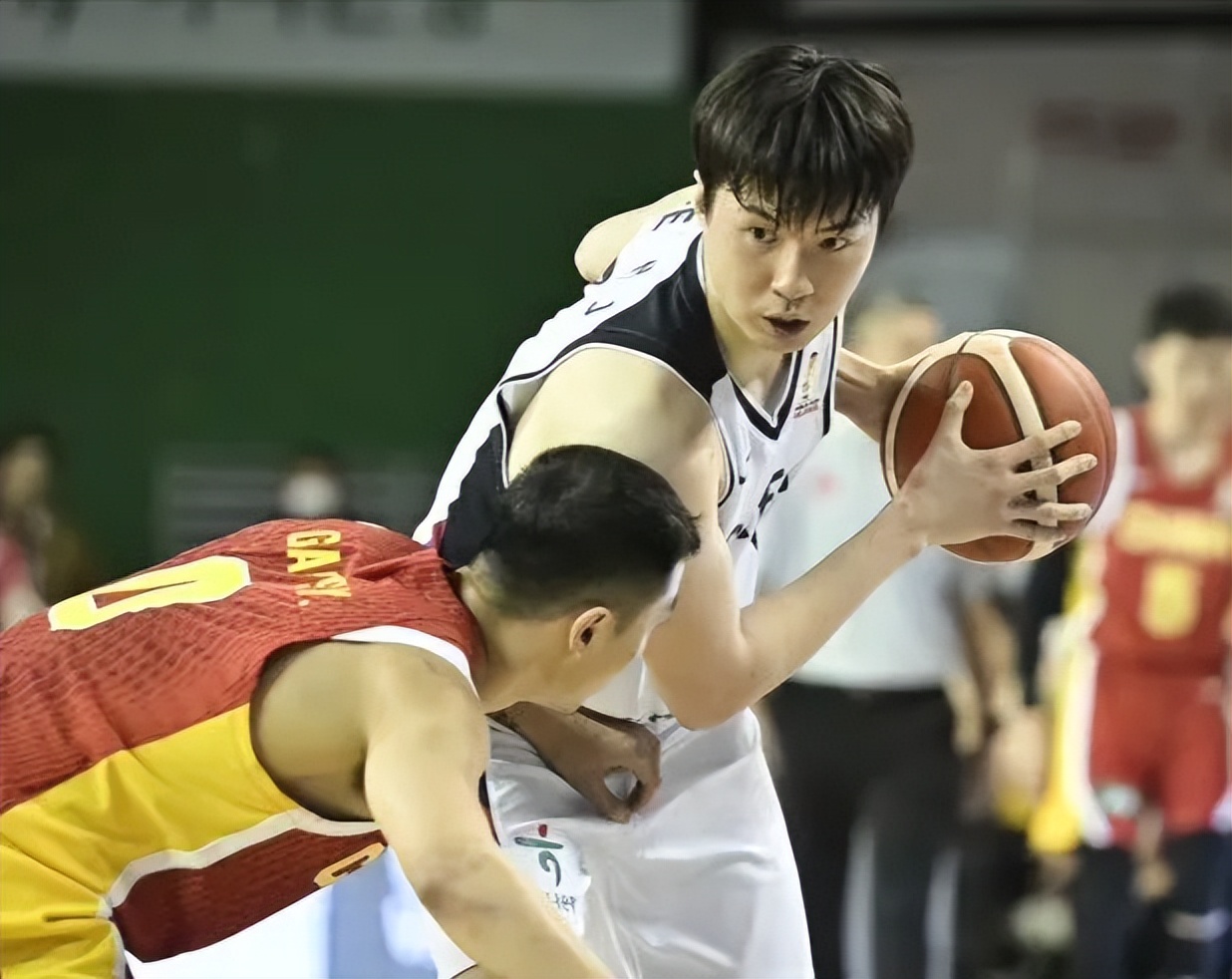
Because the biggest factor influencing league policies is the national team’s results.
If we lose to Japan or provincial teams in next year’s World Asian qualifiers, the backlash will be obvious.
If we fail to qualify for the World Cup or the Olympics, then no matter what CBA policies are made, they will be considered wrong, and the league’s “breathing” will be criticized.
Here, the national team’s performance is the top priority.
Policy-making is closely tied to the national team’s interests.
If China’s men’s basketball can reach the Olympics or the top eight in major tournaments, any league policy will be deemed correct.
This “national team is sick, CBA takes medicine” phenomenon has long been the norm.
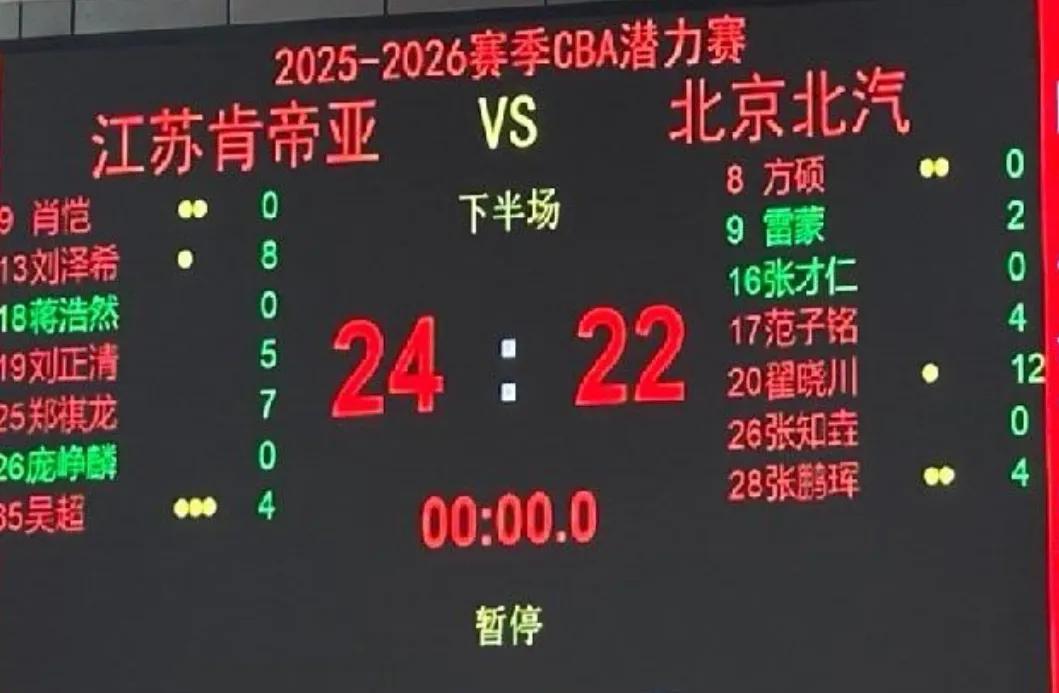
Officials realize that under the current format, domestic players have limited playing time, so they canceled the “potential tournament.”
However, some teams sent older, declining veterans to compete, causing the tournament to be mocked as a “sunset league.”
Beijing’s potential tournament starting lineup included Fang Shuo, Raymond, Zhang Cairen, Fan Ziming, Zhai Xiaochuan...
Finally, for domestic players:
The crisis brought by the new format definitely exists; there simply isn’t room for so many players.
Take Guangdong Hongyuan as an example, players like Chen Jiazhen, who performed well in the national youth team, find it very hard to get opportunities.
In last night’s game, Cui Yongxi, Du Runwang, and McCall didn’t even play!
Once they return, many players won’t even make the roster.
What can be done?
For domestic players, strengthening themselves is the only way to solve the problem.
If you are Ding Yanyuhang, Lawson has to step aside...
If you can perform like Guo Haowen did last night, foreign players will have to obediently play supporting roles.
Perhaps this policy change is a good thing, but the worry is many domestic players might just give up...


Wonderfulshortvideo
LaMelo knocks down the tough one-legged three 😮💨


This game was cinema 🙌
This sequence was INSANE 🤯
Jaxson Hayes really brought out the eastbay slam 😱
What a FANTASTIC FINISH by the @warriors 🤩
The @Charlotte Hornets win their 8th straight, their longest single-season win streak since 1999 🥳
This was too tough 💪 💥
 Links
Links
 Contact
Address:UNIT 1804 SOUTH BANK TOWER, 55 UPPER GROUND,LONDON ENGLAND SE1 9E
Number:+85259695367
E-mali:[email protected]
 App
App


