



Playing only 20 minutes, Vembanya quickly dethroned the Thunder.



It’s no shock that the Thunder’s first genuine obstacle this season was Vembanya.
Before the game, the Spurs declared Vembanya would make his comeback but as a bench player. For the Spurs, putting Vembanya on the bench isn’t a surprise; it’s probably due to his injury still restricting his minutes. Everyone can see that the Spurs with Vembanya and without him are essentially two different teams.
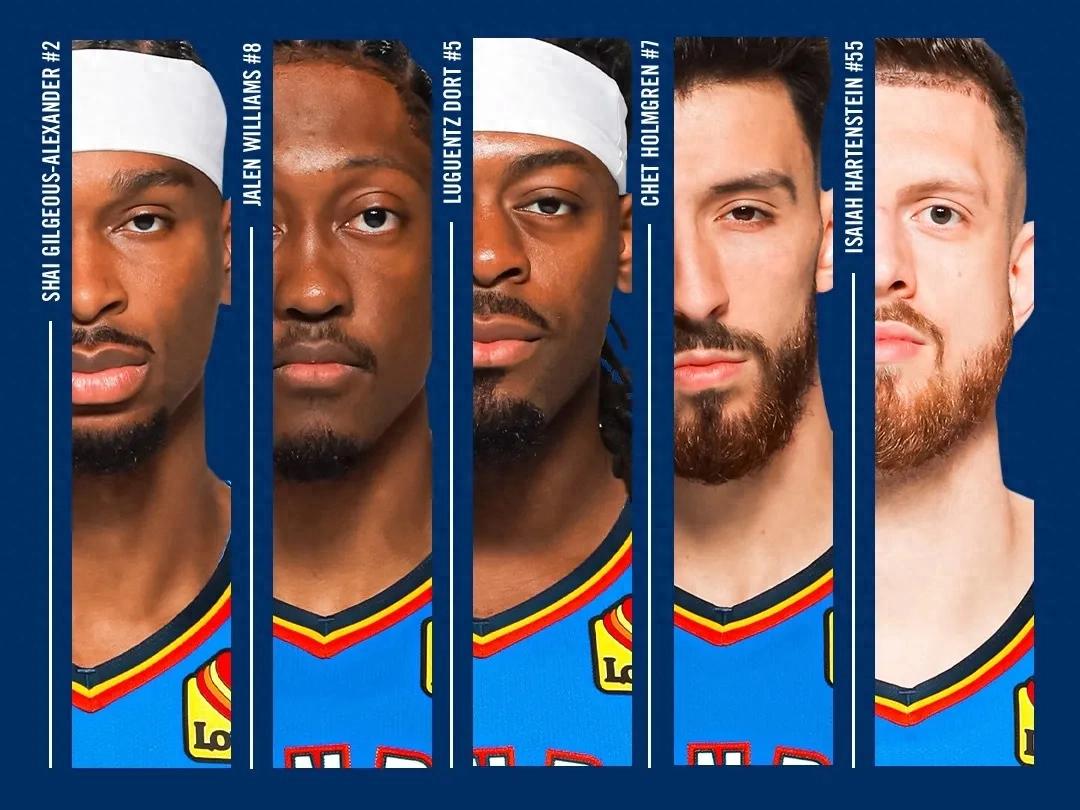
With Vembanya back for the Spurs, the Thunder also fielded their full starting five for the first time this season: Alexander, Jewell, Dort, Chet, and Harten forming their ace lineup. Remarkably, the Thunder’s depleted squad had already won 24 of their first 25 games.
The Spurs tried to seize the start by launching many three-point attempts; previously, they overwhelmed the Lakers with their three-point shooting. But the Thunder’s defense is clearly on another level compared to the Lakers’, causing the Spurs’ shooting to freeze as they missed 12 consecutive threes early on.
The Thunder’s shooting wasn’t great either, but even at their worst, they could rely on fast break points to stay afloat. After the first quarter, the Thunder led the Spurs by 11. Interestingly, Vembanya did not play in the first quarter despite being a substitute, making some wonder if the Spurs were bluffing.
Most of the time, the Thunder slowly wear down opponents like boiling frogs, gradually suffocating them. But today, they faced Vembanya. Once he stepped on the court at the start of the second quarter, the game’s momentum shifted dramatically.
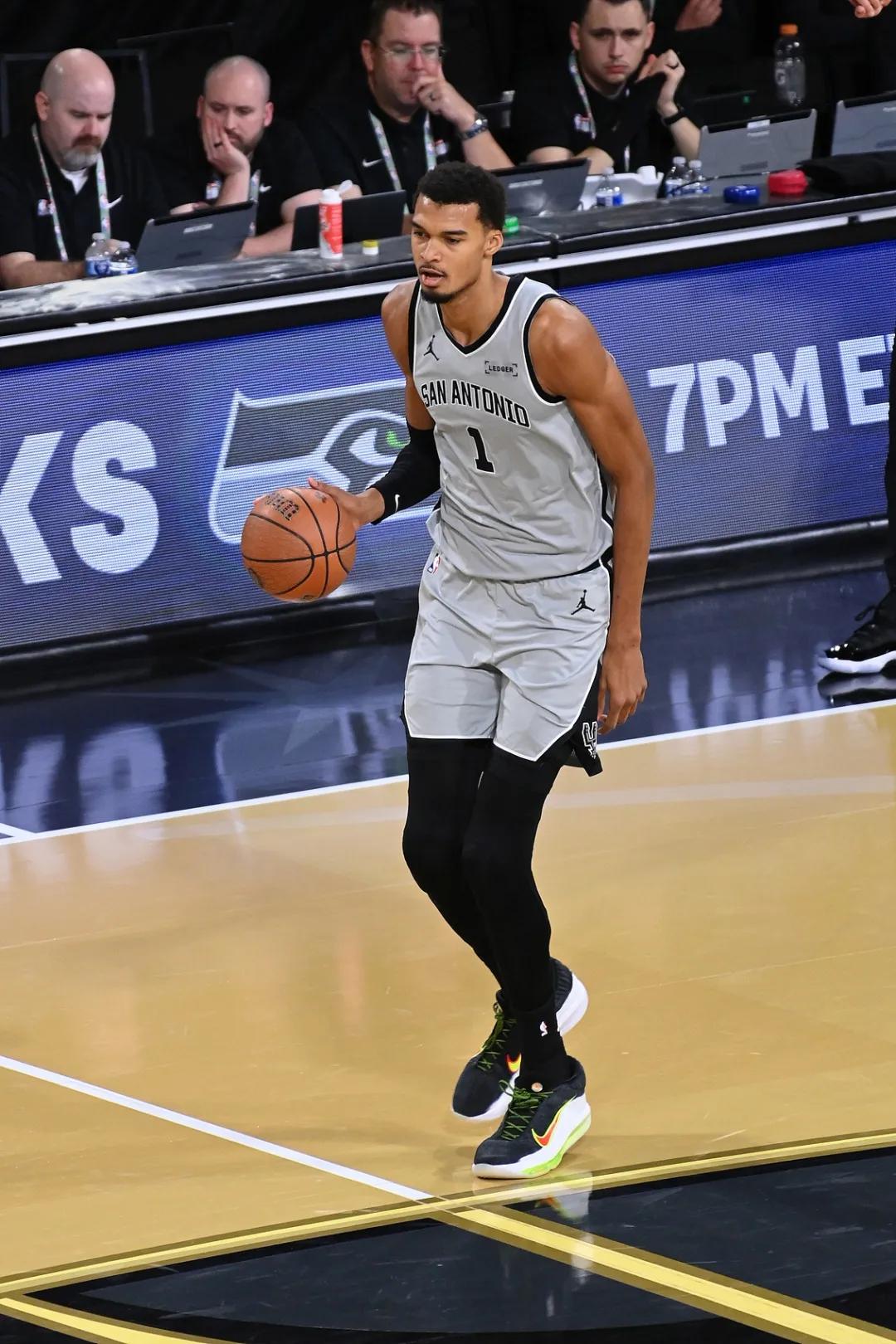
While guarding the defensive boards, Vembanya also consistently grabbed offensive rebounds, creating second-chance opportunities. On the court, he acted like a giant magnet, drawing all defensive attention from the Thunder players, naturally opening up quality scoring chances for his teammates.
Early in the second quarter, Vembanya played for about 3 and a half minutes, during which the Spurs went on a 9-2 run. After he subbed out, the Thunder quickly responded with an 8-0 run to extend their lead to as much as 16 points. Then Vembanya returned and led the Spurs on a 13-0 scoring spree.
In the first half, Vembanya logged 7 minutes with stats of 5 points, 5 rebounds, 1 assist, and 2 steals, but his plus-minus was an impressive +20. The Spurs were outscored by 23 when he was off the floor but recovered 20 points when he was on. This 7-minute stretch perfectly illustrates a superstar’s impact in a game.
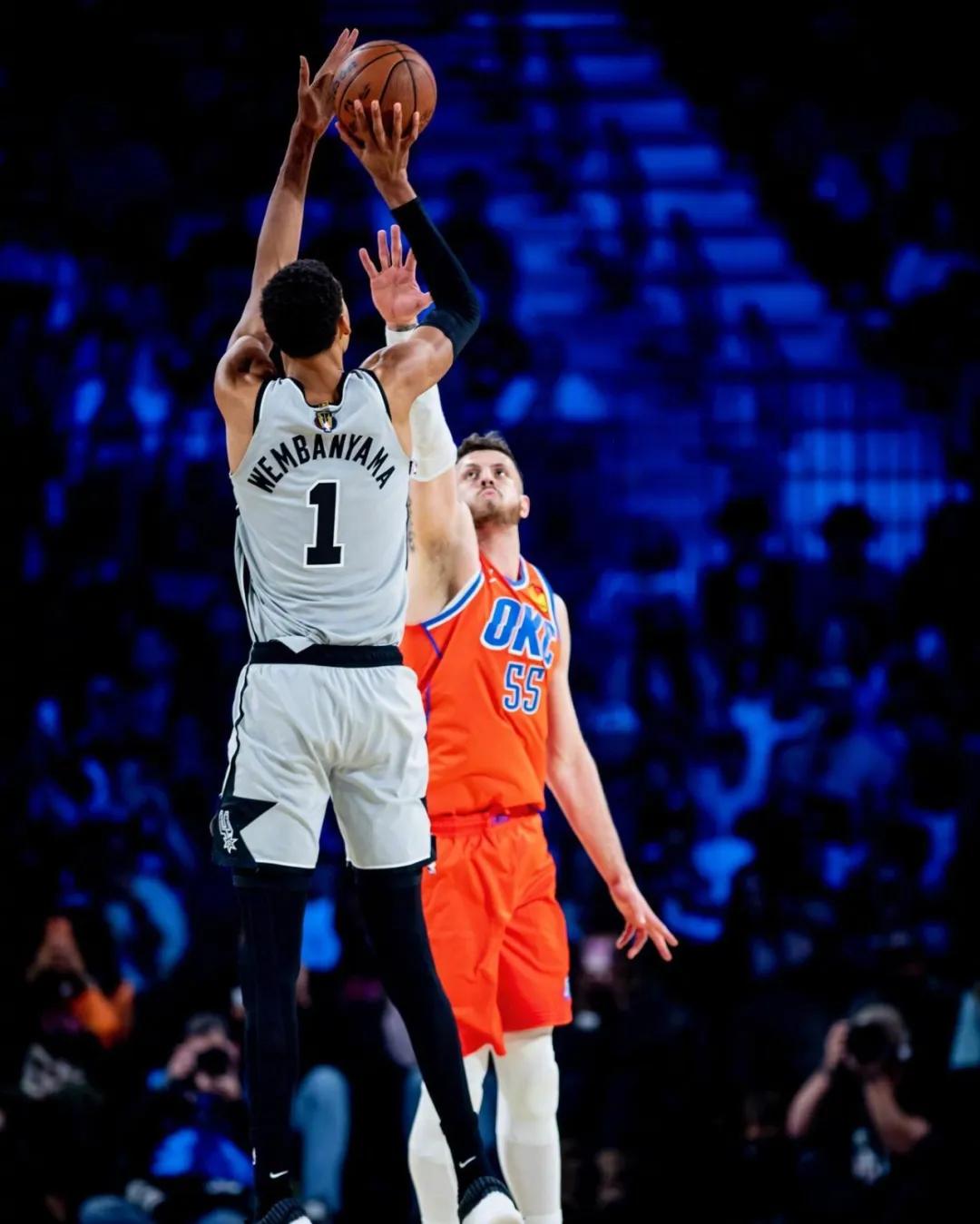
Vembanya held the Spurs together, and in the second half, Fox and Vassell’s shooting warmed up, finally pushing the Thunder into crunch time. I can’t even recall the last time I saw the Thunder play in such a critical moment.
The Thunder still used their usual strategy against the interior star, employing smaller players to disrupt Vembanya’s catches and dribbles. However, unlike the tight officiating in the Nuggets series, the referees were stricter today, with Caruso, who played well in the second half, picking up 5 fouls.
Despite that, Caruso made Vembanya’s life difficult overall, even stealing the ball from him on one possession. Yet in the final moments, after losing the ball to Caruso, Vembanya retrieved it and still managed to sink a mid-range jumper. That shot was the key moment that secured the Spurs’ advantage throughout the game.
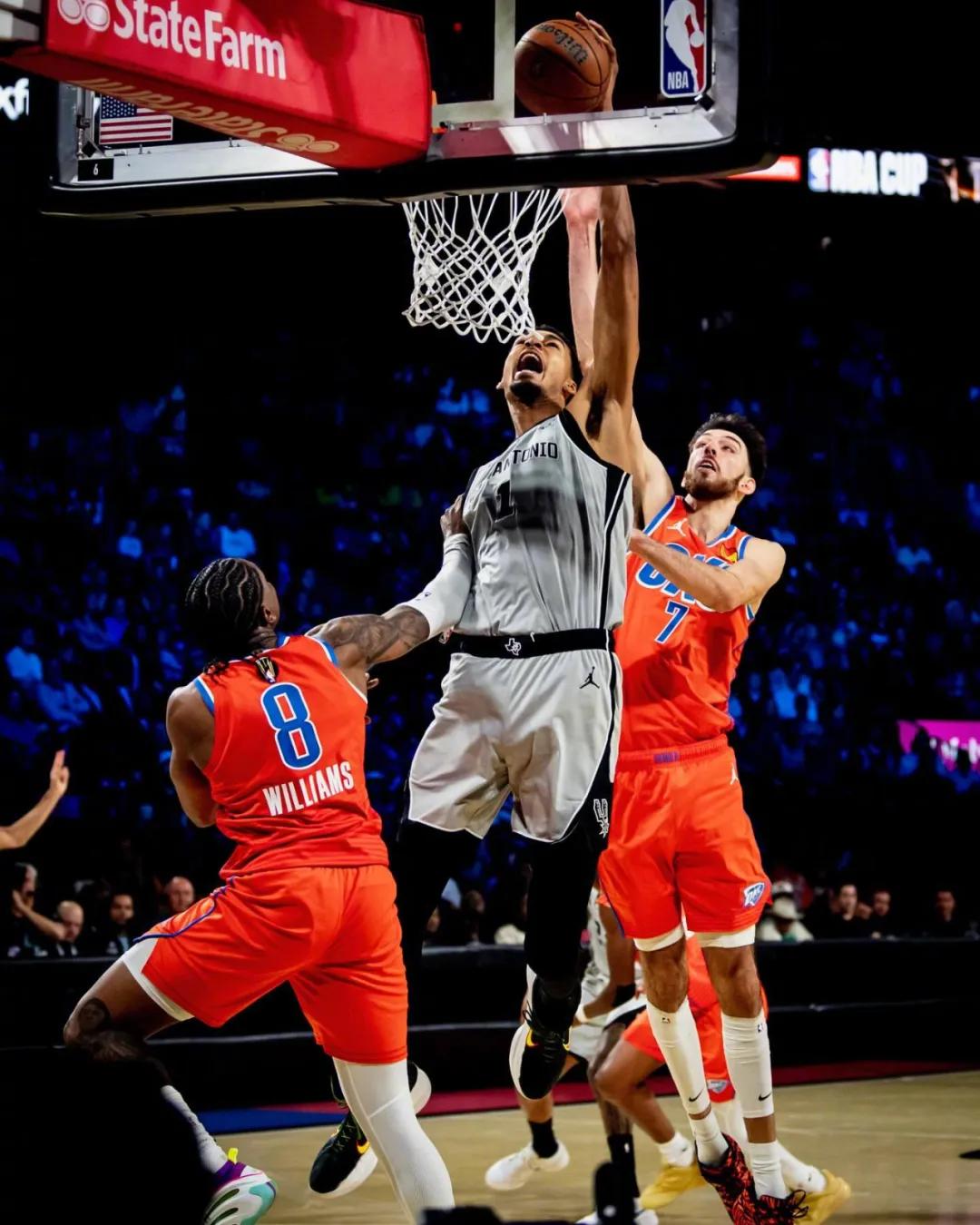
The Thunder gave their all to contain Vembanya, forcing him into 5 turnovers. But true superstars make those seemingly impossible shots that leave opponents helpless. No matter how hard you try, some players just can’t be stopped.
Vembanya’s performance wasn’t flawless today; besides 5 turnovers, he missed two crucial free throws late in the game and couldn’t fully seal the win. Still, his influence was evident in every aspect of the match.
His greatest contribution to the Spurs was on defense and rebounding. Vembanya is a natural barrier inside; he even blocked shots from players like Chet. The Thunder’s perimeter players had far fewer opportunities to attack the paint and had to gamble on their outside shooting, which ended with only a 24.3% three-point success rate.
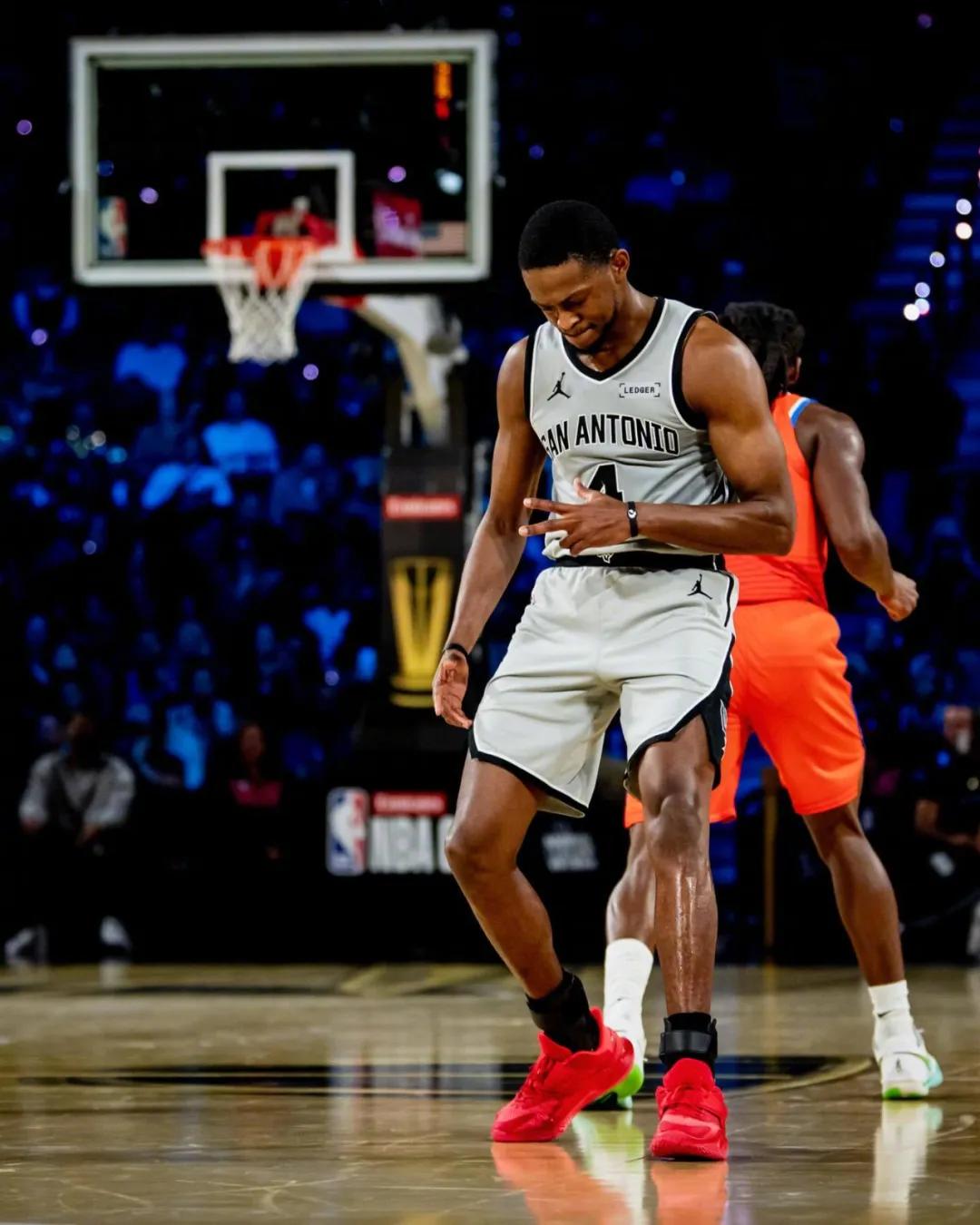
The Spurs forced 14 turnovers from the Thunder throughout the game, converting those into 26 points—one more than the Thunder scored off turnovers. This is usually the Thunder’s strength, but with Vembanya back, the Spurs’ defense stepped up a notch, especially in guarding Alexander effectively.
By pushing Alexander to take shots from deeper range, the Spurs’ defense succeeded. Alexander shot just 1 of 7 from three, with most of his made shots coming from mid-range jumpers. Keeping him from driving to the basket largely came from Vembanya’s intimidating presence inside.
This game reminded me of the Thunder’s loss to the Bucks in last year’s NBA Cup playoffs, where Giannis was also an unstoppable force for the Thunder, breaking them down with transition plays.
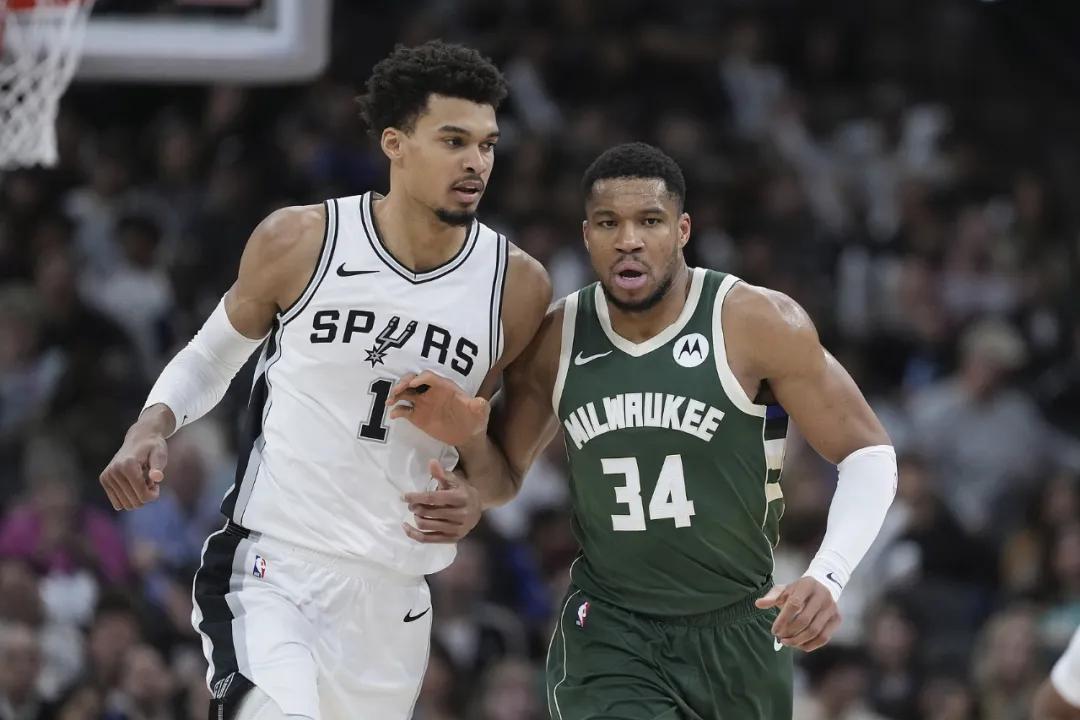
To beat the Thunder, your team must have a key weapon they cannot fully counter—an X-factor in the game. Of course, not every team has a generational talent like Giannis or Vembanya.
Don’t underestimate the Thunder’s ability to adjust in a series. The good news is that soon after this game, the Thunder will face the Spurs twice more. We will definitely see a fully healthy Vembanya without minutes restrictions, and also how the Thunder plan to adapt to him.
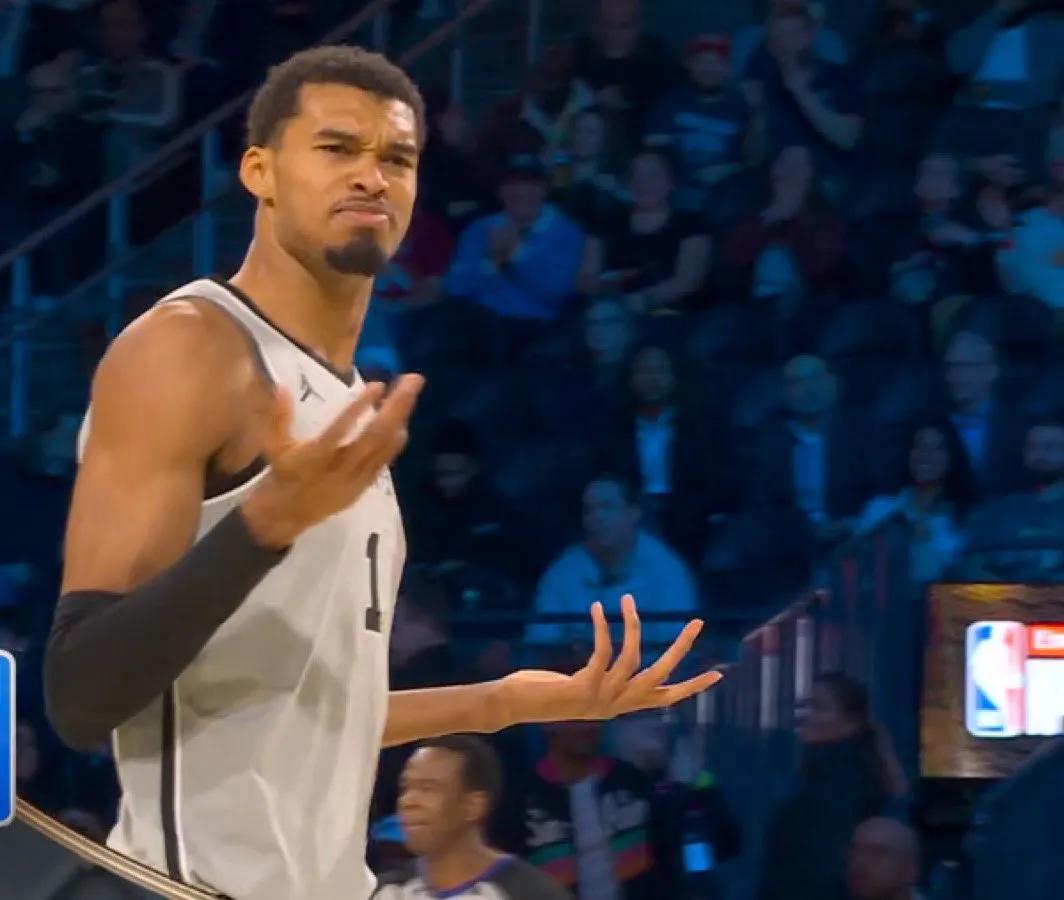
The Thunder have always been the ones setting the challenges, but now the roles have reversed—it’s the Thunder’s turn to solve the puzzle that is Vembanya.


Wonderfulshortvideo
LaMelo knocks down the tough one-legged three 😮💨


This game was cinema 🙌
This sequence was INSANE 🤯
Jaxson Hayes really brought out the eastbay slam 😱
What a FANTASTIC FINISH by the @warriors 🤩
The @Charlotte Hornets win their 8th straight, their longest single-season win streak since 1999 🥳
This was too tough 💪 💥
 Links
Links
 Contact
Address:UNIT 1804 SOUTH BANK TOWER, 55 UPPER GROUND,LONDON ENGLAND SE1 9E
Number:+85259695367
E-mali:[email protected]
 App
App


