



As Lockout Risk Rises, MLB Commissioner Pushes a Salary Cap and Floor: Teams Won't Back Down


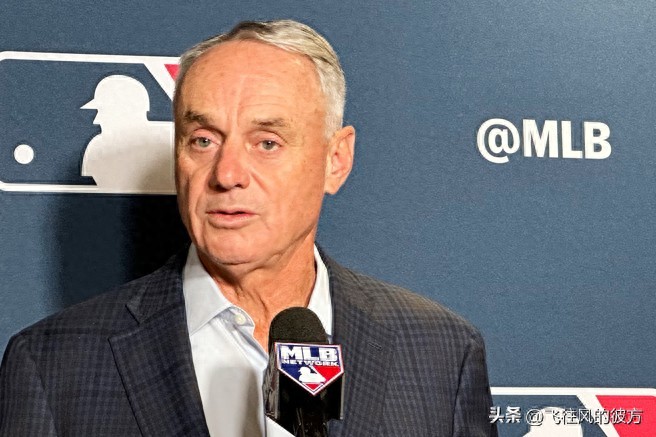
The current MLB collective bargaining agreement expires on Dec. 1 U.S. time, less than two weeks from the deadline, and the owners of all 30 MLB teams are meeting in New York. Commissioner Rob Manfred said it was impossible to imagine owners approving a deal without both a salary cap and a salary floor, insisting that the teams would not yield on the issue. His remarks immediately drew a sharp response from the players' union; if the two sides cannot reach an agreement, a lockout could begin and disrupt the next season.
At the center of this labor storm is the owners' unprecedented push, despite MLB's long-standing absence of a salary cap, for teams to operate under salary "maximum" and "minimum" limits beginning in 2028. According to details of the ownership proposal reported by foreign media, the clubs would set a $258.2 million payroll ceiling and a $180.2 million payroll floor in 2028, while also restricting the size of individual player contracts. Manfred cited competitive balance and fan expectations at the meeting, claiming that 70 percent of fans favor a cap-and-floor system. He also criticized the players' union for saying since its May proposal that the idea was "completely unacceptable" while not offering a substantive alternative, and he urged the union to recognize the owners' resolve and look for common ground.
In response to the commissioner's pressure, players' union executive director Bruce Meyer quickly issued a statement fighting back and accusing the league of lacking negotiating sincerity. Meyer said that if the owners make a sweeping overhaul of the existing system a precondition for talks, it would not only sharply reduce players' overall compensation but also undermine basic rights such as guaranteed contracts. He said bluntly that outsiders should not be under the illusion that clubs are pushing a salary cap; the owners' true aim is to suppress player pay, expand profits, and inflate franchise valuations.
Looking back at MLB history, the last time owners proposed a salary cap was in 1994; it ultimately turned into a work stoppage lasting more than seven months and led to the World Series being canceled for the first time in 90 years. With the Dec. 1 deadline closing in, both sides are holding firm to their bottom lines with no sign of concession. If a lockout is formally triggered, players on the 40-man roster would be cut off from their teams, ballparks and facilities would shut down, and the next season could be put at risk.


Wonderfulshortvideo

Brb getting ready to recreate Amber’s next dance move in my living room 💃



Teruaki Sato is reportedly bringing his prodigious power to the Cubs 😮
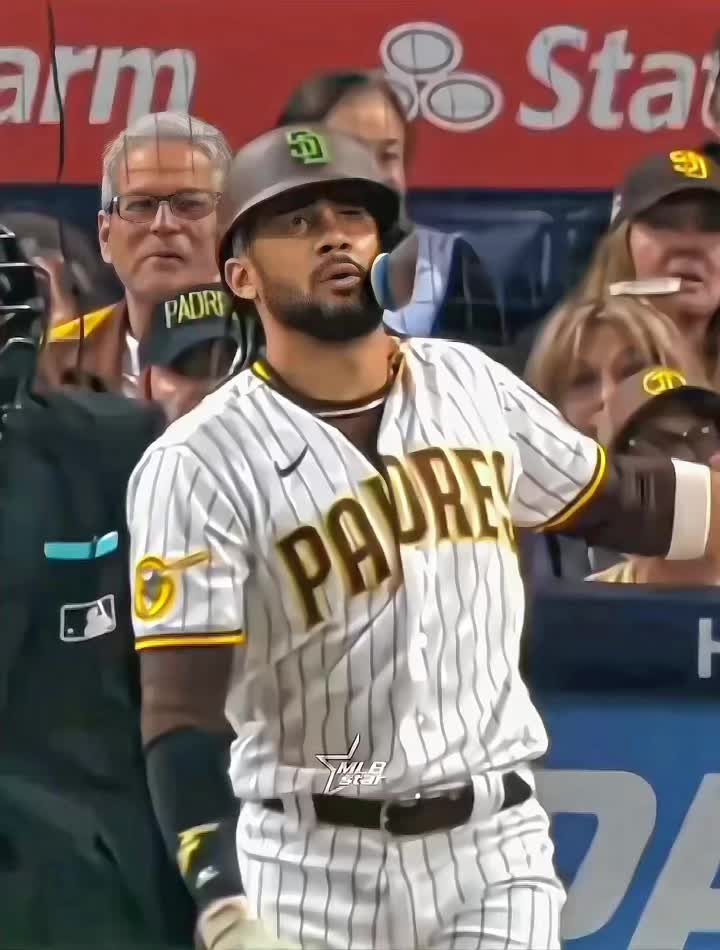
Fernando Tatis es otra cosa de verdd 💕🤩😽
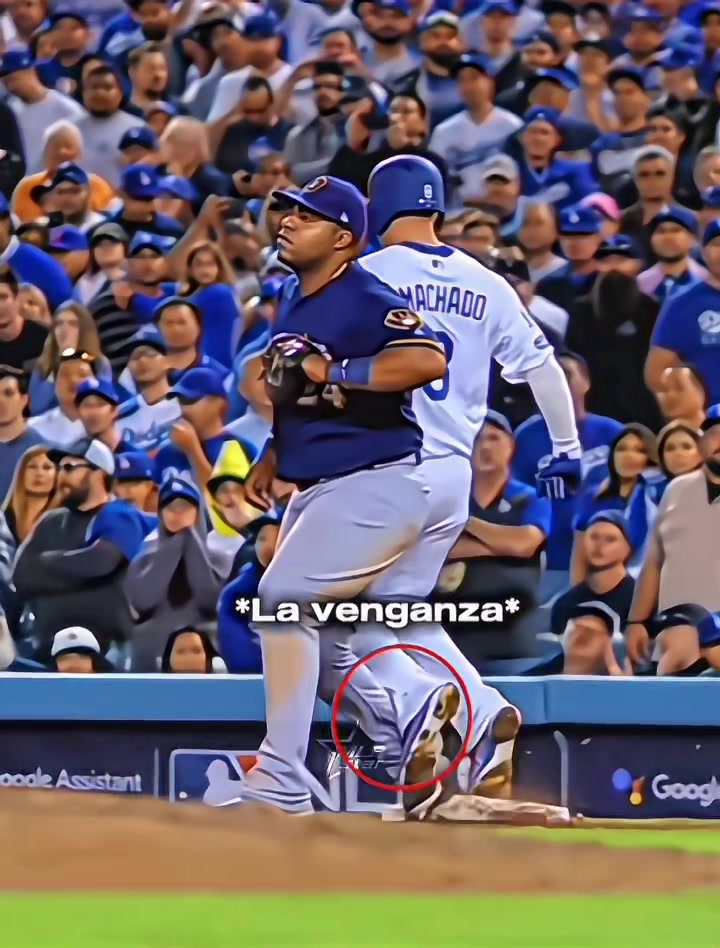
Machado no sé quería quedar con esa y se la desquito 🚨😤.

Paul Skenes:

haymitch couldn’t catch a BREAK 😭

3 MLB Players vs. a PGA Tour Pro 👀
 Links
 Contact
 App